
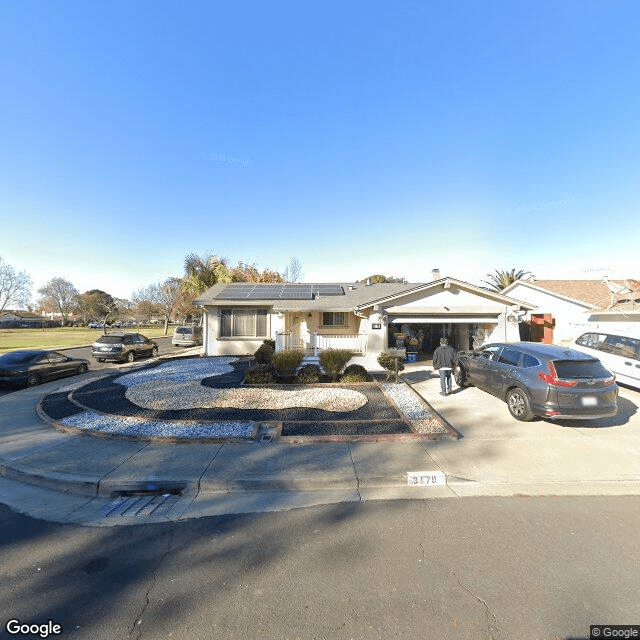
3179 San Rafael Way, Union City, CA 94587
For more information about senior living options: (866) 208-4318
Rn Elder Care Provider Costs & Pricing
At Rn Elder Care Provider, the monthly costs for care reflect a commitment to quality and comprehensive support tailored to residents' needs. For a semi-private room, the fee is $5,000, which positions it significantly higher than the average rates in both Alameda County ($3,273) and across California ($3,333). When opting for a private room, the cost rises to $7,500, again exceeding local and state averages of $3,748 and $3,939 respectively. This pricing structure underscores the value placed on personalized care and superior living conditions that Rn Elder Care Provider offers its residents compared to other facilities in the region.
| Floor plans | Rn Elder Care Provider | Alameda County | California |
|---|---|---|---|
| Semi-Private | $5,000 | $3,273 | $3,333 |
| Private | $7,500 | $3,748 | $3,939 |
Assisted Living communities with a similar price nearby
-
About the same
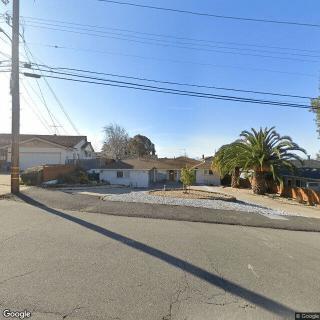
Blessing Home
$5,000 to $6,000 / month8.5 miles away -
from -$500 / mo
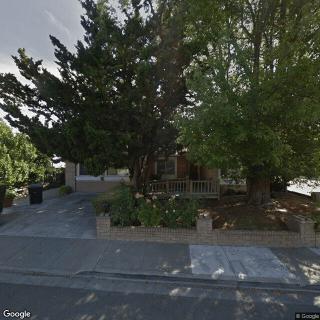
Pleasanton Senior Care Villa
$4,500 / month10.3 miles away -
from +$400 / mo
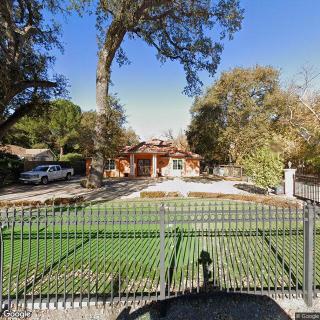
Bethel Care Home On Cottage
$5,400 / month20.1 miles away -
from +$500 / mo
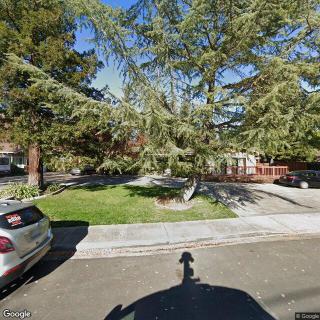
Carnelian III
$5,500 / month20.5 miles away -
from -$400 / mo

Milan Villa Senior Living
$4,600 to $9,200 / month16.6 miles away
Overall Review of Rn Elder Care Provider
Pros
 The staff at St. Therese Care Home II provided excellent care for the father, addressing his needs.
- This care decreased the father's agitation, allowing him to relax.
- The home is clutter-free, clean, neat, well-maintained, and each room has access to the backyard.
- The family was blown away by the care provided and wishes they had found St. Therese Care Home II earlier for their father.
- The staff are very kind, the facility is clean and welcoming, and they are accommodating.
- The family thanks the staff for all the care and love given to their father in his final days.
Cons
 Our father was in another facility near St. Therese Care Home II where he wasn't getting the proper care.
Review
This community is best suited for families seeking a warm, home-like environment where a small, tightly knit caregiving team delivers consistent, individualized attention. In the reviews, residents are described as entering a clutter-free, clean, and well-maintained space, with rooms that offer direct access to outdoor areas. The atmosphere is calm and welcoming, which makes it ideal for seniors who respond well to personal contact, predictable routines, and a setting that feels less institutional and more like a trusted home. When a loved one benefits from steady empathy, gentle redirection of agitation, and a sense of security from staff who know them well, this environment stands out as a strong match.
Those considering alternatives should note that this may not be the best fit for families seeking heavy clinical oversight or large-scale programming. If the priority is 24/7 on-site medical supervision, extensive memory-care security features, or a facility with broader, structured activity calendars and advanced rehabilitation services, other options may offer the depth of clinical support and resources desired. The reviews suggest a focus on caregiving warmth and daily comfort rather than formal medical protocols or expansive amenities, so families with higher medical needs or specialized dementia programming will want to evaluate those gaps against their expectations.
The core strengths, compassionate staff, a clutter-free and clean setting, and visible efforts to reduce residents’ agitation, work together to create a highly reassuring lived experience. Romel and the caregiving team are highlighted for addressing residents’ needs with attentiveness that translates into real improvements in mood and behavior. When a resident is more relaxed, less agitated, and able to settle into a routine, the quality of life for both the individual and the family rises markedly. This kind of responsive, relationship-driven care can offset concerns about being in a smaller operation by ensuring that daily interactions feel meaningful and consistently well attended.
Cleanliness and a welcoming atmosphere amplify the caregiving strengths. A tidy, well-kept home environment reduces stress for both residents and families, fosters a sense of pride in the space, and supports safer, easier daily living. The reviews emphasize the home’s upkeep and the visible care put into creating a pleasant, low-stimulation setting, factors that directly affect comfort levels, sleep quality, and overall well-being. The added benefit of backyard access gives residents opportunities for fresh air, gentle movement, and outdoor exposure, which are important for mood and physical health in many seniors.
End-of-life care is another critical dimension highlighted by the feedback. The expressions of gratitude for “care and love” in a resident’s final days point to a culture of compassion that goes beyond routine tasks. For families navigating difficult transitions, this level of attentiveness can be a decisive factor, providing reassurance that a loved one will be treated with dignity, patience, and genuine warmth when the time comes. While not every facility can promise such personalized tenderness, these reviews signal that this home prioritizes humane, person-centered care at every stage.
In practical terms, families evaluating this community should ask about staffing patterns, including typical staff-to-resident ratios and how the team manages fluctuations in care needs. Inquire about the range of daily activities, the availability of memory-care protocols if cognitive impairment progresses, and how the team coordinates with family members on care plans. If the goal is a high-touch, home-like experience with rapid responsiveness and a focus on comfort, this setting delivers compelling reassurance. If the aim includes a high degree of clinical orchestration or expansive on-site therapies, balance expectations accordingly and compare with alternatives that foreground those services.
Ultimately, this community is a strong match for seniors who thrive on warmth, personal attention, and a serene home environment where care teams know residents by name and respond quickly to changing needs. For families who prioritize intimate relationships, cleanliness, and a calming atmosphere that reduces agitation, the positives outweigh potential trade-offs. If an emphasis on robust clinical oversight and broad programming is paramount, it makes sense to explore other options, but for those prioritizing peace of mind, respectful companionship, and genuine kindness, the right choice may well be right here.
 6 resident community capacity
 Assisted Living
 Board and Care Home
 Activities off-site
 Cable or satellite TV
 Devotional services off-site
 Dining room
 Fully furnished
 Garden
 Housekeeping services
 Indoor common areas
 Move-in coordination
 Outdoor common areas
 Private
 Private bathrooms
 Telephone
 Wheelchair accessible showers
 Wi-Fi/high-speed internet available
 Metropolitan Oakland International (12 miles away)
 24-hour supervision
 Assistance with bathing
 Assistance with dressing
 Assistance with transfers
 Diabetes diet
 High acuity care
 Meal preparation and service
 Medication management
 Special dietary restrictions
 Transportation arrangement (medical)
 Transportation to doctors appointments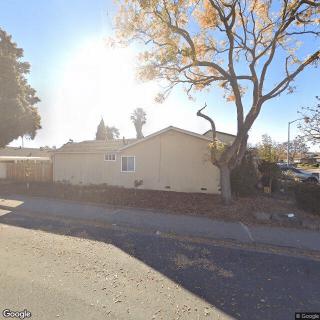


 Beyond the Bingo Hall: 50+ Enriching Activities for Seniors in Assisted Living
 Understanding the Distinctions: Assisted Living and Memory Care Explained
 Guiding Elderly Parents Who Refuse Assisted Living: 6 Practical Steps