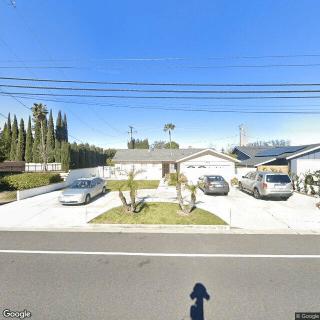
Jenn's Residential Care Facility For The Elderly in Tustin, CA

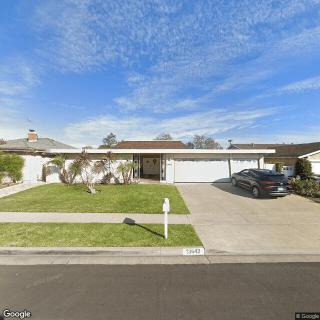
2960 Champion Way #2701, Tustin, CA 92782

For more information about senior living options: (844) 490-3973

5 from 25 reviews
5 stars
25
4 stars
0
3 stars
0
2 stars
0
1 stars
0

Assisted Living

Overall Review of Jenn's Residential Care Facility For The Elderly

Pros

  • pro Cristina and Emanuel genuinely care about others and would give the clothes off their backs to those less fortunate.
  • pro They create a home-like, safe environment where residents are treated with love and tenderness.
  • pro Christina is a bright light in the industry and a rare treasure.
  • pro LTDCH provides a safe, warm, home-based setting with proactive, coordinated care that restores independence and dignity.
  • pro They deliver compassionate end-of-life care and thoughtfully coordinate hospice when needed.
  • pro The staff treat residents like family and make families feel included and supported.
  • pro The facility is immaculate, clean, organized, and attentive to residents' needs.
  • pro They go above and beyond to meet residents' needs, keep families updated, and celebrate birthdays and special occasions.
  • pro Families experience peace of mind knowing their loved ones are cared for by a dedicated, loving team.

Review

This intimate, home-based board-and-care in Tustin is best suited for families seeking a truly warm, hands-on care environment where residents are treated like family and care is tailored to daily life. It shines for seniors who want a small, house-like setting with attentive, continuous supervision, where meals, routines, and personal grooming are integrated into a cohesive, home-centered day. The model is especially appealing for those managing memory challenges or recovering from a health setback, because the staff's daily familiarity with each resident supports comfort, dignity, and meaningful engagement. In short, it is the right choice for families who prioritize personal connection, consistent routines, and an atmosphere that feels less institutional and more like home.

Those who may want to explore alternatives are clear: if medical complexity requires on-site skilled nursing with a broad slate of in-house therapies, or if a large campus with formal dementia programs and a wide array of on-site amenities is non-negotiable, a bigger assisted living or memory-care community may serve better. Also, families needing robust rehab services, extensive on-site clinical oversight, or highly structured, calendar-driven programming might find the smaller setting insufficient. For residents who demand substantial social programming, diverse activities, or facilities designed to accommodate a wide range of clinical needs under one roof, consider other options.

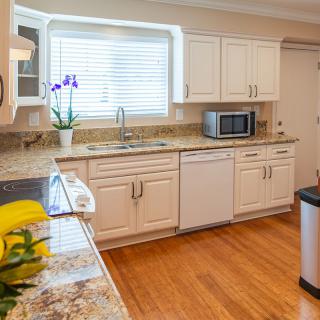
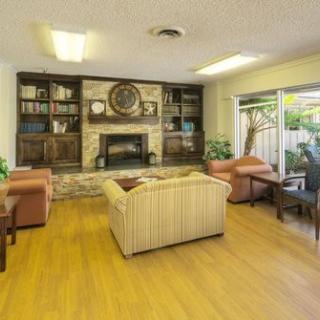
The strongest positives here are the people and the culture. Cristina and Emanuel are consistently described as genuinely caring, proactive, and deeply dedicated to residents' well-being. The care model is highly hands-on: they coordinate hospital beds, home health services, and medications, and they respond quickly to changes in health status. Families repeatedly note that what has been lost in prior care - personal hygiene, daily grooming, and a sense of independence - has been recovered through attentive routines and thoughtful interventions. The home itself reinforces these strengths: spotless, uncluttered, with a warm living area, a pleasant backyard, and a dining experience described as restaurant-quality. Meals are personalized, celebratory of holidays and birthdays, and prepared with care that makes residents feel valued.

Communication and collaboration with families and external care providers are standout advantages. The owners' involvement extends to scheduling, visitation flexibility, and coordinating with hospice when needed, ensuring a seamless continuum of care during end-of-life transitions. The environment supports comfort and togetherness, including a shared room option that can help couples stay close, a feature many families prize. The staff's attentiveness is reinforced by outside professionals - hospice teams, physical therapists, and other clinicians - who consistently commend the level of engagement and coordination. These elements collectively offset the limits of a very small, home-based setting by delivering robust, integrated care that remains deeply personal.

A candid look at potential drawbacks shows that, while the home excels in intimacy and responsiveness, it may not replicate the full spectrum of services found in larger facilities. Residents with highly specialized medical needs or those requiring intensive on-site rehabilitation services may encounter a ceiling on what the setting can provide locally. Yet the documented strength - rapid access to external professionals, meticulous attention to daily routines, and a care-first philosophy - often neutralizes these concerns. Families report peace of mind knowing a highly capable, compassionate team is watching over their loved ones, with frequent updates and a high level of transparency about changes in condition.

For families weighing options, the decision hinges on what matters most: a homey, family-style atmosphere with extraordinary caregiver attention, or a larger community with expansive medical and therapeutic resources. If the priority is daily life lived with grace, dignity, and personal touch - where meals feel restaurant-quality, where staff notice small health changes early, and where visits are welcomed and easy - this setting stands out. Prospective residents should insist on seeing a typical day, meeting the owners and key caregivers, tasting the meals, and asking how medical coordination works when a resident's needs evolve. A visit will reveal whether the warmth and proactivity documented in reviews translate into daily reality for your loved one.

Features

Housing

  • 2 resident community capacity 2 resident community capacity

Types of Care

  • Assisted Living Assisted LivingAssisted living facilities provide crucial support and care for seniors who may need help with daily tasks such as medication management, bathing, and meal preparation. These communities offer a safe and comfortable environment where seniors can maintain their independence while receiving the assistance they need to thrive in their golden years.

Amenities

  • Cable or satellite TV Cable or satellite TVCable or satellite TV is important for seniors because it provides entertainment, news, and companionship, helping to combat loneliness and boredom. It also offers a wide range of programming options tailored to different interests and preferences.
  • Dining room Dining roomDining rooms are important for seniors as they provide a space for socialization, connection, and nutritious meals. They offer opportunities for residents to bond over shared meals, foster a sense of community, and promote healthy eating habits. Dining rooms also ensure that seniors have access to well-balanced meals tailored to their dietary needs and preferences.
  • Fully furnished Fully furnishedFully furnished senior living communities are important for seniors because they provide convenience, comfort, and a hassle-free moving experience. Seniors can easily settle into their new living space without the stress of having to buy and move furniture. This allows them to focus on enjoying their new home and community.
  • Garden GardenGardens are important for seniors as they provide a peaceful and therapeutic environment for relaxation, physical activity, and socialization. Being in nature has been shown to reduce stress, improve mood, and promote overall well-being. Gardens also offer opportunities for seniors to engage in gardening activities, which can improve mobility, flexibility, and cognitive function. Additionally, gardens create a sense of community and connection with others who share a passion for plants and outdoor spaces.
  • Housekeeping services Housekeeping servicesHousekeeping services are important for seniors because they help maintain a clean and safe living environment, promote independence, and reduce the risk of accidents or illnesses. Additionally, having assistance with household chores can alleviate physical strain and allow seniors to focus on other aspects of their well-being.
  • Move-in coordination Move-in coordinationMove-in coordination is important for seniors because it helps ease the transition into their new living environment. It ensures that all logistics, such as packing, organizing movers, and setting up utilities are taken care of, allowing seniors to focus on settling in and adjusting to their new home. Having a smooth move-in process can alleviate stress and anxiety, making the transition smoother and more enjoyable for seniors.
  • Outdoor space Outdoor spaceOutdoor spaces are important for seniors as they provide opportunities for physical activity, social interaction, exposure to natural light and fresh air, and a sense of connection to nature. Having access to outdoor spaces can improve overall well-being and quality of life for older adults living in senior communities.
  • Telephone TelephoneTelephones are important for seniors as they provide a lifeline for communication with loved ones, emergency services, and healthcare providers. They offer a sense of security and independence, enabling seniors to stay connected and access assistance when needed.
  • Wi-Fi/high-speed internet available Wi-Fi/high-speed internet availableWi-Fi/high-speed internet is important for seniors to stay connected with loved ones, access online resources, and participate in virtual activities to combat feelings of loneliness and isolation. It also allows them to easily manage healthcare needs, access entertainment, and engage in lifelong learning opportunities.

Transportation

  • John Wayne Orange Co (7 miles away) John Wayne Orange Co (7 miles away)
  • Long Beach (Daugherty) (22 miles away) Long Beach (Daugherty) (22 miles away)
  • Ontario International (24 miles away) Ontario International (24 miles away)

Care Services

  • 24-hour supervision 24-hour supervision24-hour supervision is important for seniors to ensure their safety, well-being, and access to immediate assistance in case of emergencies or health issues. This constant support provides peace of mind for both seniors and their loved ones, allowing them to age in place with dignity and security.
  • Activities of daily living assistance Activities of daily living assistanceActivities of daily living assistance are important for seniors because they provide essential support with tasks such as eating, bathing, dressing, and mobility. This assistance helps seniors maintain their independence, dignity, and overall quality of life as they age.
  • Assistance with bathing Assistance with bathingAssistance with bathing is crucial for seniors as it helps maintain personal hygiene, prevents infections, and ensures their overall well-being and comfort. It also provides a sense of dignity and independence for seniors who may struggle with this task on their own.
  • Assistance with dressing Assistance with dressingAssistance with dressing is important for seniors because it helps maintain their independence, promotes personal hygiene, prevents accidents and injuries, and improves overall quality of life. This service ensures that seniors can continue to dress comfortably and confidently, despite any physical limitations they may have.
  • Assistance with transfers Assistance with transfersAssistance with transfers is crucial for seniors as it helps prevent falls and injuries, maintains their independence, and ensures they can safely navigate their living environment. It also provides peace of mind for both seniors and their loved ones.
  • Coordination with health care providers Coordination with health care providersCoordination with health care providers is crucial for seniors to ensure proper medical care, medication management, and overall well-being. This collaboration helps prevent overlapping treatments, track progress more effectively, and provide comprehensive support tailored to individual needs.
  • Diabetes diet Diabetes dietA diabetes diet is crucial for seniors as it helps manage blood sugar levels, reduce risks of complications, and improve overall health and well-being. By following a balanced and nutritious diet tailored to their specific needs, seniors can better control their diabetes and enhance their quality of life.
  • Meal preparation and service Meal preparation and serviceMeal preparation and service are crucial for seniors as they may have limited mobility or energy to cook nutritious meals. Having access to healthy and convenient food options can ensure they are getting the proper nutrition needed to maintain their overall health and well-being.
  • Medication management Medication managementMedication management is crucial for seniors to ensure they are taking the right medications at the correct dosages and times. This helps prevent adverse drug interactions, reduces the risk of medication errors, and promotes overall health and well-being. Proactive management also allows for adjustments as needed based on changing health conditions or new prescriptions.
  • Special dietary restrictions Special dietary restrictionsSpecial dietary restrictions are important for seniors because age-related changes in metabolism and health conditions can make it difficult for their bodies to process certain foods. By following a diet tailored to their specific needs, seniors can maintain their overall health and well-being, manage chronic conditions, and reduce the risk of complications such as malnutrition or food interactions with medications.
  • Transportation arrangement (medical) Transportation arrangement (medical)Transportation arrangements for medical purposes are essential for seniors as they may have difficulty driving themselves to appointments or accessing public transportation. Having reliable and safe transportation options ensures that seniors can receive timely medical care and maintain their health and well-being.
  • Transportation to doctors appointments Transportation to doctors appointmentsTransportation to doctors' appointments is crucial for seniors as it ensures they have access to necessary medical care and support for their health needs. Without reliable transportation, seniors may struggle to attend important appointments, leading to potential delays in treatment and health complications. Providing transportation services helps seniors maintain their overall well-being and quality of life.
Dining

  • Diabetes diet Diabetes dietA diabetes diet is crucial for seniors as it helps manage blood sugar levels, reduce risks of complications, and improve overall health and well-being. By following a balanced and nutritious diet tailored to their specific needs, seniors can better control their diabetes and enhance their quality of life.
  • Special dietary restrictions Special dietary restrictionsSpecial dietary restrictions are important for seniors because age-related changes in metabolism and health conditions can make it difficult for their bodies to process certain foods. By following a diet tailored to their specific needs, seniors can maintain their overall health and well-being, manage chronic conditions, and reduce the risk of complications such as malnutrition or food interactions with medications.

Activities

  • Community-sponsored activities Community-sponsored activitiesCommunity-sponsored activities are important for seniors as they provide opportunities for social interaction, mental stimulation, and physical activity. These activities can help improve overall well-being, combat loneliness and isolation, and promote a sense of belonging and purpose among older adults.
  • Scheduled daily activities Scheduled daily activitiesScheduled daily activities are important for seniors because they provide structure, socialization, mental stimulation, and physical activity. Engaging in regular activities can improve overall well-being and quality of life for seniors living in a community setting.

Description

Jenn's Residential Care Facility for the Elderly, located in the charming city of Tustin, CA, offers a warm and inviting environment tailored to meet the needs of its residents. This assisted living community is designed to provide comfort and care, ensuring that seniors feel at home while receiving the support they need.

The facility boasts a range of amenities that enhance daily living. Residents can enjoy meals in a spacious dining room and take advantage of fully furnished accommodations that promote relaxation. The serene garden and outdoor spaces offer a perfect setting for leisure and socialization. Additional services like housekeeping ensure that residents can focus on enjoying their time without worrying about mundane tasks, while complimentary features such as telephone access and high-speed Wi-Fi keep them connected with loved ones.

At Jenn's Residential Care Facility, personalized care is at the forefront. The dedicated staff provides assistance with activities of daily living, including bathing, dressing, and transfers, while also coordinating with healthcare providers to address medical needs. Residents benefit from specialized services such as meal preparation tailored to diabetes or other dietary restrictions, medication management, and transportation arrangements for medical appointments.

The community fosters an engaging atmosphere through scheduled daily activities that encourage social interaction and mental stimulation. With convenient access to local amenities including nine cafes, 12 parks, 14 pharmacies, five physicians, 14 restaurants, a place of worship, and a theater nearby, there are plenty of opportunities for residents to explore their surroundings.

Jenn's Residential Care Facility for the Elderly is committed to providing compassionate support and creating a vibrant community where seniors can thrive. Whether through personalized care or engaging activities, residents can enjoy a fulfilling lifestyle in this welcoming environment.

Nearby Places of Interest

Parks

  • Tustin Sports Park (0.6 miles)
  • Resort at the Groves (1.1 miles)
  • Peters Canyon (1.3 miles)
  • Eastwood Village Park (2.2 miles)
  • Jeffrey Open Space Trail (3.1 miles)
  • Stonegate Park (3.1 miles)
  • Mockingbird Park (3.4 miles)

Restaurants

  • BJ's Restaurant & Brewhouse (0.9 miles)
  • McDonald's (1 miles)
  • Lazy Dog Restaurant & Bar (1 miles)
  • Chick-Fil-A (1.2 miles)
  • McDonald's (1.4 miles)
  • In-N-Out Burger (1.5 miles)
  • Del Taco (2.1 miles)

Cafes

  • Starbucks (1 miles)
  • Starbucks (1.1 miles)
  • Starbucks (1.2 miles)
  • Orobae (2.4 miles)
  • Kean Coffee (2.5 miles)
  • Yifang Fruit Tea (3.5 miles)
  • Tru Bru Organic Coffee (3.8 miles)

Pharmacies

  • CVS Pharmacy (1.3 miles)
  • Walgreens (2 miles)
  • CVS Pharmacy (2.3 miles)
  • CVS Pharmacy (2.4 miles)
  • CVS Pharmacy (3 miles)
  • CVS Pharmacy (3.3 miles)
  • Walgreens (3.6 miles)

Physicians

  • Kaiser Permenente Tustin Medical Offices (1.9 miles)
  • Hoag Tustin Legacy (2.9 miles)
  • Hoag Medical Group (2.9 miles)
  • Cardiology Specialists of Orange County (3.4 miles)
  • Coastal Kids (3.8 miles)
  • Kaiser Permanente Orthopedics (5.7 miles)

Places of Worship

  • Islamic Center of Irvine (3.1 miles)

Theaters

  • Amc Tustin 14 At The District (4.2 miles)
  • Regal Irvine Spectrum Screenx, 4Dx, Imax, RPX & Vip (6.4 miles)
  • Century Theatres (7.2 miles)

Hospitals

  • Kaiser Permanente Hospital (5.7 miles)
  • Choc (5.8 miles)
  • South Coast Medical Center For New Medecine (7 miles)

Transportation

  • Amtrak and Metrolink Irvine Station (6.3 miles)
  • Terminal A (6.4 miles)
  • John Wayne Airport (SNA) (6.5 miles)
  • Artic (7.3 miles)

Frequently Asked Questions

Where is Jenn's Residential Care Facility For The Elderly?

Nearby Communities

  • Grace's Home II

    Grace's Home II

    Santa Ana, CA

    4.8 from 12 reviews
    $4,000 to $4,650 / month

    pro Friendly, attentive staff in a spotless setting with engaging activities.

  • Grace's Home 2

    Grace's Home 2

    Santa Ana, CA

    4.8 from 5 reviews
     

    pro Comprehensive care with ADL support, diabetes-friendly dining, and ample amenities.

  • Tustin Ranch Villa I

    Tustin Ranch Villa I

    Santa Ana, CA

    4.4 from 5 reviews
    $4,500 to $5,000 / month

    pro Compassionate staff in a welcoming, home-like setting.

  • Tustin Ranch Villa

    Tustin Ranch Villa

    Santa Ana, CA

    5 from 7 reviews
     

    pro Personalized care with 24-hour supervision and convenient access to nearby amenities.

  • Forever Young Memory Care

    Forever Young Memory Care

    Santa Ana, CA

    5 from 63 reviews
    $6,495 / month

    pro Compassionate, knowledgeable owner and staff; clean, homelike environment with personalized dementia care.

  • Thank Ya Kindly Lemon Heights

    Thank Ya Kindly Lemon Heights

    Santa Ana, CA

    4.8 from 16 reviews
     

    pro Safe, quiet location with friendly staff and a spacious, renovated facility.

  • Advanced Rehab Center Of Tustin

    Advanced Rehab Center Of Tustin

    Santa Ana, CA

    4.2 from 92 reviews
     

    pro 24/7 care with broad on-site amenities and transportation options.

  • Nikki's Loving Care Home

    Nikki's Loving Care Home

    Tustin, CA

    5 from 2 reviews
    $5,500 / month

    pro Small, intimate setting with hands-on, round-the-clock care and a warm, family-like atmosphere.

  • New Orange Hills

    New Orange Hills

    Orange, CA

    4.4 from 102 reviews
     

    pro Dedicated nursing staff and effective physical therapy.

Related Resources

  • va benefits for assisted livingAssisted Living Support for Veterans: A Complete and Detailed Overview

    The guide highlights the importance of assisted living facilities for aging veterans needing daily support, discusses unique challenges they face, and outlines available financial assistance from the VA, including the Aid and Attendance program. It emphasizes understanding eligibility criteria and navigating the VA system to access necessary benefits effectively.

  • assisted living vs skilled nursingExploring the Contrasts Between Assisted Living and Skilled Nursing

    The article compares assisted living and skilled nursing facilities, detailing their differing levels of assistance, medical support, cost structures, and day-to-day experiences. It emphasizes that assisted living is for those needing help with daily activities while maintaining independence, whereas skilled nursing facilities provide intensive medical care with 24-hour staff supervision.

  • when to move from assisted living to nursing home8 Key Indicators That Suggest It May Be Time to Transition from Assisted Living to Skilled Nursing Care

    The transition from assisted living to skilled nursing care is often prompted by complex medical needs that assisted living cannot meet, with key indicators including frequent health declines, increased falls, severe memory issues, and caregiver burnout. Families should recognize these signs early to discuss options with healthcare providers and prepare for the emotional and logistical aspects of moving to a facility that offers comprehensive medical support.