

1617 Colorado, Turlock, CA 95382
For more information about senior living options: (866) 208-4318
Overall Review of Las Palmas Estates
Pros
 The staff are very nice.
- The residents are good company.
- The place feels like home.
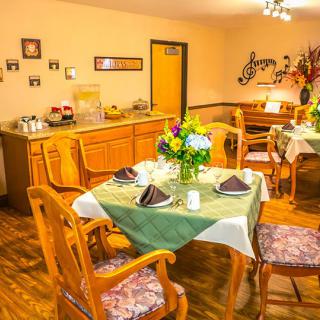
- The food is great and the people are great.
- The staff are informative, friendly, and knowledgeable.
- They provide a roof, beds, three meals, and nurses who monitor medications.
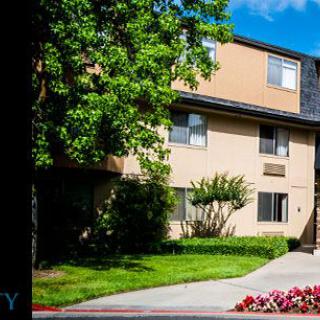
- The facility has a welcoming patio where residents can hang out.
Cons
 There was no one to greet visitors.
- There was no guidance for visitors, so they wandered around.
- Bedbugs were present, and a family member was bitten.
- Cockroaches were found in a dresser.
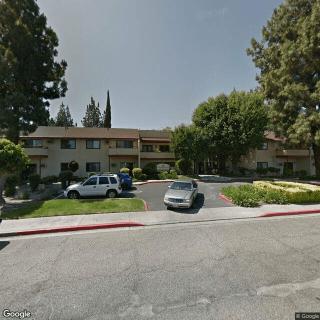
- The building was old and in need of painting, and some rooms lacked in-room restrooms.
- Meals often consisted of only sandwiches for dinner.
Review
Las Palmas Estates in Turlock is best suited for seniors who mainly need steady medication support, regular meals, and companionship in a straightforward, budget-conscious setting. It works as a practical stepping-stone for residents who want basic daily care without the expense or formality of a higher-end facility. Families drawn to Medi-Cal eligibility and predictable routines will find value in its approachable price and the sense that care is stabilizing, provided expectations stay modest regarding building condition and level of supervision. In short, it serves well for those who prioritize essential care over pristine amenities or aggressive clinical oversight.
Those who may want to consider alternatives include families seeking consistently robust supervision, a pristine environment, and a staff structure that feels actively present at all hours. The combination of an older building, occasional lapses in visitor guidance, and reports of pests or unresolved resident needs can be red flags for anyone evaluating continuing, intensive support. If a resident requires thorough, proactive behavioral or clinical management, or if a stress-free, modern atmosphere is non-negotiable, another option may deliver more peace of mind. Even families craving seamless, highly organized admissions and tours should look elsewhere.
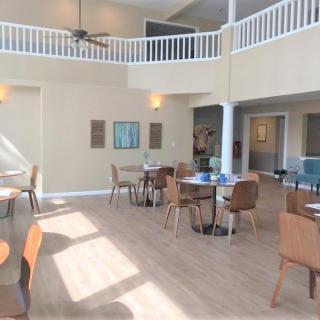
On the upside, the core advantages are real and repeatedly cited: friendly staff, tangible medication monitoring, and reliable daily meals that provide basic nutrition with some variety. Several residents and families express gratitude for care that feels personal, where a roof, bed, and regular nursing oversight create a predictable routine. The facility also accommodates mobility needs and offers a patio space for residents to socialize outdoors. For residents who prioritize social connection and routine in a low-pressure setting, these elements translate into meaningful stability and a sense of belonging.
Yet the cons carry considerable weight in decision-making. Visitors report a confused, minimally guided arrival experience, with little signage or greeters to ease initial contact. That disorganization speaks to broader questions about day-to-day operations and responsiveness. Dated infrastructure stands out in several reviews, including reports of an older interior, limited in-room bathrooms, and occasional pest concerns like bedbugs and cockroaches. The dining picture is uneven, with some meals described as satisfying and others as less nourishing, including instances of repeated sandwich dinners. More troubling are comments about residents who appear to need closer supervision and higher-level behavioral or health oversight, raising red flags for families seeking steady care.
When weighing pros against cons, the overall math is nuanced but points toward caution. The valued aspects, capable medication management, friendly staff, and affordable, Medi-Cal-compatible care, can offset a portion of the limitations for the right person. However, the combination of a worn facility, pest incidents, inconsistent meals, and perceived gaps in supervision undermines trust and long-term satisfaction for many families. The decision hinges on which elements matter most: if reliability of care and a modern, welcoming environment are non-negotiable, Las Palmas Estates may fall short. If affordability, basic structure, and social opportunities trump those factors, it can still make practical sense, especially as a bridge to higher levels of care when needed.
For a well-informed commitment, pursue diligence over impressions. Tour with a checklist: inspect room configurations and whether bathrooms are inside the unit; verify ongoing pest remediation measures and recent health inspections; confirm staffing patterns during peak hours; evaluate consistency of meals and the availability of engaging activities beyond bingo and occasional parties; speak with current residents about daily supervision and responsiveness of caregivers; and request a transparent floor plan of care levels to ensure expectations align with capabilities. If the answers align with comfort and budget, Las Palmas Estates can function as a solid, affordable option. If not, families should press for stronger oversight elsewhere or seek facilities with more modern infrastructure and a proven track record of comprehensive resident supervision.
 89 resident community capacity
 Assisted Living
 Memory Care
 Respite Care
 Activities on-site
 Air-conditioning
 Beauty salon
 Cable or satellite TV
 Computer center
 Devotional services off-site
 Dining room
 Fitness room
 Fully furnished
 Gaming room
 Garden
 Housekeeping services
 Indoor common areas
 Kitchenette
 Move-in coordination
 Outdoor space
 Private bathrooms
 Restaurant-style dining
 Small library
 Telephone
 Wellness center
 Wi-Fi/high-speed internet available
 Modesto City-County-Harry Sham (10 miles away)
 Community operated transportation
 12-16 hour nursing
 24-hour call system
 Ambulatory care
 Assistance with bathing
 Assistance with dressing
 Assistance with transfers
 Diabetes diet
 Diabetic care
 Medication management
 Mental wellness program
 Special dietary restrictions
 Concierge services
 Planned day trips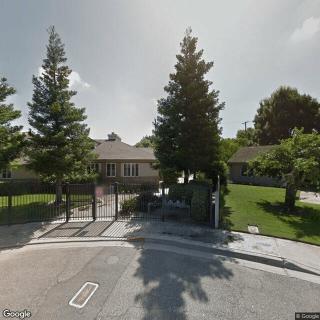




 Why Do Dementia Patients Sleep So Much? Understanding Oversleeping, Stages, and Care Approaches
 8 Key Indicators That Suggest It May Be Time to Transition from Assisted Living to Skilled Nursing Care
 Nourishing the Mind: Essential Dietary Approaches for Dementia