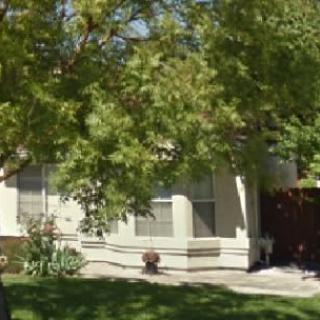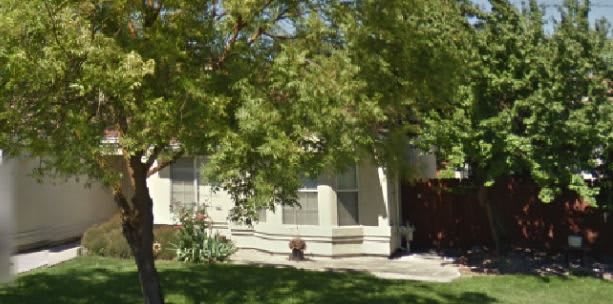
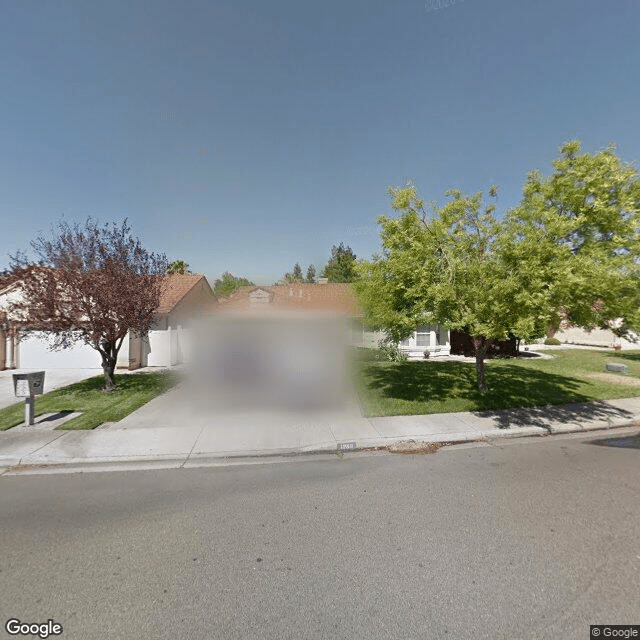
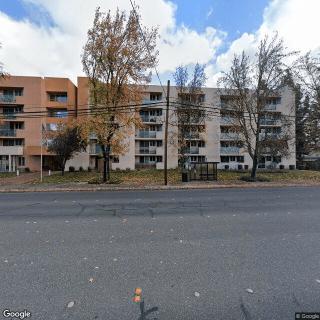
1259 Joett Drive, Turlock, CA 95380
For more information about senior living options: (866) 208-4318
Golden Age Living Turlock Costs & Pricing
Golden Age Living Turlock offers competitive pricing in the context of Stanislaus County and the broader state of California. For a semi-private room, residents can expect to pay $3,800 per month, which is notably higher than the county average of $3,241 but remains lower than the statewide average of $3,333. Both the 1-bedroom and private room options are priced at $4,200 per month, aligning with or slightly exceeding local and state rates - Stanislaus County averages for these room types are $3,685 and $3,754 respectively while California averages stand at $4,340 and $3,939. This pricing structure indicates that while Golden Age Living Turlock's costs may be higher for certain accommodations compared to county figures, they align closely with state trends overall.
| Floor plans | Golden Age Living Turlock | Stanislaus County | California |
|---|---|---|---|
| Semi-Private | $3,800 | $3,241 | $3,333 |
| 1 Bedroom | $4,200 | $3,685 | $4,340 |
| Private | $4,200 | $3,754 | $3,939 |
Memory care communities with a similar price nearby
-
from -$600 / mo
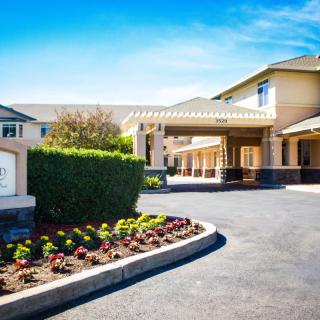
Stratford at Beyer Park
$3,200 to $4,595 / month14.0 miles away -
from -$155 / mo

Cogir of Turlock
$3,645 to $4,780 / month1.4 miles away -
from -$200 / mo
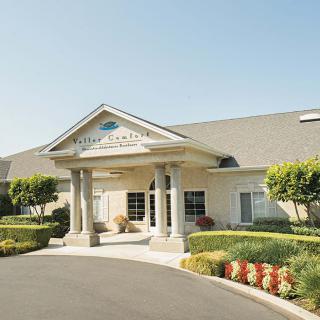
Valley Comfort Assisted Living
$3,600 to $4,500 / month15.7 miles away -
About the same
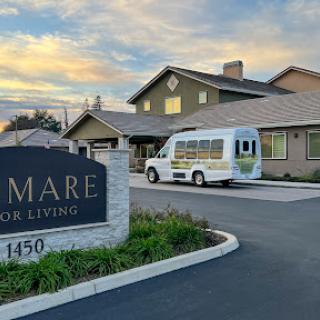
Belmare Senior Living
$3,900 to $5,395 / month19.1 miles away -
from +$195 / mo
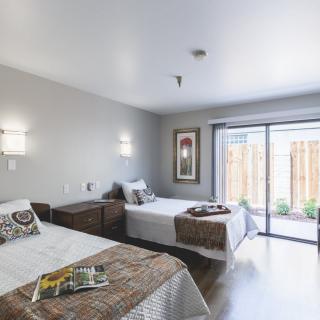
Orangeburg Memory Care
$3,995 to $5,100 / month12.7 miles away
Overall Review of Golden Age Living Turlock
Pros
 Golden Age provides highly personalized care that stands out from traditional long-term care facilities.
- The caregivers are kind, attentive, and genuinely caring.
- The team knows the residents well and can sense when something isn’t right with their medical condition.
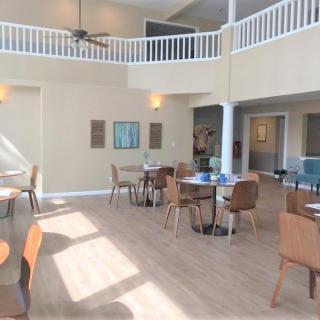
- The home is well-maintained, well-furnished, and very clean.
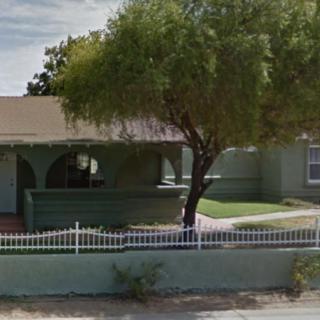
- The houses are modern, comfortable, and create an incredible home care environment.
- Golden Age is described as the best place in town and is highly recommended.
Review
Golden Age Living Turlock is best suited for seniors who value a small, home-like setting where caregivers know residents personally and care is highly individualized over time. This community shines for families seeking continuity of care, a warm, family-attitude environment, and a clean, well-maintained home atmosphere rather than a large, institutional campus. It fits residents who don’t require around-the-clock medical interventions but do benefit from attentive supervision, quick recognition of changes in health, and daily interactions with a dedicated team that treats a resident as part of the family. For those prioritizing a spacious campus with extensive on-site clinical services, this setting may feel too intimate or limited.
The strongest draw is the real, observable investment in personalized care. Reviews repeatedly highlight staff who are kind, attentive, and deeply invested in residents’ well-being. One family member lived there for five years and reflects a level of care that feels more tailored and proactive than traditional long-term care, with caregivers who understand when something is off and respond with appropriate attention. The sense that staff “know” the resident translates into faster adjustments in care plans, better communication with families, and a comfort level that reduces anxiety around daily living and medical changes. The homes themselves reinforce this with modern, comfortable furnishings and a clean, well-kept environment that supports dignity and independence within a supportive framework.
Where this model excels, it does so in ways that offset typical critiques of smaller care settings. The emphasis on a home-like culture can mean fewer people, less noise, and more meaningful social connections, which often leads to a stronger sense of belonging and safety. The continuous presence of familiar caregivers can offset any desire for a more formal, activity-driven calendar found at larger campuses. In practice, the same staff who know residents’ routines are also quick to notice subtle shifts in health or mood, enabling timely interventions. The result is a living experience that prioritizes comfort, autonomy, and authenticity over sheer volume of services, with cleanliness and upkeep reinforcing the peace of mind essential to daily life.
For families evaluating day-to-day realities, this community stands out for its qualitative strengths: consistent warmth, a dependable caregiving team, and a home environment that emphasizes respect and personal dignity. The modern, comfortable houses contribute to ease of transition for residents moving from independent living or from more clinical settings. The living spaces and the overall presentation signal a deliberate choice to cultivate a respectful, non-institutional feel while maintaining solid supervision and support. The trade-off is clear: a more intimate setting may mean fewer formal programs and a narrower array of on-site therapies than larger campuses, but the payoff is a deeper sense of belonging and steadier, more personalized care.
Those who should consider alternatives are residents with high medical acuity requiring continuous, on-site nursing or specialized units, extensive rehab services, or a large, structured activity calendar. Families prioritizing a broad spectrum of clinical services, memory-care programming, or a campus with multiple levels of care in one location may find a larger community better aligned with long-term plans. Budget considerations and location preferences also factor in; if the goal is a bustling, urban environment or a setting with expansive on-site therapeutic offerings, alternatives may deliver more of what is sought in daily life. The key is matching expectations: if warmth, continuity, and a home feel outweigh the need for scale, this option remains highly compelling.
When visiting, prospective families should focus on practical confirmations: speak with current staff about turnover and continuity, observe interactions to gauge the depth of resident-staff relationships, probe the availability of medical oversight and emergency response, and review how transitions between levels of care are managed. Ask about licensing compliance, safety features in the homes, and the transparency of daily routines and care plans. If the aim is a tightly knit, family-style living with highly personalized attention, Golden Age Living Turlock delivers decisively. For families prioritizing robust clinical complexity and a large activity ecosystem, it’s prudent to compare with alternatives that foreground those capabilities. Overall, for the right fit, this community offers a rare blend of dignity, attentiveness, and genuine care that turns daily living into something distinctly supportive and humane.
 6 resident community capacity
 Assisted Living
 Board and Care Home
 Memory Care
 Cable or satellite TV
 Dining room
 Fully furnished
 Garden
 Housekeeping services
 Move-in coordination
 Outdoor space
 Private
 Telephone
 Wi-Fi/high-speed internet available
 Modesto City-County-Harry Sham (10 miles away)
 24-hour supervision
 Activities of daily living assistance
 Assistance with bathing
 Assistance with dressing
 Assistance with transfers
 Diabetes diet
 Diabetic care
 Meal preparation and service
 Medication management
 Special dietary restrictions
 Transportation arrangement (medical)
 Transportation to doctors appointments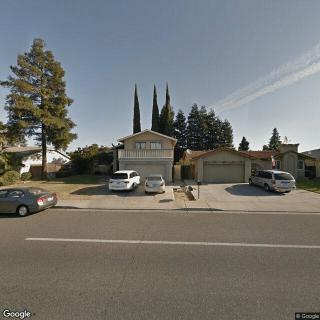


 8 Important Indicators That Memory Care May Be Necessary
 Delving into the Inner World of Dementia: Insights into Thoughts and Awareness
 Five Subtle Dementia Indicators to Observe: An In-Depth Guide to Understanding “Does My Mom Have Dementia?”