
2400 Cypress Point Drive, Turlock, CA 95380
For more information about senior living options: (866) 208-4318
Overall Review of Cottage Park
Pros
 The aide did show up to assist when called.
- The reviewer expresses care for patient welfare by emphasizing proper setup and equipment.
- The review highlights the importance of timely, responsive communication in patient care.
- The situation signals a commitment to improving staffing and ward readiness for better patient experiences.
Cons
 There are not enough nurses or aides.
- There is no communication.
- Patients are moved to different wards without proper setup.
- There was a 30-minute wait for someone to respond to the call button.
- The aide was upset because the bathroom was not equipped with a raised toilet seat.
- That is no way to treat patients.
Review
Cottage Park in Turlock, CA is best suited for residents who are largely independent and do not require steady, hands-on nursing supervision, as well as for families operating under tight budget constraints who must prioritize location and cost over consistently high-touch care. The community’s apparent strengths, whatever they may be in other contexts, are not evidenced in the current experience, which centers on staffing gaps and deficient communication. In practical terms, this setting works for someone who can manage with limited daily intervention and who does not rely on prompt, reliable help for basic needs.
Those evaluating options for loved ones who require regular nurse support, timely assistance, or clear, proactive communication should consider alternatives. The absence of sufficient nursing and aide coverage, plus the lack of consistent communication, creates ongoing risk for residents who need monitoring, timely aid, or assistance with transfers and daily activities. For families who expect a predictable routine, properly coordinated ward assignments, and a responsive staff, Cottage Park becomes a poor fit. In short, this is not a good match for anyone with mobility limitations or chronic care needs.
From the evaluation available, there are no evident positives that offset the core drawbacks. The only reasonable inference is that the community might offer the basic amenities expected in a lower-cost setting, but those potential advantages do not counterbalance the critical failures in care delivery. The absence of documented strengths, whether in meals, activities, cleanliness, or safety protocols, makes it hard to see how affordability or location can compensate for persistent understaffing and communication breakdowns. The practical takeaway is that the value proposition collapses when care reliability is compromised.
Safety and daily living quality take the hit first. A resident waiting 30 minutes for assistance after using the call button signals a real danger of falls, dehydration, or unmanaged medical issues. Moving patients to different wards without proper setup invites confusion, improper equipment, and disrupted care plans, all of which heighten the risk of adverse events and medical complications. The lack of timely responses combined with staff frustration around logistics creates an environment where basic respect and dignity for residents are jeopardized. The specific incident regarding an unraised toilet seat is a tangible reminder that essential accessibility features are not consistently provided, further undermining safety and comfort.
The path to a sound decision starts with tough, targeted questions. Prospective families should demand concrete staffing metrics, nurse-to-resident ratios, aide availability, overtime frequency, and how shifts are staffed. Inquire about transfer and ward-change protocols, including who authorizes moves, how families are notified, and how setup and admissions are handled on arrival. Seek transparency on how injuries or near-misses are investigated and what corrective actions follow. Finally, request to tour the facility with the administrator, speak with the director of nursing if possible, and speak candidly with current residents or their families about responsiveness, communication, and overall care quality. If the answers are evasive or reveal chronic gaps, alternatives should be pursued aggressively.
In the end, Cottage Park should be approached with a clear caution flag. It is not well-suited for seniors who require reliable, proactive care, rapid assistance, or consistent communication. For families weighing options, higher-staffing facilities with demonstrated responsiveness, robust care coordination, and a track record of safe ward management are the prudent path. If affordability and location are non-negotiable, explore alternatives that offer verifiable staffing standards and transparent operations, and treat Cottage Park as a last-resort choice rather than a primary option.
 6 resident community capacity
 Active Adult Communities (55+)
 Telephone
 Wi-Fi/high-speed internet available
 Modesto City-County-Harry Sham (9 miles away)
 Assistance with dressing
 Meal preparation and service
 Medication management
 Diabetes diet
 Special dietary restrictions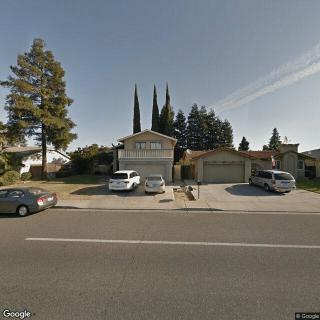


 Caring for Those Who Care: Recognizing, Understanding, and Overcoming Caregiver Burnout
 Caregiver Exhaustion: Recognizing the Signs and Restoring Your Well-Being
 Understanding Hospice Care at Home: Comprehensive Services, Key Benefits, and Eligibility