

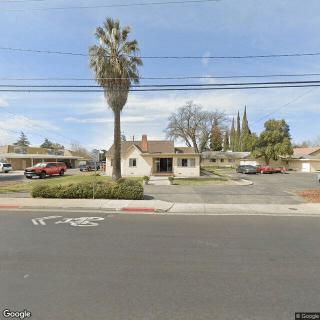
1101 East Tuolumne Road, Turlock, CA 95382
For more information about senior living options: (866) 208-4318
Turlock Residential Costs & Pricing
Turlock Residential offers competitive pricing for its services compared to both Stanislaus County and the broader California market. For a semi-private room, residents can expect to pay $2,300 per month, significantly lower than the county average of $3,241 and the statewide average of $3,333. Similarly, for those opting for a studio unit, Turlock Residential's rate of $2,950 is more affordable than the county's average of $3,925 and the state's average of $4,145. This makes Turlock Residential an appealing choice for individuals seeking quality housing options while being mindful of their budget in both local and state contexts.
| Floor plans | Turlock Residential | Stanislaus County | California |
|---|---|---|---|
| Semi-Private | $2,300 | $3,241 | $3,333 |
| Studio | $2,950 | $3,925 | $4,145 |
Assisted Living communities with a similar price nearby
-
from +$100 / mo
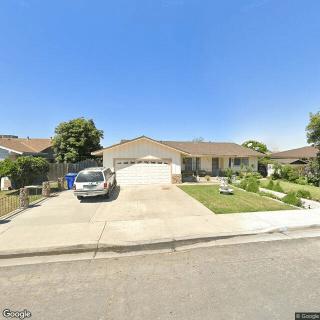
Christina's Home Care
$2,400 / month7.3 miles away -
from +$225 / mo
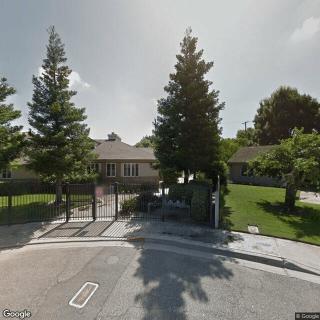
Covenant Retirement Communi
$2,525 to $4,000 / month0.3 miles away -
from +$200 / mo
Hospitality House
$2,500 to $4,200 / month19.5 miles away -
from -$105 / mo
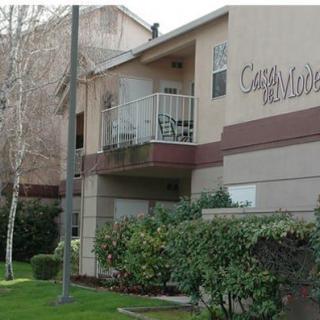
Casa De Modesto
$2,195 to $3,495 / month13.5 miles away -
from +$400 / mo

Aspen Ville Co
$2,700 / month19.5 miles away
Overall Review of Turlock Residential
Pros
 The facility is very nice and clean.
- The staff are friendly and attentive to residents' needs.
- They offer decent prices and are highly recommended.
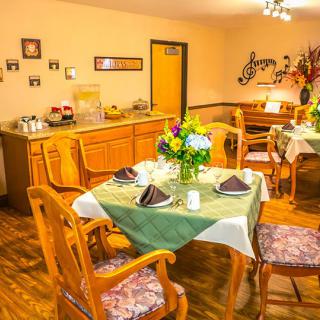
- The staff and the facility are awesome; the resident loves it here and loves the food.
- Hospice services were very good, and the housekeeping staff stood out as very kind.
- The nurses and staff were very kind and friendly to both residents and families; they did a wonderful job.
- The care provided to residents is described as the most caring, kind, and compassionate.
- The staff were caring and attentive, and residents felt safe and comfortable.
- The facility has a good variety of activities and is well organized.
Cons
 This place is under new management and it is terrible.
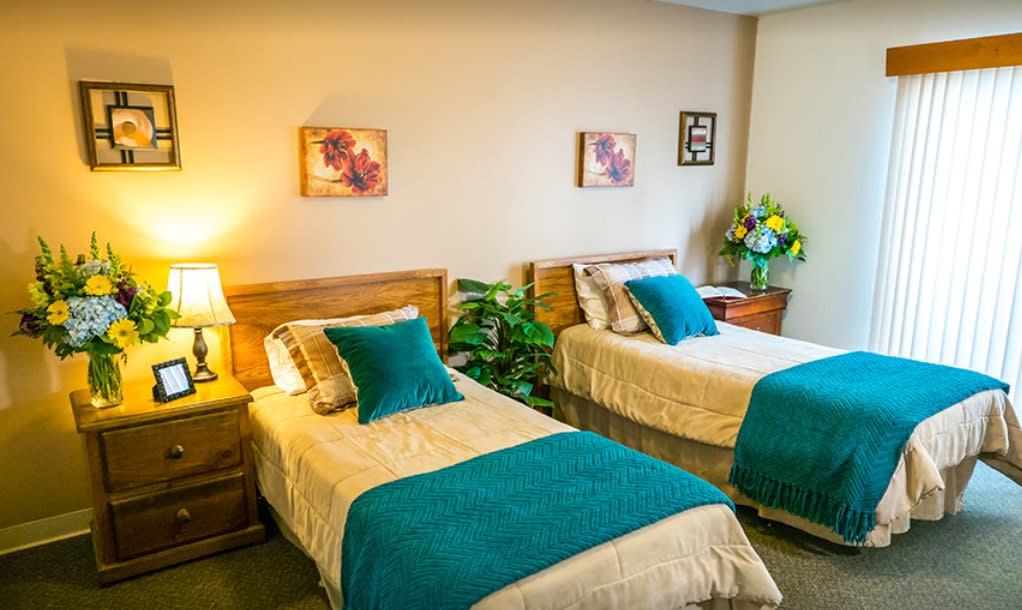
- Tiny rooms, dirty carpets in rooms, no paper towels in bathroom only hand towels, patients smoking in rooms and hallway.
- Management very stoic.
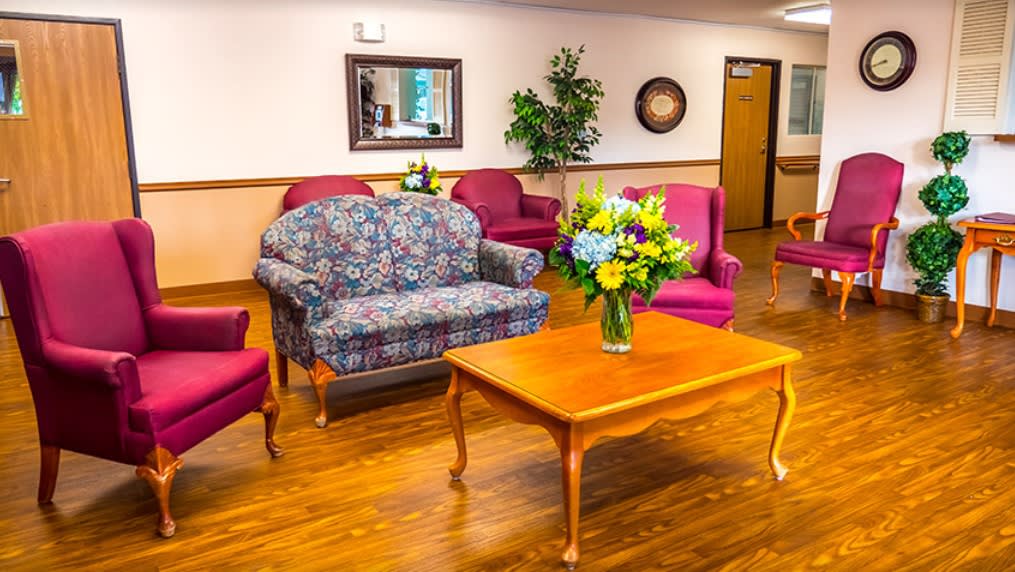
- Most of the residents were all sitting out in the lobby in their wheelchairs asleep. Strictly custodial care.
Review
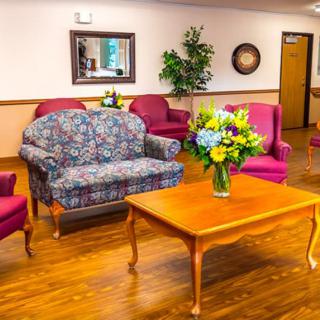
Turlock Residential is best suited for families seeking a clean, welcoming, and reasonably priced option where staff warmth and daily reassurance matter most. The community tends to deliver on the basics: a neat, well-kept environment, friendly front-line teams, and a kitchen that earns a compliment or two from residents and families. For families prioritizing dependable routine, accessible pricing, and a homey feel over high-end luxury, this facility often checks the right boxes. The strongest signals point to genuine resident focus: attentive aides, nurses who know the residents, and a visible emphasis on making people feel welcome. When the goal is consistent daily life, predictable schedules, and staff who can be counted on to respond, this site consistently lands as a practical, solid choice.
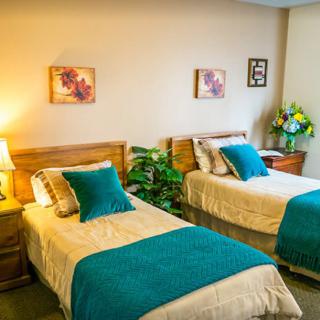
That said, there are clear reasons some families should look at alternatives. Several reviews flag a shift in leadership and uneven experiences as a core risk, with accounts of new management feeling distant and less responsive. Room sizes appear cramped in multiple comments, and issues like dirty carpets, lacking bathroom supplies, and even smoking in rooms or hallways surface as ongoing quality concerns. One late-night, non-emergency call about a doctor’s orders raises questions about communication protocols and respect for family boundaries. For families that demand robust clinical oversight, fully modern accommodations, or a consistently upbeat management presence, these red flags suggest exploring other communities where leadership and environmental standards are more reliably aligned.
The core positives, cleanliness, approachable staff, and accommodating owners, do not vanish in the face of these drawbacks. When the team is at its best, residents feel seen and cared for, with a level of attentiveness that translates into timely responses to issues and a genuine sense of welcome for visiting family members. Hospice and housekeeping experiences, in particular, emerge as bright spots, underscoring a compassionate ethos in daily care and in end-of-life support. Families repeatedly acknowledge the friendliness of the team and the willingness of staff to accommodate special requests, which helps offset occasional gaps in the physical plant or organizational hiccups. The activities calendar and the sense that residents have opportunities to engage offer real value for those who fear isolation.
However, the gap between strong personal care and inconsistent management creates an uneven overall impression. Several reviews describe moments of disorganization (a missed or poorly handled tour, uncertainty about who is responsible on a given day, or staff who seem stoic rather than engaged). These moments matter, especially for new residents or families entering a transition with high emotional stakes. The care culture can feel custodial rather than clinical, which is acceptable for many but a non-starter for those seeking more intensive medical services and proactive care management. The contrast between praise for kind, dedicated aides and criticism of governance highlights a facility that can perform at a high level in the right hands, yet risks slipping when leadership is not consistently engaged.
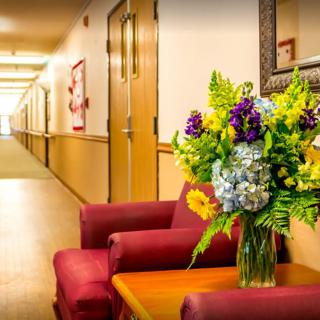
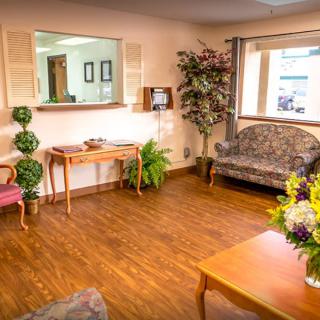
Environment and social life stand as a meaningful differentiator. The community earns praise for a friendly atmosphere and a variety of activities, which helps residents stay connected and engaged. Families report that their loved ones enjoy meals and the general sense of community, which reduces the sense of abandonment that can accompany aging in place. Yet there are times when observations of residents sitting idly in the lobby or reports of routine routines lacking spark temper the overall warmth. This tension, between a welcoming, homey environment and occasional disengagement, means the experience hinges on daily staff energy and effective activity planning. For families who want visible daily engagement, this can be a strong point, but it should be verified during a live visit.
In the final tally, the decision comes down to fit and expectations. If a senior’s care needs are largely custodial, with an emphasis on companionship, routine, and a pleasant day-to-day atmosphere, Turlock Residential can deliver meaningful value at a reasonable price. If, however, a family requires robust clinical oversight, larger, more private accommodations, or a consistently high-energy leadership presence, it is prudent to screen other communities first. Prospective residents should ask pointed questions: who is the administrator now, and what is the plan for maintaining continuity after leadership changes? what are exact room dimensions and available configurations, and can better options be supplied if needed? request a current menu sample and a real-week activity schedule; inquire about smoking policies, housekeeping standards, and after-hours communication protocols. A second, in-person tour at different times will reveal whether the warmth that families praise is present across shifts. In this light, Turlock Residential is a solid, practical option for many, but not universally ideal, especially for those who demand consistently high-level clinical care and unwavering management engagement.
 49 resident community capacity
 Assisted Living
 Independent Living
 Activities on-site
 Air-conditioning
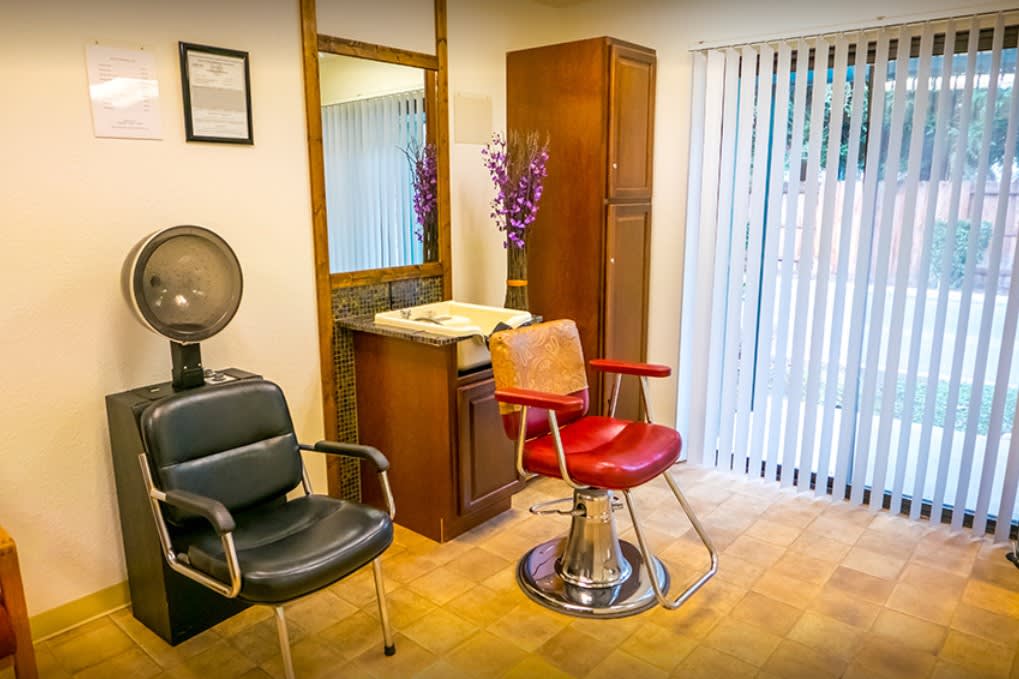
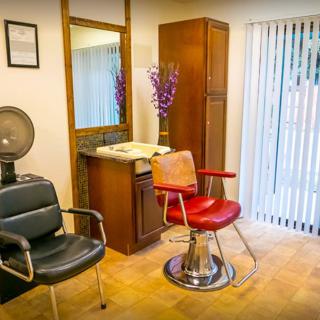
 Beautician on-site
 Cable or satellite TV
 Continuing learning programs
 Devotional services off-site
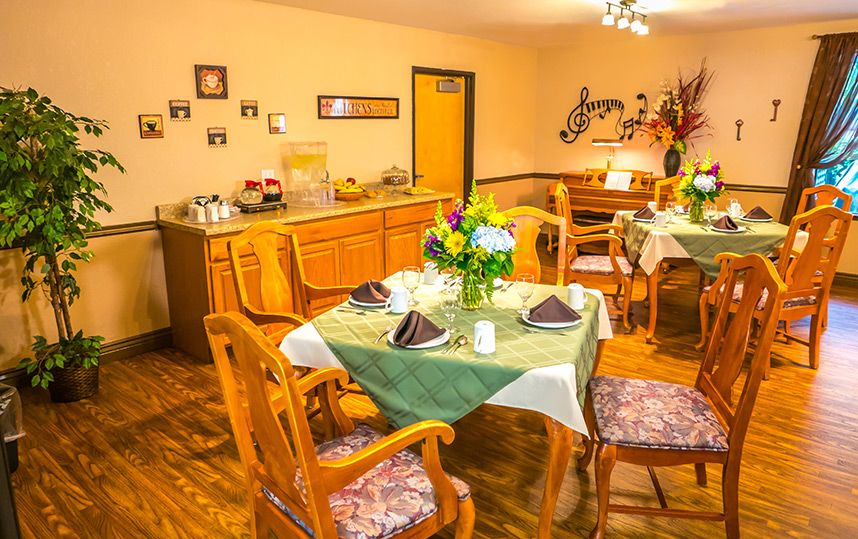
 Dining room
 Family education and support services
 Fully furnished
 Garden
 Ground floor units
 Housekeeping services
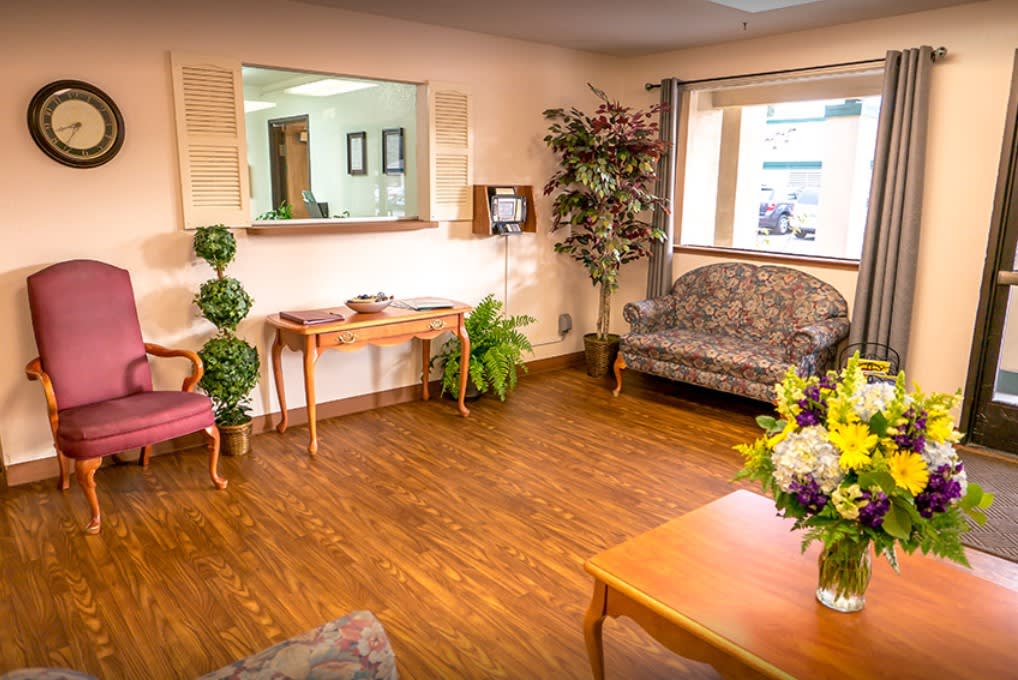
 Indoor common areas
 Kitchenette
 Move-in coordination
 Outdoor patio
 Outdoor space
 Respite or short term stays offered
 Small library
 Telephone
 Wheelchair accessible showers
 Wi-Fi/high-speed internet available
 Modesto City-County-Harry Sham (10 miles away)
 Transportation arrangement
 12-16 hour nursing
 24-hour call system
 Accept incoming residents on hospice
 Administer insulin injections
 Ambulatory care
 Assistance with bathing
 Assistance with dressing
 Assistance with transfers
 Care with behavioral issues
 Diabetes diet
 Incontinence care
 Meal preparation and service
 Medication management
 Mental wellness program
 Mild cognitive impairment
 Physical therapy
 Same day assessments
 Special dietary restrictions
 Transportation arrangement (medical)
 BBQs or picnics
 Birthday parties
 Day trips and outings
 Happy hour
 Live dance or theater performances
 Live musical performances
 Stretching classes
 Trivia games


 Social Security Benefits and Assisted Living: Navigating Options Across the U.S.
 An Extensive Exploration of the VA Aid and Attendance Benefit
 Senior Transition Services: Understanding Their Role, Cost, and Importance