Tlc Guest Home 1

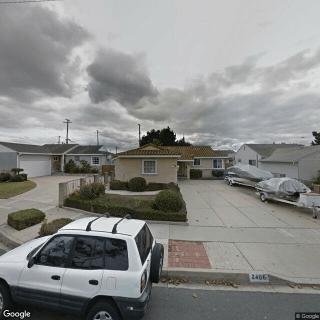
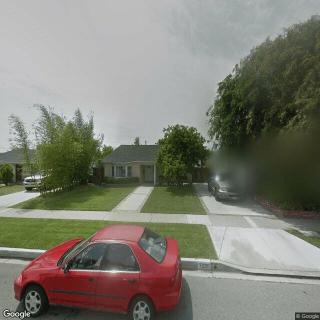
18309 Fairview Lane, Torrance, CA 90504

For more information about senior living options: (844) 490-3973

3.7 from 3 reviews
5 stars
2
4 stars
0
3 stars
0
2 stars
0
1 stars
1

Assisted Living Board and Care Home

What level of care are you interested in?

Assisted Living

Memory Care

Independent Living

Skilled Nursing Facility

Continuing Care Retirement Community (CCRC)CCRC

Other


Request a tour at Tlc Guest Home 1

    Overall Review of Tlc Guest Home 1

    Pros

    • pro Beautiful Homes' professionalism and attentiveness in its South Bay senior living facilities are highly impressive.
    • pro The staff is described as compassionate and dedicated, using up-to-date technology to provide personalized care tailored to each resident's emotional, mental, and physical needs.
    • pro The care providers' expertise and commitment to operational excellence shine through.
    • pro The reviewer feels confident in Beautiful Homes' ability to meet the demands of senior living.
    • pro The facility comes highly recommended.

    Cons

    • pro The mother became bedbound for nearly a week after medication adjustments that caused tremors and reduced mobility.
    • pro A visible bruise near the mother's eye went unreported to the family, and staff could only call the cause "unknown."
    • pro The facility changed staff to a male house manager, Jun, without timely notification to the family.
    • pro Jun was frequently absent during unannounced visits, reportedly running errands and leaving residents unsupervised.
    • pro The mother's haircut occurred without notice or consent and looked uneven and unprofessional.
    • pro Residents reported negative interactions with the house manager, suggesting problematic staff conduct.
    • pro The contract contains an arbitration clause that limits legal recourse and precludes civil litigation.
    • pro Activities were minimal, with residents typically indoors and little outdoor access or structured engagement.
    • pro The hospice recommendation by Jun conflicted with a mobile physician's assessment, indicating questionable medical guidance.

    Review

    The account paints a largely favorable first impression of Beautiful Homes' operations in the South Bay, highlighting the facility's professionalism, attentiveness, and use of current technology to support personalized care. The reviewer praises the staff's compassion and dedication, the expertise of care providers, and what is described as a strong commitment to operational excellence. In short, the Cerise location is portrayed as a place that would inspire confidence in its ability to meet the complex emotional, mental, and physical needs of residents with dementia. The reviewer begins with an unequivocal, positive sentiment and a high level of trust in the facility, noting that the experiences described below are based on firsthand observations at the Cerise location where the mother, who has Alzheimer's disease, was admitted in September 2024.

    The narrative moves into the September 2024 admission, describing the mom as initially ambulatory, verbally communicative, and able to feed herself independently. The reviewer notes that she could walk to a nearby park - roughly a one-mile roundtrip - without assistance or incident, and that two female caregivers were present at the time of admission. This opening snapshot reinforces the impression of a supportive, engaged environment at the outset, where the resident's independence and mobility were intact and watched over by multiple caregivers.

    As time progressed into October and November 2024, concerns begin to surface regarding changes in staff and the management of care. The reviewer describes the onset of incontinence and the arrival of a male house manager named Jun who assumed a supervisory role. A key issue raised during this period is a lack of transparency: there were no reported issues with bathing, yet the reviewer states that they were not notified of the staff change until after it had been completed. The sense conveyed is one of a shift in personnel and supervisory oversight that occurred without timely communication to family members.

    December 2024 marks a turning point in the reviewer's narrative, with Jun requesting an in-person meeting to advocate for hospice care due to difficulties with incontinence care. The family consulted the mother's mobile physician, who deemed hospice care inappropriate for the resident. In response, arrangements were made for more regular visits by the mobile doctor, signaling a shift toward greater clinical oversight and a re-evaluation of the care plan in light of the physician's assessment.

    The concerns deepen in January 2025 when the reviewer observes a visible bruise near the mother's eye during a visit. There was no prior notification of the injury, and when questioned, staff reportedly could only offer the cause as "unknown." A physician who reviewed a photo estimated the bruise to be three to four days old at the time it was taken. The incident was reported to Los Angeles County, with an upcoming ombudsman visit scheduled for late March, underscoring ongoing concerns about incident reporting and external oversight.

    February 2025 introduces further tension around incontinence management and medication decisions. Staff continued to raise concerns about the mother during diaper changes, and additional medication was introduced following recommendations from Jun and a caregiver named Sarita. In contrast, the weekend caregiver, who had been present since September, stated she did not have difficulty with incontinence care and did not observe problematic behavior. Sarita noted improvement by the end of February, while Jun claimed the behavior remained unchanged, highlighting a rift in perceptions among staff and between staff and the reviewer.

    March 2025 brings a different set of challenges tied to the medication regimen. After adjustments, the mother became bedbound for nearly a week, and the prescribing physician reduced the dosage after tremors were observed and mobility was affected. During this period, she sustained a knee bruise, for which the reviewer was notified. The combination of tremors, reduced mobility, and new injuries contributes to a sense of instability and heightened risk associated with pharmacological management.

    Beyond the timeline of medical and caregiving events, the reviewer shares several additional observations that shape the overall impression of the Cerise facility. The decision to select a board-and-care setting was made with the expectation of a more home-like atmosphere and a higher caregiver-to-resident ratio. However, during unannounced visits, the house manager Jun was frequently not present or reportedly "running errands," raising questions about consistent supervision and accountability. Personal-care details also come under scrutiny: the mother's hair was cut without prior notice or consent and appeared uneven and unprofessional, a small but telling indicator of the level of resident-centered attention.

    The review also situates Cerise within the broader context of the facility's community. The mother was described as the second resident after a renovation, with another resident named Tracy recounting negative interactions with the house manager, suggesting that staffing tensions and interpersonal conflicts may have been recurring issues. The contract itself includes an arbitration clause, limiting legal recourse and precluding civil litigation, with the reviewer noting that each facility is operated as a separate legal entity. This contractual framework, coupled with the observed care dynamics, contributes to a perception of limited pathways for redress or formal dispute resolution.

    Finally, while an activities calendar exists, the reviewer characterizes daily life for residents as largely indoors with minimal engagement or outdoor access, and with only sporadic participation in activities during the earlier months. Taken together, the review blends an initial endorsement of professionalism and care with a series of troubling episodes - staff turnover and communication gaps, potential safety concerns, perceived inconsistencies in behavior management, medication-related adverse effects, and constraints within the facility's governance structure - that collectively raise questions about the overall quality and safety of residents' day-to-day experiences at Cerise. The narrative thus presents a portrait of a facility that began with strong assurances of compassionate care but evolved into a candid warning about overt and nuanced shortcomings that could affect vulnerable residents.

    Features

    Housing

    • 6 resident community capacity 6 resident community capacity

    Types of Care

    • Assisted Living Assisted LivingAssisted living facilities provide crucial support and care for seniors who may need help with daily tasks such as medication management, bathing, and meal preparation. These communities offer a safe and comfortable environment where seniors can maintain their independence while receiving the assistance they need to thrive in their golden years.
    • Board and Care Home Board and Care HomeBoard and care homes provide a smaller, more intimate setting for seniors who require assistance with daily tasks but do not need the level of care offered by a nursing home. They offer personalized care, meals, and social activities in a homelike environment, ensuring that seniors receive individualized attention and support in their golden years.

    Amenities

    • Cable or satellite TV Cable or satellite TVCable or satellite TV is important for seniors because it provides entertainment, news, and companionship, helping to combat loneliness and boredom. It also offers a wide range of programming options tailored to different interests and preferences.
    • Dining room Dining roomDining rooms are important for seniors as they provide a space for socialization, connection, and nutritious meals. They offer opportunities for residents to bond over shared meals, foster a sense of community, and promote healthy eating habits. Dining rooms also ensure that seniors have access to well-balanced meals tailored to their dietary needs and preferences.
    • Fully furnished Fully furnishedFully furnished senior living communities are important for seniors because they provide convenience, comfort, and a hassle-free moving experience. Seniors can easily settle into their new living space without the stress of having to buy and move furniture. This allows them to focus on enjoying their new home and community.
    • Garden GardenGardens are important for seniors as they provide a peaceful and therapeutic environment for relaxation, physical activity, and socialization. Being in nature has been shown to reduce stress, improve mood, and promote overall well-being. Gardens also offer opportunities for seniors to engage in gardening activities, which can improve mobility, flexibility, and cognitive function. Additionally, gardens create a sense of community and connection with others who share a passion for plants and outdoor spaces.
    • Housekeeping services Housekeeping servicesHousekeeping services are important for seniors because they help maintain a clean and safe living environment, promote independence, and reduce the risk of accidents or illnesses. Additionally, having assistance with household chores can alleviate physical strain and allow seniors to focus on other aspects of their well-being.
    • Move-in coordination Move-in coordinationMove-in coordination is important for seniors because it helps ease the transition into their new living environment. It ensures that all logistics, such as packing, organizing movers, and setting up utilities are taken care of, allowing seniors to focus on settling in and adjusting to their new home. Having a smooth move-in process can alleviate stress and anxiety, making the transition smoother and more enjoyable for seniors.
    • Outdoor space Outdoor spaceOutdoor spaces are important for seniors as they provide opportunities for physical activity, social interaction, exposure to natural light and fresh air, and a sense of connection to nature. Having access to outdoor spaces can improve overall well-being and quality of life for older adults living in senior communities.
    • Telephone TelephoneTelephones are important for seniors as they provide a lifeline for communication with loved ones, emergency services, and healthcare providers. They offer a sense of security and independence, enabling seniors to stay connected and access assistance when needed.
    • Wi-Fi/high-speed internet available Wi-Fi/high-speed internet availableWi-Fi/high-speed internet is important for seniors to stay connected with loved ones, access online resources, and participate in virtual activities to combat feelings of loneliness and isolation. It also allows them to easily manage healthcare needs, access entertainment, and engage in lifelong learning opportunities.

    Transportation

    • Los Angeles International (8 miles away) Los Angeles International (8 miles away)
    • Long Beach (Daugherty) (10 miles away) Long Beach (Daugherty) (10 miles away)
    • Burbank-Glendale-Pasadena (23 miles away) Burbank-Glendale-Pasadena (23 miles away)

    Care Services

    • 24-hour supervision 24-hour supervision24-hour supervision is important for seniors to ensure their safety, well-being, and access to immediate assistance in case of emergencies or health issues. This constant support provides peace of mind for both seniors and their loved ones, allowing them to age in place with dignity and security.
    • Activities of daily living assistance Activities of daily living assistanceActivities of daily living assistance are important for seniors because they provide essential support with tasks such as eating, bathing, dressing, and mobility. This assistance helps seniors maintain their independence, dignity, and overall quality of life as they age.
    • Assistance with bathing Assistance with bathingAssistance with bathing is crucial for seniors as it helps maintain personal hygiene, prevents infections, and ensures their overall well-being and comfort. It also provides a sense of dignity and independence for seniors who may struggle with this task on their own.
    • Assistance with dressing Assistance with dressingAssistance with dressing is important for seniors because it helps maintain their independence, promotes personal hygiene, prevents accidents and injuries, and improves overall quality of life. This service ensures that seniors can continue to dress comfortably and confidently, despite any physical limitations they may have.
    • Assistance with transfers Assistance with transfersAssistance with transfers is crucial for seniors as it helps prevent falls and injuries, maintains their independence, and ensures they can safely navigate their living environment. It also provides peace of mind for both seniors and their loved ones.
    • Coordination with health care providers Coordination with health care providersCoordination with health care providers is crucial for seniors to ensure proper medical care, medication management, and overall well-being. This collaboration helps prevent overlapping treatments, track progress more effectively, and provide comprehensive support tailored to individual needs.
    • Diabetes diet Diabetes dietA diabetes diet is crucial for seniors as it helps manage blood sugar levels, reduce risks of complications, and improve overall health and well-being. By following a balanced and nutritious diet tailored to their specific needs, seniors can better control their diabetes and enhance their quality of life.
    • Meal preparation and service Meal preparation and serviceMeal preparation and service are crucial for seniors as they may have limited mobility or energy to cook nutritious meals. Having access to healthy and convenient food options can ensure they are getting the proper nutrition needed to maintain their overall health and well-being.
    • Medication management Medication managementMedication management is crucial for seniors to ensure they are taking the right medications at the correct dosages and times. This helps prevent adverse drug interactions, reduces the risk of medication errors, and promotes overall health and well-being. Proactive management also allows for adjustments as needed based on changing health conditions or new prescriptions.
    • Special dietary restrictions Special dietary restrictionsSpecial dietary restrictions are important for seniors because age-related changes in metabolism and health conditions can make it difficult for their bodies to process certain foods. By following a diet tailored to their specific needs, seniors can maintain their overall health and well-being, manage chronic conditions, and reduce the risk of complications such as malnutrition or food interactions with medications.
    • Transportation arrangement (medical) Transportation arrangement (medical)Transportation arrangements for medical purposes are essential for seniors as they may have difficulty driving themselves to appointments or accessing public transportation. Having reliable and safe transportation options ensures that seniors can receive timely medical care and maintain their health and well-being.
    • Transportation to doctors appointments Transportation to doctors appointmentsTransportation to doctors' appointments is crucial for seniors as it ensures they have access to necessary medical care and support for their health needs. Without reliable transportation, seniors may struggle to attend important appointments, leading to potential delays in treatment and health complications. Providing transportation services helps seniors maintain their overall well-being and quality of life.
    Dining

    • Diabetes diet Diabetes dietA diabetes diet is crucial for seniors as it helps manage blood sugar levels, reduce risks of complications, and improve overall health and well-being. By following a balanced and nutritious diet tailored to their specific needs, seniors can better control their diabetes and enhance their quality of life.
    • Special dietary restrictions Special dietary restrictionsSpecial dietary restrictions are important for seniors because age-related changes in metabolism and health conditions can make it difficult for their bodies to process certain foods. By following a diet tailored to their specific needs, seniors can maintain their overall health and well-being, manage chronic conditions, and reduce the risk of complications such as malnutrition or food interactions with medications.

    Activities

    • Community-sponsored activities Community-sponsored activitiesCommunity-sponsored activities are important for seniors as they provide opportunities for social interaction, mental stimulation, and physical activity. These activities can help improve overall well-being, combat loneliness and isolation, and promote a sense of belonging and purpose among older adults.
    • Scheduled daily activities Scheduled daily activitiesScheduled daily activities are important for seniors because they provide structure, socialization, mental stimulation, and physical activity. Engaging in regular activities can improve overall well-being and quality of life for seniors living in a community setting.

    Description

    Tlc Guest Home 1 in Torrance, CA is a warm and inviting board and care home that provides exceptional care services for seniors. Our fully furnished home offers a comfortable and homelike environment for residents to enjoy.

    At Tlc Guest Home 1, we prioritize the well-being of our residents. Our caring staff assists with activities of daily living such as bathing, dressing, and transfers to ensure the comfort and safety of our residents. We also provide coordination with healthcare providers to address any medical needs or concerns.

    Our dining room serves delicious meals prepared according to special dietary restrictions, including diabetes diets. Residents can socialize and enjoy their meals together while maintaining a healthy lifestyle. In addition, housekeeping services are provided to ensure that our community remains clean and tidy at all times.

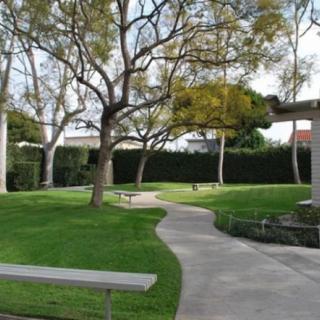
    We understand that staying connected with the outside world is important for our residents. That is why we offer Wi-Fi/high-speed internet access for them to browse the web or keep in touch with loved ones. Outdoor spaces are also available for residents to relax and enjoy some fresh air.

    To enhance our residents' quality of life, we schedule daily activities tailored to their interests and abilities. Whether it's participating in group exercises or engaging in arts and crafts, there are plenty of opportunities for socialization and stimulation.

    Tlc Guest Home 1 benefits from its convenient location in Torrance, CA. With three nearby cafes, four parks, 26 pharmacies, three physicians' offices, 12 restaurants, one place of worship, and two theaters in close proximity, our residents have easy access to various amenities and entertainment options.

    Experience compassionate care in a homelike setting at Tlc Guest Home 1 in Torrance, CA. Contact us today to learn more about how we can meet your loved one's unique needs.

    Nearby Places of Interest

    Cafes

    • Lees Sandwiches - Gard (0.9 miles)
    • Donut King 2 (2.1 miles)
    • Starbucks (4.5 miles)
    • Corner Bakery Cafe (5.2 miles)
    • Sidecar Doughnuts & Coffee (5.2 miles)

    Restaurants

    • Monkish Brewing (1.3 miles)
    • Chick-Fil-A (1.5 miles)
    • Tendon Tempura Carlos Junior Restaurant (2.2 miles)
    • In-N-Out Burger (2.5 miles)
    • Lazy Dog Restaurant & Bar (2.9 miles)
    • McDonald's (2.9 miles)
    • King's Hawaiian Bakery (3.1 miles)

    Pharmacies

    • CVS Pharmacy (1.7 miles)
    • Aids Healthcare Foundation (1.8 miles)
    • Rite Aid (2.1 miles)
    • Walgreens (2.3 miles)
    • CVS Pharmacy (2.7 miles)
    • CVS Pharmacy (2.9 miles)
    • CVS Pharmacy (3.1 miles)

    Places of Worship

    • St Catherine Laboure Church (1.8 miles)
    • Peninsula Community Church (7.6 miles)

    Theaters

    • AMC DINE-IN South Bay Galleria 16 (2.4 miles)
    • AMC Del Amo 18 (2.9 miles)
    • AMC Rolling Hills 2 (5 miles)

    Physicians

    • Harbor Ucla Medical Center - David Durkovich Do (2.6 miles)
    • Lighthouse Pediatrics (2.8 miles)
    • UCLA Health Manhattan Beach Pediatrics (4.9 miles)
    • Monica B Espiritu M.D. | Kaiser Permanente (5.3 miles)
    • Paulson Theresa A Palos Verdes Dermatology Rolling Hills Estates (7.3 miles)

    Parks

    • Charles H. Wilson Park (2.7 miles)
    • Sunnyglen Park (3.6 miles)
    • Sur La Brea Park (3.7 miles)
    • Polliwog Park (4.4 miles)
    • Noble Park (5 miles)
    • De Portola Park (5.2 miles)

    Transportation

    • Metro Rail - Hawthorne/Lennox (5.2 miles)
    • Aviation/LAX Metro Station (5.8 miles)
    • Fox Rent A Car (6.6 miles)
    • Budget Rent A Car (7.1 miles)
    • LAX-it (7.2 miles)
    • National Car Rental (7.2 miles)
    • Terminal 8 (7.2 miles)

    Hospitals

    • Martin Luther King Jr / Drew Medical Center (5.9 miles)

    Frequently Asked Questions

    Where is Tlc Guest Home 1?

    Nearby Communities

    Related Resources

    • assisted living for disabled adultsComprehensive Residential Support and Assisted Living Solutions for Individuals with Disabilities

      The article examines the complexities of assisted living for individuals with disabilities, emphasizing the need for tailored care solutions that enhance quality of life and social inclusion, while addressing financial challenges and advocating for community integration. It discusses various housing options, the importance of financial assistance through public benefits, and highlights trends towards integrated and technology-driven solutions in disability-focused housing.

    • assisted living for disabled adultsComprehensive Supportive Living Arrangements for Adults with Disabilities

      Assisted living for adults with disabilities has transformed to provide personalized care and support services aimed at improving residents' quality of life while balancing independence and assistance. However, low-income individuals often face challenges in affording these services, requiring navigation of various financial resources and advocacy for better policies and solutions.

    • how to pay for assisted livingFunding and Affording Assisted Living: A Thorough Overview

      Assisted living facilities provide support for older adults needing help with daily activities without extensive medical care, but their costs can be high and vary by location and services offered. Families often seek various funding options and financial strategies to manage these expenses effectively while considering future needs and potential price increases.


    Get Pricing Ask A Question Schedule A Tour Contact Senior Advisor