
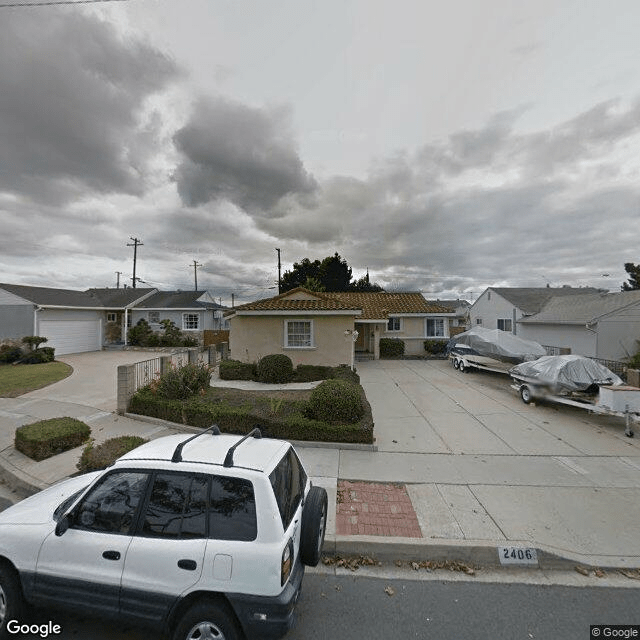
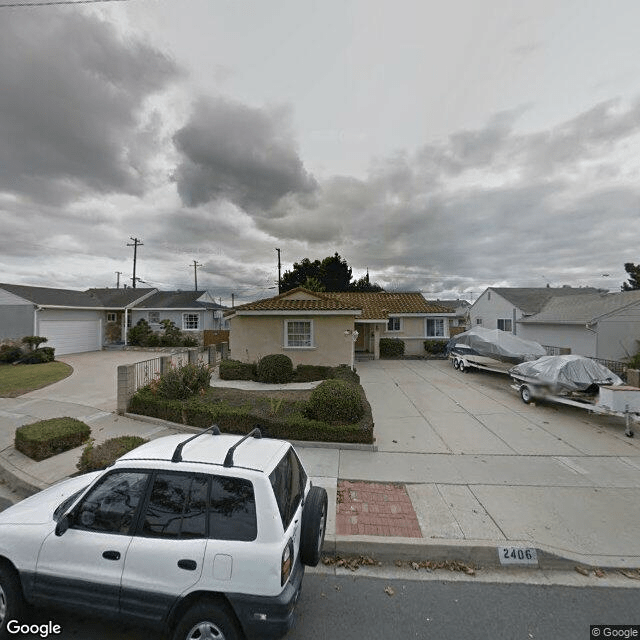
2406 W 171st Street, Torrance, CA 90504
To contact a resident: (310) 808-0980
For more information about senior living options: (866) 208-4318
Parkview Terrace Costs & Pricing
At Parkview Terrace, the monthly cost for a private room is set at $3,000, which presents a competitive option compared to the broader market in Los Angeles County and across California. In Los Angeles County, the average cost for a similar private room reaches approximately $4,197, while statewide averages hover around $3,939. This positioning not only highlights Parkview Terrace as a more affordable choice for those seeking quality accommodations but also underscores its commitment to providing exceptional value within an often challenging financial landscape.
| Floor plans | Parkview Terrace | Los Angeles County | California |
|---|---|---|---|
| Private | $3,000 | $4,197 | $3,939 |
Memory care communities with a similar price nearby
-
from +$500 / mo
Kind Heart Home Care VI
$3,500 to $5,000 / month3.5 miles away -
from -$200 / mo
Leah Loving Elderly Care
$2,800 to $3,000 / month24.3 miles away -
from -$300 / mo
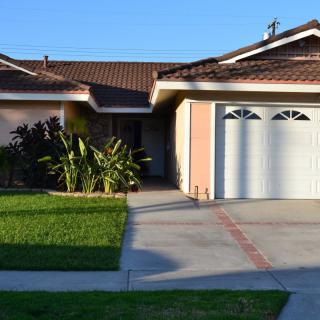
Loving Care Senior Home
$2,700 to $3,500 / month23.9 miles away -
from +$500 / mo
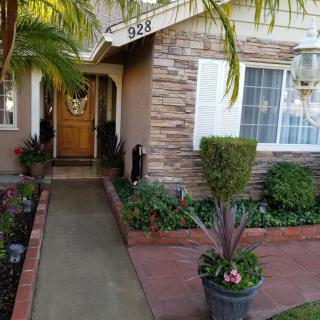
Comfort Keepers Home Care
$3,500 to $6,500 / month24.6 miles away -
from +$500 / mo
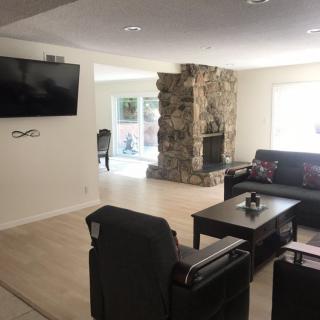
Hollywood Healthy Living
$3,500 to $5,000 / month23.6 miles away
Overall Review of Parkview Terrace
Pros
 The apartments are very nice, clean, and pleasant.
- Tours can be scheduled after work with no problem.
- The staff are very accommodating and dedicated.
- The owner and workers are dedicated, and the food is excellent.
- Caregivers accompany residents to appointments and transportation is provided.
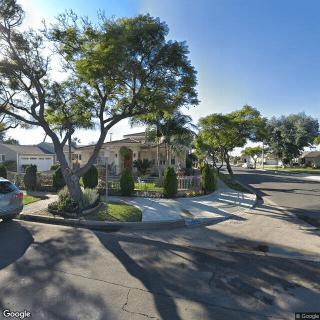
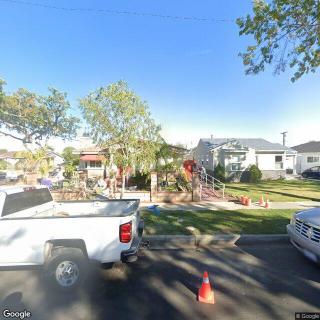
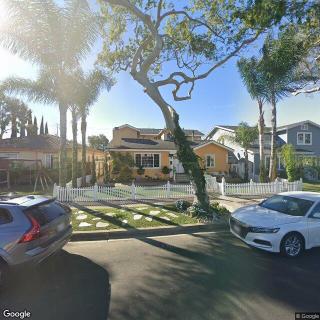
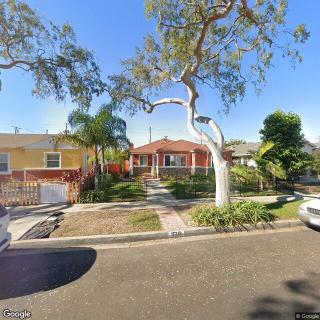
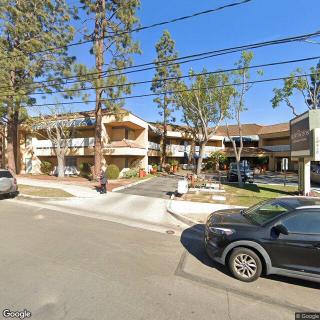
- The facility is in a good area of Torrance with a nice neighborhood.
- They are licensed for dementia care and hospice services, so residents won’t have to move again.
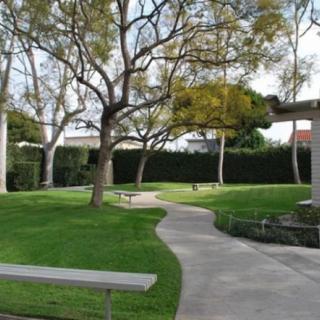
- The location is great, near multiple schools, with an amazing renovated park and quiet neighbors.
- Andrew is very flexible and inclusive with residents.
Cons
 They describe it as the worst living arrangement and overpriced.
- The managers do not follow laws and will try to evict residents even if they pay.
- A woman died in the apartments and wasn't found for two weeks.
- The stairs on the second level collapsed.
- There was a strong odor in the apartments following the death.
- The overall impression was simply horrible.
Review
Parkview Terrace in Torrance, CA is best suited for families seeking a clean, apartment-style assisted living environment with ready access to dementia and hospice services, strong staff engagement, and reliable transportation to appointments. It works well for residents who value a well-maintained, pleasant atmosphere, good meals, and a community where caregivers are actively involved in outside appointments. The setting appeals to those who want a neighborhood feel, proximity to parks and schools, and a turnkey option where care needs can be supported without moving again.
However, some families may want to consider alternatives. One review paints a stark contrast: the place is overpriced, and there are claims of eviction pressure despite payment, indicating potential governance and contract concerns that could upend stability. Another reviewer recounts a grave safety lapse, an infant death in an apartment that allegedly went undiscovered for two weeks, and cites a collapsed second-floor staircase, signaling serious safety and maintenance issues. These red flags suggest that for residents and families with a heightened sensitivity to legal safeguards, resident rights, and building safety, a different community with a stronger track record on governance and infrastructure may be a wiser choice.
The strongest positives, clean, pleasant apartments, a respectful, flexible manager, and a caring, dedicated ownership group, create a solid foundation for daily life. The care team’s willingness to accompany residents to medical appointments, plus transportation services, reduces logistics stress for families and preserves independence where possible. Food quality is highlighted as a standout, contributing to daily satisfaction and overall wellness. The facility’s licensed dementia and hospice capabilities further enhance continuity of care, making it a practical option for families navigating evolving health needs without relocating.
These strengths only partly offset the main concerns because the issues cited touch core elements of safety, rights protections, and value. A well-run dining program and flexible scheduling cannot fully compensate for alleged eviction risk or for structural and safety incidents that threaten resident security. Prospective families should verify current licensing, safety audits, and the status of any ongoing renovations. A careful tour should include discussions about resident rights, eviction policies, emergency preparedness, stair and building maintenance, and the steps taken after reported safety incidents.
For those weighing Parkview Terrace against alternatives, it helps to benchmark against communities with transparent governance, lower price volatility, and documented safety upgrades. If the priority is a dependable, person-centered pace of life with robust dementia/hospice options, Parkview Terrace presents a compelling profile, provided due diligence confirms sound contract terms, clear safety records, and a stable, well-funded maintenance plan. If any of the concerns raised in the reviews feel imminent or unresolved, exploring other options with stronger assurances around rights protections and infrastructure is a prudent hedge.
In the end, Parkview Terrace is a practical fit for families who prioritize care continuity, staff attentiveness, and a high-quality culinary and social environment within a Torrance setting. It is less suited for those who cannot tolerate questions around eviction risk, unresolved safety incidents, or long-term concerns about value. A decisive choice emerges from a rigorous intake process: tour with questions focused on governance, safety history, and upcoming capital improvements; review the resident contract line by line; and speak directly with current residents about daily living, maintenance responsiveness, and how the community handles emergencies. When these elements align, Parkview Terrace stands as a capable, nurturing option for sustained senior living in Southern California.
 Board and Care Home
 Memory Care
 Cats allowed
 Dogs allowed
 Activities on-site
 Devotional services off-site
 Indoor common areas
 Private
 Los Angeles International (7 miles away)
 Ambulatory care
 Diabetic care
 Meals provided
 Why Do Dementia Patients Sleep So Much? Understanding Oversleeping, Stages, and Care Approaches
 8 Key Indicators That Suggest It May Be Time to Transition from Assisted Living to Skilled Nursing Care
 Nourishing the Mind: Essential Dietary Approaches for Dementia