
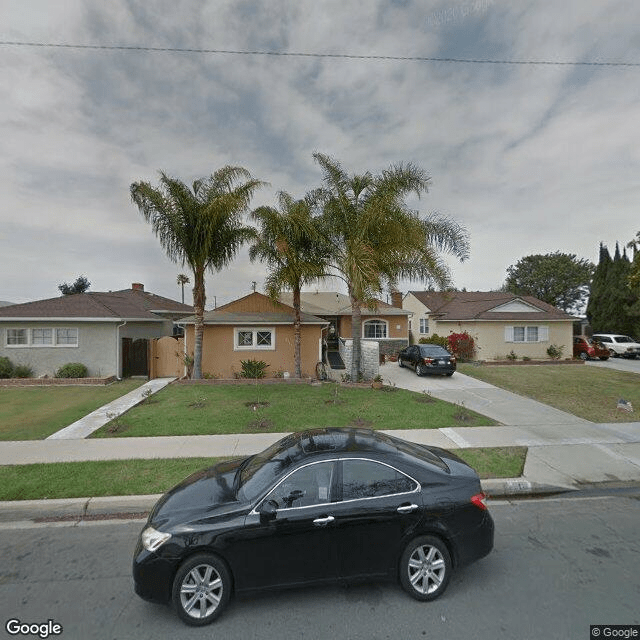
2513 West 168Th Street, Torrance, CA 90504
For more information about senior living options: (866) 208-4318
Evergreen Haven Costs & Pricing
Evergreen Haven offers competitive pricing for its accommodations, particularly when compared to the broader market in Los Angeles County and California as a whole. For a private room, Evergreen Haven charges $3,800 per month, which is notably lower than the county average of $4,197 and also below the state average of $3,939. Similarly, their one-bedroom units are priced at $4,500, slightly less than the county's average of $4,603 and effectively aligning with the state's average of $4,340. These cost advantages not only make Evergreen Haven an appealing choice for potential residents but also highlight its commitment to providing quality living options that stand out in a competitive housing landscape.
| Floor plans | Evergreen Haven | Los Angeles County | California |
|---|---|---|---|
| Private | $3,800 | $4,197 | $3,939 |
| 1 Bedroom | $4,500 | $4,603 | $4,340 |
Memory care communities with a similar price nearby
-
from +$195 / mo

Cadence Brea
$3,995 to $5,500 / month24.9 miles away -
from -$300 / mo
Kind Heart Home Care VI
$3,500 to $5,000 / month3.7 miles away -
from -$300 / mo
Comfort Keepers Home Care
$3,500 to $6,500 / month24.6 miles away -
from +$700 / mo
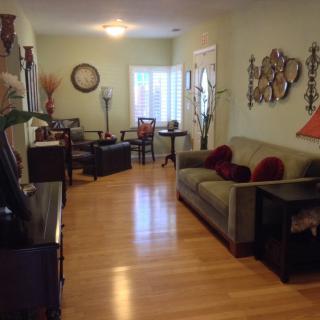
Ardenville Home Care I
$4,500 / month23.1 miles away -
from -$300 / mo
Hollywood Healthy Living
$3,500 to $5,000 / month23.4 miles away
Overall Review of Evergreen Haven
Pros
 The staff at Evergreen Haven are friendly and caring.
- The auntie is happy there.
- There are lots of activities and the food is good.
- Evergreen Haven serves home-cooked meals.
- The caregivers are friendly.
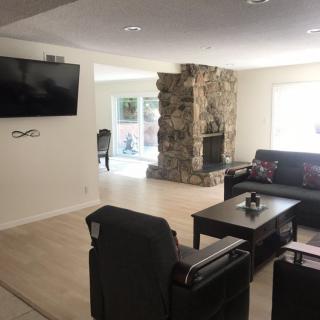
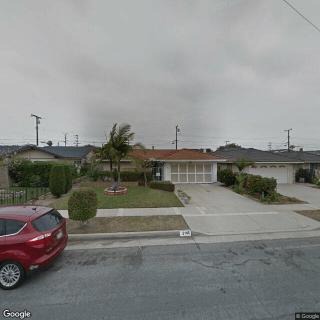
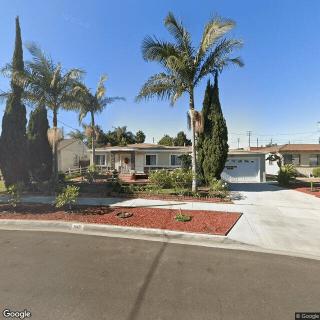
- Evergreen Haven is located in a nice, well-kept private home.
- The home is neat, comfortable, and cheerful.
- It is well equipped for handicapped residents.
- The husband enjoys living at Evergreen Haven and gets along well with the staff.
- The staff ensure residents eat together at the table, and the community is clean and quiet.
- The initial contact with Evergreen Haven was very friendly, and the administrator provided a direct line for questions.
Cons
 Move-in day was stressful and anxious for the family.
- There were only a few residents there, which could limit social interaction.
- The loved one is still adjusting since moving into Evergreen Haven.
Review
Evergreen Haven in Torrance is best suited for seniors who want a small, home-like assisted living option where staff are familiar and meals feel like home. The setting reads as a private residence converted for care: neat, quiet, and easy to navigate, with caregivers who are described as friendly and attentive. Families report that loved ones settle in with ease, enjoy homemade meals, and participate in activities without the hustle of a larger campus. For residents who value direct access to caregivers, predictable daily rhythms, and a warm, community-focused atmosphere, Evergreen Haven delivers a practical, low-stress path into assisted living.
Those who need substantial on-site medical oversight, a wide-ranging calendar of specialized programs, or a bustling, larger community may want to compare alternatives. The reviews describe a small, private-home feel with a handful of residents rather than a large campus, which can limit the breadth of social options and services available at any given time. Move-in experiences were positive but at least one family noted initial stress, suggesting that residents who require rapid cultural adjustment or robust rehab support should seek environments with more formal onboarding and more medical resources. In short, this is a choice for those prioritizing intimacy over scale.
Key advantages center on staff warmth, home-cooked meals, and a quiet, clean setting. Several reviews praise the caregivers as friendly and capable, with a particular emphasis on getting residents up and at the table together for meals, which reinforces routine and social connection. Homemade cooking is repeatedly highlighted, contributing to comfort and dignity around daily life. The small size translates into meaningful contact, with families appreciating the administrator's openness and the way move-in days are managed to keep Dad entertained and oriented. The accessible design and the sense of a real, caring home are repeatedly cited as strengths.
Yet, the small footprint can be a practical limitation. A few residents mean fewer immediate social options, and the range of activities, while described as plentiful, may not match what larger communities offer. Medical acuity naturally sits in the background of any choice; the reviews do not portray Evergreen Haven as a ramp-to-acute-care environment, which means residents needing consistent, on-site nursing or complex medical management may need a stronger clinical framework elsewhere. Move-in logistics can be stressful before routines settle in, though staff support mitigates this to a large degree.
Ultimately, the pros offset many cons for the right fit. The intimate staff-resident dynamic reduces confusion, promotes safety, and supports a dignified daily life through regular meals, consistent routines, and accessible communication with leadership. The home-like atmosphere and quiet environment contribute to restful days and fewer sensory stresses, which can be crucial for seniors who prioritize predictability and personal attention. For families who value transparency and hands-on involvement, evidenced by the administrator sharing contact information and staff actively guiding new residents, Evergreen Haven becomes a trustworthy, practical choice.
Decision guidance: Evergreen Haven works best for families seeking a compassionate, small-scale option where residents receive steady, personalized care in a homelike environment. It is well-suited for those who value homemade meals, shared dining, and a quiet, clean setting over a resort-style experience. Prospective buyers should consider alternatives if the priority is extensive medical services, a large social network, or rapid onboarding into a more structured program. A disciplined due diligence approach, visiting in person, meeting the caregiving team, reviewing sample menus, and asking about caregiver ratios, med management, and activity calendars, will confirm whether Evergreen Haven aligns with the loved one's care philosophy and health needs.
 6 resident community capacity
 Assisted Living
 Board and Care Home
 Memory Care
 Cable or satellite TV
 Dining room
 Fully furnished
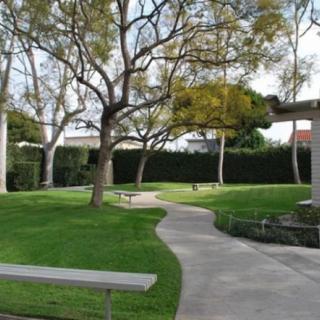
 Garden
 Housekeeping services
 Move-in coordination
 Outdoor space
 Private
 Respite or short term stays offered
 Telephone
 Wheelchair accessible showers
 Wi-Fi/high-speed internet available
 Los Angeles International (7 miles away)
 24-hour supervision
 Activities of daily living assistance
 Ambulatory care
 Assistance with bathing
 Assistance with dressing
 Assistance with transfers
 Diabetes diet
 Diabetic care
 High acuity care
 Incontinence care
 Meal preparation and service
 Medication management
 Special dietary restrictions
 Transportation arrangement (medical)
 Transportation to doctors appointments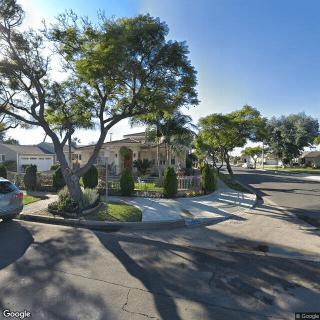


 When to Transition from Assisted Living to Memory Care: Key Indicators, Steps, and Finding the Right Community
 Understanding the Distinctions: Assisted Living and Memory Care Explained
 How to Communicate with a Loved One Living with Dementia: 10 Supportive Strategies