

2341 W 205th St, Torrance, CA 90501
To contact a resident: (310) 328-3897
For more information about senior living options: (866) 208-4318
Overall Review of Premier Infusion Care Pharmacy
Cons
 The service is really bad.
- No one knows anything about the customer's medication.
- The place is terrible.
Review
Premier Infusion Care Pharmacy in Torrance is best suited for patients whose infusion medication needs are straightforward and do not require ongoing, high-touch support from the pharmacy team. The limited feedback available paints a clear picture: dispensing activity may proceed, but responsive guidance, reliable medication knowledge, and timely communication are unreliable. In practical terms, this pharmacy serves only those who can tolerate gaps in information and occasional delays without jeopardizing treatment. For families seeking a proactive partner for complex regimens or urgent questions, alternatives should be the default choice. The best fit, if any, is someone with a narrow medication list and strong external support who can handle potential issues without heavy reliance on the pharmacy's clinical staff.
Who should consider alternatives? Anyone with a medication plan that is complex, changes often, or requires close coordination with doctors and insurers should look elsewhere. The repeated sentiment that staff "nobody knows" about the medication signals a real risk of misinformation and dosing errors. For conditions where precision matters, infection treatments, immunotherapy, or therapies with narrow therapeutic windows, this level of service is unacceptable. Families should demand a pharmacy that offers proactive clinical support, prompt responses, and clear, trustworthy information. If urgent clarifications, quick refills, or real-time problem solving are part of the routine, a different provider is warranted.
On balance, there are no evident positives in the available feedback that would offset these drawbacks. The two reviews converge on the same core issues: inconsistent service, poor communication, and a general lack of medication knowledge. With no demonstrated strengths such as knowledgeable pharmacists, rapid escalation procedures, or dependable prescription processing, the negatives remain unmitigated. That translates into tangible risk: missed doses, incorrect guidance about how to take medications, and delays that disrupt treatment. In a field where reliability and safety are paramount, these deficiencies are decisive.
Practical checks when evaluating alternatives include asking how staff handle medication questions, whether a pharmacist is available for consultations, and what the typical response time is. Verify the pharmacy's ability to coordinate with prescribers and insurers, track delivery or pickup, and manage any specialty infusion supplies. Request recent case examples or references from patients with similar regimens. If possible, observe the intake process to assess listening skills, documentation clarity, and follow-up routines. A confident provider will offer clear answers, evidence of training, and a defined plan for ongoing oversight.
For households considering this option despite the red flags, a concrete risk-mitigation plan is essential. Set explicit expectations, require written medication summaries, and insist on rapid escalation if questions arise. Establish a secondary contact at the prescribing clinic to avoid a single failure point. Consider using the pharmacy only for non-critical dispensing while searching for a more dependable partner, or treat this as a temporary stopgap until a better fit is found. The core decision rests on tolerance for service variability; for most, the safer path is to switch.
Bottom line: current feedback places Premier Infusion Care Pharmacy well outside the standard families should require for infusion-related medication management. It is appropriate only for simple, well-supported regimens with minimal information needs and, even then, only if external guarantees of reliability exist. Most families will be better served by exploring alternatives with demonstrated responsiveness and clinical competence to minimize safety risks and treatment interruptions. A deliberate, risk-aware choice now can prevent avoidable complications later.
 Los Angeles International (8 miles away)
 Strong proximity to dining, cafes, parks, pharmacies, physicians, and theaters.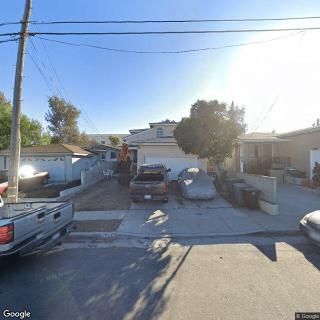


 Skilled Nursing Facilities vs. Nursing Homes: Making Sense of the Differences
 A Detailed Examination of Nursing Home Costs Across the U.S.
 Exploring Nonmedical Home Care: Understanding Services, Costs, and Financial Approaches