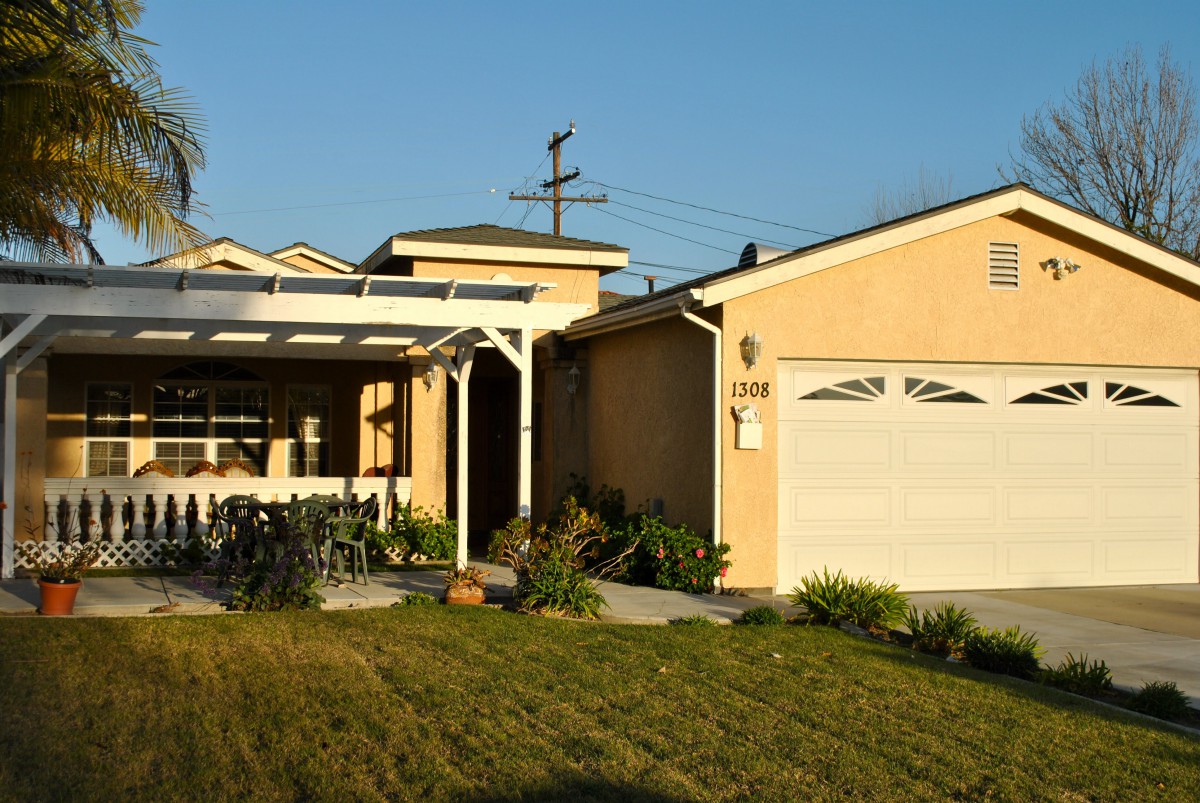
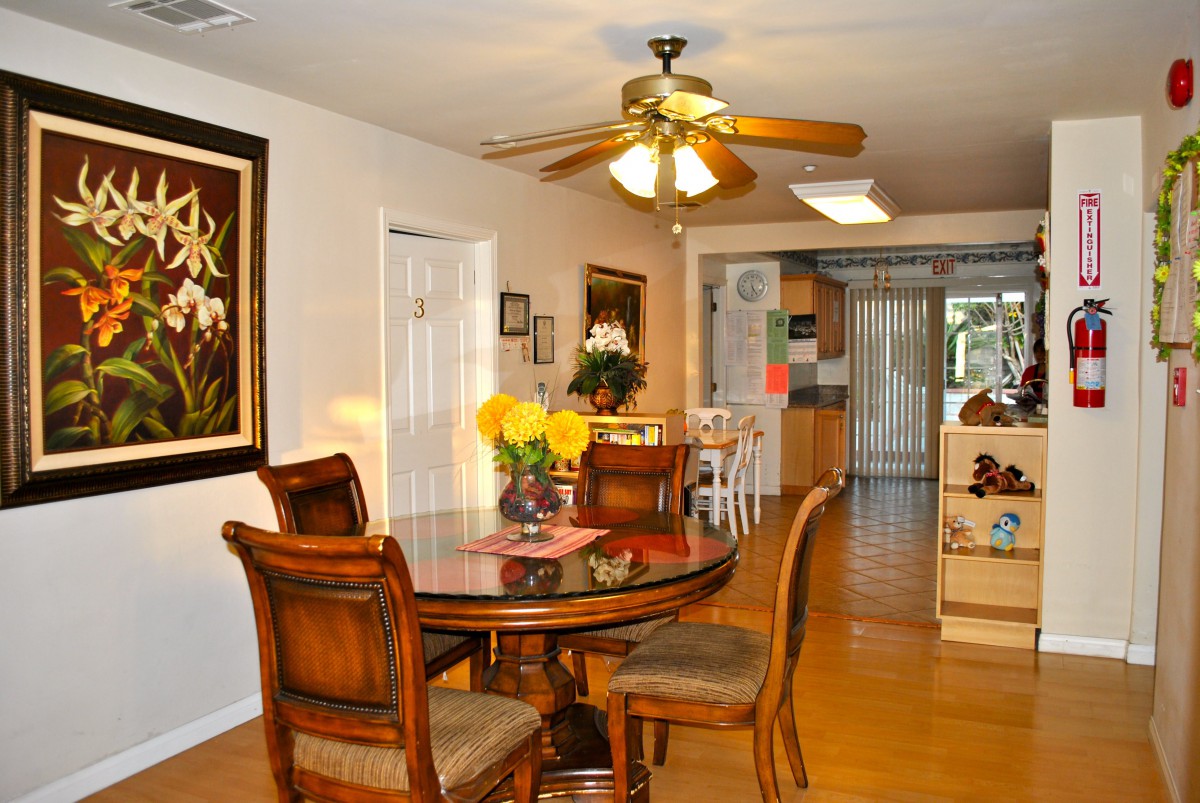
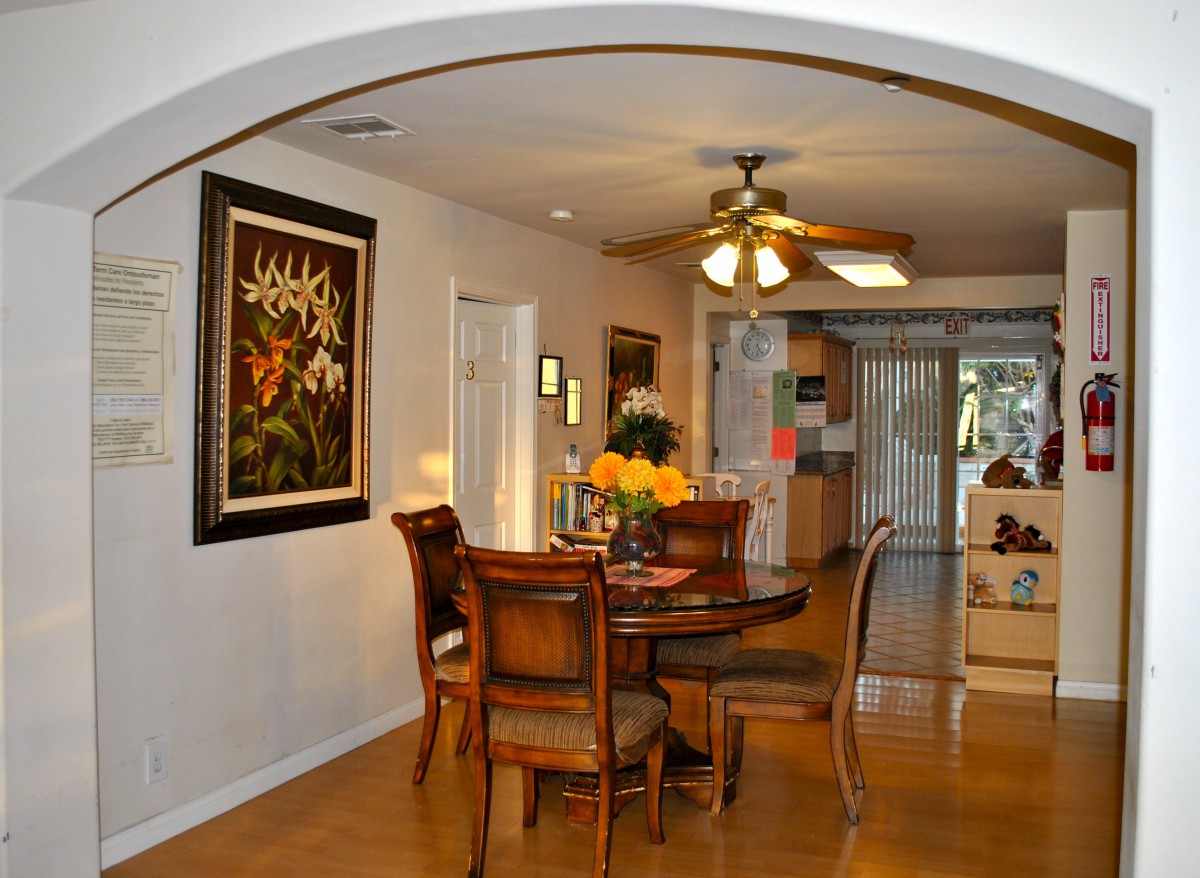
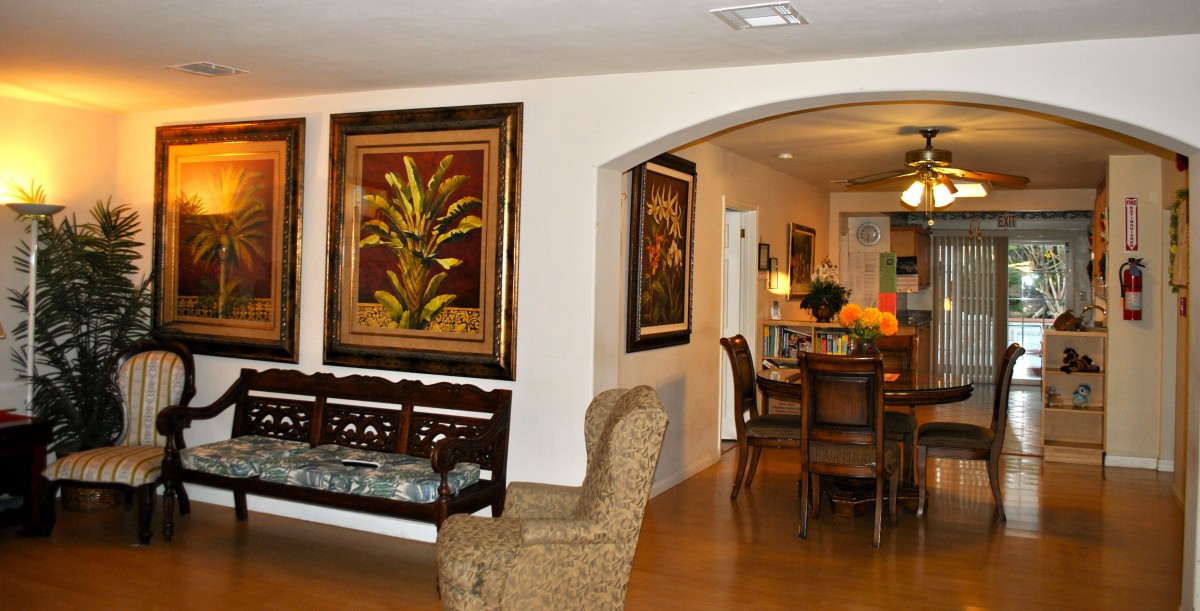



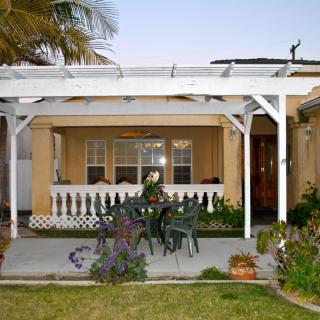
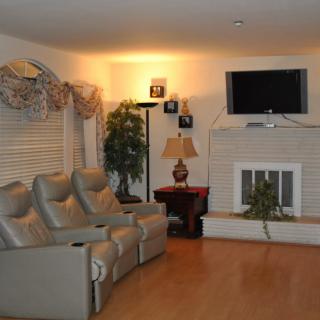
1308 Hickory Avenue, Torrance, CA 90503
For more information about senior living options: (866) 208-4318
Hickory Care Home Costs & Pricing
Hickory Care Home offers a range of accommodation options that reflect its commitment to quality care, though the costs are noticeably higher compared to both Los Angeles County and the broader state average. For semi-private rooms, Hickory Care Home charges $3,500 per month, slightly above the county's average of $3,349 and California's rate of $3,333. The pricing for one-bedroom units is particularly striking; at $5,500 per month, it significantly exceeds both local ($4,603) and statewide averages ($4,340). Additionally, private rooms at Hickory Care Home also come in at $5,500 - again surpassing the county's (at $4,197) and state's (at $3,939) figures. This positioning suggests that while Hickory Care Home offers dedicated services and amenities likely contributing to higher costs, potential residents should weigh these benefits against more affordable options in the surrounding areas.
| Floor plans | Hickory Care Home | Los Angeles County | California |
|---|---|---|---|
| Semi-Private | $3,500 | $3,349 | $3,333 |
| 1 Bedroom | $5,500 | $4,603 | $4,340 |
| Private | $5,500 | $4,197 | $3,939 |
Memory care communities with a similar price nearby
-
About the same

Kind Heart Home Care VI
$3,500 to $5,000 / month1.6 miles away -
About the same

California Senior Of Sherman Oaks
$3,500 to $4,000 / month23.5 miles away -
from -$650 / mo
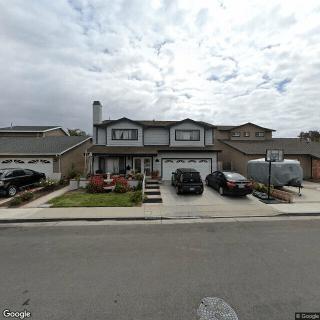
Alternative Senior Care - Freshwater
$2,850 to $3,250 / month20.6 miles away -
About the same
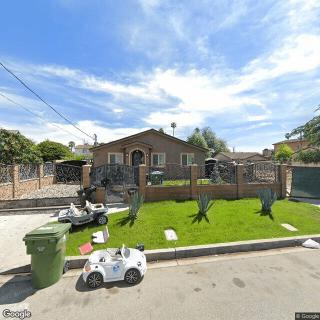
Sweet Home Senior Living #2
$3,500 to $5,000 / month24.2 miles away -
About the same
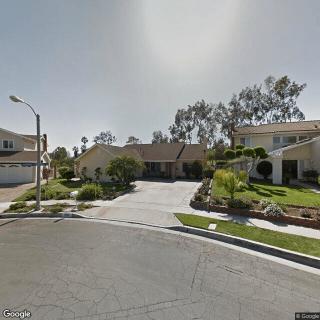
Sunny Ridge Manor Home
$3,500 to $4,000 / month21.1 miles away
Overall Review of Hickory Care Home
Pros
 The community is great and recommended to other families.
- Arlene is a consummate professional, very knowledgeable, and dedicated to providing the best care.
- Arlene ensures the facility is clean, safe, and up to date, with fully trained staff.
- Arlene is very responsive.
- The food at Hickory Care Home is like a home-cooked meal.
- The care providers are attentive and compassionate.
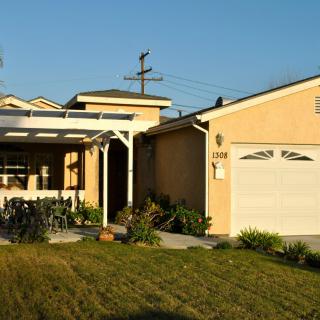
- The home is located in a quiet, safe residential neighborhood with easy wheelchair access.
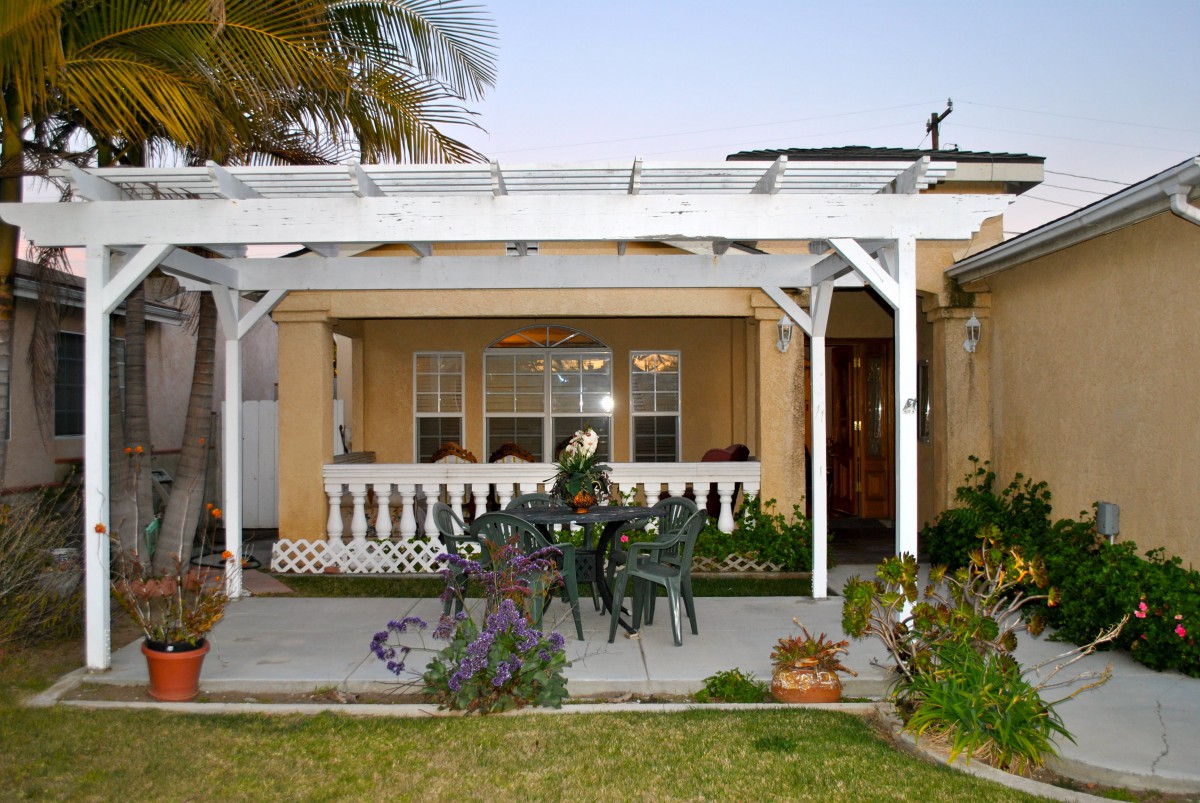
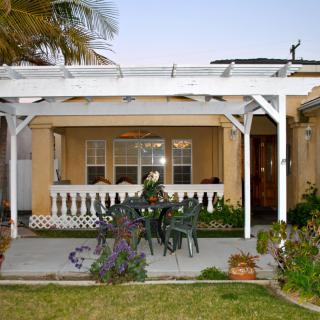
- There are front and back patios for fresh air and sunshine.
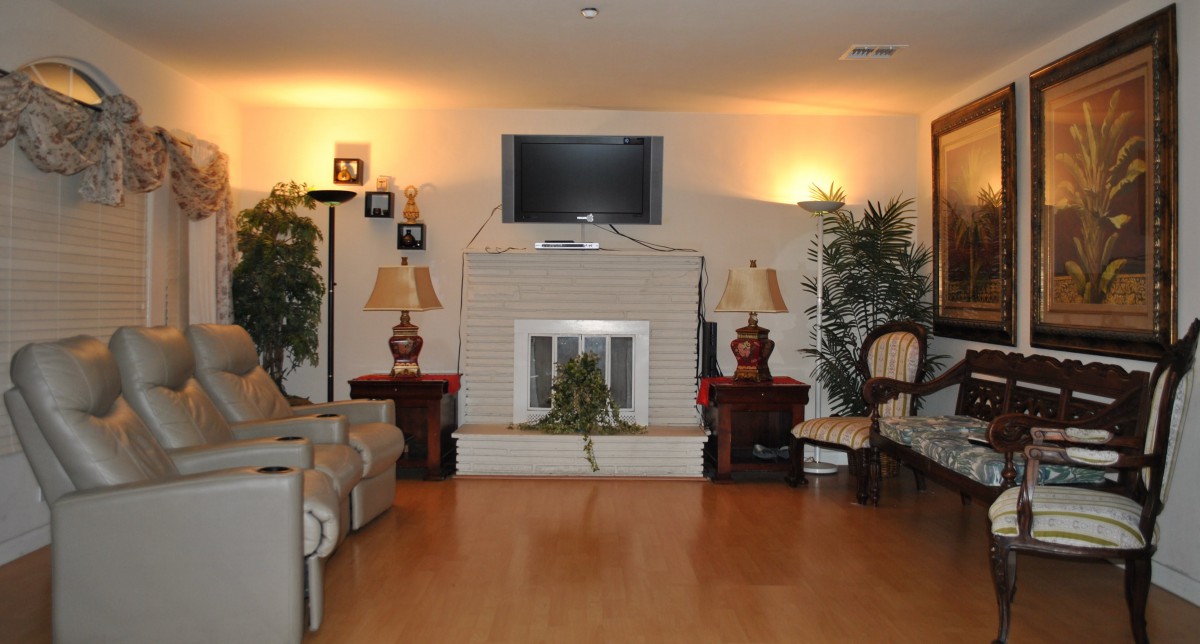
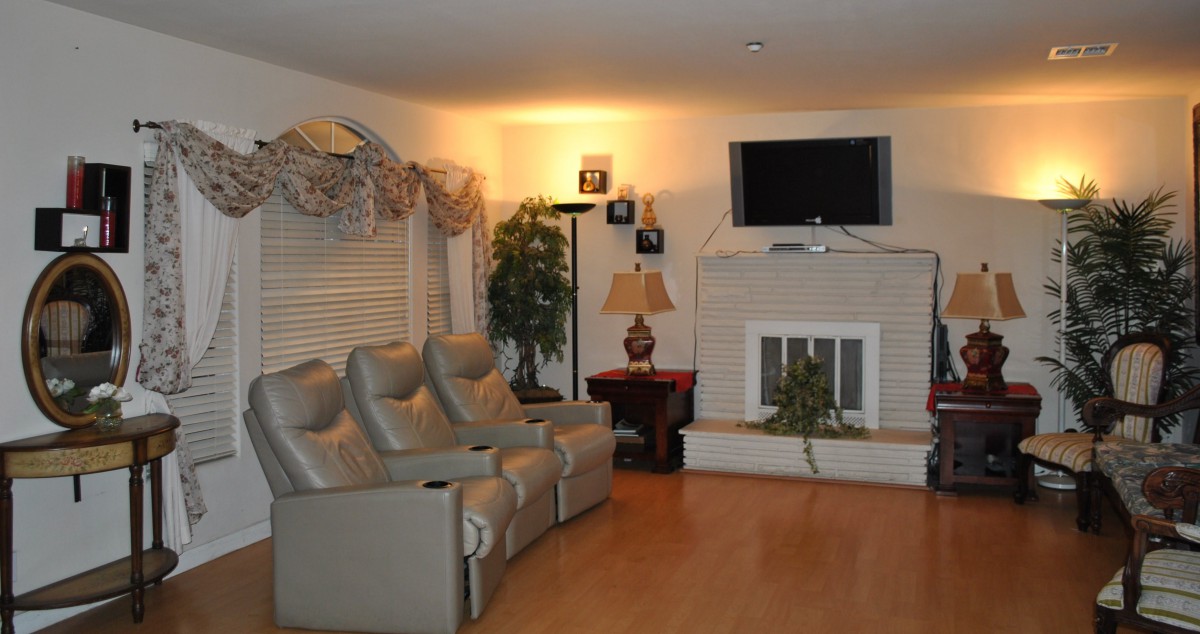
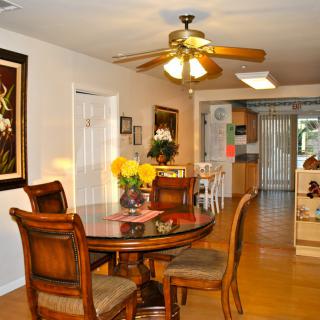
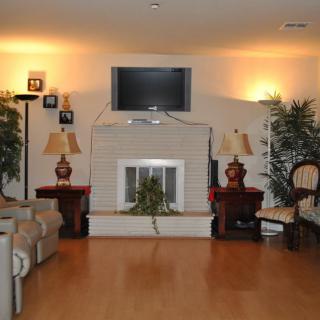
- The living room area provides a welcoming space for visiting or watching TV.
- The staff are friendly, helpful, and provide competent, high-quality care.
Cons
 The room had ants.
- The meals were too spicy for her to eat.
- There were no activities that she would participate in.
- Overnight staffing was insufficient, with only two staff in the morning and one at night.
- There were not 24-hour awake staff; residents were expected to wear diapers.
- The director seemed evasive to questions.
- Language barriers made it difficult to feel staff understood needs.
- The admin and owner were horrible.
- The manager was rude and did not listen.
- The reviewer would not recommend this place.
Review
Hickory Care Home in Torrance is best suited for families seeking a quiet, home-like assisted living experience where a small, intimate setting translates into highly visible, hands-on care. With a low resident count and a layout designed for easy mobility, the community supports daily routines that feel familiar and personal. Cleanliness and comfort are tangible strengths, and the facility’s sidewalks, entry points, and patio areas make easy wheelchair access and outdoor time feasible. For loved ones who flourish with direct caregiver interaction, predictable days, and a warm, domestic atmosphere, this option can deliver more stability than larger campuses.
Those weighing alternatives should note who may want to look elsewhere. Families needing round-the-clock awake staffing and a consistently visible administrator who is easy to reach may find the oversight at Hickory too lean for comfort. For residents who require a robust menu, a structured activity calendar, or a highly transparent financial process, there are likely better fits. Language barriers and limited menu or activity visibility, as reported in some reviews, can also be a red flag for families that rely on clear, proactive communication and a richly scheduled daily life.
On the positive side, residents and families repeatedly praise the frontline care as attentive and compassionate. The home-like dining approach is described as comforting, with meals that feel like home-cooking rather than institutional fare. The overall physical environment, quiet neighborhood, flat sidewalks, and accessible rooms, supports independence and ease of movement. The small scale cultivates a sense of community, and the dedicated staff are viewed as capable and responsive in everyday caregiving tasks. When a loved one simply needs a reassuring, personable care team in a non-clinical setting, Hickory Care Home can deliver that reassurance.
Conversely, several substantive concerns temper the appeal. Ants in a room and occasional food-related issues point to inconsistencies in upholding a flawless living environment. More consistently troublesome are the operational gaps: not a fully 24-hour awake staff model, some difficulty obtaining clear answers from administration, and perceived rigidity around room changes or roommate arrangements that can feel punitive rather than collaborative. Language differences and limited menu visibility also hinder communication for families seeking a highly transparent day-to-day experience. These drawbacks aren’t fatal, but they do constrain who the community can comfortably serve.
The best fit depends on how these pros and cons balance out in practical terms. The care quality and home-like feel offset many small irritants for families prioritizing intimate, direct caregiver relationships and a warm atmosphere. Yet administrative opacity, limited overnight coverage, and a lack of visible programming can overshadow those gains for families that need predictability at every level, especially around finances, rooming decisions, and daily activities. In short, the strengths win on personal attention and comfort, but the administrative and programmatic weaknesses should not be overlooked.
For families moving forward, a disciplined decision process is essential. Arrange a candid meeting with the administrator and a few caregivers to surface daily routines, staffing levels by shift, and how emergencies are handled. Request to review a current menu, any activity calendars, and a concrete explanation of the room-change policy, including refund terms and what happens if a resident must shift rooms. Ask to observe a typical day and to meet potential caregivers who would be on duty during the most critical hours. If maximal transparency, predictability, and a seamless administrative relationship are non-negotiable, Hickory Care Home may fall short; if a warm, smaller-scale, caregiver-forward environment is the priority, it represents a thoughtful, workable option worth pursuing.
 6 resident community capacity
 Assisted Living
 Board and Care Home
 Memory Care
 Cats allowed
 Dogs allowed
 Activities off-site
 Bath tubs
 Beautician on-site
 Cable or satellite TV
 Devotional services off-site
 Dining room
 Fully furnished
 Garden
 Ground floor units
 Handicap accessible
 Housekeeping services
 Indoor common areas
 Move-in coordination
 Outdoor common areas
 Private
 Private bathrooms
 Respite or short term stays offered
 Telephone
 Wheelchair accessible showers
 Wi-Fi/high-speed internet available
 Los Angeles International (9 miles away)
 24-hour supervision
 Assistance with bathing
 Assistance with dressing
 Assistance with transfers
 Diabetes diet
 Diabetic care
 High acuity care
 Incontinence care
 Meal preparation and service
 Medication management
 Special dietary restrictions
 Transportation arrangement (medical)
 Transportation to doctors appointments
 BBQs or picnics
 Birthday parties
 Live dance or theater performances
 Live musical performances


 Why Do Dementia Patients Sleep So Much? Understanding Oversleeping, Stages, and Care Approaches
 8 Key Indicators That Suggest It May Be Time to Transition from Assisted Living to Skilled Nursing Care
 Nourishing the Mind: Essential Dietary Approaches for Dementia