Cherry Blossoms Eldercare

Save
Cherry Blossoms Eldercare

Cherry Blossoms Eldercare

1416 Fern Avenue, Torrance, CA 90502

For more information about senior living options: (844) 490-3973

3.3 from 17 reviews
5 stars
9
4 stars
0
3 stars
0
2 stars
3
1 stars
5

Assisted Living Board and Care Home

What level of care are you interested in?

Assisted Living

Memory Care

Independent Living

Skilled Nursing Facility

Continuing Care Retirement Community (CCRC)CCRC

Other


Request a tour at Cherry Blossoms Eldercare

    Overall Review of Cherry Blossoms Eldercare

    Pros

    • pro The staff is caring and always willing to go the extra mile.
    • pro The rooms are bright and spacious.
    • pro The food is great.
    • pro The staff are wonderful and the administrators work hard to make everything run efficiently.
    • pro The facility has a homey atmosphere and attentive care.
    • pro The staff-to-resident ratio is impressive.
    • pro Cherry Blossom Cottage is a wonderful home away from home with clean facilities and friendly staff.

    Cons

    • pro The management and administration are completely inept and lack any basic compassion.
    • pro The owner is passive aggressive and very rude toward staff and residents.
    • pro The service and living conditions are described as atrocious.
    • pro The management is the worst ever for residents and employees, showing little regard for resident well-being.
    • pro There is a high turnover of staff, with many new employees and very few long-time caregivers.
    • pro Direct communication from the administration is non-existent, and care decisions are made without resident involvement.
    • pro The administration is cold and distant, mostly invisible behind closed office doors.
    • pro Policies are inconsistent and often not explained, with changes not properly reported to PCPs or families.

    Review

    Cherry Blossom Cottage elicits a wide range of experiences from families and friends who have interacted with the facility. On one hand, many readers describe it as a welcoming, caregiver-centered environment where warmth, attentiveness, and a sense of home are palpable. On the other hand, there are a number of cautions about administration, communication, and policy enforcement that paint a more challenging picture. Taken together, the reviews present a complex portrait of a place that can feel like a true home to some and a source of serious concern to others.

    Numerous reviews highlight the positive side in very concrete terms. Families frequently praise the staff for going the extra mile, noting that care teams - ranging from registered nurses to care aides and activities coordinators - are consistently kind, attentive, and responsive. Descriptions of bright, spacious rooms and a clean, well-maintained environment recur throughout the feedback. Food is described as great, and the overall atmosphere is depicted as homey and comfortable. Several reviewers emphasize that communication with the staff is reliable: phone calls are answered promptly, and concerns are addressed quickly, even by those who are not directly involved in daily care. In particular, some families stress that their loved ones have thrived because of the dedicated care provided by the nursing and caregiving staff, with specific mentions of individual team members who have made a meaningful difference.

    There are also several deeply positive testimonials about specific experiences that underscore trust and satisfaction. One reviewer describes Cherry Blossom Cottage as the winner after exploring multiple options, and later confirms ongoing satisfaction with the level of care their mother receives, including attentive follow-through and a sense that everyone - from the RN and activities coordinator to management - truly cares. Another account describes a husband's recovery path after a stroke, with the facility described as a reliable source of care, safety, and family reassurance. A different reviewer praises the facility as a comfortable, welcoming place where the entire staff demonstrates kindness and attentiveness, and where the family feels less worried about a loved one's well-being due to the quality and consistency of care.

    Yet, a substantial portion of the feedback is firmly negative, focusing on management and administrative practices. Critics describe "atrocious service" and "the worst management" they have encountered, arguing that decisions affecting care are often made by owners or management without adequate involvement of family or medical professionals. Several reviews allege high staff turnover, with frequent changes in RNs and other care providers, and claim that this churn undermines continuity and trust. In these accounts, the administration is portrayed as more concerned with paperwork, financial arrangements, or maintaining appearances than with the daily, hands-on needs of residents. Some reviewers depict the owner as distant, controlling, or dismissive, raising concerns about the level of genuine compassion and the ability of management to respond empathetically to family input.

    The most pointed criticisms center on communication and care planning. Reviewers allege that policies are inconsistently applied, and that changes in care plans or medication management are not adequately explained to families or to the resident's primary care provider. Several critics report a revolving door of RNs and a lack of multidisciplinary collaboration, including the absence of a Social Worker or Mental Health professional, which they believe diminishes the quality of individualized care. There are claims of miscommunication, incomplete apologies, and a sense that some concerns are treated as administrative issues rather than genuine care concerns. Some families felt de-emphasized in the decision-making process, describing quarterly assessments as experiences where they were not invited to participate or where communications about care were not transparent.

    A few reviews add sharp, personal criticisms about the administrator's approach and the overall culture of the facility. One writer describes the owner as passive-aggressive and rude, suggesting a disconnect between management style and the compassionate ethos that many families expect in a caregiving setting. Another review mentions a deliberate perception that the facility prioritizes financial considerations over residents' well-being, pointing to issues such as short-staffing and the impression that residents are treated more as a line item than as individuals. There are also anecdotes about strict or unusual policies - such as mask rules and visitor conduct - that some families felt were overbearing or inconsistently enforced, sometimes with negative experiences around isolation during COVID-19 and related restrictions.

    In addition to these broad themes, some comments touch on specific incidents that left a lasting impression. For example, one account recounts a visitor being scolded for using a hallway restroom and feeling judged for not wearing a mask, highlighting a perception that staff rules were applied unevenly or without clear justification. Other reviews describe situations where important information about a resident's care did not travel smoothly to families or PCPs, and where a lack of in-person meetings about care plans left family members feeling out of the loop and uncertain about next steps. Taken together, these narratives emphasize a need for more transparent communication, consistent policy enforcement, and visible, hands-on leadership from administration.

    Overall, readers are left with a nuanced takeaway: Cherry Blossom Cottage can be an excellent choice for families seeking a warm, attentive, and home-like environment with strong daily caregiving, where residents seem to flourish under the care of dedicated staff. At the same time, prospective families are advised to carefully assess the administrative culture, communication practices, and policy implementation, since multiple reviews raise concerns about management, transparency, and continuity of care. The facility appears to be a place of genuine care for many residents and families, but it also carries warnings from others who have experienced frustration or dissatisfaction with how administrative decisions are made and communicated. As with any care decision, visiting in person, speaking with residents and staff, and reviewing care policies directly can help families determine whether Cherry Blossom Cottage aligns with their expectations and needs.

    Features

    Housing

    • 6 resident community capacity 6 resident community capacity

    Types of Care

    • Assisted Living Assisted LivingAssisted living facilities provide crucial support and care for seniors who may need help with daily tasks such as medication management, bathing, and meal preparation. These communities offer a safe and comfortable environment where seniors can maintain their independence while receiving the assistance they need to thrive in their golden years.
    • Board and Care Home Board and Care HomeBoard and care homes provide a smaller, more intimate setting for seniors who require assistance with daily tasks but do not need the level of care offered by a nursing home. They offer personalized care, meals, and social activities in a homelike environment, ensuring that seniors receive individualized attention and support in their golden years.

    Amenities

    • Cable or satellite TV Cable or satellite TVCable or satellite TV is important for seniors because it provides entertainment, news, and companionship, helping to combat loneliness and boredom. It also offers a wide range of programming options tailored to different interests and preferences.
    • Dining room Dining roomDining rooms are important for seniors as they provide a space for socialization, connection, and nutritious meals. They offer opportunities for residents to bond over shared meals, foster a sense of community, and promote healthy eating habits. Dining rooms also ensure that seniors have access to well-balanced meals tailored to their dietary needs and preferences.
    • Fully furnished Fully furnishedFully furnished senior living communities are important for seniors because they provide convenience, comfort, and a hassle-free moving experience. Seniors can easily settle into their new living space without the stress of having to buy and move furniture. This allows them to focus on enjoying their new home and community.
    • Garden GardenGardens are important for seniors as they provide a peaceful and therapeutic environment for relaxation, physical activity, and socialization. Being in nature has been shown to reduce stress, improve mood, and promote overall well-being. Gardens also offer opportunities for seniors to engage in gardening activities, which can improve mobility, flexibility, and cognitive function. Additionally, gardens create a sense of community and connection with others who share a passion for plants and outdoor spaces.
    • Housekeeping services Housekeeping servicesHousekeeping services are important for seniors because they help maintain a clean and safe living environment, promote independence, and reduce the risk of accidents or illnesses. Additionally, having assistance with household chores can alleviate physical strain and allow seniors to focus on other aspects of their well-being.
    • Move-in coordination Move-in coordinationMove-in coordination is important for seniors because it helps ease the transition into their new living environment. It ensures that all logistics, such as packing, organizing movers, and setting up utilities are taken care of, allowing seniors to focus on settling in and adjusting to their new home. Having a smooth move-in process can alleviate stress and anxiety, making the transition smoother and more enjoyable for seniors.
    • Outdoor space Outdoor spaceOutdoor spaces are important for seniors as they provide opportunities for physical activity, social interaction, exposure to natural light and fresh air, and a sense of connection to nature. Having access to outdoor spaces can improve overall well-being and quality of life for older adults living in senior communities.
    • Telephone TelephoneTelephones are important for seniors as they provide a lifeline for communication with loved ones, emergency services, and healthcare providers. They offer a sense of security and independence, enabling seniors to stay connected and access assistance when needed.
    • Wi-Fi/high-speed internet available Wi-Fi/high-speed internet availableWi-Fi/high-speed internet is important for seniors to stay connected with loved ones, access online resources, and participate in virtual activities to combat feelings of loneliness and isolation. It also allows them to easily manage healthcare needs, access entertainment, and engage in lifelong learning opportunities.

    Transportation

    • Los Angeles International (9 miles away) Los Angeles International (9 miles away)
    • Long Beach (Daugherty) (10 miles away) Long Beach (Daugherty) (10 miles away)

    Care Services

    • 24-hour supervision 24-hour supervision24-hour supervision is important for seniors to ensure their safety, well-being, and access to immediate assistance in case of emergencies or health issues. This constant support provides peace of mind for both seniors and their loved ones, allowing them to age in place with dignity and security.
    • Activities of daily living assistance Activities of daily living assistanceActivities of daily living assistance are important for seniors because they provide essential support with tasks such as eating, bathing, dressing, and mobility. This assistance helps seniors maintain their independence, dignity, and overall quality of life as they age.
    • Assistance with bathing Assistance with bathingAssistance with bathing is crucial for seniors as it helps maintain personal hygiene, prevents infections, and ensures their overall well-being and comfort. It also provides a sense of dignity and independence for seniors who may struggle with this task on their own.
    • Assistance with dressing Assistance with dressingAssistance with dressing is important for seniors because it helps maintain their independence, promotes personal hygiene, prevents accidents and injuries, and improves overall quality of life. This service ensures that seniors can continue to dress comfortably and confidently, despite any physical limitations they may have.
    • Assistance with transfers Assistance with transfersAssistance with transfers is crucial for seniors as it helps prevent falls and injuries, maintains their independence, and ensures they can safely navigate their living environment. It also provides peace of mind for both seniors and their loved ones.
    • Coordination with health care providers Coordination with health care providersCoordination with health care providers is crucial for seniors to ensure proper medical care, medication management, and overall well-being. This collaboration helps prevent overlapping treatments, track progress more effectively, and provide comprehensive support tailored to individual needs.
    • Diabetes diet Diabetes dietA diabetes diet is crucial for seniors as it helps manage blood sugar levels, reduce risks of complications, and improve overall health and well-being. By following a balanced and nutritious diet tailored to their specific needs, seniors can better control their diabetes and enhance their quality of life.
    • Meal preparation and service Meal preparation and serviceMeal preparation and service are crucial for seniors as they may have limited mobility or energy to cook nutritious meals. Having access to healthy and convenient food options can ensure they are getting the proper nutrition needed to maintain their overall health and well-being.
    • Medication management Medication managementMedication management is crucial for seniors to ensure they are taking the right medications at the correct dosages and times. This helps prevent adverse drug interactions, reduces the risk of medication errors, and promotes overall health and well-being. Proactive management also allows for adjustments as needed based on changing health conditions or new prescriptions.
    • Special dietary restrictions Special dietary restrictionsSpecial dietary restrictions are important for seniors because age-related changes in metabolism and health conditions can make it difficult for their bodies to process certain foods. By following a diet tailored to their specific needs, seniors can maintain their overall health and well-being, manage chronic conditions, and reduce the risk of complications such as malnutrition or food interactions with medications.
    • Transportation arrangement (medical) Transportation arrangement (medical)Transportation arrangements for medical purposes are essential for seniors as they may have difficulty driving themselves to appointments or accessing public transportation. Having reliable and safe transportation options ensures that seniors can receive timely medical care and maintain their health and well-being.
    • Transportation to doctors appointments Transportation to doctors appointmentsTransportation to doctors' appointments is crucial for seniors as it ensures they have access to necessary medical care and support for their health needs. Without reliable transportation, seniors may struggle to attend important appointments, leading to potential delays in treatment and health complications. Providing transportation services helps seniors maintain their overall well-being and quality of life.

    Dining

    • Diabetes diet Diabetes dietA diabetes diet is crucial for seniors as it helps manage blood sugar levels, reduce risks of complications, and improve overall health and well-being. By following a balanced and nutritious diet tailored to their specific needs, seniors can better control their diabetes and enhance their quality of life.
    • Special dietary restrictions Special dietary restrictionsSpecial dietary restrictions are important for seniors because age-related changes in metabolism and health conditions can make it difficult for their bodies to process certain foods. By following a diet tailored to their specific needs, seniors can maintain their overall health and well-being, manage chronic conditions, and reduce the risk of complications such as malnutrition or food interactions with medications.

    Activities

    • Community-sponsored activities Community-sponsored activitiesCommunity-sponsored activities are important for seniors as they provide opportunities for social interaction, mental stimulation, and physical activity. These activities can help improve overall well-being, combat loneliness and isolation, and promote a sense of belonging and purpose among older adults.
    • Scheduled daily activities Scheduled daily activitiesScheduled daily activities are important for seniors because they provide structure, socialization, mental stimulation, and physical activity. Engaging in regular activities can improve overall well-being and quality of life for seniors living in a community setting.

    Description

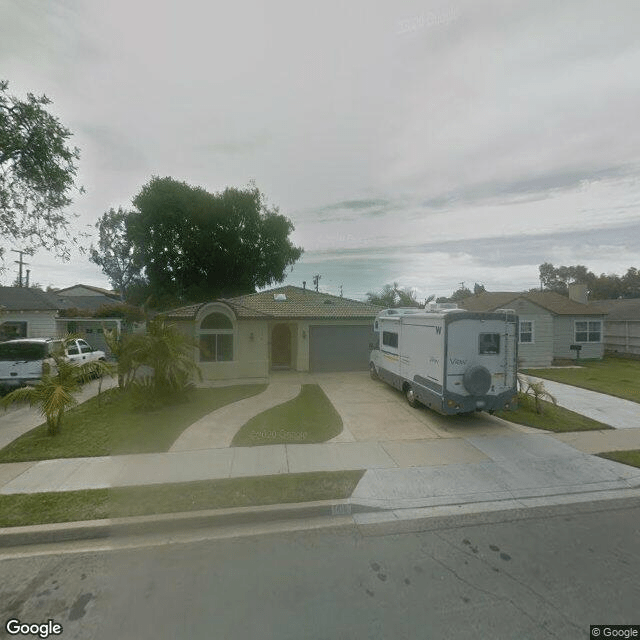
    Cherry Blossoms Eldercare in Torrance, CA is a board and care home that provides exceptional assisted living services for seniors. Our community offers a comfortable and fully furnished living environment where residents can enjoy the beautiful garden and outdoor spaces.

    We prioritize the well-being and convenience of our residents by offering various amenities such as a dining room, where delicious and nutritious meals are served, housekeeping services to ensure cleanliness, move-in coordination for a seamless transition, and access to telephone and Wi-Fi/high-speed internet.

    Our dedicated staff assists residents with activities of daily living, including bathing, dressing, and transfers. We also coordinate with healthcare providers to ensure proper medical care. For those with diabetes or special dietary restrictions, we provide specialized diets and meal preparation services. Medication management is also available to ensure that residents receive their prescribed medications on time.

    Transportation arrangements for medical appointments are provided for the convenience of our residents. Additionally, there are several cafes, parks, pharmacies, physicians' offices, restaurants, places of worship, and theaters in close proximity to enhance the quality of life for our residents.

    At Cherry Blossoms Eldercare in Torrance, CA, we strive to create a warm and engaging environment by offering scheduled daily activities that cater to the interests of our residents. With our commitment to providing personalized care and an array of amenities and services, we aim to enrich the lives of seniors in our community.

    Nearby Places of Interest

    Located in Torrance, California, this area offers a variety of amenities and services that may be appealing to seniors looking for a vibrant community. With several parks nearby such as Charles H. Wilson Park and Polliwog Park, residents can enjoy outdoor activities and beautiful green spaces. There are also a range of dining options including King's Hawaiian Bakery and Lazy Dog Restaurant & Bar for socializing with friends or family. For medical needs, there are multiple pharmacies like Walgreens and CVS Pharmacy within a short distance, as well as healthcare providers like Lighthouse Pediatrics and Harbor UCLA Medical Center for easy access to quality healthcare. Additionally, transportation options such as the Metro Rail station and rental car services are available for convenient travel. Overall, this part of Torrance provides a safe and convenient living environment with access to essential services for seniors looking to settle down in the area.

    Parks

    • Charles H. Wilson Park (0.7 miles)
    • Sur La Brea Park (1.9 miles)
    • Sunnyglen Park (2.7 miles)
    • De Portola Park (2.8 miles)
    • Noble Park (4.5 miles)
    • Polliwog Park (4.8 miles)

    Restaurants

    • King's Hawaiian Bakery (0.8 miles)
    • Lazy Dog Restaurant & Bar (0.9 miles)
    • Tendon Tempura Carlos Junior Restaurant (1 miles)
    • Monkish Brewing (1.5 miles)
    • In-N-Out Burger (1.6 miles)
    • McDonald's (2.1 miles)
    • In-N-Out Burger (2.2 miles)

    Pharmacies

    • Walgreens (0.8 miles)
    • CVS Pharmacy (0.9 miles)
    • Rite Aid (1.2 miles)
    • Rite Aid (1.4 miles)
    • Walgreens (1.8 miles)
    • CVS Pharmacy (1.8 miles)
    • CVS Pharmacy (2.3 miles)

    Theaters

    • AMC Del Amo 18 (0.9 miles)
    • AMC Rolling Hills 2 (2.9 miles)
    • AMC DINE-IN South Bay Galleria 16 (2.9 miles)

    Physicians

    • Lighthouse Pediatrics (1.1 miles)
    • Harbor Ucla Medical Center - David Durkovich Do (2.1 miles)
    • Monica B Espiritu M.D. | Kaiser Permanente (3.7 miles)
    • Paulson Theresa A Palos Verdes Dermatology Rolling Hills Estates (4.9 miles)
    • UCLA Health Manhattan Beach Pediatrics (5.1 miles)

    Cafes

    • Sidecar Doughnuts & Coffee (3 miles)
    • Lees Sandwiches - Gard (3.2 miles)
    • Starbucks (4 miles)
    • Donut King 2 (4.4 miles)
    • Corner Bakery Cafe (5.7 miles)

    Places of Worship

    • St Catherine Laboure Church (3.1 miles)
    • Peninsula Community Church (5.2 miles)

    Transportation

    • Metro Rail - Hawthorne/Lennox (7 miles)
    • Aviation/LAX Metro Station (7.1 miles)
    • Fox Rent A Car (8.1 miles)
    • Metro - Willow Street Station (8.4 miles)
    • LAX-it (8.4 miles)
    • Terminal 8 (8.4 miles)
    • Terminal 7 (8.5 miles)

    Hospitals

    • Martin Luther King Jr / Drew Medical Center (8.2 miles)

    Frequently Asked Questions

    Where is Cherry Blossoms Eldercare?

    Nearby Communities

    Related Resources

    • activities of daily livingComprehensive Insights into Activities of Daily Living (ADLs) and Their Assessment

      Activities of Daily Living (ADLs) are fundamental tasks vital for an individual's independence, particularly in older adults over 85, and include functions like bathing and dressing; assessing ADLs alongside Instrumental Activities of Daily Living (IADLs) helps determine the level of required assistance due to age-related health challenges. Tailored support plans, involving family and community resources, are essential for maintaining dignity and autonomy in assisted living environments.

    • does medicare pay for assisted livingMedicare Coverage for Assisted Living: An In-Depth Exploration

      Medicare does not cover assisted living costs, as it focuses on acute medical needs and short-term care, with exceptions for certain medically necessary services like physical therapy. Individuals must explore other options such as Medicaid, veterans' benefits, or long-term care insurance to manage these expenses effectively.

    • assisted living vs nursing homeChoosing the Right Senior Care: A Detailed Exploration of Assisted Living and Nursing Homes

      Choosing between assisted living and nursing homes involves evaluating emotional and financial factors, with assisted living offering independence and support for daily activities at a lower cost, while nursing homes provide intensive medical care for individuals with significant health needs. The decision is influenced by personal preferences, health status, cognitive function, and varying Medicaid coverage across states.


    Get Pricing Ask A Question Schedule A Tour Contact Senior Advisor