Kind Heart Home Care III offers a range of room options at competitive pricing compared to both Los Angeles County and the broader California state averages. For a semi-private room, Kind Heart Home Care III charges $5,500, significantly higher than the county average of $3,349 and the state average of $3,333. The cost for a one-bedroom suite at Kind Heart is $6,000, again surpassing the county's average of $4,603 and the state's average of $4,340. Similarly, private rooms are priced at $6,000 at this facility, which exceeds both Los Angeles County's rate of $4,197 and California's average of $3,939. While these costs may reflect premium services or amenities provided by Kind Heart Home Care III, they clearly position it above prevailing local and state market rates.
Floor plans
Kind Heart Home Care III
Los Angeles County
California
Semi-Private
$5,500
$3,349
$3,333
1 Bedroom
$6,000
$4,603
$4,340
Private
$6,000
$4,197
$3,939
Memory care communities with a similar price nearby
Residents and families describe caregivers as kind, compassionate, and attentive.
Across the reviews, families consistently talk about caregivers who are caring, patient, and supportive of both residents and relatives. Several describe staff communicating well, checking in about health changes, and treating families with respect and dignity. Even when cases are difficult, reviewers say the staff kept working to meet needs and expressed genuine concern.
common6 reviews mention this
Support is described as reliable
Reviewers frequently describe responsive service and dependable coverage.
Multiple reviewers mention that the team responds quickly, shows up as scheduled, and keeps care moving without gaps. There are also comments about staff being organized and on time, plus families feeling reassured that they are in good hands. One reviewer specifically notes office coverage when a preferred caregiver was unavailable due to an emergency.
differentiator2 reviews mention this
Care coverage feels on-call
Residents appear to have caregiver coverage available when needed.
One reviewer explains that there appear to be caregivers living in the home so someone is on call at all times. Another describes a situation where office staff covered within a short window when a caregiver couldn’t come, reinforcing the idea of backup coverage.
common2 reviews mention this
Location near everyday errands
The community is close to common local stops.
Reviewers mention errands and day-to-day logistics alongside care support, and the area amenities list suggests convenient nearby options. Nearby, you have places like Sur La Brea Park and local pharmacy locations within about 0.4 miles, with additional dining options around 1.2 miles.
How we summarize
Counts show how many written reviews mention each theme; a review can touch several themes, and only frequently mentioned themes are displayed.
Features
Housing
6 resident community capacity
Types of Care
Assisted Living
Board and Care Home
Memory Care
Pets
Cats allowed
Dogs allowed
Amenities
Activities off-site
Activities on-site
Bath tubs
Beautician on-site
Cable or satellite TV
Devotional services off-site
Devotional services on-site
Dining room
Fully furnished
Garden
Ground floor units
Handicap accessible
Housekeeping services
Indoor common areas
Move-in coordination
Outdoor common areas
Outdoor space
Private
Private bathrooms
Respite or short term stays offered
Telephone
Wheelchair accessible showers
Wi-Fi/high-speed internet available
Transportation
Long Beach (Daugherty) (9 miles away)
Los Angeles International (10 miles away)
Care Services
24-hour supervision
Activities of daily living assistance
Assistance with bathing
Assistance with dressing
Assistance with transfers
Coordination with health care providers
Diabetes diet
Diabetic care
High acuity care
Meal preparation and service
Medication management
Special dietary restrictions
Transportation arrangement (medical)
Transportation to doctors appointments
Dining
Diabetes diet
Gluten-free
International cuisine
Kosher
Low / no sodium
Meals provided
No Sugar
Organic
Restaurant style dining
Room service
Special dietary restrictions
Vegan
Vegetarian
Activities
Community-sponsored activities
Devotional activities offsite
Devotional activities on-site
Educational speakers / life long learning
Forever fit
Karaoke
Live dance or theater performances
Live musical performances
Live well programs
Scheduled daily activities
Stretching classes
Tai Chi
Yoga / chair yoga
Nearby Places of Interest
Located in Torrance, California, this neighborhood offers a variety of amenities for seniors looking to settle down in a peaceful and convenient area. With several parks nearby such as Sur La Brea Park and Charles H. Wilson Park, residents can enjoy leisurely walks or picnics in the outdoors. There are also multiple pharmacies within close proximity including Rite Aid and CVS Pharmacy for easy access to medication and healthcare needs. For dining options, there are popular restaurants like In-N-Out Burger and Lazy Dog Restaurant & Bar, providing a range of dining choices. Additionally, there are reputable healthcare providers such as Harbor UCLA Medical Center and Lighthouse Pediatrics nearby for any medical concerns. The area also offers entertainment options with theaters like AMC Rolling Hills 2 and cafes such as Sidecar Doughnuts & Coffee for social outings. Overall, this part of Torrance is a well-rounded community with access to essential services and recreational facilities, making it a desirable location for senior living.
Parks
Sur La Brea Park (0.4 miles)
Charles H. Wilson Park (0.9 miles)
De Portola Park (2.2 miles)
Sunnyglen Park (4.1 miles)
Noble Park (6 miles)
Polliwog Park (6.4 miles)
Shoreline Aquatic Park (7.9 miles)
Pharmacies
Rite Aid (0.4 miles)
Walgreens (0.4 miles)
CVS Pharmacy (1 miles)
Walgreens (1.5 miles)
CVS Pharmacy (1.5 miles)
CVS Pharmacy (1.8 miles)
Rite Aid (2.3 miles)
Restaurants
In-N-Out Burger (1.2 miles)
Tendon Tempura Carlos Junior Restaurant (1.2 miles)
King's Hawaiian Bakery (1.2 miles)
Monkish Brewing (2.1 miles)
Lazy Dog Restaurant & Bar (2.2 miles)
In-N-Out Burger (3.2 miles)
McDonald's (3.3 miles)
Physicians
Harbor Ucla Medical Center - David Durkovich Do (1.5 miles)
Monica B Espiritu M.D. | Kaiser Permanente (2.2 miles)
Lighthouse Pediatrics (2.5 miles)
Paulson Theresa A Palos Verdes Dermatology Rolling Hills Estates (4.4 miles)
UCLA Health Manhattan Beach Pediatrics (6.7 miles)
Theaters
AMC Rolling Hills 2 (1.8 miles)
AMC Del Amo 18 (2.2 miles)
AMC DINE-IN South Bay Galleria 16 (4.5 miles)
Cafes
Sidecar Doughnuts & Coffee (1.9 miles)
Lees Sandwiches - Gard (4.1 miles)
Donut King 2 (5.5 miles)
Starbucks (5.5 miles)
Corner Bakery Cafe (7.3 miles)
Starbucks (7.8 miles)
Starbucks (8.8 miles)
Places of Worship
St Catherine Laboure Church (4.5 miles)
Peninsula Community Church (4.8 miles)
Transportation
Metro - Willow Street Station (7.2 miles)
Metro Rail - Hawthorne/Lennox (8.4 miles)
Aviation/LAX Metro Station (8.6 miles)
Komar Aviation Group (9 miles)
Hospitals
Martin Luther King Jr / Drew Medical Center (8.6 miles)
Kind Heart Home Care III offers a range of room options at competitive pricing compared to both Los Angeles County and the broader California state averages. For a semi-private room, Kind Heart Home Care III charges $5,500, significantly higher than the county average of $3,349 and the state average of $3,333. The cost for a one-bedroom suite at Kind Heart is $6,000, again surpassing the county's average of $4,603 and the state's average of $4,340. Similarly, private rooms are priced at $6,000 at this facility, which exceeds both Los Angeles County's rate of $4,197 and California's average of $3,939. While these costs may reflect premium services or amenities provided by Kind Heart Home Care III, they clearly position it above prevailing local and state market rates.
The 24-hour supervision at Kind Heart Home Care III ensures a constant presence for residents, promoting safety and immediate assistance when needed, which is vital for individuals with cognitive impairments. Assistance with activities of daily living, such as bathing and dressing, not only supports personal hygiene and dignity but also fosters a sense of routine that can be comforting for those with dementia or Alzheimer's. Helping with transfers enhances mobility and reduces the risk of falls, while coordination with health care providers ensures that residents receive appropriate medical attention tailored to their specific needs. Meal preparation and service cater to dietary requirements and promote nutrition, crucial components in maintaining overall health. Medication management supports adherence to prescribed regimens, minimizing the potential for confusion or errors. Lastly, transportation arrangements for medical appointments facilitate access to necessary healthcare resources without adding stress to the residents or their families, contributing significantly to their well-being.
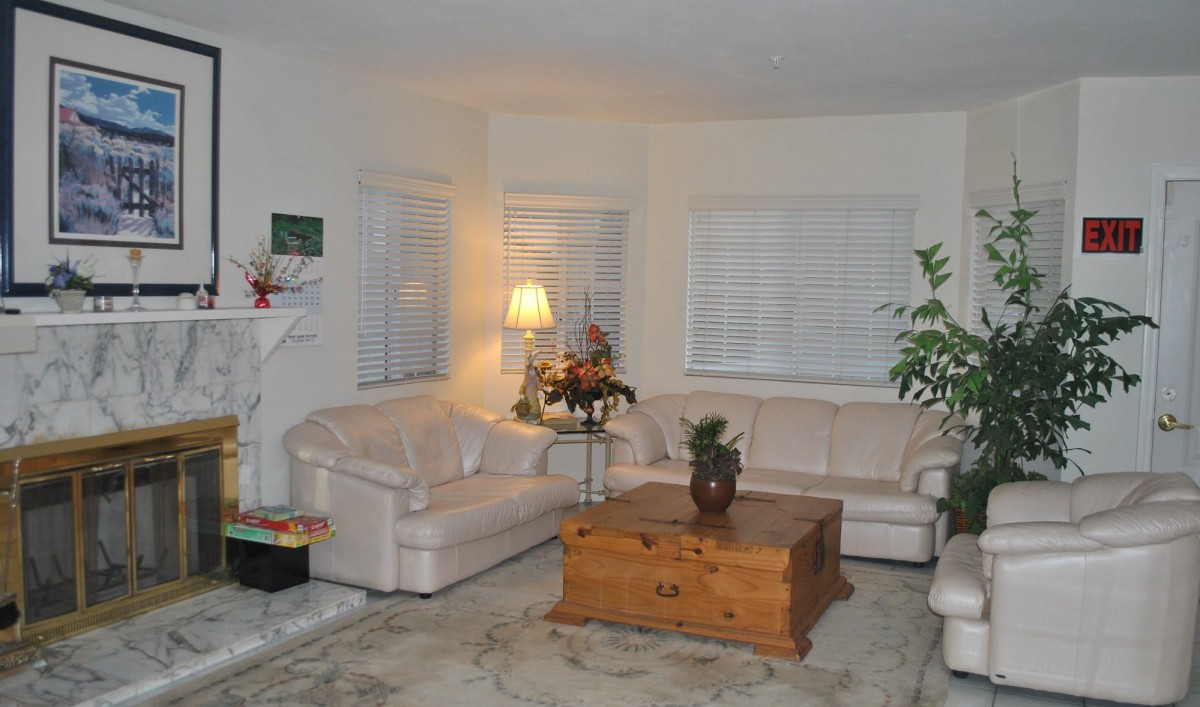
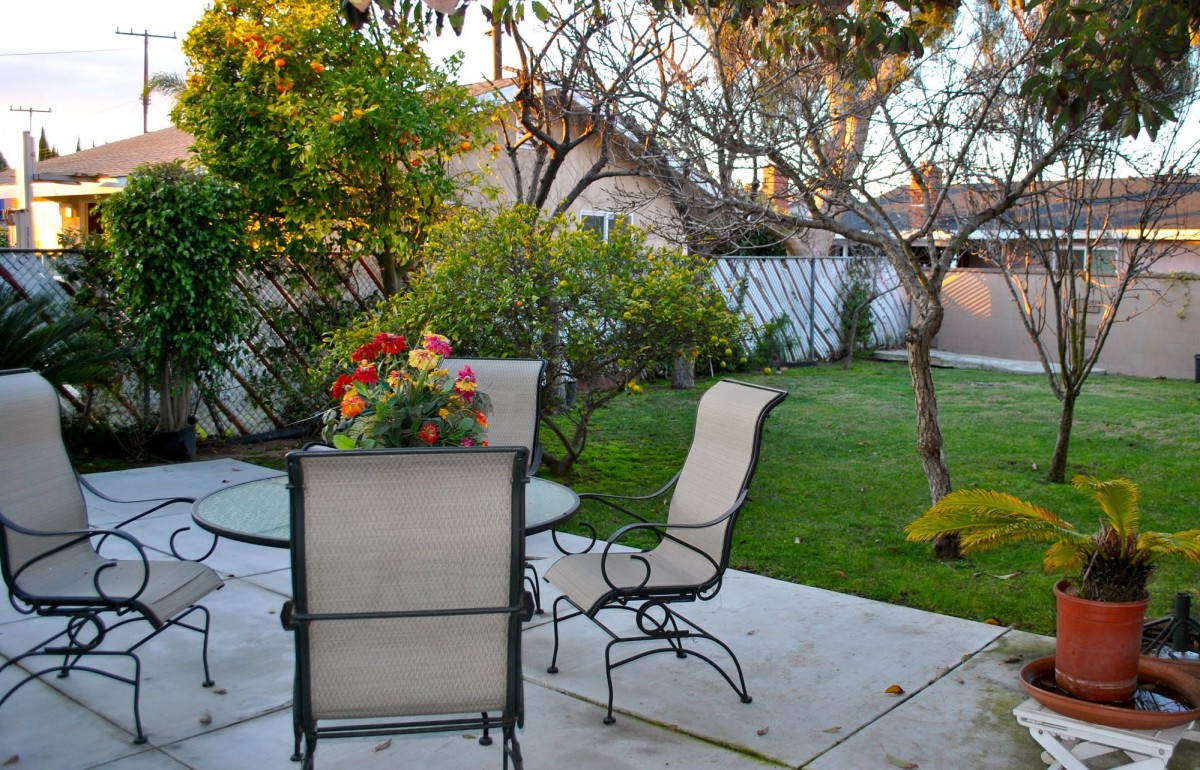
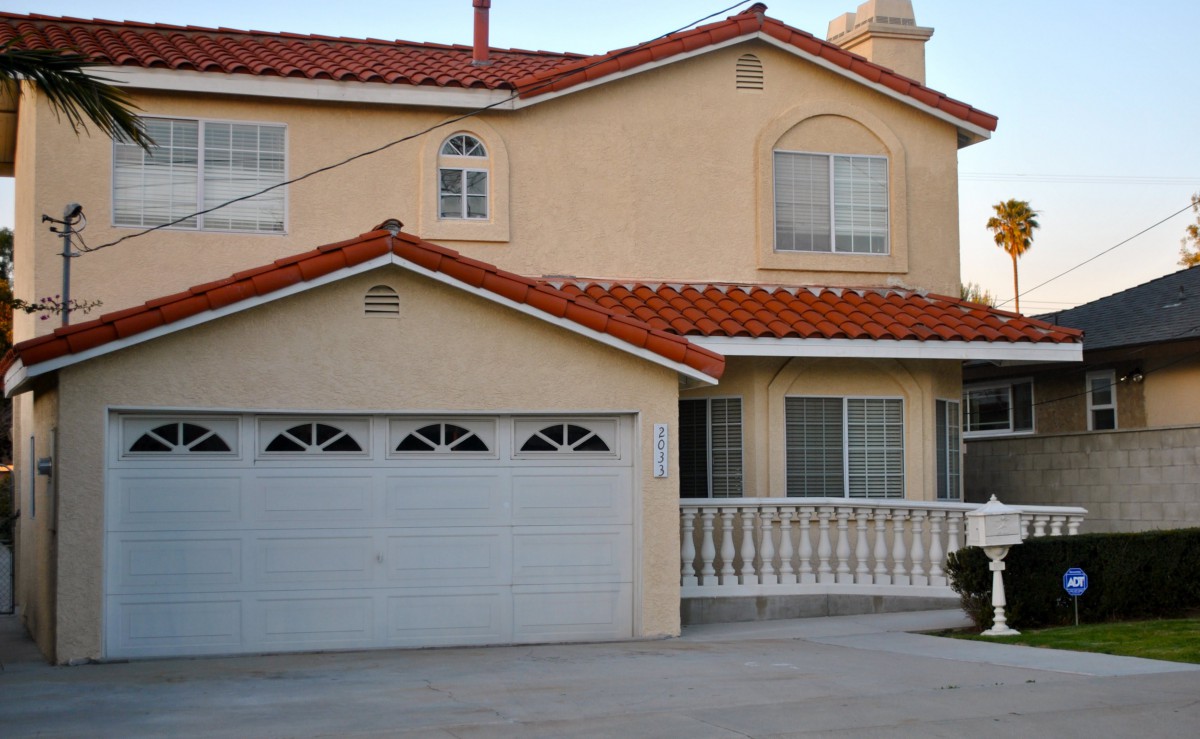
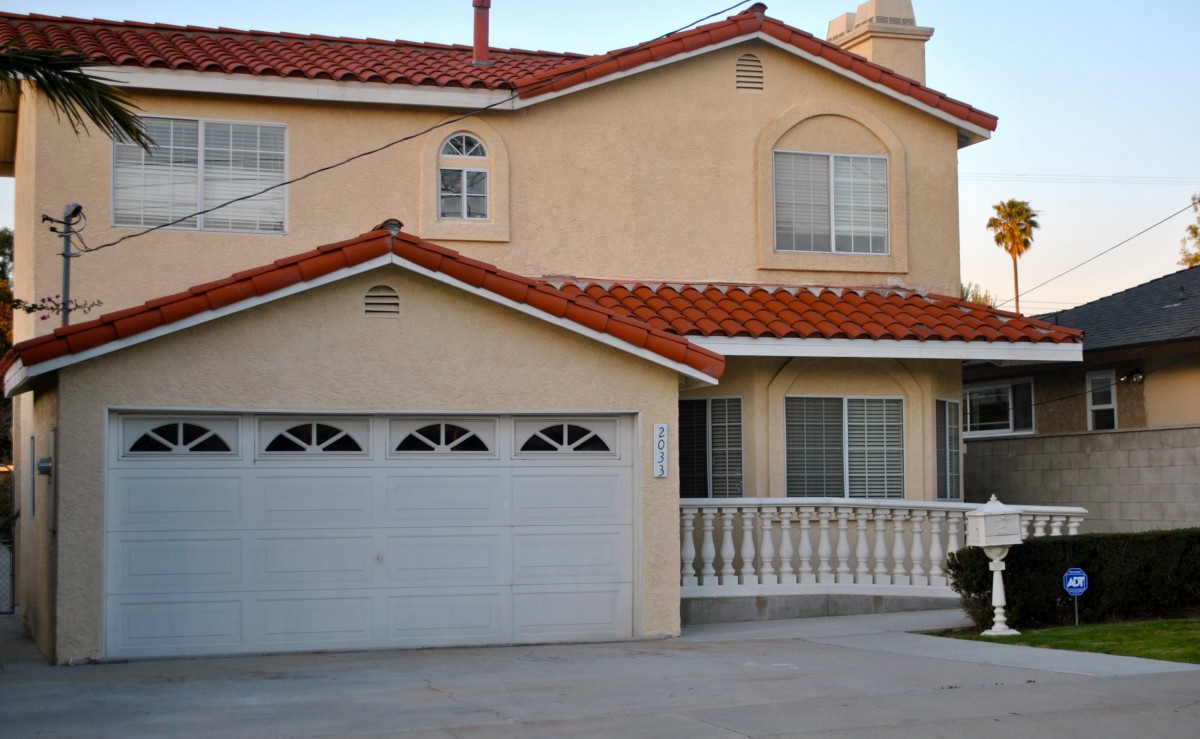
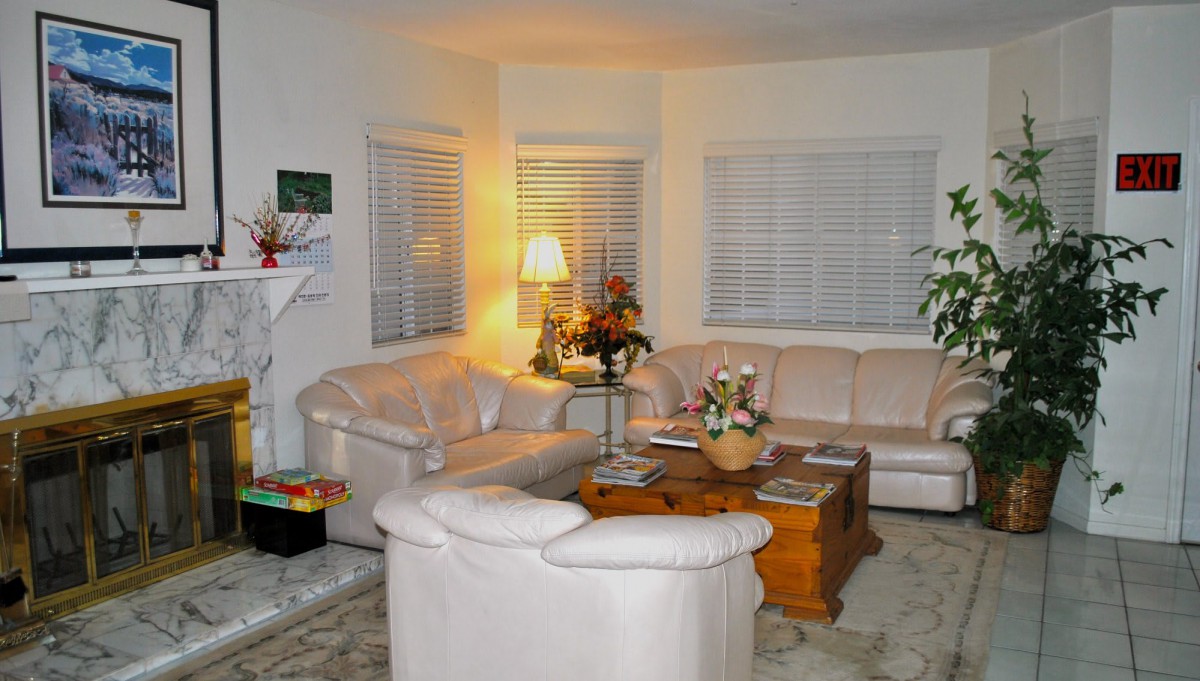
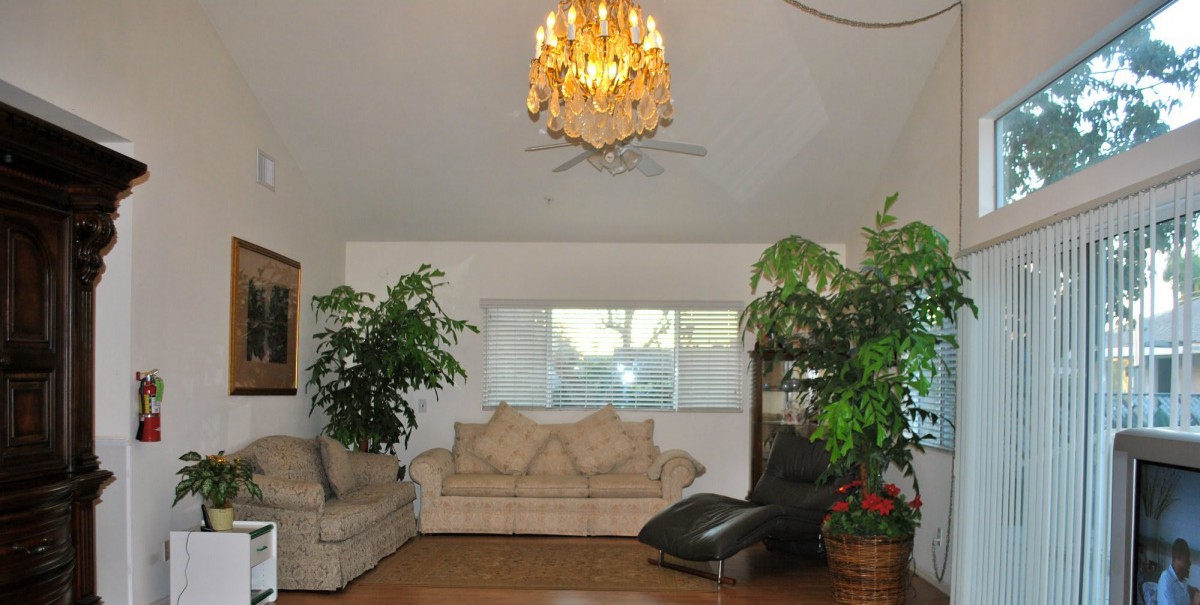
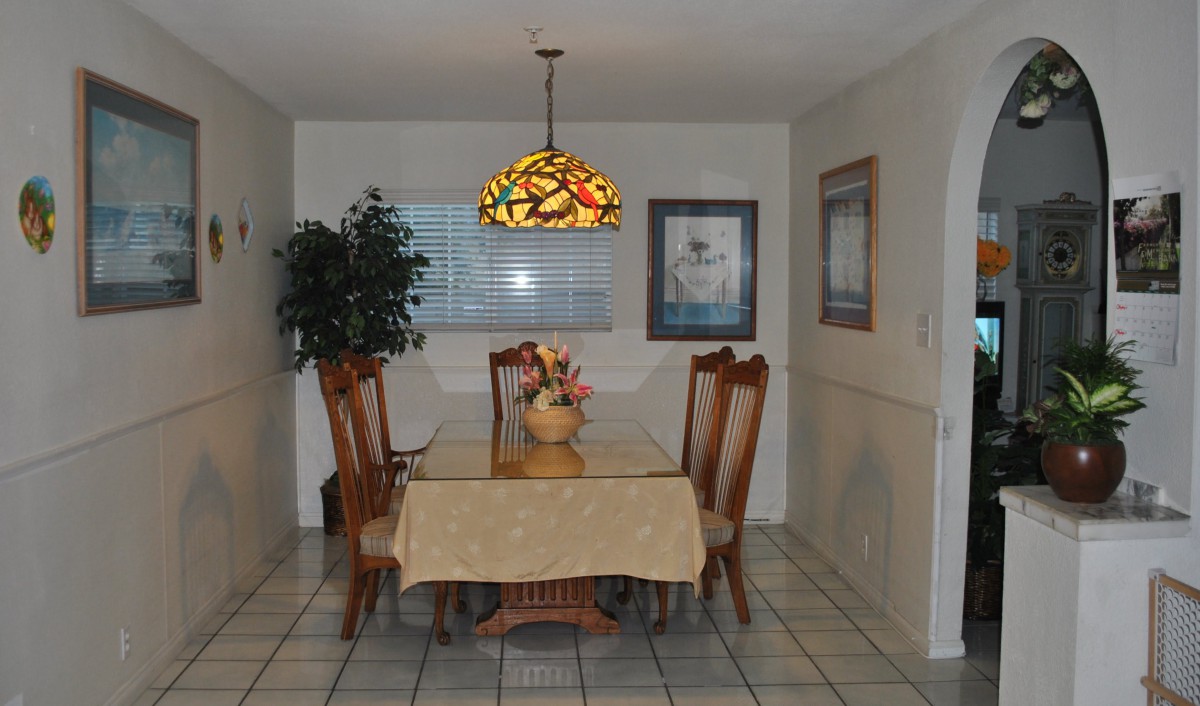
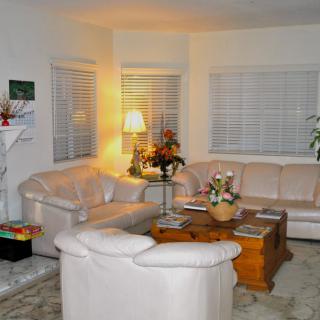
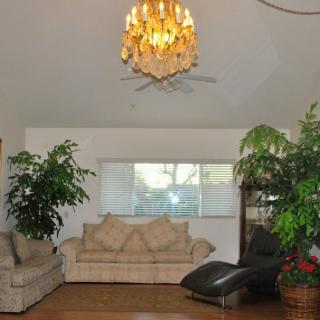
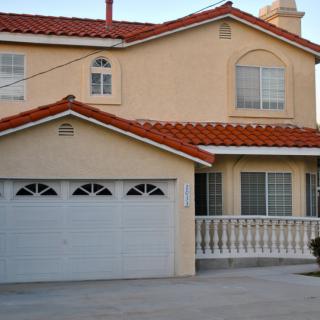
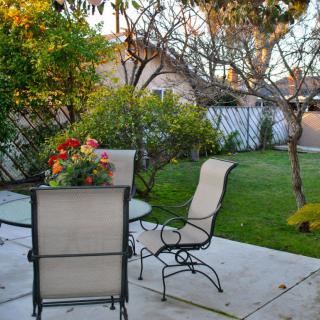
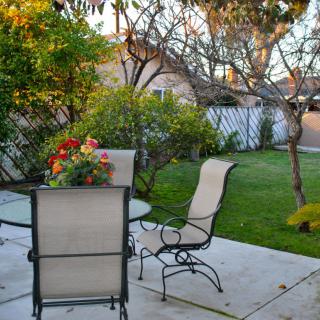
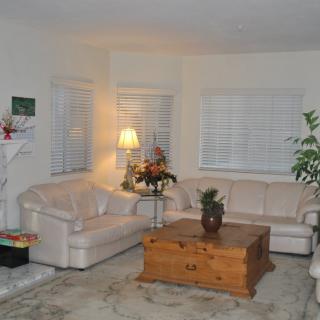
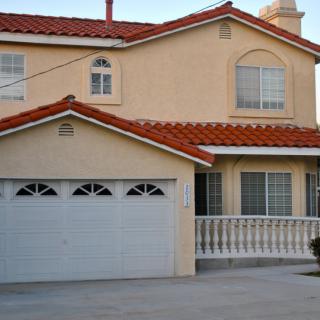
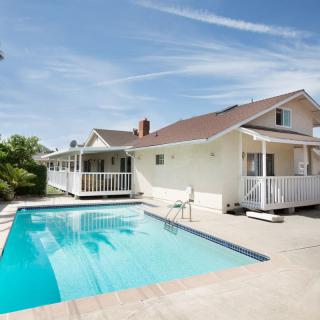
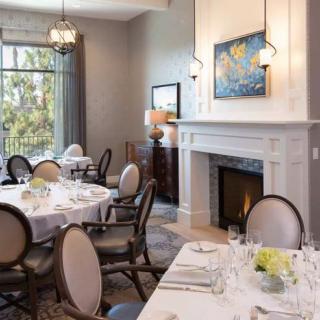
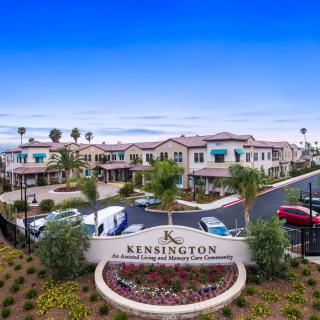
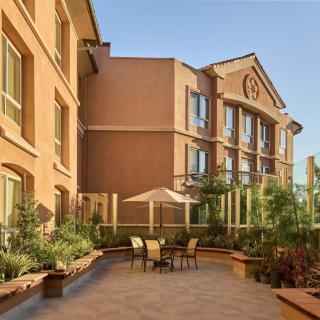
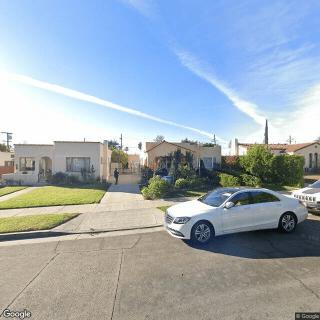
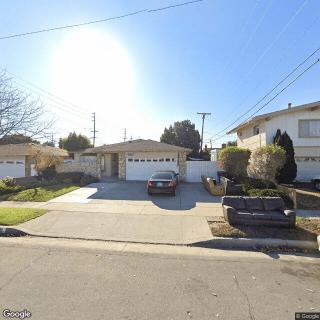
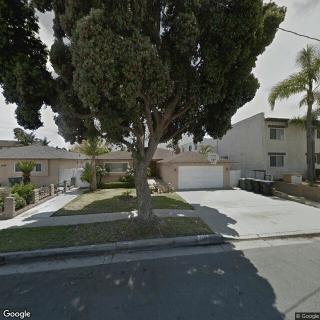
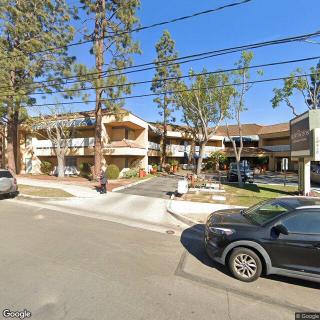
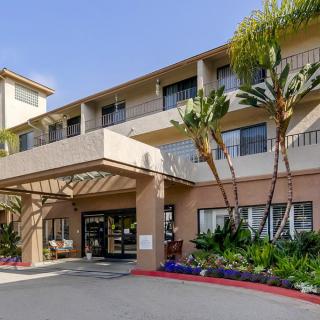
Kind Heart Home Care III on seniors.fyi includes 9 photos including images showing decor, indoor plants, living room, patio, garden, landscaping, garage, windows, and more.
Nearby Communities
Diamond Star Assisted Living
Torrance, CA
4 from 8 reviews
$4,500 / month
Pricing is below the LA County average.
Finest Living Guest Home II
Torrance, CA
4.4 from 13 reviews
Fully furnished rooms with 24-hour supervision and comprehensive care (ADL support, medication management, diabetes diet).
Golden Living Care Home
Torrance, CA
5 from 1 review
$2,800 to $3,200 / month
Specialized memory care with notably affordable pricing.
Westcoast II
Torrance, CA
Small, intimate board-and-care with comprehensive daily living support, meals, housekeeping, and medical coordination.
Diamond Villa III
Torrance, CA
3.5 from 4 reviews
$2,400 to $3,200 / month
Clean, well-maintained facility with friendly staff.
J and A Compassionate Care II
Torrance, CA
3.3 from 3 reviews
$2,899 to $3,900 / month
Clean, well-maintained facility with caring, communicative staff and engaging activities.
Royalwood Care Center
Torrance, CA
4.3 from 40 reviews
Comprehensive skilled nursing with 24-hour supervision and diverse amenities.
Huntington Retirement Hotel
Torrance, CA
4 from 41 reviews
$2,500 to $4,300 / month
Caring staff, clean and updated rooms, engaging activities, and strong family involvement.
Brookdale South Bay
Torrance, CA
4.7 from 78 reviews
$4,630 to $9,635 / month
Friendly staff, clean environment, and a broad range of activities and dining options create an engaging, welcoming community.
The guide on holistic dementia care outlines the complexity of dementia and stresses the need for individualized caregiver strategies that include medical treatment, psychological support, and environmental adaptations, while emphasizing early detection, various therapeutic options, and caregiver support to enhance quality of life and maintain dignity.
"Memory Care Pathways: A Holistic Guide to Dementia Support" outlines the complexities of dementia and its various types, emphasizing early detection, patient-centered care strategies, caregiver support, and long-term care options while addressing legal and financial considerations to enhance the quality of life for individuals with dementia and their families.
Sundown syndrome, or sundowning, is a phenomenon in dementia patients characterized by increased confusion and agitation during late afternoon and evening, influenced by factors like disrupted circadian rhythms and fatigue. Effective caregiver strategies include establishing routines and managing environmental light while addressing caregiver stress through support services.
Get PricingAsk A QuestionSchedule A TourContact Senior Advisor
By clicking submit, you agree to our Partner's Terms of Use. You
also consent to receive calls and texts, which may be autodialed, from our Partner. Your consent is not a condition to
using our Partner's service. Please visit our Partner's Privacy Policy for information about their privacy practices.


 6 resident community capacity
 Assisted Living
 Board and Care Home
 Memory Care
 Cats allowed
 Dogs allowed
 Activities off-site
 Bath tubs
 Beautician on-site
 Cable or satellite TV
 Devotional services off-site
 Dining room
 Fully furnished
 Garden
 Ground floor units
 Handicap accessible
 Housekeeping services
 Indoor common areas
 Move-in coordination
 Outdoor common areas
 Private
 Private bathrooms
 Respite or short term stays offered
 Telephone
 Wheelchair accessible showers
 Wi-Fi/high-speed internet available
 Long Beach (Daugherty) (9 miles away)
 24-hour supervision
 Assistance with bathing
 Assistance with dressing
 Assistance with transfers
 Diabetes diet
 Diabetic care
 High acuity care
 Meal preparation and service
 Medication management
 Special dietary restrictions
 Transportation arrangement (medical)
 Transportation to doctors appointments
 Educational speakers / life long learning
 Forever fit
 Karaoke
 Live dance or theater performances
 Live musical performances
 Live well programs
 Pricing is below the LA County average.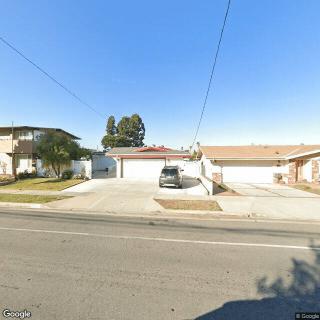
 A Holistic Dementia Care Guide: Effective Strategies for Memory Support
 Memory Care Pathways: A Holistic Guide to Dementia Support
 Comprehending Evening Confusion in Dementia: Causes, Manifestations, and Support