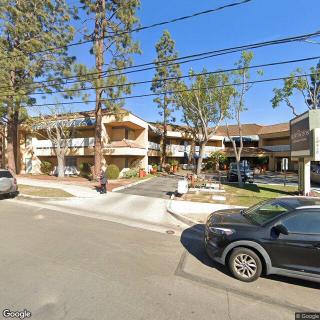
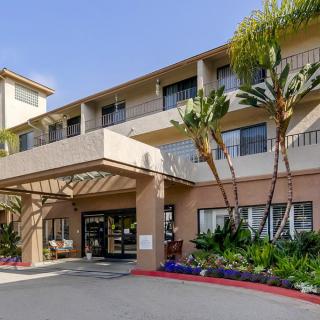
Finest Living Guest Home II

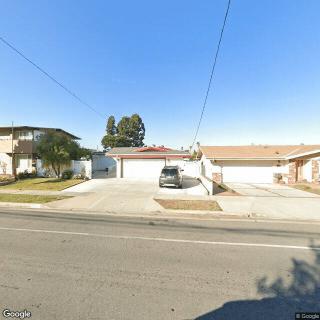
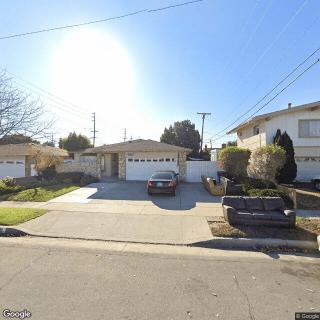
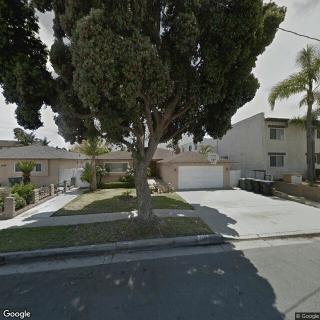
2104 West 230Th Street, Torrance, CA 90501

For more information about senior living options: (844) 490-3973

3.7 from 3 reviews
5 stars
2
4 stars
0
3 stars
0
2 stars
0
1 stars
1

Assisted Living Board and Care Home

What level of care are you interested in?

Assisted Living

Memory Care

Independent Living

Skilled Nursing Facility

Continuing Care Retirement Community (CCRC)CCRC

Other


Request a tour at Finest Living Guest Home II

    Overall Review of Finest Living Guest Home II

    Pros

    • pro Beautiful Homes' professionalism and attentiveness stand out in their South Bay senior living facilities.
    • pro The compassionate, dedicated staff uses up-to-date technology to provide personalized care tailored to each resident's emotional, mental, and physical needs.
    • pro The care providers' expertise and commitment to operational excellence shine through, instilling confidence in their ability to meet senior living demands.
    • pro The Cerise location comes highly recommended.
    • pro During October?November 2024, there were no reported issues with bathing or showering.
    • pro The weekend caregiver reported no difficulty with incontinence care and did not observe problematic behavior.
    • pro Sarita noted that the resident had improved by the end of February.

    Cons

    • pro Staff changes were not communicated to the family, with a male house manager named Jun taking supervisory duties without notice.
    • pro Jun recommended placing their mother on hospice care for incontinence concerns, a recommendation later contradicted by the mobile physician.
    • pro A visible bruise near the mother's eye appeared without prior notification, and staff could not explain its cause.
    • pro After medication adjustments, the mother became bedbound for nearly a week, with tremors and reduced mobility linked to the prescribed meds.
    • pro The mother sustained a knee bruise during the period of reduced mobility.
    • pro Additional medications were introduced to manage incontinence concerns, reportedly based on Jun and another caregiver's recommendations.
    • pro There was inconsistency between staff concerns about care and the weekend caregiver's report of no difficulty managing incontinence.
    • pro The mother's hair was cut without notice or consent, and the cut appeared uneven and unprofessional.
    • pro The first resident mentioned negative interactions with the house manager, reflecting poorly on management.
    • pro The contract includes an arbitration clause that limits legal recourse and precludes civil litigation.
    • pro Activities were minimal, with residents mostly indoors and little outdoor access or structured engagement.
    • pro Jun was often not present during unannounced visits, reportedly "running errands."

    Review

    What begins as a glowing impression of a South Bay senior living facility devoted to professional and compassionate care soon gives way to a much more complex and troubling picture. The account centers on the Cerise location and centers around a mother with Alzheimer's disease, admitted in September 2024, whose family initially felt confident in the facility's approach. The reviewer emphasizes that the staff were described as compassionate, dedicated, and attentive, using up-to-date technology to tailor care to emotional, mental, and physical needs. There is a strong sense that the team's expertise and commitment carried an expectation that the facility could deliver the personalized, home-like environment that a board-and-care setting promises, with a favorable caregiver-to-resident ratio and responsive, individualized attention. This initial optimism made later concerns all the more jarring, as the family repeatedly references experiences that undermined that early confidence.

    The narrative anchors around the mother's September 2024 admission. At that time, she was ambulatory, verbally communicative, and able to feed herself independently. She could walk to a nearby park - roughly a one-mile round trip - without assistance or incident. Two female caregivers were present during admission, reinforcing the sense of a high level of attention and support. This baseline creates a stark contrast with later observations, where changes in staff, routines, and communication increasingly undermined the constructive impression established at the outset.

    As fall turned into winter, the family notes a shift in caregiving dynamics. In October and November 2024, the mother began experiencing incontinence, a development that appears to have prompted managerial changes. A male house manager named Jun assumed a supervisory role during this period. The family reports no issues with bathing or showering, which might suggest some continuity of routine care, but there is a troubling gap in communication: the family was not informed of the staff change until after it had taken place. This lack of timely notification about leadership changes is highlighted as a problematic pattern that would recur in later events, contributing to a sense of uncertainty and diminished confidence in the facility's transparency.

    December 2024 brought a particularly contentious interaction around hospice care. Jun requested an in-person meeting to advocate for placing the mother on hospice care, citing difficulties with incontinence care. The family sought a second opinion from the mother's mobile physician, who concluded that hospice care was not warranted. In response, the plan shifted toward more regular visits by the mobile doctor. This episode underscores a tension between managerial recommendations and medical assessments, and it raises questions about who drives major care decisions and how those decisions are communicated to the family.

    The following January brought a troubling physical finding: a bruise near the mother's eye that had not been previously disclosed. When questioned, staff offered a vague explanation that the cause was "unknown." A photo of the bruise was reviewed by the mother's physician, who estimated the injury to be 3?4 days old at the time the photo was taken. The incident was reported to Los Angeles County, and it was noted that the family's ombudsman visit was scheduled for late March. This sequence - unexplained injury, lack of proactive notification, and external reporting - contributes to a growing sense of concern about oversight and accountability within the facility.

    February 2025 adds another layer to the narrative around incontinence management and medication. Staff continued to express concerns about the mother during diaper changes, and additional medication was introduced, reportedly at the recommendation of Jun and a caregiver named Sarita. The weekend caregiver, who had been with the facility since September, stated that she did not have difficulty managing incontinence care and did not observe problematic behavior. Yet Sarita asserted that the mother's condition had not improved, while Jun claimed that the behavior remained unchanged. These conflicting accounts from different staff members cast doubt on the consistency and reliability of care and communication, particularly around the management of sensitive daily needs.

    March 2025 brought a turning point in the mother's mobility and overall condition. Following medication adjustments, she became bedbound for nearly a week. The prescribing physician reduced the dosage after it was observed to cause tremors and impede mobility. During this period, the mother sustained a knee bruise, and the reviewer was notified. She exhibited significant walking difficulties and full-body tremors, symptoms attributed to the prescribed medication. The sequence of events suggests a delicate balance between symptom control and adverse side effects, with potentially serious implications for safety and quality of life.

    Beyond the timeline of medical and care events, the reviewer offers a broader set of observations that frame the facility's overall environment and governance. The decision to place the mother in a board-and-care setting was motivated by an expectation of a more personalized, home-like atmosphere with a higher caregiver-to-resident ratio. However, unannounced visits reveal that the house manager, Jun, was often not present, allegedly "running errands." Additional concerns include a haircut given to the resident without prior notice or consent, with the result described as uneven and unprofessional. The reviewer also notes that the Cerise facility had recently undergone renovations, and the first resident after the renovation, named Tracy, reportedly described negative interactions with Jun. These anecdotes contribute to a narrative of inconsistent leadership, communication gaps, and potentially troubling interpersonal dynamics within the staff team.

    Contractual and programmatic details further color the review. The family points to an arbitration clause within the facility's contract, which they describe as limiting legal recourse and precluding civil litigation, with the caveat that each facility is operated as a separate legal entity. They also critique the activities calendar, acknowledging its existence but noting that activities were minimal. Aside from limited participation in October and November, residents appeared to be indoors most of the time, with little outdoor access or structured engagement. Taken together, these observations raise questions about how the facility translates a stated commitment to engagement and enrichment into a lived daily experience for residents.

    In sum, the account presents a narrative that begins with strong, praising evidence of professionalism, compassionate care, and personalized attention, but evolves into a layered set of concerns. The mother's health trajectory - marked by incontinence, evolving mobility, a bruising incident, medication adjustments with tremors, and limited engagement - unfolds against a backdrop of perceived communication gaps, leadership turnover, and questions about oversight and accountability. The reviewer's final reflections emphasize the gap between the facility's advertised ideals and the lived reality observed in the Cerise location, including issues around staffing presence during unannounced visits, consent and autonomy in everyday care decisions such as haircuts, and the broader implications of an arbitration-based contract structure. For families evaluating similar settings, the account underscores the importance of proactive communication, transparent decision-making, consistent staffing, and clear, timely reporting of injuries or changes in health status, as well as close attention to how activities and outdoor opportunities align with the goal of maintaining independent functioning and engagement for residents.

    Features

    Housing

    • 6 resident community capacity 6 resident community capacity

    Types of Care

    • Assisted Living Assisted LivingAssisted living facilities provide crucial support and care for seniors who may need help with daily tasks such as medication management, bathing, and meal preparation. These communities offer a safe and comfortable environment where seniors can maintain their independence while receiving the assistance they need to thrive in their golden years.
    • Board and Care Home Board and Care HomeBoard and care homes provide a smaller, more intimate setting for seniors who require assistance with daily tasks but do not need the level of care offered by a nursing home. They offer personalized care, meals, and social activities in a homelike environment, ensuring that seniors receive individualized attention and support in their golden years.

    Amenities

    • Cable or satellite TV Cable or satellite TVCable or satellite TV is important for seniors because it provides entertainment, news, and companionship, helping to combat loneliness and boredom. It also offers a wide range of programming options tailored to different interests and preferences.
    • Dining room Dining roomDining rooms are important for seniors as they provide a space for socialization, connection, and nutritious meals. They offer opportunities for residents to bond over shared meals, foster a sense of community, and promote healthy eating habits. Dining rooms also ensure that seniors have access to well-balanced meals tailored to their dietary needs and preferences.
    • Fully furnished Fully furnishedFully furnished senior living communities are important for seniors because they provide convenience, comfort, and a hassle-free moving experience. Seniors can easily settle into their new living space without the stress of having to buy and move furniture. This allows them to focus on enjoying their new home and community.
    • Garden GardenGardens are important for seniors as they provide a peaceful and therapeutic environment for relaxation, physical activity, and socialization. Being in nature has been shown to reduce stress, improve mood, and promote overall well-being. Gardens also offer opportunities for seniors to engage in gardening activities, which can improve mobility, flexibility, and cognitive function. Additionally, gardens create a sense of community and connection with others who share a passion for plants and outdoor spaces.
    • Housekeeping services Housekeeping servicesHousekeeping services are important for seniors because they help maintain a clean and safe living environment, promote independence, and reduce the risk of accidents or illnesses. Additionally, having assistance with household chores can alleviate physical strain and allow seniors to focus on other aspects of their well-being.
    • Move-in coordination Move-in coordinationMove-in coordination is important for seniors because it helps ease the transition into their new living environment. It ensures that all logistics, such as packing, organizing movers, and setting up utilities are taken care of, allowing seniors to focus on settling in and adjusting to their new home. Having a smooth move-in process can alleviate stress and anxiety, making the transition smoother and more enjoyable for seniors.
    • Outdoor space Outdoor spaceOutdoor spaces are important for seniors as they provide opportunities for physical activity, social interaction, exposure to natural light and fresh air, and a sense of connection to nature. Having access to outdoor spaces can improve overall well-being and quality of life for older adults living in senior communities.
    • Telephone TelephoneTelephones are important for seniors as they provide a lifeline for communication with loved ones, emergency services, and healthcare providers. They offer a sense of security and independence, enabling seniors to stay connected and access assistance when needed.
    • Wi-Fi/high-speed internet available Wi-Fi/high-speed internet availableWi-Fi/high-speed internet is important for seniors to stay connected with loved ones, access online resources, and participate in virtual activities to combat feelings of loneliness and isolation. It also allows them to easily manage healthcare needs, access entertainment, and engage in lifelong learning opportunities.

    Transportation

    • Long Beach (Daugherty) (10 miles away) Long Beach (Daugherty) (10 miles away)
    • Los Angeles International (10 miles away) Los Angeles International (10 miles away)

    Care Services

    • 24-hour supervision 24-hour supervision24-hour supervision is important for seniors to ensure their safety, well-being, and access to immediate assistance in case of emergencies or health issues. This constant support provides peace of mind for both seniors and their loved ones, allowing them to age in place with dignity and security.
    • Activities of daily living assistance Activities of daily living assistanceActivities of daily living assistance are important for seniors because they provide essential support with tasks such as eating, bathing, dressing, and mobility. This assistance helps seniors maintain their independence, dignity, and overall quality of life as they age.
    • Assistance with bathing Assistance with bathingAssistance with bathing is crucial for seniors as it helps maintain personal hygiene, prevents infections, and ensures their overall well-being and comfort. It also provides a sense of dignity and independence for seniors who may struggle with this task on their own.
    • Assistance with dressing Assistance with dressingAssistance with dressing is important for seniors because it helps maintain their independence, promotes personal hygiene, prevents accidents and injuries, and improves overall quality of life. This service ensures that seniors can continue to dress comfortably and confidently, despite any physical limitations they may have.
    • Assistance with transfers Assistance with transfersAssistance with transfers is crucial for seniors as it helps prevent falls and injuries, maintains their independence, and ensures they can safely navigate their living environment. It also provides peace of mind for both seniors and their loved ones.
    • Coordination with health care providers Coordination with health care providersCoordination with health care providers is crucial for seniors to ensure proper medical care, medication management, and overall well-being. This collaboration helps prevent overlapping treatments, track progress more effectively, and provide comprehensive support tailored to individual needs.
    • Diabetes diet Diabetes dietA diabetes diet is crucial for seniors as it helps manage blood sugar levels, reduce risks of complications, and improve overall health and well-being. By following a balanced and nutritious diet tailored to their specific needs, seniors can better control their diabetes and enhance their quality of life.
    • Meal preparation and service Meal preparation and serviceMeal preparation and service are crucial for seniors as they may have limited mobility or energy to cook nutritious meals. Having access to healthy and convenient food options can ensure they are getting the proper nutrition needed to maintain their overall health and well-being.
    • Medication management Medication managementMedication management is crucial for seniors to ensure they are taking the right medications at the correct dosages and times. This helps prevent adverse drug interactions, reduces the risk of medication errors, and promotes overall health and well-being. Proactive management also allows for adjustments as needed based on changing health conditions or new prescriptions.
    • Special dietary restrictions Special dietary restrictionsSpecial dietary restrictions are important for seniors because age-related changes in metabolism and health conditions can make it difficult for their bodies to process certain foods. By following a diet tailored to their specific needs, seniors can maintain their overall health and well-being, manage chronic conditions, and reduce the risk of complications such as malnutrition or food interactions with medications.
    • Transportation arrangement (medical) Transportation arrangement (medical)Transportation arrangements for medical purposes are essential for seniors as they may have difficulty driving themselves to appointments or accessing public transportation. Having reliable and safe transportation options ensures that seniors can receive timely medical care and maintain their health and well-being.
    • Transportation to doctors appointments Transportation to doctors appointmentsTransportation to doctors' appointments is crucial for seniors as it ensures they have access to necessary medical care and support for their health needs. Without reliable transportation, seniors may struggle to attend important appointments, leading to potential delays in treatment and health complications. Providing transportation services helps seniors maintain their overall well-being and quality of life.

    Dining

    • Diabetes diet Diabetes dietA diabetes diet is crucial for seniors as it helps manage blood sugar levels, reduce risks of complications, and improve overall health and well-being. By following a balanced and nutritious diet tailored to their specific needs, seniors can better control their diabetes and enhance their quality of life.
    • Special dietary restrictions Special dietary restrictionsSpecial dietary restrictions are important for seniors because age-related changes in metabolism and health conditions can make it difficult for their bodies to process certain foods. By following a diet tailored to their specific needs, seniors can maintain their overall health and well-being, manage chronic conditions, and reduce the risk of complications such as malnutrition or food interactions with medications.

    Activities

    • Community-sponsored activities Community-sponsored activitiesCommunity-sponsored activities are important for seniors as they provide opportunities for social interaction, mental stimulation, and physical activity. These activities can help improve overall well-being, combat loneliness and isolation, and promote a sense of belonging and purpose among older adults.
    • Scheduled daily activities Scheduled daily activitiesScheduled daily activities are important for seniors because they provide structure, socialization, mental stimulation, and physical activity. Engaging in regular activities can improve overall well-being and quality of life for seniors living in a community setting.

    Description

    Finest Living Guest Home II is an exceptional board and care home located in the beautiful city of Torrance, CA. Our community offers a variety of high-quality services and amenities to ensure that our residents enjoy a comfortable and fulfilling lifestyle.

    Our fully furnished rooms provide a cozy and inviting atmosphere for our residents to feel at home. With housekeeping services, our dedicated staff ensures that each room is kept clean and tidy at all times. In addition, we offer move-in coordination assistance to make the transition into our community as smooth as possible.

    The outdoor space at Finest Living Guest Home II allows residents to enjoy fresh air and pleasant surroundings. Whether it's taking a leisurely stroll or simply sitting in the garden area, our outdoor space provides a peaceful escape for relaxation and enjoyment. Residents also have access to Wi-Fi/high-speed internet throughout the community, allowing them to stay connected with friends and family.

    At Finest Living Guest Home II, we prioritize the well-being of our residents by offering comprehensive care services. Our trained staff assists with activities of daily living, bathing, dressing, and transfers, ensuring that each resident receives personalized attention and support. We also coordinate with healthcare providers to ensure that medical needs are met, including medication management and diabetes diets if necessary.

    Nutritious meals are an important aspect of our community, which is why we provide meal preparation and service tailored to individual dietary restrictions. Special dietary needs are accommodated to ensure that each resident receives proper nutrition and enjoys delicious meals every day.

    Transportation arrangements for medical appointments are made for residents who require them, allowing easy access to necessary healthcare services. Additionally, there are various amenities nearby such as cafes, parks, pharmacies, restaurants, places of worship,and theaters for residents' convenience.

    To promote social engagement and mental stimulation, scheduled daily activities are organized within the community. These activities provide opportunities for residents to socialize with fellow seniors while enjoying hobbies or pursuing new interests.

    At Finest Living Guest Home II, we strive to create a welcoming and supportive environment for our residents, where their individual needs and preferences are met with personalized care and attention. Our commitment to providing the finest living experience ensures that each resident can truly enjoy their golden years in comfort and happiness.

    Nearby Places of Interest

    Pharmacies

    • Rite Aid (0.3 miles)
    • Walgreens (0.5 miles)
    • CVS Pharmacy (1.1 miles)
    • Walgreens (1.3 miles)
    • CVS Pharmacy (1.4 miles)
    • CVS Pharmacy (1.9 miles)
    • Rite Aid (2.2 miles)

    Parks

    • Sur La Brea Park (0.5 miles)
    • Charles H. Wilson Park (0.8 miles)
    • De Portola Park (2.2 miles)
    • Sunnyglen Park (4 miles)
    • Noble Park (5.8 miles)
    • Polliwog Park (6.2 miles)
    • Shoreline Aquatic Park (8.1 miles)

    Restaurants

    • King's Hawaiian Bakery (1.1 miles)
    • In-N-Out Burger (1.1 miles)
    • Tendon Tempura Carlos Junior Restaurant (1.2 miles)
    • Lazy Dog Restaurant & Bar (2.1 miles)
    • Monkish Brewing (2.1 miles)
    • In-N-Out Burger (3 miles)
    • McDonald's (3.2 miles)

    Physicians

    • Harbor Ucla Medical Center - David Durkovich Do (1.6 miles)
    • Monica B Espiritu M.D. | Kaiser Permanente (2.3 miles)
    • Lighthouse Pediatrics (2.4 miles)
    • Paulson Theresa A Palos Verdes Dermatology Rolling Hills Estates (4.4 miles)
    • UCLA Health Manhattan Beach Pediatrics (6.6 miles)

    Theaters

    • AMC Rolling Hills 2 (1.8 miles)
    • AMC Del Amo 18 (2.1 miles)
    • AMC DINE-IN South Bay Galleria 16 (4.4 miles)

    Cafes

    • Sidecar Doughnuts & Coffee (1.9 miles)
    • Lees Sandwiches - Gard (4 miles)
    • Starbucks (5.4 miles)
    • Donut King 2 (5.4 miles)
    • Corner Bakery Cafe (7.2 miles)
    • Starbucks (8 miles)
    • Starbucks (8.9 miles)

    Places of Worship

    • St Catherine Laboure Church (4.4 miles)
    • Peninsula Community Church (4.7 miles)

    Transportation

    • Metro - Willow Street Station (7.4 miles)
    • Metro Rail - Hawthorne/Lennox (8.3 miles)
    • Aviation/LAX Metro Station (8.5 miles)
    • Komar Aviation Group (9.1 miles)

    Hospitals

    • Martin Luther King Jr / Drew Medical Center (8.6 miles)

    Frequently Asked Questions

    Where is Finest Living Guest Home II?

    Nearby Communities

    Related Resources

    • assisted living vs nursing homeChoosing the Right Senior Care: A Detailed Exploration of Assisted Living and Nursing Homes

      Choosing between assisted living and nursing homes involves evaluating emotional and financial factors, with assisted living offering independence and support for daily activities at a lower cost, while nursing homes provide intensive medical care for individuals with significant health needs. The decision is influenced by personal preferences, health status, cognitive function, and varying Medicaid coverage across states.

    • assisted living costUnderstanding the True Cost of Assisted Living in 2025: A Comprehensive Guide

      Assisted living in 2025 offers a crucial balance of independence and support for seniors, with costs varying from $2,500 to over $7,000 per month based on factors such as location and care level. Understanding pricing complexities, including regional differences and potential hidden fees, is essential for families to plan financially while ensuring quality care for their loved ones.

    • does medicaid pay for assisted livingUnderstanding Medicaid Coverage for Assisted Living: A Comprehensive Guide

      The guide outlines the complexities of Medicaid coverage for assisted living, highlighting significant state-to-state variations, limited coverage often restricted to personal care services, and the existence of specialized waivers for certain needs like memory care. It advises families to consult local Medicaid offices for options while emphasizing the importance of understanding state-specific regulations and facility policies.


    Get Pricing Ask A Question Schedule A Tour Contact Senior Advisor