
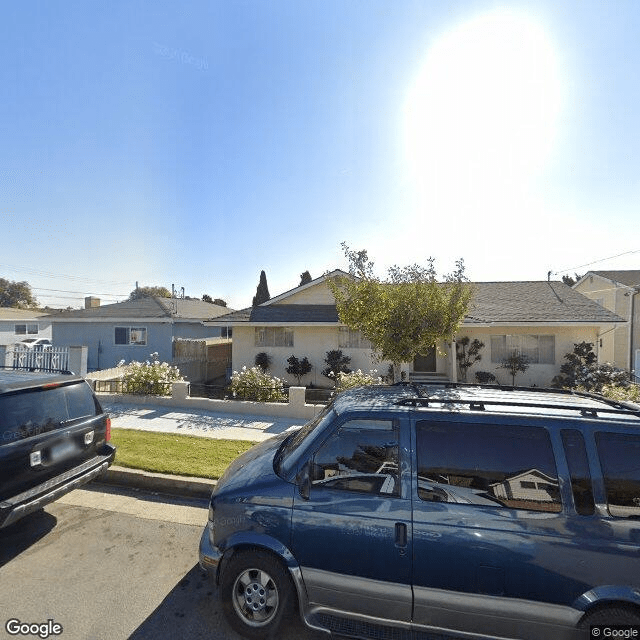
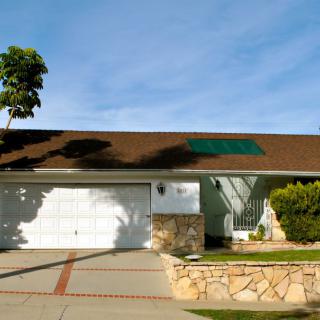
2054 W 238th St, Torrance, CA 90501
To contact a resident: (310) 483-6965
For more information about senior living options: (866) 208-4318
At Home Elderly Care Costs & Pricing
When considering at-home elderly care, the costs can vary significantly by location. In Los Angeles County, the average monthly expense for semi-private care is approximately $3,349, which is slightly lower than the $3,500 charged for similar services in the at-home setting. For private care, however, the dynamics shift; while in-home care averages at $4,000 per month, it remains competitive against Los Angeles County's higher rate of $4,197. When assessed against the broader state averages - $3,333 for semi-private and $3,939 for private - at-home elderly care offers a compelling option for families seeking personalized support while potentially managing costs effectively. This comparative analysis underscores the importance of evaluating not just service type but also geographic variations as families navigate elder care decisions.
| Floor plans | At Home Elderly Care | Los Angeles County | California |
|---|---|---|---|
| Semi-Private | $3,500 | $3,349 | $3,333 |
| Private | $4,000 | $4,197 | $3,939 |
Senior living communities with a similar price nearby
-
About the same
Kind Heart Home Care VI
$3,500 to $5,000 / month1.3 miles away -
About the same
Loving Home Care
$3,500 to $4,500 / month18.5 miles away -
from -$200 / mo

Bella Manor II
$3,300 to $4,290 / month13.5 miles away -
from +$500 / mo
Palomino Residential Care
$4,000 to $6,000 / month19.4 miles away -
from +$500 / mo
Loving Care Facility for the Elderly
$4,000 to $5,975 / month21.3 miles away
Overall Review of At Home Elderly Care
Pros
 The caregivers provide 24-hour care for the mother, giving her family peace of mind.
- They treat the mother as if she were their own, cooking wonderful meals and showing exceptional compassion, care, and connection.
- Daily photos and videos of meals, garden time, and exercises keep the family informed of her day.
- The mother's quality of life in her golden years is clearly enhanced, and she appears happy with the care.
- The supervisor, Norman, is intelligent, competent, caring, and responsible, consistently aware of her details and quick to respond when urgent care is needed.
- The administrative staff are friendly and caring, contributing to an overall positive experience.
Cons
 None detected in the provided review.
Review
This Torrance in-home care offering is best suited for families seeking 24/7, hands-on support delivered in the senior’s own home, with a clear throughline of compassionate caregiving and meticulous family communication. It is ideal for loved ones who need daily structure, regular assistance with meals and exercise, and ongoing supervision that borders on a trusted partnership rather than a simple service. The model shines for seniors with dementia or memory challenges, where consistent routines and personal connection can meaningfully improve quality of life while giving families peace of mind from afar.
For those weighing alternatives, this option may not be the right fit when medical nursing oversight around the clock is non-negotiable or when a more social, facility-based setting is desired. If a family seeks on-site licensed nursing staff for complex medical tasks, or if they prefer a centralized campus with peer engagement and built-in social activities, exploring assisted living or skilled nursing communities could be warranted. In short, families prioritizing home-based autonomy and highly personalized oversight will favor this approach, while those prioritizing facility amenities or advanced medical staffing may want to compare options.
The standout strengths center on the human connection and robust communication loop. caregivers provide attentive, home-cooked meals, companionship, and consistent engagement that makes daily life feel well managed rather than improvised. The daily cadence, photos of meals and time in the garden, videos of exercise routines, and a detailed rundown of the day’s events, cultivates unmistakable reassurance for families that cannot be physically present. A dedicated supervisor keeps the big picture in view, noticing when urgent medical attention is needed and accompanying a loved one to care facilities as necessary. The administrative team’s friendly, responsive demeanor further reinforces that the operation is serious about reliability.
Where the model earns its keep is how these positives address common in-home care tradeoffs. The intimate, caregiver-to-client relationship can risk inconsistency, yet the presence of a competent supervisor who tracks specifics and escalates concerns quickly reduces this fear substantially. Regular, transparent updates dissolve the “unknowns” that worry families watching from afar. Meals, activity engagement, and emotional warmth translate into meaningful daily gains for a resident with dementia, while the caregiver network’s demonstrated willingness to coordinate urgent care can avert medical missteps. In effect, the core advantages, compassionate staffing, steady oversight, and proactive communication, largely offset the typical downsides of home care.
Practical due diligence matters more than ever before. Prospective families should confirm how caregiver assignments are made, whether there is a primary caregiver and a back-up plan, and how the supervisor integrates with medical providers when changes occur. Ask to see a detailed care plan, inquire about emergency protocols, and request real-world examples of how daily updates were used to adjust routines. It is wise to review costs and any potential fluctuations, understand the exact scope of “24-hour care” (live-in versus rotating shifts), and request references to gauge long-term caregiver stability. The best programs mirror the level of coordination demonstrated by the cited supervisor, ensuring continuity even during staffing transitions.
Bottom line: for families prioritizing reliable, home-based care delivered with heart, clear updates, and strong administrative oversight, this Torrance option stands out as a practical, capable choice. It delivers the intimacy and daily touch that can keep a loved one with dementia thriving at home, while providing the kind of documented communication that lets distant families sleep easier. The trade-off is living without a campus atmosphere or on-site nursing for every health need, so those factors should steer the decision toward facility-based care if medical intensity or social programming at scale is paramount. Overall, this model represents a high-confidence fit for households seeking consistent, person-centered care in the familiar environs of home.
 Board and Care Home
 Cats allowed
 Dogs allowed
 Activities on-site
 Beautician on-site
 Indoor common areas
 Outdoor common areas
 Private
 Private bathrooms
 Respite or short term stays offered
 Wheelchair accessible showers
 Long Beach (Daugherty) (9 miles away)
 Diabetic care
 Incontinence care
 Medication management
 Meals provided
 Urinary Tract Infections in Older Adults: Comprehensive Insights on Symptoms, Treatment, and Prevention
 California's Form 602A: An In-Depth Examination of Senior Care Assessment
 Comprehensive Look at Senior Blood Pressure Charts: Normal and Elevated Levels by Age