
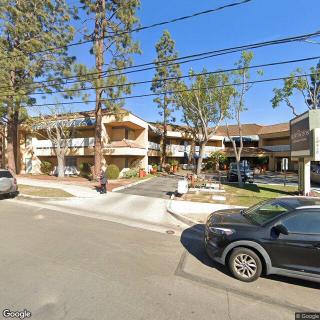
2104 West 242Nd Street, Lomita, CA 90717
For more information about senior living options: (866) 208-4318
Overall Review of Twin Homecare - A
Cons
 The facility is unkempt.
- Residents are not adequately cared for.
- The caregivers provide only the bare minimum and are short-staffed.
Review
Twin Homecare - A in Lomita, CA is best suited for residents whose care needs are minimal and who can rely on a strong external support network to fill gaps. The facility’s very premise, small, home-like settings, may appeal to families seeking a less clinical environment, but the recent assessment makes clear that actual care delivery does not meet even modest standards. This community works only if a resident can survive on basic supervision and light assistance while someone else, outside the walls, coordinates and delivers most of the hands-on care. In short, it is a niche option for the rare case where needs are demonstrably low and family or private caregivers can compensate reliably for institutional shortcomings.
Those evaluating alternatives should flag residents with memory impairment, mobility challenges, frequent medical oversight, or behavioral concerns as unlikely to receive sufficient support here. Families should consider other Lomita options that offer stronger staffing, more consistent routines, and better maintenance of living spaces. For anyone prioritizing safety, prompt assistance, and predictable daily schedules, this community should not be the baseline. In practice, the best-fit candidates are those who can function with minimal hands-on care and who have access to dependable external caregivers to step in whenever staff fall short.
The most critical takeaway is that the downsides, the upkeep gaps, the apparent lack of attentive supervision, and staffing shortages, dwarf any potential conveniences. When caregivers do the bare minimum and shifts are chronically short-staffed, essential aspects of daily life suffer: timely help with dressing, mobility, personal hygiene, timely medication administration, and timely response to alarms or falls become inconsistent at best. The physical environment appears not to be maintained to the level expected in a legitimate assisted living, which compounds safety and health concerns. In such a setting, the risk to resident welfare escalates quickly, and trust in routine checks, hydration, nutrition, and cognitive engagement erodes.
There are virtually no evident advantages that can meaningfully offset these pervasive weaknesses. If any so-called positives exist, they are faint and unproven: a compact, home-style footprint might superficially suggest a quieter, more personalized experience, but without reliable staffing and maintenance, such an impression rings hollow. The absence of clear, meaningful strengths makes the care failures more consequential. Prospective residents should weigh this imbalance carefully, recognizing that even modest comfort factors are unlikely to translate into safer, more responsive care in the current setup.
Practical steps for due diligence are essential before making a decision. Inspect the facility in person, request to observe a shift change, and speak with the on-site staff about their training, turnover, and how emergencies are managed on weekends. Demand a current, written care plan that outlines daily routines, medication administration, transportation, meals, and activity programming, along with evidence of regular nurse oversight and supervisory visits. Ask for recent inspection or survey results, incident logs, and resident or family contact with administrators, and verify follow-through on any past deficiencies. If compliance and accountability aren’t demonstrated, walk away.
Ultimately, this community is not recommended for most families. The combination of neglect signals and staffing instability creates a risk posture that is unacceptable for anyone needing reliable daily care. Alternatives in Lomita or nearby communities that emphasize higher staffing ratios, stronger maintenance, and clearer accountability will deliver far greater confidence and peace of mind. If budget constraints are a driving factor, consider escalating to in-home care options with professional aides who can provide consistent, tailored support in a familiar home setting. The right choice balances safety, dignity, and dependable care, this option, as described, fails to deliver on those critical metrics.
 6 resident community capacity
 Assisted Living
 Board and Care Home
 Cable or satellite TV
 Dining room
 Fully furnished
 Garden
 Housekeeping services
 Move-in coordination
 Outdoor space
 Telephone
 Wi-Fi/high-speed internet available
 Long Beach (Daugherty) (10 miles away)
 24-hour supervision
 Activities of daily living assistance
 Assistance with bathing
 Assistance with dressing
 Assistance with transfers
 Diabetes diet
 Meal preparation and service
 Medication management
 Special dietary restrictions
 Transportation arrangement (medical)
 Transportation to doctors appointments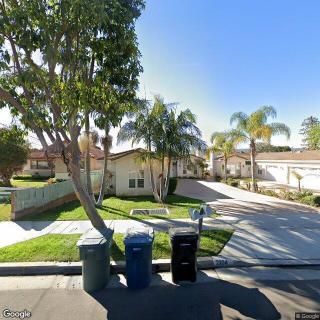
 Friendly staff and spacious, well-maintained rooms.


 Understanding Medicaid Coverage for Assisted Living: A Comprehensive Guide
 How and When Medicaid May Cover Assisted Living Costs
 A Detailed Exploration of Assisted Living Medicaid Waivers Across the United States