Lomita Post-Acute Care Center in Lomita, CA

Save

Lomita Post-Acute Care Center in Lomita, CA

Information last verified:

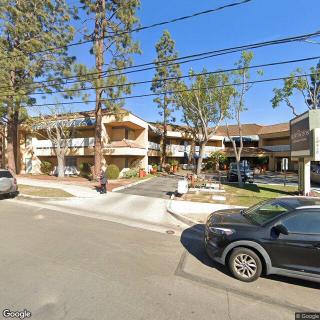
1955 Lomita Boulevard, Lomita, CA 90717

For more information about senior living options: (844) 490-3973

4.9 from 109 reviews
5 stars
106
4 stars
2
3 stars
0
2 stars
0
1 stars
1

Seniors.FYI Elite Community Awards

Top 5% Senior Living Community in 2025Top 5% Senior Living Community in 2026

Add this award to your website

Overall Review of Lomita Post-Acute Care Center

Pros

  • pro The staff are friendly, professional, and genuinely compassionate toward residents.
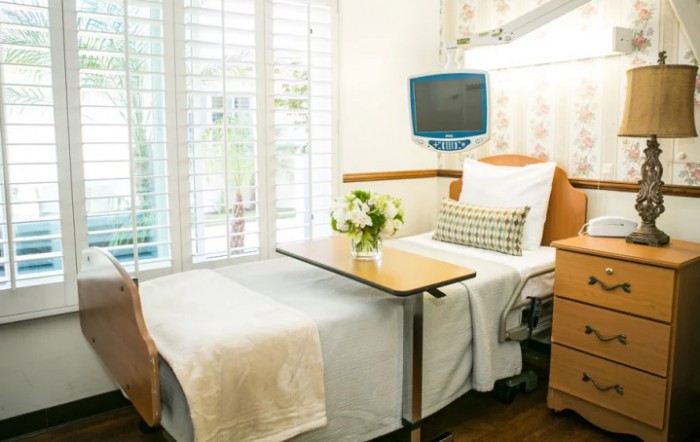
  • pro The facility is clean, well-maintained, and welcoming, like a home.
  • pro The rehabilitation team delivers outstanding physical and occupational therapy.
  • pro Leadership and administration resolve issues quickly and efficiently.
  • pro Monique is an exceptionally caring CNA who goes above and beyond for her patients.
  • pro Tayde at the front desk is consistently kind, respectful, and makes visitors feel welcome.
  • pro The team works together harmoniously, creating a warm, family-like atmosphere.
  • pro Families feel supported and treated like part of the Lomita family.
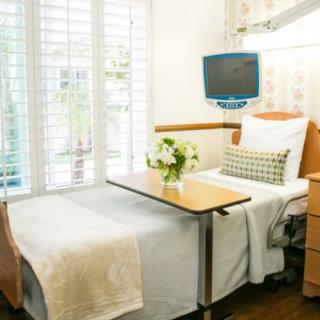
  • pro The center offers private rooms and a comforting environment for recovery.
  • pro The staff provide personalized care and truly listen to residents' needs.

Cons

  • pro They warned others not to send their loved ones there.
  • pro They described nurses hosing their grandmother down in her room with the sliding glass door open while it was raining outside.
  • pro They claimed the staff were lucky they let them live.
  • pro They criticized the social services office for poor communication and a lack of transparency about the release protocol (a two-hour back-and-forth).
  • pro They noted the smallest room had no window and limited TV channels, viewing it negatively.
  • pro They reported their mother suffered head and body injuries and was hospitalized.

Review

Lomita Post-Acute Care Center is best suited for families seeking aggressive, well-coordinated post-hospital rehabilitation for loved ones who may recover with intensive therapy, particularly after hip or pelvic injuries, major fractures, or surgeries. The center consistently earns praise for its robust PT/OT programs, highly capable nursing care, and a warm, home-like atmosphere that helps residents regain confidence during a challenging recovery window. Private rooms are a notable plus for those who value privacy and a quieter recovery environment, while the overall demeanor of staff, appearing genuine, cheerful, and committed, makes the center feel less like a clinical corridor and more like a dedicated rehabilitation community.

That said, some families may want to consider alternatives. A single, strongly negative account raises legitimate safety concerns that should not be brushed aside: allegations of a patient safety lapse tied to how care was administered. While this view is not the prevailing experience across hundreds of entries, it illustrates the importance of firsthand verification, visits, conversations with direct care staff, and a review of current incident and safety records before committing. Additionally, for residents whose needs extend beyond short-term rehab, particularly those requiring long-term memory care, specialized dementia programming, or a more structured long-term living environment, other facilities with explicit memory-care pathways and longer-term care models may be a better match. Prospective movers should also probe discharge processes and social services transparency, as a few reviews flag communication gaps around release planning and eligibility.

The strongest case rests on the center’s proportional emphasis on therapy-driven recovery and the hands-on dedication of frontline caregivers. Families repeatedly highlight the PT/OT teams as the linchpin of recovery, with therapists and aides immersed in rebuilding strength, balance, and functional independence. The care teams are described as highly trained, attentive, and collaborative, with physicians and nurses coordinating promptly on pain control, wound care, and progress toward home readiness. The facility’s leadership, committed administrators, organized dietary and activity staff, and managers who stay involved in resident progress, helps sustain continuity of care. The environment itself reinforces success: clean facilities, organized administrative processes, and a mood that mixes professional rigor with genuine warmth.

Another pillar of Lomita’s appeal is its culture. The reviews converge on a consensus: the staff feel like a family, and that familial atmosphere translates into consistent, compassionate care. Individual expressions of gratitude toward staff such as CNAs, wound nurses, therapists, and even receptionists underscore a workplace where employees take ownership of residents’ comfort and progress. The combination of approachable leadership, thoughtful activity programming, and a responsive front-desk team creates a milieu in which residents feel seen and families feel reassured. For many families, this atmosphere directly translates into trust that their loved ones will be treated with dignity, respect, and patient-centered decision-making during critical recovery moments.

Yet the center is not without caveats. The most notable risk factor is the rare but pointed negative account of mistreatment and a serious incident that culminated in injuries. While the overwhelming chorus is of praise, this outlier urges a disciplined due diligence approach: verify current safety protocols, tour with a focus on wound care and fall prevention, and request a direct line of sight to how incident reporting is handled today. Beyond that, a few reviewers report friction around social services communication and discharge logistics, signaling the need for explicit, written discharge plans and clear timelines. From a practical standpoint, even in a top-rated facility, the more a prospective family can confirm about staffing stability, care coordination, and transparency, the more confident the decision becomes.

When weighing pros against cons, Lomita Post-Acute Care Center’s strengths tend to outweigh its risks for most rehab-focused stays. The facility’s medical and rehabilitative capabilities, the depth of PT/OT expertise, the attentiveness of nursing staff, and the supportive, home-like environment, provide a strong foundation for meaningful recovery and timely return home. The privacy afforded by private rooms, combined with a track record of clean, well-maintained spaces and a staff culture that many describe as hopeful and uplifting, further compounds the value proposition. The single negative account, while severe in its tone, appears isolated against a broad landscape of consistently high praise and measurable recovery outcomes. This makes the center a compelling option for families prioritizing high-quality rehab and a positive care climate, provided due diligence confirms ongoing safety standards and transparent processes.

For families actively choosing a post-acute rehab partner, a practical next step is to schedule a face-to-face assessment with the rehab director and tour the unit with a focus on the therapists’ approach, wound care practices, and the cadence of progress notes. Request to observe a therapy session, speak with current residents and families, and review current incident reports and safety audits. Confirm the availability of private rooms and the specifics of room assignments, dietary accommodations, and activity programming that align with the resident’s interests and recovery goals. Clarify discharge planning timelines, Medicare/insurance coordination, and the exact criteria used to determine home readiness. In the end, Lomita Post-Acute Care Center stands out as a premier South Bay option for short-term rehab, with its footprint of skilled rehab, compassionate care, and a culture that often feels like family, yet it should be chosen with a careful check on safety history and transparency of operations to ensure continued confidence throughout the recovery journey.

Features

Housing

  • 71 resident community capacity 71 resident community capacity

Types of Care

  • Skilled Nursing Facility Skilled Nursing FacilitySkilled Nursing Facilities are crucial for seniors as they provide round-the-clock medical care, rehabilitation services, and assistance with daily activities. These facilities ensure that seniors receive the specialized care they need to maintain their health and well-being as they age.

Amenities

  • Air-conditioning Air-conditioningAir conditioning is important for seniors as they are more vulnerable to heat-related illnesses and may have underlying health conditions that make it difficult for them to regulate their body temperature. It helps to keep them comfortable, safe, and healthy in hot weather.
  • Beauty salon Beauty salonBeauty salons are important for seniors because they provide a space for them to feel pampered, socialize, and maintain their personal grooming and hygiene. Regular visits to a beauty salon can help boost seniors' self-esteem and overall well-being.
  • Cable or satellite TV Cable or satellite TVCable or satellite TV is important for seniors because it provides entertainment, news, and companionship, helping to combat loneliness and boredom. It also offers a wide range of programming options tailored to different interests and preferences.
  • Computer center Computer centerA computer center is essential for seniors as it provides access to technology, communication tools, and resources that can enhance their daily lives. It allows them to stay connected with loved ones, engage in online activities, and learn new skills, ultimately promoting socialization and mental stimulation.
  • Dining room Dining roomDining rooms are important for seniors as they provide a space for socialization, connection, and nutritious meals. They offer opportunities for residents to bond over shared meals, foster a sense of community, and promote healthy eating habits. Dining rooms also ensure that seniors have access to well-balanced meals tailored to their dietary needs and preferences.
  • Fitness room Fitness roomHaving a fitness room in a senior living community is essential for seniors to stay active, maintain their physical health, and improve their overall well-being. Regular exercise can help prevent falls, reduce the risk of chronic diseases, and promote mental sharpness. It also provides social opportunities for residents to connect with others and enjoy a sense of community.
  • Fully furnished Fully furnishedFully furnished senior living communities are important for seniors because they provide convenience, comfort, and a hassle-free moving experience. Seniors can easily settle into their new living space without the stress of having to buy and move furniture. This allows them to focus on enjoying their new home and community.
  • Gaming room Gaming roomGaming rooms are important for seniors as they provide a fun and engaging environment for socializing, cognitive stimulation, and physical activity. Games can improve memory, problem-solving skills, and overall mental well-being while fostering friendships and reducing feelings of isolation.
  • Garden GardenGardens are important for seniors as they provide a peaceful and therapeutic environment for relaxation, physical activity, and socialization. Being in nature has been shown to reduce stress, improve mood, and promote overall well-being. Gardens also offer opportunities for seniors to engage in gardening activities, which can improve mobility, flexibility, and cognitive function. Additionally, gardens create a sense of community and connection with others who share a passion for plants and outdoor spaces.
  • Housekeeping services Housekeeping servicesHousekeeping services are important for seniors because they help maintain a clean and safe living environment, promote independence, and reduce the risk of accidents or illnesses. Additionally, having assistance with household chores can alleviate physical strain and allow seniors to focus on other aspects of their well-being.
  • Kitchenette KitchenetteKitchenettes are important for seniors living in senior living communities because they provide the convenience and independence of being able to prepare simple meals and snacks in the comfort of their own living space. This can help promote a sense of autonomy and well-being for seniors, allowing them to maintain some level of control over their dietary choices and daily routines.
  • Move-in coordination Move-in coordinationMove-in coordination is important for seniors because it helps ease the transition into their new living environment. It ensures that all logistics, such as packing, organizing movers, and setting up utilities are taken care of, allowing seniors to focus on settling in and adjusting to their new home. Having a smooth move-in process can alleviate stress and anxiety, making the transition smoother and more enjoyable for seniors.
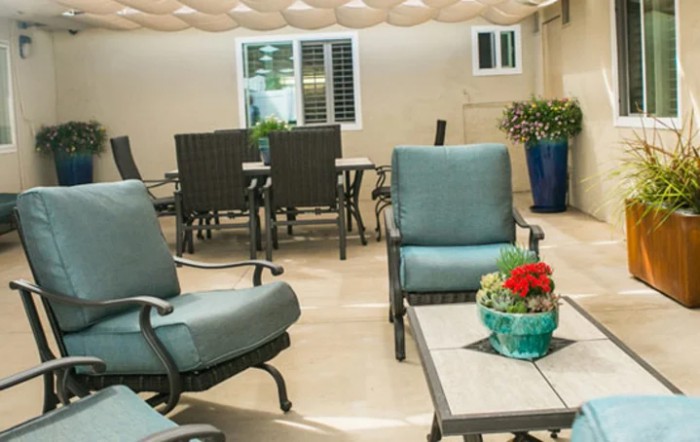
  • Outdoor space Outdoor spaceOutdoor spaces are important for seniors as they provide opportunities for physical activity, social interaction, exposure to natural light and fresh air, and a sense of connection to nature. Having access to outdoor spaces can improve overall well-being and quality of life for older adults living in senior communities.
  • Private bathrooms Private bathroomsPrivate bathrooms are important for seniors in senior living communities because they provide independence, dignity, and comfort. Having a private bathroom allows seniors to maintain their personal hygiene routines without the need for assistance, promoting a sense of autonomy and privacy. Additionally, private bathrooms help prevent the spread of infections and provide a safe and clean environment for seniors to navigate safely.
  • Restaurant-style dining Restaurant-style diningRestaurant-style dining is important for seniors because it allows them to enjoy delicious, nutritious meals in a social and upscale setting. This enhances their dining experience, promotes healthy eating habits, and fosters socialization with fellow residents, ultimately contributing to their overall well-being and quality of life.
  • Small library Small librarySmall libraries are important for seniors as they provide access to a variety of reading materials, including books, newspapers, and magazines. This can help stimulate their minds, keep them engaged, and provide a sense of community through book clubs and other social activities. Additionally, reading has been shown to improve cognitive function and overall mental well-being in older adults.
  • Telephone TelephoneTelephones are important for seniors as they provide a lifeline for communication with loved ones, emergency services, and healthcare providers. They offer a sense of security and independence, enabling seniors to stay connected and access assistance when needed.
  • Wellness center Wellness centerWellness centers are important for seniors because they offer a variety of programs and services that promote physical, mental, and emotional well-being. These centers provide opportunities for exercise, socialization, education, and relaxation, helping seniors maintain their overall health and quality of life.
  • Wi-Fi/high-speed internet available Wi-Fi/high-speed internet availableWi-Fi/high-speed internet is important for seniors to stay connected with loved ones, access online resources, and participate in virtual activities to combat feelings of loneliness and isolation. It also allows them to easily manage healthcare needs, access entertainment, and engage in lifelong learning opportunities.

Transportation

  • Long Beach (Daugherty) (9 miles away) Long Beach (Daugherty) (9 miles away)
  • Los Angeles International (11 miles away) Los Angeles International (11 miles away)
  • Community operated transportation Community operated transportationCommunity operated transportation is crucial for seniors as it provides them with the means to access essential services, social activities, and medical appointments. It allows seniors to maintain their independence and quality of life by ensuring they can participate in activities outside of their homes. Additionally, community-operated transportation services offer a safe and reliable way for seniors to travel without having to rely on family or friends for assistance.
  • Transportation arrangement Transportation arrangementTransportation arrangements are crucial for seniors as they may face challenges with driving, mobility, or access to public transportation. Having reliable transportation services ensures that seniors can easily attend appointments, social activities, and maintain their independence and quality of life.
  • Transportation arrangement (non-medical) Transportation arrangement (non-medical)Transportation arrangements are essential for seniors as they provide access to essential services, activities, and social interactions outside the home. This service helps maintain independence, mobility, and overall well-being for seniors who may have limited transportation options.
  • Transportation to doctors appointments Transportation to doctors appointmentsTransportation to doctors appointments is crucial for seniors as it ensures they have access to necessary medical care and support, promoting their health and well-being. It allows them to receive timely treatment, monitor existing conditions, and address any new health concerns efficiently. Additionally, transportation services can help seniors maintain their independence and quality of life by enabling them to stay connected with their healthcare providers.

Care Services

  • 12-16 hour nursing 12-16 hour nursing12-16 hour nursing care is crucial for seniors in order to ensure around-the-clock monitoring, timely medication administration, and prompt response to any health concerns or emergencies. This level of care helps to promote the overall well-being and safety of seniors living in senior living communities.
  • 24-hour call system 24-hour call system24-hour call systems are important for seniors because they provide peace of mind and immediate assistance in case of emergencies. This technology ensures that help is always available, promoting safety and security for elderly individuals living alone or in assisted living facilities.
  • 24-hour supervision 24-hour supervision24-hour supervision is important for seniors to ensure their safety, well-being, and access to immediate assistance in case of emergencies or health issues. This constant support provides peace of mind for both seniors and their loved ones, allowing them to age in place with dignity and security.
  • Activities of daily living assistance Activities of daily living assistanceActivities of daily living assistance are important for seniors because they provide essential support with tasks such as eating, bathing, dressing, and mobility. This assistance helps seniors maintain their independence, dignity, and overall quality of life as they age.
  • Assistance with bathing Assistance with bathingAssistance with bathing is crucial for seniors as it helps maintain personal hygiene, prevents infections, and ensures their overall well-being and comfort. It also provides a sense of dignity and independence for seniors who may struggle with this task on their own.
  • Assistance with dressing Assistance with dressingAssistance with dressing is important for seniors because it helps maintain their independence, promotes personal hygiene, prevents accidents and injuries, and improves overall quality of life. This service ensures that seniors can continue to dress comfortably and confidently, despite any physical limitations they may have.
  • Assistance with transfers Assistance with transfersAssistance with transfers is crucial for seniors as it helps prevent falls and injuries, maintains their independence, and ensures they can safely navigate their living environment. It also provides peace of mind for both seniors and their loved ones.
  • Diabetes diet Diabetes dietA diabetes diet is crucial for seniors as it helps manage blood sugar levels, reduce risks of complications, and improve overall health and well-being. By following a balanced and nutritious diet tailored to their specific needs, seniors can better control their diabetes and enhance their quality of life.
  • Meal preparation and service Meal preparation and serviceMeal preparation and service are crucial for seniors as they may have limited mobility or energy to cook nutritious meals. Having access to healthy and convenient food options can ensure they are getting the proper nutrition needed to maintain their overall health and well-being.
  • Medication management Medication managementMedication management is crucial for seniors to ensure they are taking the right medications at the correct dosages and times. This helps prevent adverse drug interactions, reduces the risk of medication errors, and promotes overall health and well-being. Proactive management also allows for adjustments as needed based on changing health conditions or new prescriptions.
  • Mental wellness program Mental wellness programMental wellness programs are essential for seniors as they promote cognitive stimulation, emotional support, and social engagement. These programs help prevent isolation, depression, and cognitive decline, ultimately enhancing the overall quality of life for older adults.
  • Special dietary restrictions Special dietary restrictionsSpecial dietary restrictions are important for seniors because age-related changes in metabolism and health conditions can make it difficult for their bodies to process certain foods. By following a diet tailored to their specific needs, seniors can maintain their overall health and well-being, manage chronic conditions, and reduce the risk of complications such as malnutrition or food interactions with medications.

Dining

  • Diabetes diet Diabetes dietA diabetes diet is crucial for seniors as it helps manage blood sugar levels, reduce risks of complications, and improve overall health and well-being. By following a balanced and nutritious diet tailored to their specific needs, seniors can better control their diabetes and enhance their quality of life.
  • Special dietary restrictions Special dietary restrictionsSpecial dietary restrictions are important for seniors because age-related changes in metabolism and health conditions can make it difficult for their bodies to process certain foods. By following a diet tailored to their specific needs, seniors can maintain their overall health and well-being, manage chronic conditions, and reduce the risk of complications such as malnutrition or food interactions with medications.

Activities

  • Community-sponsored activities Community-sponsored activitiesCommunity-sponsored activities are important for seniors as they provide opportunities for social interaction, mental stimulation, and physical activity. These activities can help improve overall well-being, combat loneliness and isolation, and promote a sense of belonging and purpose among older adults.
  • Concierge services Concierge servicesConcierge services are essential for seniors as they provide assistance with daily tasks and errands, enhance their quality of life by offering convenience and personalized care, and promote a sense of safety and security.
  • Fitness programs Fitness programsFitness programs are crucial for seniors as they help improve strength, flexibility, balance, and overall well-being. Staying active can reduce the risk of chronic diseases, improve mental health, and enhance quality of life in older adults.
  • Planned day trips Planned day tripsPlanned day trips are important for seniors because they offer opportunities for socialization, mental stimulation, and physical activity. They provide a change of scenery and help seniors stay engaged and connected to their community, promoting overall well-being and quality of life.
  • Resident-run activities Resident-run activitiesResident-run activities are important for seniors as they encourage social interaction, creativity, and a sense of autonomy. These activities empower seniors to stay engaged and active in their community while fostering meaningful connections with their peers.
  • Scheduled daily activities Scheduled daily activitiesScheduled daily activities are important for seniors because they provide structure, socialization, mental stimulation, and physical activity. Engaging in regular activities can improve overall well-being and quality of life for seniors living in a community setting.

Description

Lomita Post-Acute Care Center is an exceptional assisted living community located in Lomita, CA. Our center offers a wide range of amenities and care services to ensure the comfort and well-being of our residents.

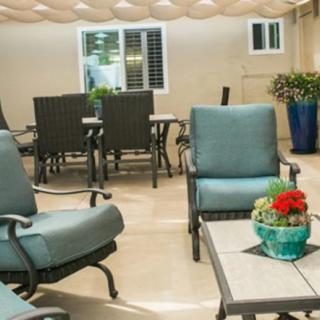
Our residents can enjoy luxurious amenities such as a beauty salon, fully furnished accommodations, a gaming room, and a small library. For those who like to stay active, we have a fitness room and outdoor spaces where they can exercise or just relax in nature. Our dining room provides restaurant-style dining with delicious meals prepared by our professional chefs. Residents also have access to a computer center and Wi-Fi/high-speed internet for their technological needs.

We understand the importance of individual care needs. That's why we offer 24-hour supervision and assistance with activities of daily living such as bathing, dressing, and transfers. Our dedicated staff is trained to provide medication management, diabetes diet support, special dietary restrictions, and mental wellness programs.

At Lomita Post-Acute Care Center, we strive to create an engaging community environment. Residents can participate in scheduled daily activities and resident-run activities. We also organize planned day trips to nearby attractions for everyone's enjoyment.

Convenience is at the forefront of our community. With numerous pharmacies, physicians' offices, restaurants, cafes, parks, places of worship, and theaters nearby, residents have easy access to all they need within close proximity.

Choose Lomita Post-Acute Care Center for unparalleled assisted living care that combines top-notch amenities with personalized service.

Nearby Places of Interest

Pharmacies

  • CVS Pharmacy (0.7 miles)
  • Walgreens (1.2 miles)
  • CVS Pharmacy (1.3 miles)
  • Rite Aid (1.4 miles)
  • Walgreens (2.2 miles)
  • CVS Pharmacy (2.2 miles)
  • Walgreens (2.5 miles)

Parks

  • Sur La Brea Park (0.7 miles)
  • De Portola Park (1.8 miles)
  • Charles H. Wilson Park (1.9 miles)
  • Sunnyglen Park (4.9 miles)
  • Noble Park (6.7 miles)
  • Polliwog Park (7.3 miles)
  • Shoreline Aquatic Park (7.4 miles)

Restaurants

  • In-N-Out Burger (0.9 miles)
  • King's Hawaiian Bakery (2 miles)
  • Tendon Tempura Carlos Junior Restaurant (2.3 miles)
  • Lazy Dog Restaurant & Bar (3 miles)
  • Monkish Brewing (3.2 miles)
  • McDonald's (4 miles)
  • In-N-Out Burger (4.1 miles)

Theaters

  • AMC Rolling Hills 2 (1 miles)
  • AMC Del Amo 18 (3 miles)
  • AMC DINE-IN South Bay Galleria 16 (5.5 miles)

Cafes

  • Sidecar Doughnuts & Coffee (1.2 miles)
  • Lees Sandwiches - Gard (5.1 miles)
  • Starbucks (6.3 miles)
  • Donut King 2 (6.6 miles)
  • Starbucks (7.4 miles)
  • Corner Bakery Cafe (8.2 miles)
  • Starbucks (8.8 miles)

Physicians

  • Monica B Espiritu M.D. | Kaiser Permanente (1.3 miles)
  • Harbor Ucla Medical Center - David Durkovich Do (2.3 miles)
  • Lighthouse Pediatrics (3.4 miles)
  • Paulson Theresa A Palos Verdes Dermatology Rolling Hills Estates (3.8 miles)
  • UCLA Health Manhattan Beach Pediatrics (7.6 miles)

Places of Worship

  • Peninsula Community Church (4.2 miles)
  • St Catherine Laboure Church (5.6 miles)

Transportation

  • Metro - Willow Street Station (7.1 miles)
  • Port Of Long Beach (8.5 miles)
  • Komar Aviation Group (9 miles)
  • Metro Rail - Hawthorne/Lennox (9.5 miles)
  • Aviation/LAX Metro Station (9.7 miles)

Hospitals

  • Martin Luther King Jr / Drew Medical Center (9.5 miles)

Frequently Asked Questions

Where is Lomita Post-Acute Care Center?
What photos are available for Lomita Post-Acute Care Center in Lomita, California?

Nearby Communities

  • Sunshine Home Care II

    Sunshine Home Care II

    Lomita, CA

    4.6 from 7 reviews
    $3,800 to $4,800 / month

    pro Compassionate, attentive staff and a clean, well-maintained environment.

  • Sunshine Board And Care

    Sunshine Board And Care

    Lomita, CA

    5 from 1 review
     

    pro Intimate 6-bed community with personalized care, meals, housekeeping, and transportation support.

  • Lomita Kiwanis Gardens

    Lomita Kiwanis Gardens

    Lomita, CA

    5 from 3 reviews
     

    pro Nearby parks, cafes, pharmacies, doctors, restaurants, worship, and theaters.

  • TLC Guest Home

    TLC Guest Home

    Lomita, CA

    5 from 4 reviews
    $2,000 to $3,000 / month

    pro Beautiful, quiet, clean environment with responsive staff and nourishing meals.

  • Montoak Senior Living

    Montoak Senior Living

    Lomita, CA


    pro Warm, home-like board-and-care with furnished rooms, personalized meals, transport, and daily activities.

  • Global Elderly Care Facility

    Global Elderly Care Facility

    Lomita, CA

    5 from 1 review
    $5,995 / month

    pro Intimate 6-bed facility with 24-hour supervision, daily living assistance, and diabetes-friendly meals.

  • Royalwood Care Center

    Royalwood Care Center

    Torrance, CA

    4.3 from 40 reviews
     

    pro Comprehensive skilled nursing with 24-hour supervision and diverse amenities.

  • Senior Manor Care

    Senior Manor Care

    Rancho Palos Verdes, CA

    4.4 from 21 reviews
    $3,000 to $4,500 / month

    pro Compassionate staff, private furnished rooms with en-suite baths, on-site activities, and diet-accommodating dining.

  • Huntington Retirement Hotel

    Huntington Retirement Hotel

    Torrance, CA

    4 from 41 reviews
    $2,500 to $4,300 / month

    pro Caring staff, clean and updated rooms, engaging activities, and strong family involvement.

Related Resources

  • low impact exercises for seniorsHighly Beneficial Low-Impact Exercises for Senior Living Residents

    Low-impact exercises are vital for seniors as they promote health, independence, and social interaction while reducing joint strain. These adaptable activities, guided by healthcare professionals, enhance strength, flexibility, and emotional well-being.

  • is home health care tax deductibleIs In-Home Healthcare Tax Deductible? Your Comprehensive Guide
    The guide details the tax deductibility of in-home healthcare expenses according to IRS guidelines, differentiating between medically necessary services and non-medical assistance, while emphasizing the need for proper documentation and itemization requirements. It also highlights state-level variations, the importance of record-keeping, and encourages seeking professional tax help to understand evolving regulations.

  • gardening for seniorsNurturing Well-Being Through Gardening: A Detailed Guide for Senior Enthusiasts


    Gardening provides seniors with physical exercise, mental and emotional support, and social interaction opportunities, while accommodating their needs through raised beds and ergonomic tools. It promotes health benefits like improved dexterity and cardiovascular health, encourages sustainable practices, and allows for manageable upkeep with low-maintenance plants.