
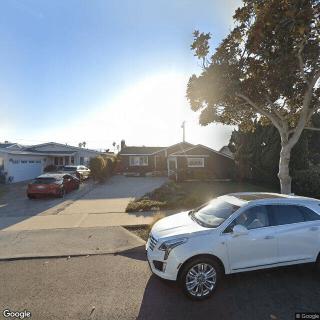
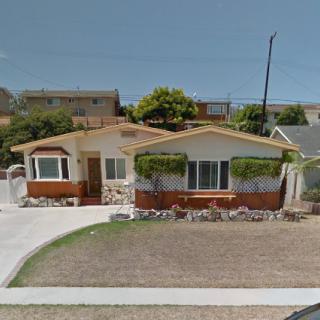
22521 Redbeam Avenue, Torrance, CA 90505
For more information about senior living options: (866) 208-4318
Overall Review of Adorable Redbeam Home
Pros
 The care at Adorable Redbeam home is outstanding.
- Luz, who runs the home, provides updates with photos during times when visits aren’t possible.
- The home is very clean, and the food served is healthy and neatly prepared.
- The staff are kind and attentive to the residents.
- The daily schedule includes activities that keep residents engaged rather than just sitting and watching TV.
- Residents appear happy and are served well-balanced meals with social distancing observed.
- The environment is safe with no hazards, and cleanliness and precautions are consistently followed.
- Mobility improvements have been observed, with some residents able to pace across the room without a walker after exercise.
Review
Adorable Redbeam Home in Torrance is best suited for families seeking a small, home-like assisted living environment where an elder receives highly personalized attention, predictable daily routines, and a constant sense of warmth. The operation appears tightly run, with Luz at the helm, producing a setting in which caregivers know residents well, meals feel homestyle, and daily life is structured around care plus purposeful activity. This community is not a large campus with glitzy amenities; it is a compact, clean, human-scale option that prioritizes consistent caregiving and easy family communication.
For families weighing alternatives, this setting may fall short for residents requiring higher-acuity medical oversight or specialized memory care. Those with complex nursing needs, frequent clinical interventions, or cognitive conditions needing dedicated memory-care programming may find the level of on-site medical support inadequate. Likewise, if a preference exists for a broader array of campus amenities or a facility with a more formal medical model, larger or more specialized communities will likely be more suitable. This is a prudent consideration for planning scenarios where medical complexity or social programming needs exceed what a small home can comfortably accommodate.
The strongest advantages are concrete and repeatedly emphasized by families and professionals. The quality of food and general care stands out, with meals described as healthy, well balanced, and appetizing, and staff consistently praised for kindness and attentiveness. Cleanliness is a recurrent theme, with residents living in a tidy, hazard-free environment where precautions are clearly in place. The activities program ensures residents are engaged rather than left idle, promoting social interaction and ongoing stimulation. An OT-professional’s visit reinforced the impression of capable care and a well-maintained setting, underscoring that resident welfare is monitored by both staff and outside professionals.
Mobility and daily wellness receive particular attention in the observed programming. One notable example is the use of a vibrating-machine routine for therapeutic whole-body workouts, paired with short, regular sessions in the morning and evening. The account describes a resident who, aided by these interventions, progressed from limited walking to greater pace, an outcome that illustrates the facility’s forward-leaning approach to functional improvement. Coupled with nutritious meals and vigilant staffing, these elements help offset common age-related challenges, making the home feel proactive rather than reactive in its care philosophy.
The principal caveat, inferred from the material, is that the model excels for steady, engaged elders who benefit from intimate supervision and consistent, person-centered routines, but it may not be the best match for residents needing 24/7 clinical management or highly specialized therapies. The size and structure imply more individualized attention than a larger facility can guarantee, yet they also limit the breadth of on-site medical resources and advanced programming available in more expansive communities. In practice, however, the visible strengths, responsiveness, clean surroundings, nutritious meals, and meaningful activity, tend to compensate for these limits when the resident’s needs align with a home-like, less medicalized care setting.
When evaluating Adorable Redbeam Home, focus on practical realities. Tour the residence with an eye for staffing patterns and responsiveness, confirm access to licensed medical support and on-site nursing if needed, and verify that the activity schedule can be tailored to mobility levels and personal interests. Review the dietary options in depth, observe meal times, and ask about how input from family is incorporated and how updates are communicated. Inquire about the availability and continuity of therapies similar to the vibrating-machine program, and request concrete examples of resident progress and how assessments are documented. The most reliable indicators will be consistency in cleanliness, staff attentiveness, and the degree to which daily life feels active and safe.
Bottom line: Adorable Redbeam Home represents a compelling choice for families prioritizing a warm, intimate environment where cleanliness, nutritious meals, and proactive engagement are embedded in daily life. It suits elders who thrive on steady routines, personal attention, and meaningful activities, and it offers credible reassurance through caregiver warmth and professional oversight. For those whose loved one requires high-level medical supervision, complex memory-care needs, or expansive campus amenities, alternatives deserve consideration. With careful due diligence and a candid tour, this community can deliver peace of mind grounded in three pillars, quality daily care, transparent communication, and a dignified, home-centered living experience.
 6 resident community capacity
 Assisted Living
 Cable or satellite TV
 Dining room
 Fully furnished
 Garden
 Housekeeping services
 Move-in coordination
 Outdoor space
 Telephone
 Wi-Fi/high-speed internet available
 Los Angeles International (8 miles away)
 24-hour supervision
 Activities of daily living assistance
 Assistance with bathing
 Assistance with dressing
 Assistance with transfers
 Diabetes diet
 Meal preparation and service
 Medication management
 Special dietary restrictions
 Transportation arrangement (medical)
 Transportation to doctors appointments



 Securing Financial Support for Assisted Living: A Comprehensive Overview
 Social Security Benefits and Assisted Living: Navigating Options Across the U.S.
 An Extensive Exploration of the VA Aid and Attendance Benefit