
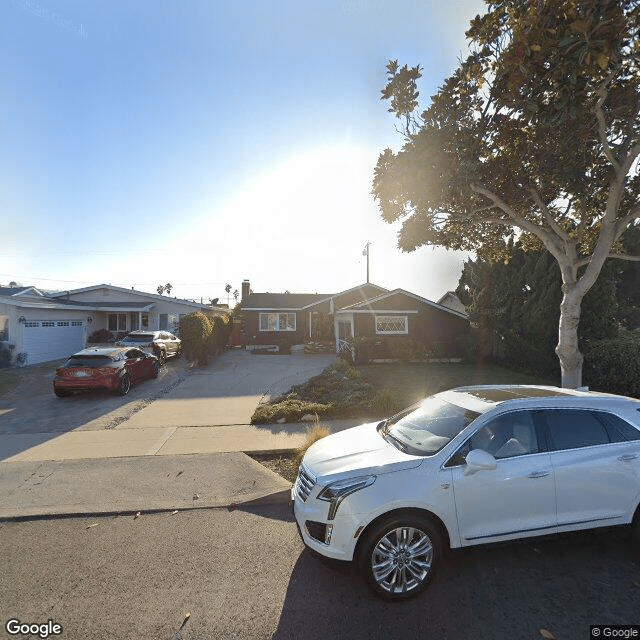
402 Avenue E, Redondo Beach, CA 90277
To contact a resident: (310) 539-9414
For more information about senior living options: (866) 208-4318
Avenue Guest Home Costs & Pricing
Avenue Guest Home offers competitive monthly rates for both semi-private and private room accommodations, making it an attractive option for those seeking assisted living in the Los Angeles area. For a semi-private room, Avenue Guest Home charges $2,500, significantly lower than the Los Angeles County average of $3,349 and slightly below the California state average of $3,333. In terms of private rooms, residents at Avenue Guest Home pay $3,600 per month, which is more affordable than the Los Angeles County's average of $4,197 and aligns closely with California's statewide average of $3,939. This positioning underscores Avenue Guest Home's commitment to providing quality care at accessible rates within a competitive market.
| Floor plans | Avenue Guest Home | Los Angeles County | California |
|---|---|---|---|
| Semi-Private | $2,500 | $3,349 | $3,333 |
| Private | $3,600 | $4,197 | $3,939 |
Senior living communities with a similar price nearby
-
from -$100 / mo
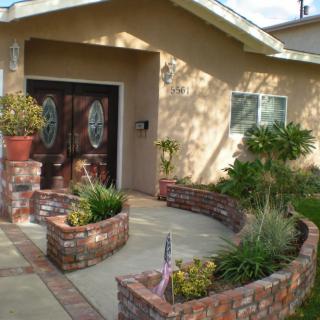
Living Well Care Home
$2,400 to $3,200 / month14.8 miles away -
About the same
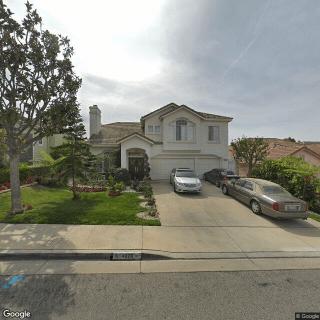
Eleanor's Residential Home
$2,500 to $6,000 / month12.1 miles away -
from -$200 / mo
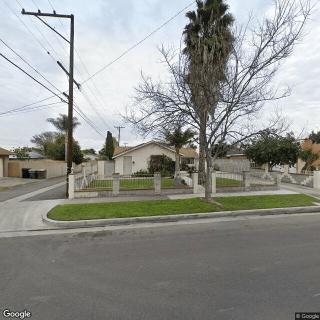
Bronwyn Residential Care
$2,300 to $3,500 / month22.6 miles away -
from +$300 / mo
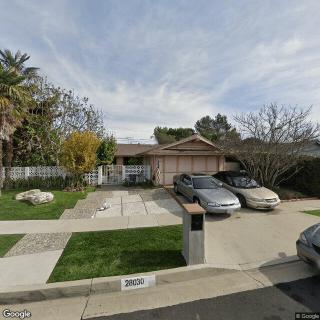
Angels Home Care
$2,800 to $3,800 / month2.9 miles away -
from +$350 / mo
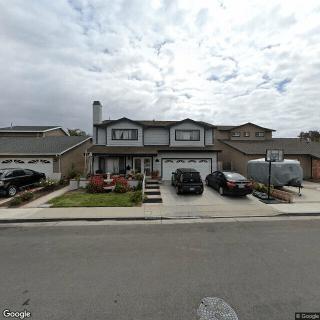
Alternative Senior Care - Freshwater
$2,850 to $3,250 / month22.7 miles away
Overall Review of Avenue Guest Home
Pros
 The care she received was adequate.
- The staff was caring and helpful.
- It seems to be the best fit so far.
- They adapt to her needs.
Cons
 The facility is dirty and sparsely furnished.
- The television did not work for the entire month, and residents were told not to use it.
- The vacuum was broken, so no vacuuming was done.
- There were no activities or games.
- The food was sub-standard and did not accommodate her dietary needs.
- It is disappointing to know that places like this are still in business and caring for our older citizens.
Review
Avenue Guest Home in Redondo Beach is best suited for a tiny, budget-conscious senior who needs minimal daily assistance and values a home-like atmosphere over institutional size. The facility’s capacity tops out at six residents, which translates into meaningful, daily attention from a small caregiving team. Current pricing sits around $3,000 to $3,500 per month for either a private or shared room, with no eligibility for Medicare, Medicaid, or other subsidies. The operation also imposes a 30-day stay requirement and a 30-day move-out notice, making it a better fit for short- to mid-term transitions rather than long-term, subsidy-based arrangements. For a senior who prioritizes individualized check-ins and does not demand an expansive activity calendar, this setting can work, provided budget flexibility exists.
Those who should consider alternatives include families seeking robust daily programming, consistently clean and well-furnished living spaces, and meals that meet higher expectations or stricter dietary needs. The small scale and private-pay model inherently limit resources, so options with more comprehensive activities, social engagement, and housekeeping support are worth comparing. If subsidies, Medicaid, or veteran benefits are essential to funding care, this community is not a fit. Prospective residents who require more structured medical oversight or a broader support system should look for facilities with stronger nursing or rehabilitative services and larger to mid-sized communities.
On the upside, the care described is adequate and the staff is caring and helpful. The intimate setting enables staff to know residents on a personal level, often translating into quicker, more attentive responses to individual preferences or changes in condition. This level of attention can meaningfully enhance a resident’s sense of security and belonging, particularly in a tiny home-like environment where every resident’s routine matters to the overall harmony of the house.
But these strengths do not erase the significant drawbacks. The environment is repeatedly characterized as dirty and sparsely furnished, with little in the way of comfortable common areas or meaningful amenities. Critical conveniences such as a television can be nonfunctional for extended periods, and even basic housekeeping tools like a vacuum can be unavailable, undermining daily comfort and cleanliness. The absence of activities or games limits social interaction and cognitive engagement, leaving residents with few opportunities to socialize or stimulate routine, an important consideration for long-term well-being. Food quality is reportedly subpar, and in at least one case dietary needs were not accommodated, which compounds dissatisfaction for families budgeting around specific nutrition plans.
When making a decision, families should demand concrete, tangible information: how housekeeping is handled and how often rooms are cleaned, whether a predictable activity calendar exists, and what the meal program looks like in practice. Clarify ability to accommodate dietary restrictions and preferences, and inquire about any plans to upgrade furnishings or electronics. Given the private-pay pricing and the lack of subsidies, it is essential to determine whether the expected level of care justifies the environmental shortcomings and limited programming, and to confirm that the care team can deliver reliable, responsive support without compromising safety.
In the end, Avenue Guest Home serves a particular niche: a small, personal environment with a caring staff at a private-pay price point, appropriate for a resident who values intimacy and flexibility over a bustling calendar and resort-like amenities. For families prioritizing a clean, well-equipped setting with robust programming and access to subsidies or more comprehensive nursing supports, exploring alternative communities is prudent. A careful, in-person visit is mandatory to assess cleanliness, upkeep, staff responsiveness, and the true extent of programming. If that visit confirms core compatibility, recognizing both the intimate strengths and environmental constraints, this home can be a workable, albeit imperfect, option for a limited-scope stay.
 Board and Care Home
 Private
 Respite or short term stays offered
 Los Angeles International (9 miles away)
 Ambulatory care
 High acuity care




 Effective Strategies for Keeping Seniors' Minds Active: A Deep Dive into Brain Games and Apps
 In-Depth Look at the VA Aid and Attendance Program
 Nurturing Our Loved Ones: A Daughter's Journey in Caring for Her Mother