

1194 South Mary Avenue., Sunnyvale, CA 94087
For more information about senior living options: (866) 208-4318
Willie Care Home Costs & Pricing
Willie Care Home offers private room accommodations at a monthly cost of $4,500, which is notably higher than the average in Santa Clara County at $4,096 and even more so compared to the statewide average of $3,939 for similar facilities. This positioning suggests that Willie Care Home may provide enhanced services or amenities that justify the premium price. Potential residents and their families should consider not only the financial aspects but also the quality of care, environment, and additional offerings available at Willie Care Home when making their decision.
| Floor plans | Willie Care Home | Santa Clara County | California |
|---|---|---|---|
| Private | $4,500 | $4,096 | $3,939 |
Assisted Living communities with a similar price nearby
-
from +$500 / mo

Blessing Home
$5,000 to $6,000 / month25.0 miles away -
About the same
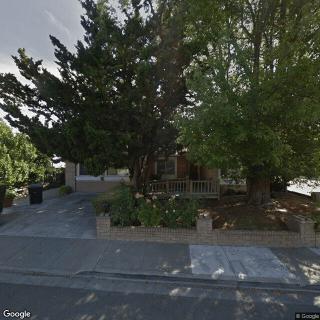
Pleasanton Senior Care Villa
$4,500 / month22.9 miles away -
from -$500 / mo
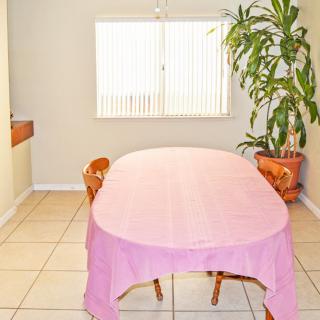
Grace Garden
$4,000 to $5,000 / month13.4 miles away -
from +$895 / mo

Merrill Gardens At Campbell
$5,395 to $9,295 / month7.3 miles away -
from +$710 / mo
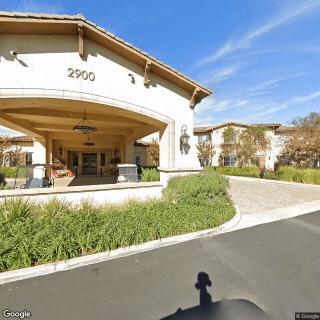
Creekview
$5,210 to $8,440 / month24.3 miles away
Overall Review of Willie Care Home
Pros
 Willie Care Home is described as very positive.
- The owner is really friendly.
- The facility is clean, organized, and nice.
- Residents receive excellent care.
- The surroundings are beautiful and in a nice residential area.
- Willie Care Home II provides great, personalized care.
- The staff is professional, caring, and takes pride in their work.
- Meals are home cooked.
- Rooms are large with beautiful views and well-kept landscaping.
- Residents form friendships and have many happy visiting hours.
Cons
 The reviewer is withholding judgment about their brother's placement due to concerns that the staff is all female and that not all in-house therapists have yet started the nine-week program.
- The family reported that within less than two hours of placement, the resident fell, broke her nose, and had to go to the ER.
Review
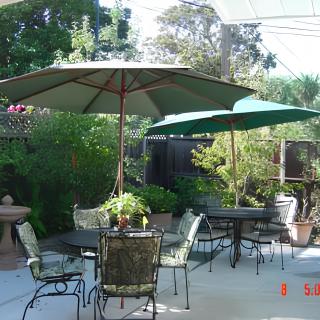
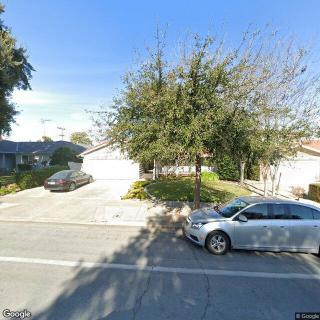
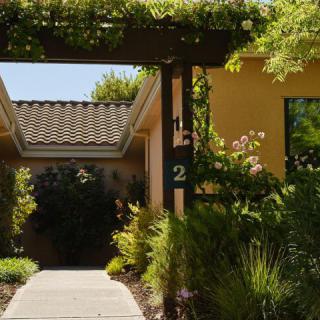
Willie Care Home in Sunnyvale is best suited for families seeking a small, residential, high-touch senior living option where staff form real relationships with residents and care feels personal rather than procedural. The setting is intimate: six residents share two caregivers and an administrator, a ratio that translates into more hands-on attention than a larger community can offer. The facility reads as clean, organized, and comfortable, with rooms described as large and well-appointed. The owner’s friendly approach during tours and the pleasant, tree-lined Sunnyvale neighborhood contribute to a sense of stability, precisely the kind of dependable environment that supports dignity, daily structure, and clear visibility of care.
Who may want alternatives? Those whose loved one requires intensive, on-site memory care or around-the-clock nursing oversight should compare options carefully. One reviewer highlighted Willie Care II’s ability to provide personalized attention and mobility support, which is encouraging for early- to mid-stage memory loss, yet another note warns that in-house therapy services were not fully established yet and scheduling can stretch over weeks. Families that demand guaranteed therapist visits, a consistently available male caregiver presence, or a broader, more robust activity calendar may find it prudent to explore other communities while verifying that Willie Care can meet those expectations.
From a practical perspective, the strongest positives are concrete and meaningful. Home-cooked meals, a consistently professional administrator and caregiving team, and staff who take pride in presentation and cleanliness create a reliable daily rhythm. Residents are described as well groomed, comfortable, and engaged, with medical coordination and connections to doctors or local services handled smoothly. The physical environment, well-kept landscaping, generous room sizes, and private space that still fosters a sense of community, reduces the sense of being in a clinical setting. These tangible advantages support a confident commitment that daily care will be attentive and well orchestrated, and they offset some concerns about staffing intensity through a visible, hands-on approach.
Equally compelling is the staff’s relational style. Multiple accounts emphasize kindness, respect, and a motherly, professional demeanor, with the administrator described as energetic and the team as genuinely caring. This translates into more than routine tasks; it builds trust and eases anxiety for families and residents alike. A memory-care anecdote from Willie Care Home II, where a resident with Alzheimer’s found improved mobility and companionship after a transition, illustrates how personalized attention can yield tangible quality-of-life gains when staffing aligns with residents’ needs. The community feels crafted to nurture comfort, dignity, and safety in equal measure, and that relational depth is a core strength that helps mitigate the risk of slower progress in therapy or variability in daily routines.
Yet watchers should temper optimism with practical checks. The stated ratio of six residents to two caretakers plus an administrator is a strength, but it also signals vulnerability if illness or vacations reduce coverage. Prospective families should request a current staffing schedule, confirm how many therapists are routinely on-site, and map out a typical week of activities and medical coordination. Clarify how medical and home-services connections are maintained and whether the team can respond quickly to changes in condition. If a resident requires rapid escalation of care, ensure there is a clear plan and backup options before moving in. Addressing these questions up front makes the strongest case for Willie Care’s strengths to carry the day.
In sum, Willie Care Home II stands out for families prioritizing a warm, home-like atmosphere, meaningful resident relationships, and proactive care coordination within a compact setting. It is especially well-suited for seniors who benefit from structured routines, reliable meals, and robust daily oversight without the bustle of a large institution. Alternatives are worth considering for those needing guaranteed in-house therapy coverage, more extensive memory-care resources, or a different caregiver mix. When evaluating, focus the inquiry on staffing patterns, therapy availability, and daily routines, then align those details with the loved one’s needs, preferences, and goals. The decision emerges clearly from a careful, evidence-based tour and candid conversations with the administerial team.
 6 resident community capacity
 Studio apartments
 Assisted Living
 Board and Care Home
 Respite Care
 Activities on-site
 Bath tubs
 Cable or satellite TV
 Dining room
 Fully furnished
 Garden
 Housekeeping services
 Move-in coordination
 Outdoor space
 Private
 Private bathrooms
 Telephone
 Wheelchair accessible showers
 Wi-Fi/high-speed internet available
 San Jose International (7 miles away)
 24-hour supervision
 Ambulatory care
 Assistance with bathing
 Assistance with dressing
 Assistance with transfers
 Diabetes diet
 Diabetic care
 High acuity care
 Incontinence care
 Meal preparation and service
 Medication management
 Special dietary restrictions
 Transportation arrangement (medical)
 Transportation to doctors appointments
 Christian services




 Assisted Living and Memory Care: Understanding Their Core Differences
 Beyond the Bingo Hall: 50+ Enriching Activities for Seniors in Assisted Living
 Understanding the Distinctions: Assisted Living and Memory Care Explained