
1212 South Mary Avenue, Sunnyvale, CA 94087
For more information about senior living options: (866) 208-4318
Overall Review of Aroma Care Home
Pros
 Epione Residential Care was the only place willing to accept the dad.
- They are helpful and knowledgeable.
- They work on the dad’s dementia issues.
- They go above and beyond to help the elderly person transition into a new environment and accommodate the families.
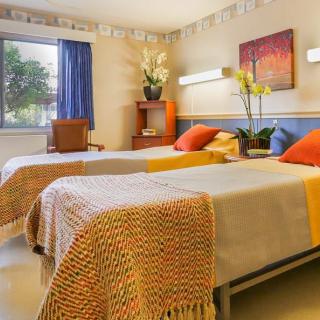
- The dad’s room is close to the bathroom, with a nice window and is suitable for his needs.
- They do walks outside and host community meals at the table.
Review
Aroma Care Home in Sunnyvale is best for families seeking an intimate, dementia-aware setting where transitions are handled with deliberate care and families stay closely involved. The most concrete account available centers on Epione Residential Care, highlighting staff that are helpful and knowledgeable, a clear emphasis on dementia issues, and a process that supports moving a loved one into a new home. The description notes practical advantages: a room near the bathroom, a pleasant window view, and a configuration that feels suitable for the resident’s needs. The home-like rhythm is reinforced by outdoor walks and communal meals, all of which contribute to safety, comfort, and social belonging for someone navigating memory challenges.
Those who require broader medical oversight, a larger campus, or guaranteed rapid admission should consider alternatives. The sole review indicates Epione was the only place willing to accept the father, signaling potential bed-availability constraints and selective admissions. In those circumstances Aroma Care Home’s appeal rests on personal attention and a dementia-focused approach, but families should verify whether this model scales to higher care levels or fluctuating medical needs before committing.
Key positives, willingness to accept, staff expertise, dementia focus, and robust transition support, translate into tangible advantages that can offset the tradeoffs of a smaller operation. A small, attentive team can tailor routines, monitor behavior, and adjust plans with less bureaucracy, which is invaluable when a dementia diagnosis is involved. Proximity of the resident’s room to essential amenities reduces logistical stress and risk, while natural light from the window and a homelike setting support mood. The inclusion of walks and shared meals expands daily structure and social engagement, which are critical buffers against isolation and agitation.
However, the review leaves several questions unanswered. There is no detail on staffing ratios, care hours, or the scope of specialized dementia programming beyond a general focus. Pricing structures, contract terms, and what local medical oversight exists on site remain unspecified, making cost comparisons and long-term planning difficult. The reliance on a single positive account means caution is warranted regarding consistency across staff and days. Until more data surfaces, prospective families should corroborate with in-person tours and direct conversations about daily life, safety protocols, and escalation pathways.
Practically, evaluators should conduct a targeted evaluation checklist when visiting Aroma Care Home. Confirm admission feasibility for dementia cases and ask about bed availability timelines. Probe the depth of dementia care training, behavior management protocols, and the plan for medical emergencies or physician involvement. Clarify room options and safety features, including bathroom proximity, wandering protections, and whether private rooms are available. Inquire about meals, dietary accommodations, activity schedules, transportation to outings, and the overall cadence of daily life. Finally, demand transparent pricing, defined service levels, and what costs may rise if care needs intensify.
In the end, Aroma Care Home appears well-suited for families prioritizing dementia-centered care, smooth transitions, and a home-like atmosphere in Sunnyvale. The strongest caveat is the lack of corroborating feedback and the absence of clear indicators on capacity and on-site medical support. For households where the priority is compassionate, individualized attention in a smaller community, this option merits serious consideration and a direct visit. If the situation calls for rapid admission, broader medical coverage, or a larger, more resource-rich campus, alternatives should be weighed with the same due diligence and a concrete plan for comparing care plans, staffing, and costs.
 6 resident community capacity
 Assisted Living
 Board and Care Home
 Cable or satellite TV
 Dining room
 Fully furnished
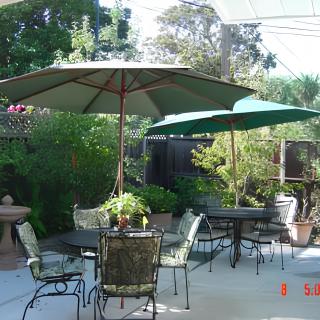
 Garden
 Housekeeping services
 Move-in coordination
 Outdoor space
 Telephone
 Wi-Fi/high-speed internet available
 San Jose International (7 miles away)
 24-hour supervision
 Activities of daily living assistance
 Assistance with bathing
 Assistance with dressing
 Assistance with transfers
 Diabetes diet
 Meal preparation and service
 Medication management
 Special dietary restrictions
 Transportation arrangement (medical)
 Transportation to doctors appointments

 Comprehensive Insights into Activities of Daily Living (ADLs) and Their Assessment
 Medicare Coverage for Assisted Living: An In-Depth Exploration
 Choosing the Right Senior Care: A Detailed Exploration of Assisted Living and Nursing Homes