
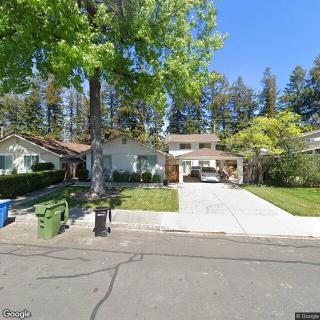
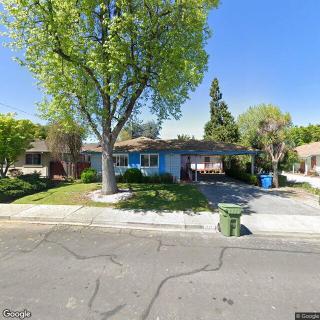
1109 East Homestead Road, Sunnyvale, CA 94087
For more information about senior living options: (866) 208-4318
Overall Review of Magdalene Residential Care
Pros
 The facility takes great care of loved ones.
- The staff are all very kind, patient, and caring.
- Families look forward to their loved ones being in good hands there for a long time.
- It is a small facility that usually has loving caretakers.
- The level of care is highly recommended.
- It is a nice and safe place for the elderly.
- The facility plans to open Magdalene 2 at 1107 E Homestead Rd, Sunnyvale, California.
Cons
 Her blankets were always dirty, crusted with food.
- Her diaper was changed only a few times a day.
- She often smelled of urine.
- The sheets on the bed were old.
- The pillow cases were old and often threadbare.
Review
Magdalene Residential Care is best suited for families seeking a small, intimate setting where residents receive steady, personal attention from caregivers who feel like a close-knit team. This community tends to work well for seniors who value consistency, safety, and daily companionship over a bustling, larger campus. The warmth of the staff and the sense of connection in a compact environment make it a good fit for residents who do not require extensive skilled nursing on a 24/7 basis, but who do need reliable daily care, help with routine tasks, and a stable, home-like atmosphere.
Those who should consider alternatives are families facing higher expectations for medical oversight or end-of-life standards. If a resident requires frequent, advanced wound care, constant skilled nursing, or rigid infection-control protocols, larger facilities with formal nurse staffing and more comprehensive QA processes may be preferable. If consistent, immaculate in-room cleanliness and impeccable end-of-life hygiene are non-negotiables, it is prudent to compare Magdalene with other communities that document stronger housekeeping and hospice-management practices. A growing campus like Magdalene 2 could address capacity and resource gaps, but that expansion should be evaluated for staffing consistency and standard-of-care guarantees as part of the decision.
On the positive side, the care teams at Magdalene Residential Care are repeatedly described as kind, patient, and genuinely caring. Families report that the setting remains a nice, safe place for elderly residents, and that the level of attention from caregivers is high enough to inspire strong confidence in daily life and routine care. The small size of the operation is a meaningful strength here, enabling more individualized interaction, quicker response times, and a sense of belonging that larger facilities often struggle to deliver. When the relationship with staff is stable, residents tend to experience less agitation and more predictable daily rhythms, which translates into tangible comfort for both residents and families.
The most significant caveat attached to Magdalene arises from concerns about cleanliness and hygiene in hospice contexts. One review describes repeatedly dirty blankets crusted with food, infrequent diaper changes, and pervasive odor, along with old, threadbare linens. Such lapses are serious because they strike at basic dignity, comfort, and the perception of consistent care. While this report reflects a specific visit during hospice, the underlying red flag is clear: housekeeping practices and the supervision of end-of-life care must be reliably strong. These gaps do not negate the overall warmth and competence claimed in other reviews, but they do demand rigorous follow-through and transparent accountability.
Those evaluating Magdalene should weigh the strong relational care and safety against the hygiene concerns by asking pointed questions before committing. The pros, consistent kindness, intimate setting, and dependable daily care, remain powerful when matched with solid housekeeping oversight and clear hospice protocols. The forthcoming Magdalene 2 expansion could ease capacity pressures and bring more systematic resources, but that potential gain must translate into verifiable improvements in daily cleanliness, turnover of linens, and regular, attentive care during sensitive end-of-life moments. Prospective families should request current staffing ratios, a formal housekeeping schedule, and a detailed outline of end-of-life care practices as part of a decisive tour.
In the end, Magdalene Residential Care offers a practical, neighborly option for families prioritizing warmth, safety, and individualized attention in a small setting. It is a compelling choice for seniors who thrive on personal interaction and stable routines, provided that the facility’s housekeeping standards and hospice care practices meet the family’s expectations. Those who cannot accept even occasional lapses in cleanliness or who require robust, ongoing skilled nursing should actively compare alternatives and probe for concrete safeguards, counts, schedules, and quality assurances, before making a commitment. The goal remains clear: secure a living arrangement that honors dignity, delivers dependable daily care, and aligns with long-term care needs.
 6 resident community capacity
 Assisted Living
 Board and Care Home
 Cable or satellite TV
 Dining room
 Fully furnished
 Garden
 Housekeeping services
 Move-in coordination
 Outdoor space
 Telephone
 Wi-Fi/high-speed internet available
 San Jose International (4 miles away)
 24-hour supervision
 Activities of daily living assistance
 Assistance with bathing
 Assistance with dressing
 Assistance with transfers
 Diabetes diet
 Meal preparation and service
 Medication management
 Special dietary restrictions
 Transportation arrangement (medical)
 Transportation to doctors appointments






 Assisted Living Support for Veterans: A Complete and Detailed Overview
 Exploring the Contrasts Between Assisted Living and Skilled Nursing
 8 Key Indicators That Suggest It May Be Time to Transition from Assisted Living to Skilled Nursing Care