
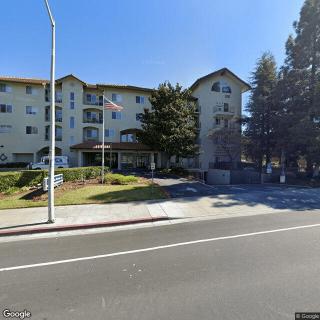
819 Gail Avenue, Sunnyvale, CA 94086
For more information about senior living options: (866) 208-4318
Overall Review of At Home Senior Care I
Pros
 Cherryleen is supportive, responsive, and compassionate, with a clear investment in both clients and the care team.
- The direct-care providers are patient, helpful, and genuinely caring; they take the time to understand each client’s needs and treat them with respect and kindness.
- The agency is reliable and professional, providing a high level of care and support.
- The staff are helpful, friendly, accommodating, and easy to communicate with.
- At Home Support Senior Care takes good care of their caregivers, pays well, provides annual trainings, and creates a home-like, friendly environment.
- The At Home Care team offers exceptional care and support, with big-hearted staff going beyond the call of duty.
- Caregivers are well matched to clients' needs; they are understanding, caring, and quick learners, and they communicate with clients using AAC and icons.
- Emmy is an excellent communicator who keeps families fully informed, and the overall care is consistently high-quality and compassionate.
- The service helps families stay in their own homes and avoid hospitalizations when possible.
- The staff are friendly, courteous, and capable of working independently, delivering dependable care.
Cons
 The reviewer notes dismal communication at assisted living and skilled nursing facilities.
- The reviewer mentions the stress and deficiencies of those institutions.
- The reviewer admits being scared to move their mom from her current living situation after being advised not to move.
- The reviewer states Emmy cannot guarantee that residents will not need hospitalization or skilled nursing.
Review
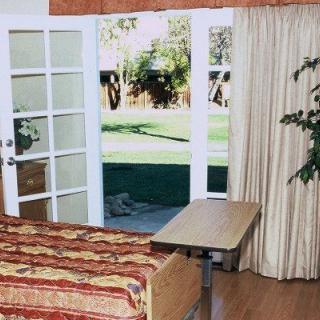
This community is best suited for families seeking a highly personalized, home-like residential option for adults with developmental disabilities or complex care needs who value deep caregiver familiarity, proactive management, and strong family communication. The operation centers on Emmy N., an RN and owner-manager, whose hands-on leadership translates into consistently responsive oversight. Families praise a stable care team that takes time to understand each client’s routines, preferences, and communication methods, with staff who are patient, respectful, and genuinely caring. The model works especially well for those who want caregivers who can assist with medical appointments, coordinate medications, and accompany their loved ones on outings, all while maintaining a warm, domestic atmosphere. This is not a faceless facility, it functions more like a closely knit, home-based caregiving network that treats residents as valued members of a small community.
However, this setting may not be the right fit for every family. Alternatives should be considered by those prioritizing a larger, campus-style environment with extensive medical staffing, formal memory-care programming, or guaranteed 24/7 on-site physician presence. Families who expect a traditional assisted living or skilled-nursing campus with broad on-site specialty services, or who require a more institutionalized setting with standardized procedures, may find a different model better aligned with their needs. For residents whose medical complexity demands a higher level of in-house nursing or rapid access to hospital-based care, exploring facilities with larger clinical teams could be prudent. In short, this community excels in personalized, in-home-style care but is less clearly positioned as a substitute for high-volume clinical campuses.
The core advantages, exceptional responsiveness, caregiver alignment, and a transparent, family-friendly communication loop, strongly offset any potential drawbacks. The staff are described as patient, helpful, and genuinely kind, with a clear emphasis on tailoring care to each person. The owner-manager’s communications are consistently noted as strong: Emmy uses multiple channels to keep families informed, and even distant relatives feel plugged in. Caregivers are matched to individual needs, including neurodiverse profiles, with specific accommodation for AAC devices and other communication tools. The ability to coordinate transportation for medical appointments, provide assistance during outings, and support safety with two-person oversight when required creates a level of practical reliability that many families find reassuring. These strengths collectively soften the realities of a smaller operation by delivering high-touch care and dependable continuity.
The lived experiences captured in the reviews underscore how these positives translate into real-world benefits. Case managers and direct care staff are portrayed as approachable and deeply invested in clients’ well-being, creating a sense of “home away from home.” Families repeatedly highlight the quality of the care team, from administrative leaders to frontline caregivers, as a differentiator that sustains trust over time. One testimonial centers on the care for a daughter with special needs, noting successful caregiver matching, effective communication, and proactive support during medical appointments. Another long-form endorsement emphasizes Emmy’s consistency, her responsive updates, and a care philosophy that respects dignity and inclusion, even as a loved one’s condition evolves. Taken together, these accounts suggest a cohesive, person-centered model that many families find invaluable during transitions and everyday routines alike.
For families weighing this option, practical steps sharpen the decision. Begin with a focused visit to assess compatibility: meet the owner-manager and several prospective caregivers, observe how staff interact with residents, and ask how care plans are individualized and updated. Inquire about medication management processes, emergency protocols, and the cadence of family updates, especially when relatives live far away. Request concrete examples of how specific needs (communication challenges, autism, behavioral considerations) are accommodated, and verify the caregiver-to-resident ratio during peak times. Seek transparency about transition plans, how a move is introduced, what support is offered to new residents, and how past changes have been managed for other families. These questions reveal whether the home-like model can sustain long-term well-being as needs shift.
Bottom line: for families prioritizing intimate, responsive, and highly personalized in-home-style care, At Home Senior Care I in Sunnyvale stands out as a compelling choice. It shines when the aim is to preserve dignity, foster belonging, and maintain robust, family-facing communication through a trusted, supervisor-led team. The strongest caveat is its smaller scale, which means less in-house medical heft than larger campuses and a greater reliance on family-style coordination and caregiver consistency. If those trade-offs align with the loved one’s preferences and clinical needs, this community offers a powerful pathway to aging with comfort, continuity, and genuine human connection. For cases demanding broad clinical resources or specialized memory-care infrastructure, exploring alternatives remains prudent, but for many families navigating disability-centered, home-anchored care, this option is difficult to beat.
 6 resident community capacity
 Assisted Living
 Board and Care Home
 Respite Care
 Cable or satellite TV
 Dining room
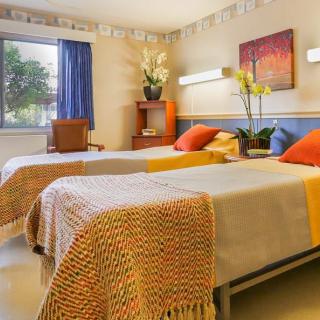
 Fully furnished
 Garden
 Housekeeping services
 Move-in coordination
 Outdoor space
 Telephone
 Wi-Fi/high-speed internet available
 San Jose International (5 miles away)
 24-hour supervision
 Activities of daily living assistance
 Assistance with bathing
 Assistance with dressing
 Assistance with transfers
 Diabetes diet
 Meal preparation and service
 Medication management
 Special dietary restrictions
 Transportation arrangement (medical)
 Transportation to doctors appointments
 Is Assisted Living Deductible on Your Taxes? Understanding the Complexities of Assisted Living Expenses and Deductions
 Assisted Living Support for Veterans: A Complete and Detailed Overview
 Exploring the Contrasts Between Assisted Living and Skilled Nursing