
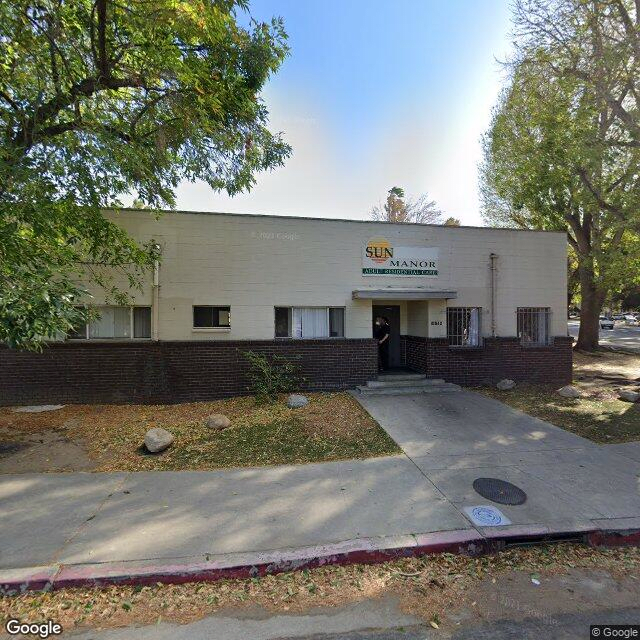
10540 Sherman Grove Avenue, Sunland, CA 91040
To contact a resident: (818) 352-5941
For more information about senior living options: (866) 208-4318
Overall Review of Sunshine Manor-UNLICENSED
Pros
 The building is always clean.
- The staff are very nice and caring.
- Ari Rosner is a very devoted administrator.
- The staff is very understanding.
- The administrator is very patient and will work things out with you.
Cons
 The review mentions drugs, thieves, and suspected sexual abuse at the facility, with rumors of staff and predatory residents preying on the weak.
- The reviewer expresses concern about the facility after an incident where an adult male claimed to be from Sunland Manor and knocked on doors, with worries about underage children and the elderly in the home.
- They express disgust at seeing men and women wandering around the neighborhood near Sunland Manor Residential Care.
Review
Sunshine Manor in Sunland is best suited for families seeking a small, home-like residential care setting where daily life centers on personal attention, predictable routines, and close staff accessibility. The environment appeals to residents who prefer a modest, low-traffic community over a large campus, where caregivers can form steady relationships and respond quickly to everyday needs. Visitors consistently praise the building’s cleanliness and the warmth of the staff, with Ari Rosner highlighted as a devoted administrator. The unlicensed status matters in this assessment: families comfortable with a family-style model and a lower level of regulatory oversight will find Sunshine Manor a practical option for short- to mid-term stays or for residents who do not require intensive medical supervision.
Nevertheless, this is not a path to consider for everyone. Families needing formal licensing, rigorous oversight, or high-level medical support should look elsewhere. Licensed facilities typically provide stronger on-site nursing coverage, documented safety protocols, and clear incident reporting, which can be essential for residents with complex health conditions or dementia. For those who demand strict regulatory compliance and verifiable staff training, alternative communities with licensed programs may offer a better long-term safeguard. In short, Sunshine Manor serves well for companionship and supervision within a smaller, more intimate setting, but it is less suitable for residents requiring consistent regulatory assurances.
On the upside, the most consistent positives center on human connection and day-to-day stability. The staff’s kindness and the administrator’s responsiveness translate into dependable caregiving that can ease family worries about daily supervision. The facility’s cleanliness reinforces a sense of safety and dignity, while a patient, understanding team helps residents navigate routine tasks and transitions with minimal friction. When warmth is paired with predictable routines, regular meals, scheduled activities, and steady supervision, the core benefit of a comforting, home-like atmosphere becomes tangible, particularly for residents who thrive on familiarity and steady reassurance from caregivers.
But the downsides carry real weight. Several reviewers allege problems that go beyond routine miscommunications: drugs, theft, and suspected abuse linked to the setting raise red flags about safety and accountability in an unlicensed context. Additional neighborhood concerns about outsiders on the premises, reflected in comments about strangers knocking on doors and the impression of unconstrained access, underscore a potential vulnerability that families must weigh carefully. These issues do not erase the kindness of the staff, yet they complicate confidence for families whose top priority is a robust safety net with transparent incident handling and regulatory safeguards. The absence of formal licensing means fewer externally auditable protections, which matters when considering long-term placement.
To evaluate Sunshine Manor with clarity, prospective families should test the ecosystem directly. Schedule multiple visits, ask for direct contact with staff about training, turnover, and background checks, and request candid explanations of how emergencies are managed in the absence of licensing. Inquire about access policies for family members, the process for reporting concerns, and the steps taken when complaints arise. Compare these responses to those offered by licensed facilities, especially around medical oversight, security measures, and incident transparency. The goal is to determine whether the resident’s day-to-day experience, friendly faces, reliable routines, a clean, comfortable setting, can sufficiently compensate for the governance and safety protections that licensing typically provides.
Ultimately, Sunshine Manor offers a practical option for families prioritizing warmth, accessibility, and a homey atmosphere, provided comfort with a lighter regulatory framework. For residents with greater medical need, behavioral challenges, or heightened safety considerations, alternatives with licensed oversight and stronger formal protections are advisable. If pursuing Sunshine Manor, approach the decision with disciplined due diligence: verify current licensure status, demand a clear safety plan, and consider a trial period to observe real-life interactions and responses under typical pressures. When these checks align, Sunshine Manor delivers the caregiving core many families value, genuine kindness, dependable daily life, and a reassuring sense of being seen, while acknowledging the trade-off that comes with an unlicensed, small-scale model.
 Assisted Living
 Activities off-site
 Devotional services off-site
 Indoor common areas
 Burbank-Glendale-Pasadena (5 miles away)
 Ambulatory care
 Diabetic care
 Meals provided

 Understanding the Distinctions: Assisted Living and Memory Care Explained
 Guiding Elderly Parents Who Refuse Assisted Living: 6 Practical Steps
 Your Comprehensive Guide to Luxury Assisted Living: Elevated Facilities, Amenities, and Costs