
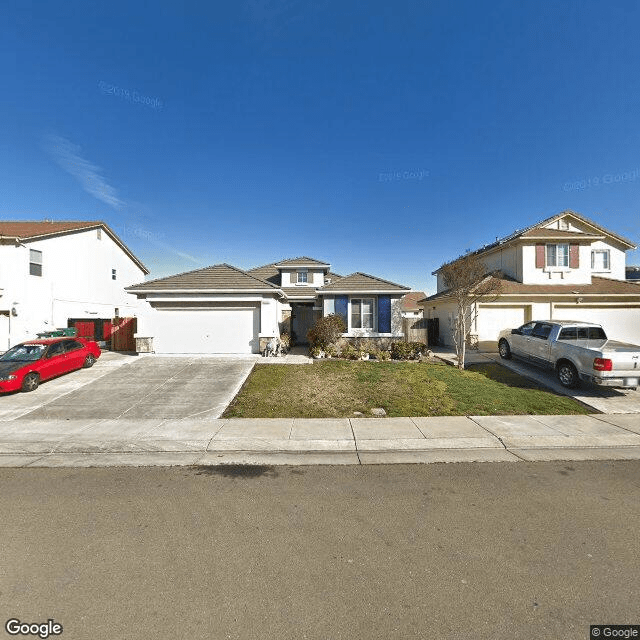
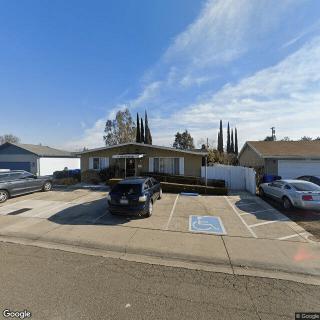
9063 Chianti Circle, Stockton, CA 95212
For more information about senior living options: (866) 208-4318
Chianti Grace Costs & Pricing
Chianti Grace offers a spectrum of accommodation options that are competitively priced when compared to both San Joaquin County and the broader California market. For private rooms, residents can expect costs ranging from $2,000 to $5,500 per month, providing flexibility depending on specific needs and preferences. This range is notably lower than the average cost in San Joaquin County, which stands at approximately $3,364, and California's average of $3,939. In terms of semi-private rooms, Chianti Grace charges a flat rate of $4,600 per month; this is higher than the county and state averages of $3,074 and $3,333 respectively. Overall, while Chianti Grace presents competitive pricing for private accommodations, semi-private options reflect a premium cost relative to local and state averages.
| Floor plans | Chianti Grace | San Joaquin County | California |
|---|---|---|---|
| Private | $2,000 to $5,500 | $3,364 | $3,939 |
| Semi-Private | $4,600 | $3,074 | $3,333 |
Assisted Living communities with a similar price nearby
-
About the same
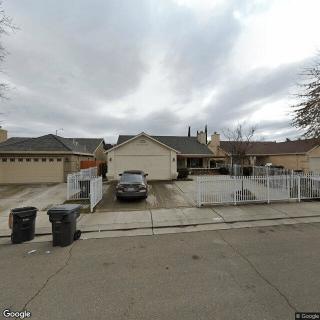
Homestead Care for the Elderly
$2,000 to $3,000 / month7.9 miles away -
from -$305 / mo
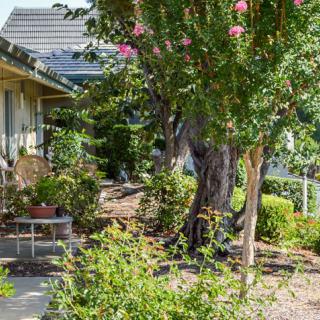
River Fountains Of Lodi
$1,695 to $1,895 / month8.0 miles away -
from -$200 / mo

Sarina's Comfort Care Home
$1,800 to $2,500 / month8.7 miles away -
About the same
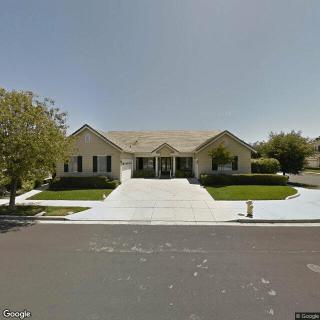
Spyglass Senior Villa III
$2,000 to $3,200 / month24.8 miles away -
About the same
Stainless Residential Care Facility
$2,000 to $4,000 / month15.4 miles away
Overall Review of Chianti Grace
Pros
 The place gives home vibes and has a great care team, with Maricar as administrator.
 - It provides needed care and assistance to each patient.
- Chianti Grace is a wonderful place for a family member; the staff are excellent with loved ones and make them feel important.
- They provide one-on-one attention and even help residents start talking again.
- The care for the grandma is wonderful, with warmth, kindness, respect, and dignity.
Review
Chianti Grace in Stockton is best suited for families seeking a small, home-like setting where the emphasis is on intimate, person-centered care. The environment reads less like a medical facility and more like a nurturing residence, with a steady care team and accessible leadership. In particular, the administrator, Maricar, stands out as a dependable point of contact who appears committed to ensuring every resident is attended to with dignity. For loved ones who respond well to individualized attention, predictable routines, and a warm, reassuring presence, this community delivers outcomes that feel personal rather than transactional.
However, potential residents should consider alternatives if medical complexity or formal memory-care programming is central. The reviews emphasize warmth and one-on-one interaction, but they do not detail a broad clinical track, high-acuity nursing, or a robust daily activity calendar. One testimonial notes meaningful social engagement that helped a resident regain speech, yet no explicit information is provided about staffing ratios, on-site therapies, or emergency procedures. Families needing ongoing skilled nursing, specialized dementia programs, or transparent, comprehensive clinical oversight may find other options more aligned with those needs.
The strongest selling points are the homey atmosphere and the staff’s evident dedication. The care team is described as warm, kind, and respectful, with residents treated in a manner that preserves dignity and personal importance. One account highlights one-on-one attention that makes a resident feel valued, while another mentions notable social progress in a loved one. Those elements, consistency, individual attention, and practiced leadership, translate into steadier mood, greater comfort, and a sense of security that can make a difficult transition easier for family members and residents alike.
These strengths offset certain limitations in practical terms. For families prioritizing emotional well-being, familiar routines, and direct caregiver involvement, the intimate setting often yields tangible quality-of-life gains that larger facilities may struggle to match. Yet the same intimate scale can constrain access to specialized therapies, second opinions, and the more formal oversight some families require. In short, warmth and personal connection carry substantial weight, but the model may fall short for those who expect rigorous clinical programming or continuous medical management.
Decision-making should proceed with targeted questions and on-site verification. Prospective families should observe interactions across shifts, inquire about caregiver-to-resident ratios, and confirm caregiver credentials and ongoing training. Clarify what happens when health needs escalate, including palliative options and end-of-life supports, and ask about available therapies, daily activity structures, and transportation arrangements. Meal quality, safety features, and transparent pricing also deserve direct answers. Turning empathy into a verified care plan requires concrete policies, measurable routines, and transparent communication about what is truly possible within this setting.
Bottom line: Chianti Grace stands out for families prioritizing warmth, respect, and individualized attention delivered in a comforting, home-like setting. It is a compelling match for seniors who thrive on attentive, relationship-driven care and can flourish within a steady, personal caregiving approach. For residents with higher medical needs, a requirement for structured memory-care programming, or longer-term skilled-nursing support, it is prudent to compare options offering clearer clinical oversight and more expansive programmatic offerings. The facility’s leadership and care team present a genuine, compassionate option for dignity-first care, provided the resident’s needs align with a smaller-scale, intensely personal model.
 6 resident community capacity
 Assisted Living
 Board and Care Home
 Beautician on-site
 Cable or satellite TV
 Dining room
 Fully furnished
 Garden
 Housekeeping services
 Move-in coordination
 Outdoor space
 Private
 Telephone
 Wi-Fi/high-speed internet available
 24-hour supervision
 Activities of daily living assistance
 Assistance with bathing
 Assistance with dressing
 Assistance with transfers
 Diabetes diet
 Meal preparation and service
 Medication management
 Special dietary restrictions
 Transportation arrangement (medical)
 Transportation to doctors appointments






 Comprehensive Residential Support and Assisted Living Solutions for Individuals with Disabilities
 Comprehensive Supportive Living Arrangements for Adults with Disabilities
 Funding and Affording Assisted Living: A Thorough Overview