
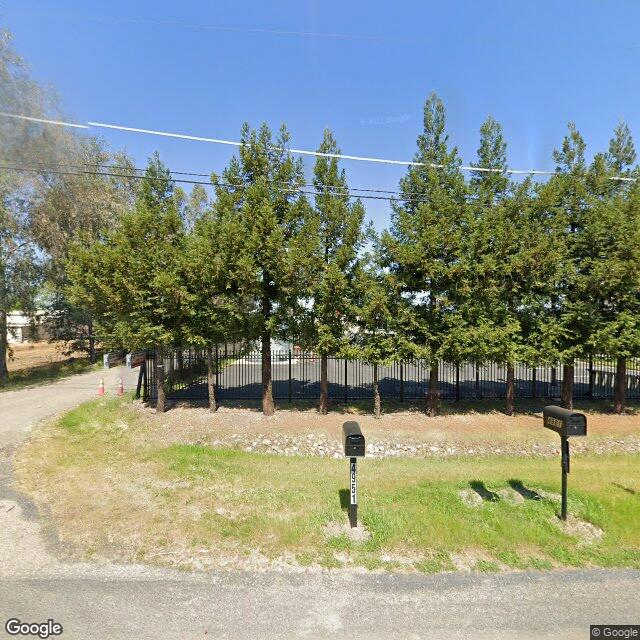
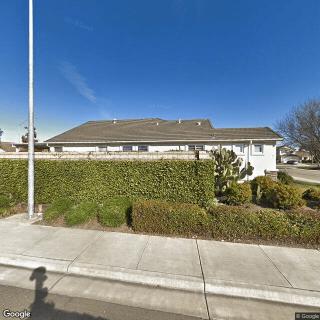
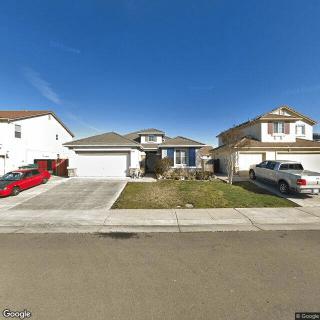
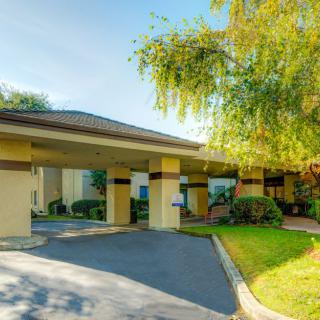
4951 E. Eight Mile Rd., Stockton, CA 95212
To contact a resident: (209) 334-1151
For more information about senior living options: (866) 208-4318
Bianchi Manor Costs & Pricing
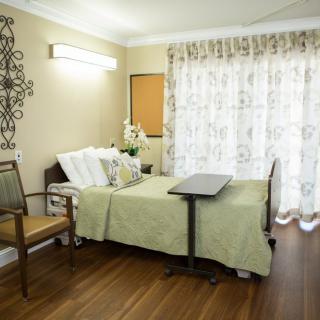
Bianchi Manor offers a competitive pricing structure for its accommodations, particularly when compared to both San Joaquin County and the broader state of California. For instance, the semi-private room at Bianchi Manor is priced at $1,500 per month, significantly lower than the county average of $3,074 and the statewide average of $3,333. Similarly, the studio option at Bianchi Manor is available for $2,500, which again undercuts the local rate of $3,366 and the state figure of $4,145. This pricing strategy positions Bianchi Manor as an appealing choice for those seeking quality care without the financial strain often associated with similar establishments in the region.
| Floor plans | Bianchi Manor | San Joaquin County | California |
|---|---|---|---|
| Semi-Private | $1,500 | $3,074 | $3,333 |
| Studio | $2,500 | $3,366 | $4,145 |
Memory care communities with a similar price nearby
-
About the same

Optimum Senior Care Home
$1,500 to $2,500 / month5.5 miles away -
About the same

Shepherd Home #2
$1,500 to $1,800 / month5.5 miles away -
from +$152 / mo
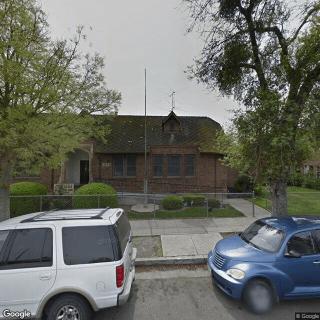
Casa Del Sol
$1,652 to $2,700 / month7.4 miles away
Overall Review of Bianchi Manor
Cons
 There is frequent yelling at the reviewer’s niece by female staff.
- The house is run poorly by some employees.
- The website’s phone number is used for residents’ personal calls, preventing contact with supervisors.
- Supervisors are unreachable and calls are hung up on.
- The company is described as shady and untrustworthy.
- Jennie, the kitchen manager, is described as two-faced and a control freak.
Review
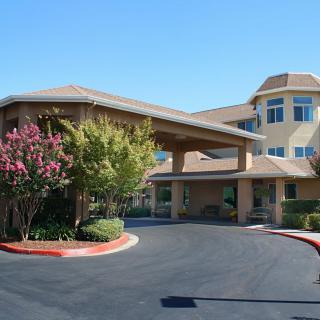
Bianchi Manor in Stockton is best suited for families seeking a modest, home-like assisted living environment where a small, long-tenured staff can create a familiar atmosphere and where family involvement is expected and valued to keep care on track.
Those who should consider alternatives are families that require consistently professional, proactive leadership and rock-solid communication. If immediate access to a dedicated supervisor via an official business line is non-negotiable, or if a transparent, consistently courteous management culture is a top priority, this community may feel unstable. The impression from several critiques is that reachability and accountability are uneven, and that administrative responsiveness can be inconsistent. For families who prefer a culture with strict boundaries and formal processes, a different operator with clearer hierarchy and more predictable oversight would be prudent.
In terms of strengths, there are moments of solid care and a sense of community that can emerge when things click. A portion of the reviews are five-star affirmations, and the fact that some residents stay beyond a year signals a baseline level of satisfaction and stability for those who adapt to the environment. The presence of long-tenured residents suggests that, when staff and routines align with a particular family’s expectations, the daily experience can feel authentic and comfortable. These positives matter because they show that the facility is capable of delivering attentive care in the right circumstances.
Yet the dominant concerns are real and consequential. The most troubling threads center on how staff interact with family members, with accounts of yelling at a relative and a pattern that feels more like demand than dialogue. Communication gaps are repeatedly highlighted: no clear, public office number on the website, and reports that supervisors are hard to reach or repeatedly unavailable. These issues create a friction that undercuts trust and makes it difficult for families to advocate effectively for their loved ones. A strong-willed kitchen manager described by one reviewer as two-faced and a control freak reinforces a perception that governance can be personality-driven rather than policy-driven. Taken together, these elements erode confidence in the facility’s day-to-day reliability.
The critical question for decision-makers is whether the existing strengths can realistically offset the governance and communication gaps. If a family can tolerate irregular supervisory contact, lean on direct, proactive conversations with frontline staff, and invest time to verify care plans through multiple channels, Bianchi Manor can still function as a workable option. However, the weight of the cons is substantial: inconsistent responsiveness, a perception of harsh treatment toward visitors, and a leadership dynamic that some families will find off-putting. For many, these are not shortcomings that can be managed with patience alone.
Practical guidelines for evaluating this community include an in-person visit focused on observing staff interactions with residents and families, requesting a direct meeting with the administrator, and outlining a written path for complaints and follow-up. Ask to see concrete examples of care plans, incident reporting, and how feedback is tracked and resolved. Request contact redundancy , a second supervisor or liaison , and confirm response times for calls and emails. In parallel, interview current residents and their families about day-to-day experiences, especially during mealtime and shift changes, to gauge whether the reported dynamics are episodic or systemic. Finally, compare with alternatives that boast stronger governance, transparent communications, and a demonstrable track record of consistent, courteous engagement.
Bottom line: Bianchi Manor can serve as a viable option for households willing to roll up sleeves, engage consistently, and accept a homey environment with uneven supervisory reach. For those prioritizing seamless management, predictable protocols, and consistently professional staff conduct, it is prudent to explore other communities first. This is a decision that benefits from direct, thorough vetting, clear expectations, and a candid comparison of how well the facility’s strengths align with the care goals and communication needs of the resident and family.
 Assisted Living
 Memory Care
 Activities on-site
 Devotional services off-site
 Indoor common areas
 Ambulatory care
 Meals provided
 Caring staff in a clean, welcoming environment with good communication.


 Comprehensive Insights on the Late Stages of Dementia: What to Expect and How to Provide Care
 Medications Associated with Dementia Risk: A Comprehensive Overview
 Guiding Your Journey: Understanding Power of Attorney for Elderly Parents