A Good Samaritan Home Olivia

10599 Davis Road, Stockton, CA 95209

For more information about senior living options: (844) 490-3973

3 from 12 reviews
5 stars
6
4 stars
0
3 stars
0
2 stars
0
1 stars
6

Assisted Living Board and Care Home

What level of care are you interested in?

Assisted Living

Memory Care

Independent Living

Skilled Nursing Facility

Continuing Care Retirement Community (CCRC)CCRC

Other


Request a tour at A Good Samaritan Home Olivia

    Overall Review of A Good Samaritan Home Olivia

    Pros

    • pro The facility is wonderful.
    • pro Her mother loves the activities.
    • pro Bingo and karaoke are enjoyed by her mother.
    • pro Bowling and guessing games keep the mind sharp.
    • pro The facility offers many activities that include families.
    • pro The employees are awesome.
    • pro There have been nothing but good experiences there.
    • pro Everyone there is kind, respectful, compassionate, and helpful.
    • pro The staff provided care and love to her uncle in his last days.
    • pro Charles loved the staff and bragged about having the best caregivers.

    Cons

    • pro The facility is dirty.
    • pro Staff members stand around looking lost.
    • pro Care is substandard and there is an overwhelming odor of urine upon entering.
    • pro Older staff are very rude.
    • pro Staff stereotype and judge residents based on appearance; unprofessional.
    • pro The facility is horrible, dirty, and has very rude staff; it's better to find another home.

    Review

    Within the same facility, the stories weave a tapestry of sunshine and shadows, sometimes in the very same hallway. For some families, this place feels like a bright, bustling home where their loved ones still find joy, rhythm, and community. They describe days packed with engaging activities: bingo that sparks friendly competition, karaoke that stirs the heart, dances that get feet tapping, and bowling or guessing games that keep the mind nimble. There's a strong sense that the staff and activities teams design programs to bring families into the care setting, turning it into a place where visiting is more than a quick check-in. One caregiver even frames the environment as especially meaningful for her mother, noting how much her mom loves the activities and the way the place keeps people connected through shared experiences.

    In this version of the facility, the calendar is full and the energy is contagious. Families are invited into the routines, and gratitude is directed toward the team members who show up with patience and enthusiasm. Some reviewers are explicit about the emotional warmth and the practical care they witness: caregivers who listen, respond with kindness, and create moments of dignity and pleasure in daily life. The appreciation extends beyond direct care teams to include spiritual support - chaplains and local church groups who visit to minister to residents, which adds a layer of comfort for families during difficult times. In these narratives, the caregivers become more than staff; they are partners in sustaining a sense of home and belonging for people in their later chapters.

    Yet, a starkly different picture emerges in parallel. Other voices describe the facility as failing in fundamental ways, painting a scene that is difficult to reconcile with the more upbeat stories. The most pointed charges claim the place should be closed, that staff seem to stand around looking lost, and that the environment feels dirty. One potent critique centers on the physical layout, noting that the back entrance is problematic and that the overall rejuvenation of the space is overdue. The sense conveyed is that what should be a safe, accessible home is instead a space where oversight is urgently needed, and where basic cleanliness and maintenance appear to fall short of expectations. The blunt language used - "This facility sucks should be closed" - reflects a level of frustration born from what some families interpret as neglect or disorganization.

    Cleanliness and odor become recurring themes in the harsher reviews. Several commenters describe a care setting overwhelmed by odors, specifically a strong urine smell, and point to ongoing conversations with caregivers about cleanliness as evidence that standards are not being met. One reviewer starkly states, "Care is substandard, and odor of urine is overwhelming when you walk through the door." This sentiment is paired with concerns about overall cleanliness and the perceived need for more robust supervision and accountability. For families trying to gauge whether a loved one would be safe and well cared for, such sensory details are powerful and alarming, painting a reality that contrasts sharply with the more positive stories about activity programs and compassionate moments.

    Against this backdrop of criticism, other accounts recount deeply positive experiences, especially in the context of end-of-life care. A different set of testimonials speaks to genuine warmth, saying they have had nothing but good experiences, with staff who are kind, respectful, and compassionate. Specific names surface - Zoe, Darlen, Saret, and Ann among them - along with remarks of gratitude for the way they treated a loved one in his last days. The appreciation extends to spiritual care as well, with thanks to the chaplain and mentions of churches that sent support. In these narratives, the caregivers are seen as a source of comfort and dignity, and the loved one's statements about his caregivers are remembered with affection long after the moment passes. The contrast here is striking: care that feels intimate and heartfelt on one hand, care that feels neglectful on the other.

    There is also a criticism directed at personality and training within the staff mix. Several reviewers note a divide between older and younger staff members, describing the older staff as rude while younger staff come across as more courteous. The frustration is directed at what is perceived as an entrenched culture within a particular station, with one reviewer expressing disbelief that people who should be caring for others could come across as so unprofessional. The recurrent image is of a facility grappling with its internal dynamics, where interpersonal interactions - whether due to age, experience, or training - shape the daily experience of residents and their families. This tension contributes to a broader sense that the facility's atmosphere can swing between warmth and discomfort, depending on who is present on any given shift.

    A final, forceful strand of critique centers on stereotyping and judgment. Some reviewers accuse the staff of making assumptions based on appearance, describing the environment as unprofessional and dismissive. Phrases urging readers to avoid the place - "DO NOT GO HERE" - and warnings that it's better to be somewhere else without judgment recur in these accounts. A few reviewers go so far as to call the place "HORRIBLE" and "dirty," insisting that rude behavior from staff undermines any potential benefits the facility might offer. These objections emphasize a perceived lack of respect and a need for a culture shift that prioritizes dignified treatment, fairness, and nonjudgmental care.

    Taken together, the collection of experiences paints a facility that embodies a paradox: it can be a place of genuine companionship, meaningful activities, and heartfelt care, while simultaneously grappling with serious concerns about cleanliness, staff conduct, and an environment that some families feel is judgmental and poorly supervised. The stories suggest that improvements in maintenance, odor control, and professional consistency could unlock a much more consistently positive perception. For families seeking care, these reviews highlight the importance of visiting at different times, speaking with multiple staff members, and observing how the facility functions on a typical day. The facility, in this mosaic of opinions, stands at a crossroads where the potential for a nurturing, vibrant community exists alongside clear indicators that some essential standards need reinforcement.

    Features

    Housing

    • 6 resident community capacity 6 resident community capacity

    Types of Care

    • Assisted Living Assisted LivingAssisted living facilities provide crucial support and care for seniors who may need help with daily tasks such as medication management, bathing, and meal preparation. These communities offer a safe and comfortable environment where seniors can maintain their independence while receiving the assistance they need to thrive in their golden years.
    • Board and Care Home Board and Care HomeBoard and care homes provide a smaller, more intimate setting for seniors who require assistance with daily tasks but do not need the level of care offered by a nursing home. They offer personalized care, meals, and social activities in a homelike environment, ensuring that seniors receive individualized attention and support in their golden years.

    Amenities

    • Cable or satellite TV Cable or satellite TVCable or satellite TV is important for seniors because it provides entertainment, news, and companionship, helping to combat loneliness and boredom. It also offers a wide range of programming options tailored to different interests and preferences.
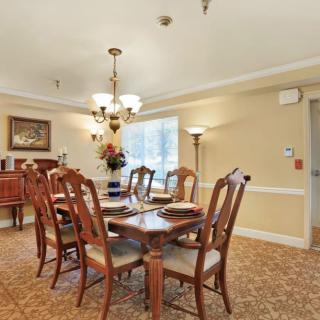
    • Dining room Dining roomDining rooms are important for seniors as they provide a space for socialization, connection, and nutritious meals. They offer opportunities for residents to bond over shared meals, foster a sense of community, and promote healthy eating habits. Dining rooms also ensure that seniors have access to well-balanced meals tailored to their dietary needs and preferences.
    • Fully furnished Fully furnishedFully furnished senior living communities are important for seniors because they provide convenience, comfort, and a hassle-free moving experience. Seniors can easily settle into their new living space without the stress of having to buy and move furniture. This allows them to focus on enjoying their new home and community.
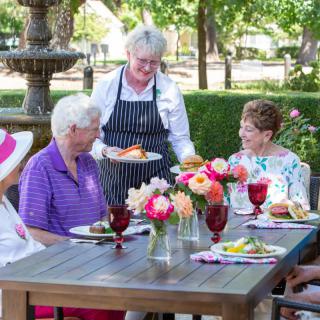
    • Garden GardenGardens are important for seniors as they provide a peaceful and therapeutic environment for relaxation, physical activity, and socialization. Being in nature has been shown to reduce stress, improve mood, and promote overall well-being. Gardens also offer opportunities for seniors to engage in gardening activities, which can improve mobility, flexibility, and cognitive function. Additionally, gardens create a sense of community and connection with others who share a passion for plants and outdoor spaces.
    • Housekeeping services Housekeeping servicesHousekeeping services are important for seniors because they help maintain a clean and safe living environment, promote independence, and reduce the risk of accidents or illnesses. Additionally, having assistance with household chores can alleviate physical strain and allow seniors to focus on other aspects of their well-being.
    • Move-in coordination Move-in coordinationMove-in coordination is important for seniors because it helps ease the transition into their new living environment. It ensures that all logistics, such as packing, organizing movers, and setting up utilities are taken care of, allowing seniors to focus on settling in and adjusting to their new home. Having a smooth move-in process can alleviate stress and anxiety, making the transition smoother and more enjoyable for seniors.
    • Outdoor space Outdoor spaceOutdoor spaces are important for seniors as they provide opportunities for physical activity, social interaction, exposure to natural light and fresh air, and a sense of connection to nature. Having access to outdoor spaces can improve overall well-being and quality of life for older adults living in senior communities.
    • Telephone TelephoneTelephones are important for seniors as they provide a lifeline for communication with loved ones, emergency services, and healthcare providers. They offer a sense of security and independence, enabling seniors to stay connected and access assistance when needed.
    • Wi-Fi/high-speed internet available Wi-Fi/high-speed internet availableWi-Fi/high-speed internet is important for seniors to stay connected with loved ones, access online resources, and participate in virtual activities to combat feelings of loneliness and isolation. It also allows them to easily manage healthcare needs, access entertainment, and engage in lifelong learning opportunities.

    Care Services

    • 24-hour supervision 24-hour supervision24-hour supervision is important for seniors to ensure their safety, well-being, and access to immediate assistance in case of emergencies or health issues. This constant support provides peace of mind for both seniors and their loved ones, allowing them to age in place with dignity and security.
    • Activities of daily living assistance Activities of daily living assistanceActivities of daily living assistance are important for seniors because they provide essential support with tasks such as eating, bathing, dressing, and mobility. This assistance helps seniors maintain their independence, dignity, and overall quality of life as they age.
    • Assistance with bathing Assistance with bathingAssistance with bathing is crucial for seniors as it helps maintain personal hygiene, prevents infections, and ensures their overall well-being and comfort. It also provides a sense of dignity and independence for seniors who may struggle with this task on their own.
    • Assistance with dressing Assistance with dressingAssistance with dressing is important for seniors because it helps maintain their independence, promotes personal hygiene, prevents accidents and injuries, and improves overall quality of life. This service ensures that seniors can continue to dress comfortably and confidently, despite any physical limitations they may have.
    • Assistance with transfers Assistance with transfersAssistance with transfers is crucial for seniors as it helps prevent falls and injuries, maintains their independence, and ensures they can safely navigate their living environment. It also provides peace of mind for both seniors and their loved ones.
    • Coordination with health care providers Coordination with health care providersCoordination with health care providers is crucial for seniors to ensure proper medical care, medication management, and overall well-being. This collaboration helps prevent overlapping treatments, track progress more effectively, and provide comprehensive support tailored to individual needs.
    • Diabetes diet Diabetes dietA diabetes diet is crucial for seniors as it helps manage blood sugar levels, reduce risks of complications, and improve overall health and well-being. By following a balanced and nutritious diet tailored to their specific needs, seniors can better control their diabetes and enhance their quality of life.
    • Meal preparation and service Meal preparation and serviceMeal preparation and service are crucial for seniors as they may have limited mobility or energy to cook nutritious meals. Having access to healthy and convenient food options can ensure they are getting the proper nutrition needed to maintain their overall health and well-being.
    • Medication management Medication managementMedication management is crucial for seniors to ensure they are taking the right medications at the correct dosages and times. This helps prevent adverse drug interactions, reduces the risk of medication errors, and promotes overall health and well-being. Proactive management also allows for adjustments as needed based on changing health conditions or new prescriptions.
    • Special dietary restrictions Special dietary restrictionsSpecial dietary restrictions are important for seniors because age-related changes in metabolism and health conditions can make it difficult for their bodies to process certain foods. By following a diet tailored to their specific needs, seniors can maintain their overall health and well-being, manage chronic conditions, and reduce the risk of complications such as malnutrition or food interactions with medications.
    • Transportation arrangement (medical) Transportation arrangement (medical)Transportation arrangements for medical purposes are essential for seniors as they may have difficulty driving themselves to appointments or accessing public transportation. Having reliable and safe transportation options ensures that seniors can receive timely medical care and maintain their health and well-being.
    • Transportation to doctors appointments Transportation to doctors appointmentsTransportation to doctors' appointments is crucial for seniors as it ensures they have access to necessary medical care and support for their health needs. Without reliable transportation, seniors may struggle to attend important appointments, leading to potential delays in treatment and health complications. Providing transportation services helps seniors maintain their overall well-being and quality of life.
    Dining

    • Diabetes diet Diabetes dietA diabetes diet is crucial for seniors as it helps manage blood sugar levels, reduce risks of complications, and improve overall health and well-being. By following a balanced and nutritious diet tailored to their specific needs, seniors can better control their diabetes and enhance their quality of life.
    • Special dietary restrictions Special dietary restrictionsSpecial dietary restrictions are important for seniors because age-related changes in metabolism and health conditions can make it difficult for their bodies to process certain foods. By following a diet tailored to their specific needs, seniors can maintain their overall health and well-being, manage chronic conditions, and reduce the risk of complications such as malnutrition or food interactions with medications.

    Activities

    • Community-sponsored activities Community-sponsored activitiesCommunity-sponsored activities are important for seniors as they provide opportunities for social interaction, mental stimulation, and physical activity. These activities can help improve overall well-being, combat loneliness and isolation, and promote a sense of belonging and purpose among older adults.
    • Scheduled daily activities Scheduled daily activitiesScheduled daily activities are important for seniors because they provide structure, socialization, mental stimulation, and physical activity. Engaging in regular activities can improve overall well-being and quality of life for seniors living in a community setting.

    Description

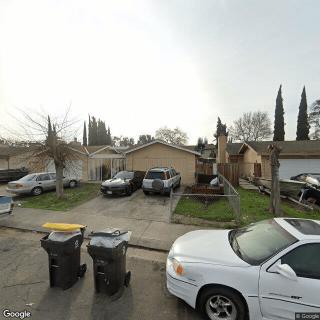
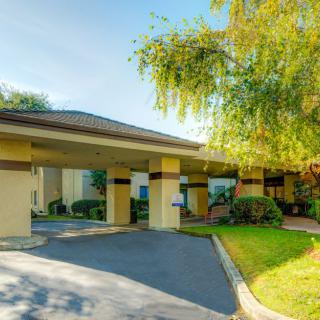
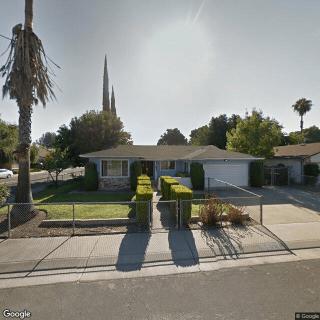
    The Good Samaritan Home Olivia in Stockton, CA is a board and care home that provides a comfortable and nurturing environment for seniors in need of assistance with daily living activities. The community offers fully furnished accommodations, ensuring that residents feel at home from the moment they move in.

    Residents can enjoy the beautiful outdoor spaces and garden area, perfect for relaxation and socializing with fellow residents. Housekeeping services are provided to maintain a clean and tidy living environment. Move-in coordination assistance is available to help make the transition as smooth as possible.

    For convenience, amenities such as telephone and Wi-Fi/high-speed internet are provided to ensure that residents can stay connected with their loved ones and the outside world. Additionally, dining is catered to accommodate special dietary restrictions, ensuring that all residents receive nutritious meals tailored to their individual needs.

    Care services offered at Good Samaritan Home Olivia include assistance with activities of daily living such as bathing, dressing, and transfers. Staff members also coordinate with health care providers to ensure that residents receive proper medical attention when needed. Medication management is provided to ensure the timely administration of medications.

    Transportation arrangements for medical appointments are available for added convenience. Residents can rely on the community's transportation services to safely reach their doctors' appointments without any hassle.

    Residents will find ample opportunities for social engagement through scheduled daily activities. These activities are designed to promote mental stimulation and physical well-being among residents.

    Location-wise, Good Samaritan Home Olivia benefits from its proximity to various amenities in Stockton. There are numerous cafes, parks, pharmacies, physicians’ offices, restaurants nearby for residents' convenience. The community is also within close proximity to theaters and hospitals should additional entertainment or medical services be required.

    Overall, Good Samaritan Home Olivia offers a warm and inviting atmosphere where seniors can receive personalized care while enjoying a range of valuable amenities and engaging activities near their local community in Stockton, CA.

    Nearby Places of Interest

    This area of Stockton, California offers a variety of amenities and services that may be appealing for senior living. There are several restaurants nearby such as Tacos El Duende and Miguel's Mexican Restaurant for convenient dining options. Additionally, there are several parks including Oak Grove Regional Park and Micke Grove Regional Park where seniors can enjoy outdoor activities and relaxation. The vicinity also features hospitals like Meadowood A Health & Rehabilitation Center and Trinity Plaza Surgery Center, ensuring quality healthcare access. Furthermore, there are pharmacies like Walgreens and Safeway Pharmacy in close proximity for medication needs. For leisure activities, there is the Regal Cinemas Stockton Holiday 8 theater for entertainment purposes. Overall, this part of Stockton provides a blend of conveniences and recreational opportunities suitable for senior living.

    Restaurants

    • Tacos El Duende (1.6 miles)
    • McDonald's (2.1 miles)
    • Sonic Drive-In (2.2 miles)
    • Panda Express (2.2 miles)
    • Wendy's (2.2 miles)
    • McDonald's (2.3 miles)
    • Miguel's Mexican Restaurant (2.4 miles)

    Parks

    • Oak Grove Regional Park (1.7 miles)
    • Angel Cruz Park (2.6 miles)
    • Sherwood Forest Park (3.8 miles)
    • Micke Grove Regional Park (3.8 miles)
    • Fritz Grupe Park (3.9 miles)
    • Beckman Dog Park (4.6 miles)

    Hospitals

    • Meadowood A Health & Rehabilitation Center (1.9 miles)
    • Trinity Plaza Surgery Center (2 miles)
    • Crestwood Hospitals (2.6 miles)

    Physicians

    • Kristin M. Bennett, MD (2 miles)
    • Ronald G. Dong, MD (2 miles)
    • Stockton Surgery Center: Sutter Gould Medical Foundation (2.1 miles)
    • Tracy L. Bigelow, DO (2.2 miles)
    • Kurt Roemer, MD (2.2 miles)
    • Jennifer T. Phung, MD (2.2 miles)
    • Sandar Linn, MD (2.2 miles)

    Pharmacies

    • Walgreens (2.2 miles)
    • Walgreens (2.4 miles)
    • Save Mart Supermarkets (2.5 miles)
    • CVS Pharmacy (3 miles)
    • Kaiser Pharmacy 1 (3 miles)
    • Safeway Pharmacy (3.1 miles)
    • Rite Aid (3.1 miles)

    Cafes

    • Starbucks (2.2 miles)
    • Starbucks (2.3 miles)
    • Starbucks (3 miles)
    • Starbucks (4.4 miles)
    • Panera Bread (4.6 miles)
    • Starbucks (4.8 miles)
    • Starbucks (5 miles)

    Theaters

    • Regal Cinemas Stockton Holiday 8 (3.5 miles)

    Frequently Asked Questions

    Where is A Good Samaritan Home Olivia?

    Nearby Communities

    Related Resources

    • does medicaid pay for assisted livingUnderstanding Medicaid Coverage for Assisted Living: A Comprehensive Guide

      The guide outlines the complexities of Medicaid coverage for assisted living, highlighting significant state-to-state variations, limited coverage often restricted to personal care services, and the existence of specialized waivers for certain needs like memory care. It advises families to consult local Medicaid offices for options while emphasizing the importance of understanding state-specific regulations and facility policies.

    • does medicaid pay for assisted livingHow and When Medicaid May Cover Assisted Living Costs

      Medicaid coverage for assisted living varies by state and is primarily available to low-income individuals, with eligibility dependent on strict income and asset limits. Some states offer HCBS waivers for specific services in assisted living, but families must generally cover room and board costs, and should verify facility acceptance of Medicaid while considering potential waiting lists.

    • assisted living waiver programA Detailed Exploration of Assisted Living Medicaid Waivers Across the United States

      Medicaid waivers for assisted living services provide vital support for seniors and individuals with disabilities in need of long-term care, with varying state-specific eligibility criteria and benefits. These waivers cover personal care and case management but often do not fully cover room and board, leading to waiting lists for many applicants.


    Get Pricing Ask A Question Schedule A Tour Contact Senior Advisor