
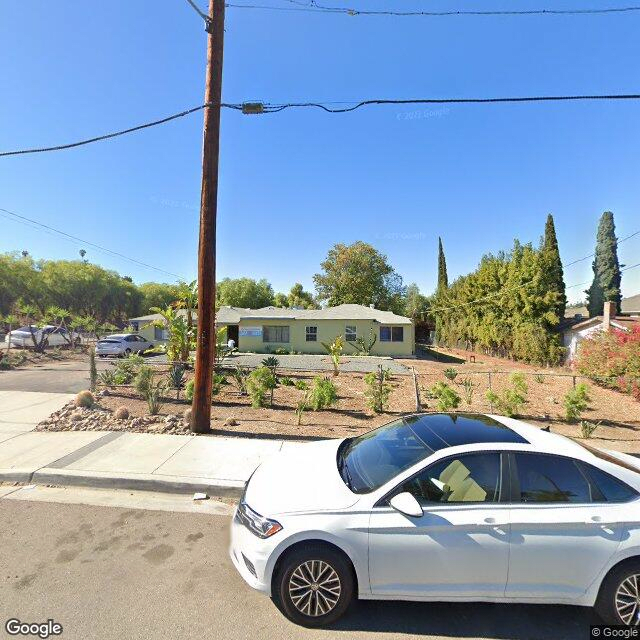
3602 S Cordoba Ave, Spring Valley, CA 91977
To contact a resident: (619) 670-6904
For more information about senior living options: (866) 208-4318
Overall Review of Casa De Oro Guest Home
Pros
 Residents are respected individually and have freedom of movement on and off the campus.
- The staff are friendly, and residents seem to be well cared for.
- The facility is clean and well kept.
- 24-hour supervision is present and personal needs are met any hour of the day.
- Doctors, nurses and caseworkers are regular visitors providing services as needed.
- New management oversees rights and care, providing healthcare, personal care, guidance, nutritious food and general cleanliness.
- Residents receive medications prescribed and are encouraged to follow medical directions.
Cons
 The reviewer states that the facility isn't heaven.
 - The resident regards moving into independent living as the biggest mistake.
- The resident believes Nick probably hates him for marrying his staff housekeeper.
- The resident regrets leaving.
Review
Casa De Oro Guest Home in Spring Valley is best suited for families seeking a warm, home-like assisted-living option where residents are known by name, care feels personal, and oversight is steady without feeling institutional. The community emphasizes dignity, friendly staff, and a clean, well-kept environment. Residents have freedom of movement on and off campus, and the operation combines daily supervision with accessible healthcare touchpoints. With new management focusing on rights, care, and a predictable routine, this setting suits those who want reliable, day-to-day support, medication scheduling, nutrition, and cleanliness, without surrendering a sense of independence within a protected space.
Those who should consider alternatives are families prioritizing highly specialized care. The reviews hint at residents who may have some medical needs or cognitive challenges, but the facility is not presented as a dementia-specific or high-acuity hospital substitute. For families seeking hospital-level memory care, aggressive rehab services, or a campus with extensive on-site therapy suites and large-scale programming, other options will likely serve better. Similarly, look elsewhere if independence is desired without a clear framework of daily oversight, if a more autonomous, bustling independent living environment is the goal, this community may feel more structured than desired.
The strongest pro-argument rests on safety, continuity, and person-centered care. 24-hour supervision and the availability of doctors, nurses, and caseworkers who visit as needed create a dependable safety net for daily needs and medical directions. Medication management is explicit (four times daily) and paired with a discipline for communicating when directions aren’t followed, which can reassure families about adherence and accountability. The staff’s friendliness and the residents’ respectful treatment further offset the potential downsides by cultivating trust, reducing the anxiety that comes with care transitions, and making daily life feel more predictable and dignified.
The second review adds a crucial longitudinal stamp: long-ago residents describe the facility as “nice” and recall meaningful, positive years there. That perspective, while dated, signals a culture that can foster lasting relationships and a sense of belonging, a meaningful outcome for families evaluating where a senior might best thrive. The nostalgia implies a durable foundation built by owners and staff that continues to influence today’s operations, reinforcing the sense that this is not a sterile, impersonal care setting but a place where routines and human warmth matter.
From a practical standpoint, due diligence should focus on management stability, care routines, and how rights and safety are enforced day-to-day. Prospective families should ask about staff turnover and how the new leadership translates into everyday care decisions, especially for residents who require regular monitoring or have specific medical instructions. Confirm what “24-hour supervision” translates to in practice, how emergencies are handled, and the cadence of on-site medical oversight. Take a thorough tour to assess dining quality, cleanliness, and the real-life feel of the shared spaces, these details correlate with long-term comfort more than glossy marketing.
Bottom line: this community delivers a pragmatic, compassionate option for seniors who want a smaller, well-maintained setting with dependable supervision and accessible medical contact. It is a strong pick for families prioritizing consistent routines, staff warmth, and a home-like atmosphere where residents retain a degree of autonomy within a safeguarded environment. It is not the right fit for those seeking intensive memory-care programs, hospital-grade rehab, or a large, activity-heavy campus. For families weighing Casa De Oro, a candid campus tour paired with targeted questions about care scope, rights protection, and management continuity will clarify whether the balance of pros aligns with the resident’s needs.
 Board and Care Home
 San Diego International-Lindbergh (12 miles away)






 Understanding Home Health Care: A Comprehensive Guide
 Home Health Care Demystified: A Comprehensive Guide for Families and Caregivers
 Seniors and Modern Transportation: Exploring Uber, Lyft, and Other Ride-Hailing Options