
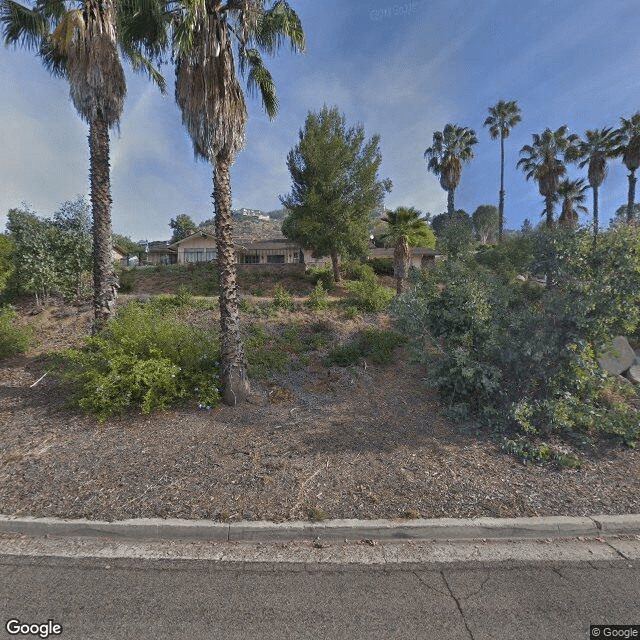
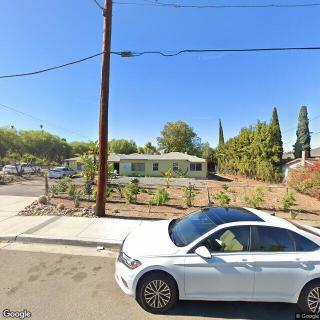
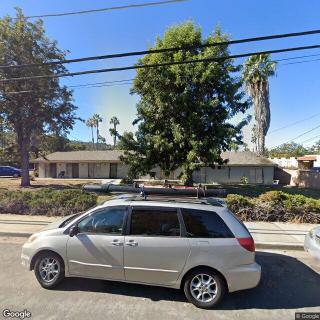
10030 Grandview Drive, La Mesa, CA 91941
For more information about senior living options: (866) 208-4318
Mount Helix Care Home Costs & Pricing
Mount Helix Care Home offers competitive pricing for its residential care services, with monthly costs that reflect both the quality of care provided and local market conditions. For a semi-private room, residents can expect to pay $3,300, which is notably lower than the average cost in San Diego County at $3,518 and slightly below the statewide average of $3,333. Private rooms at Mount Helix are priced at $4,000, aligning with California's statewide average of $3,939 but slightly higher than the county's average. Additionally, studio accommodations are available for the same rate of $4,000 - this is above both county and state averages at $4,217 and $4,145 respectively. Overall, Mount Helix Care Home presents a compelling option within a competitive field while maintaining a focus on providing a supportive environment for its residents.
| Floor plans | Mount Helix Care Home | San Diego County | California |
|---|---|---|---|
| Semi-Private | $3,300 | $3,518 | $3,333 |
| Private | $4,000 | $3,939 | $3,939 |
| Studio | $4,000 | $4,217 | $4,145 |
Memory care communities with a similar price nearby
-
from -$450 / mo
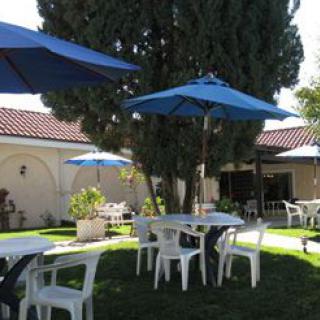
Alpine View Lodge
$2,850 to $3,550 / month12.0 miles away -
from -$100 / mo
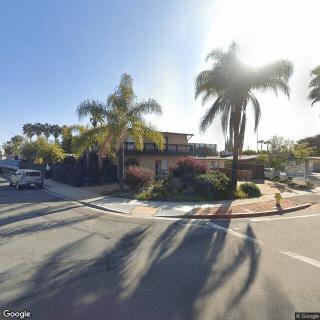
Wellspring Assisted Living
$3,200 to $4,000 / month2.9 miles away -
from +$200 / mo
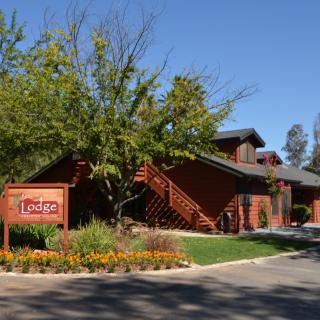
Ramona Senior Lodge Assisted Living
$3,500 to $5,500 / month17.1 miles away -
from -$500 / mo
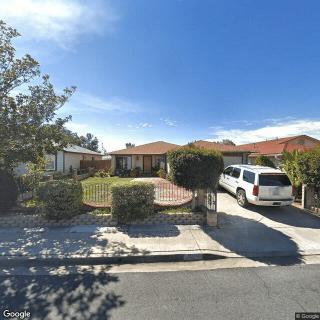
Carecenter at Home for Elderly
$2,800 to $3,500 / month6.0 miles away -
from -$100 / mo
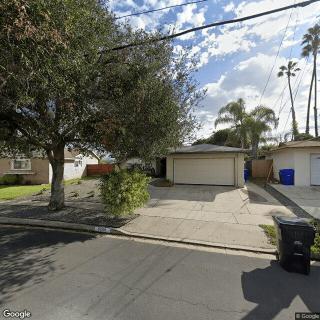
Baron's Residential Care Inc. - Lodi Gardens
$3,200 to $4,000 / month13.8 miles away
Overall Review of Mount Helix Care Home
Pros
 The tour was nice.
- The home is clean.
- It is nice that each resident has their own room.
Cons
 The home is older.
- The rate seems high.
Review
Mount Helix Care Home in La Mesa is best suited for seniors who value privacy, a homelike ambiance, and a calmer, smaller-scale setting over the polish of a larger campus. This community works for residents who insist on private bedrooms and dislike shared rooms, preferring a straightforward, non-clinical atmosphere that feels more like a private home than a hospital wing. For families prioritizing dignity, manageable routines, and a quieter pace, Mount Helix offers a credible option that centers on clean, orderly spaces and personal space rather than flashy amenities or resort-like features.
However, several caveats temper the appeal. The facility sits in the older end of the market, which can mean dated layouts or fixtures, and that reality will matter to families weighing comfort and long-term adaptability. The single review available signals a limited breadth of perspective here, so decisions should hinge on careful in-person observations rather than assumptions. Potential residents who require robust programming, strong social engagement, or state-of-the-art accommodations may find this option lacking compared with newer or larger communities. Those with tighter budgets or strict value expectations should proceed cautiously.
The most persuasive positives are concrete and meaningful. The tour left a favorable impression, with a sense of cleanliness and a home-like tone that aligns with private-room living. The standout practical benefit is that every resident gets their own room, eliminating the discomfort and health concerns that come with shared living spaces. In a setting where privacy supports independence and personal routines, this feature reduces friction around daily activities and can ease the transition for new residents who dread dorm-style arrangements. Cleanliness reinforces safety and comfort, reinforcing trust in daily operations.
On the flip side, the core drawbacks are equally real and deserve serious consideration. The most salient is price visibility: the rate is described as high, and without transparent inclusions, the value proposition becomes hard to gauge, especially for a small home that may not deliver the breadth of services found in larger communities. The old-build footprint creates potential trade-offs in accessibility, amenities, and modernization, which can influence day-to-day living, safety features, or the ease of aging in place. The lack of detailed information about staffing levels, care intensity, or activity programming leaves a void that makes confidence difficult to consolidate from a single snapshot.
Those pros and cons do not exist in a vacuum; their balance hinges on personal priorities. for residents who prize privacy, quiet mornings, and the comfort of a single room, the clean, low-disruption environment can offset some concerns about aging facilities. The private-room model reduces roommate-related stress and supports individualized care routines, which can be a decisive advantage for couples seeking separation of needs or for seniors who value individualized space. Yet the high rate diminishes the strength of these positives if the monthly cost does not align with the level of care, programming, and modernization expected in the price tag. In short, value rests on whether privacy and simplicity are worth paying a premium for, and on how well the facility can demonstrate that adequate care is being delivered.
For families weighing next steps, the practical path is clear. Seek a detailed, line-by-line breakdown of what the rate covers, including meals, housekeeping, medical support, transportation, and care coordination. Visit again with a targeted checklist: ask to see a sample care plan, inquire about staff turnover, request calendars for activities, and probe how isolated or integrated residents feel within the daily rhythm. Compare Mount Helix Care Home against nearby options that offer more modern renovations or broader programming at similar or lower price points. If privacy, quiet, and a home-like feel are nonnegotiable, Mount Helix can be a defensible choice; if modern amenities, robust social programming, or transparent value matter more, alternatives should be pursued with urgency.
 6 resident community capacity
 Assisted Living
 Board and Care Home
 Memory Care
 Respite Care
 Cats allowed
 Dogs allowed
 Cable or satellite TV
 Dining room
 Fully furnished
 Garden
 Housekeeping services
 Move-in coordination
 Outdoor space
 Private
 Private bathrooms
 Telephone
 Wi-Fi/high-speed internet available
 San Diego International-Lindbergh (12 miles away)
 24-hour supervision
 Activities of daily living assistance
 Ambulatory care
 Assistance with bathing
 Assistance with dressing
 Assistance with transfers
 Diabetes diet
 Incontinence care
 Meal preparation and service
 Medication management
 Special dietary restrictions
 Transportation arrangement (medical)
 Transportation to doctors appointments


 Guiding Your Journey: Understanding Power of Attorney for Elderly Parents
 22 Remarkable Caregiver Support Groups Available Online and In-Person
 Understanding Medicaid Coverage for Assisted Living: A Comprehensive Guide