
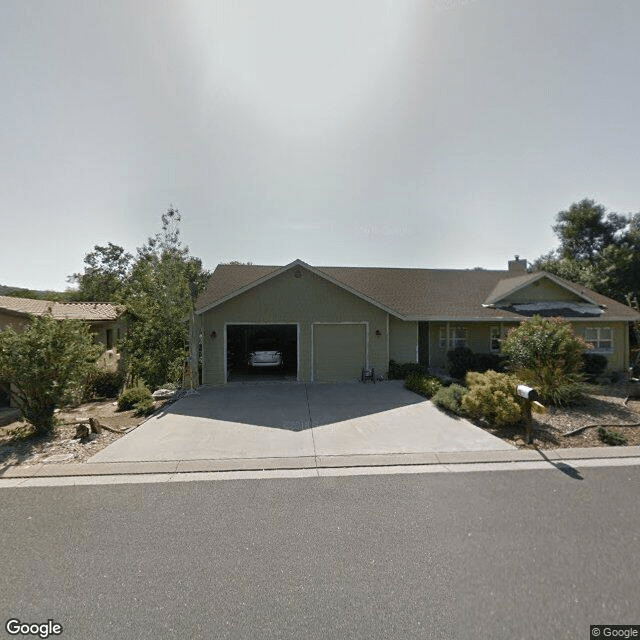
20915 O'Brien Ct, Sonora, CA 95370
To contact a resident: (209) 288-2484
For more information about senior living options: (866) 208-4318
Overall Review of TLC Assistant Living Services
Pros
 They are truly satisfied with the service.
- They love TLC Assistant Living Services.
- They were impressed with the owner and the immediate availability of in‑home care.
- They were fortunate to find TLC amid limited local services.
- The caregiver was a nice person who kept in touch about the care.
- The community was recommended by a local nurse and the staff are kind and caring.
- TLC did an outstanding job with clients who have dementia.
- They were compassionate and very patient in handling dementia-related situations.
- The caregivers are great.
Cons
 The reviewer alleged predatory business practices that exploit vulnerable clients.
 - The reviewer described a staff member named Sheila as unprofessional and disinterested, concluding they would not recommend TLC Assisted Living.
- The reviewer claimed a contract was violated and funds from a client’s fixed income were kept.
- The reviewer advised not disclosing financial information to the provider.
- The reviewer criticized the phone system as unreliable, noting the Google-listed number was basically useless and voicemails were not returned promptly.
- The reviewer warned clients not to give caregivers access to bank accounts or credit cards.
- The reviewer urged others to look somewhere else due to the provider’s reputation.
Review
TLC Assistant Living Services in Sonora is best suited for families that need hands-on, in-home style support with a focus on dementia-capable care and a quick start. The operation shows a clear strength in compassionate, patient caregiving, and the owner’s involvement is noted as a positive driver for responsiveness. Immediate availability and a referral-backed entry into care also stand out as practical advantages for families facing urgent needs. However, this is not a flawless fit for every situation: those who demand ironclad financial safeguards, absolute scheduling reliability, and consistently friction-free communication should consider alternatives.
Positive impressions run strongest around the caregiving core. Reviews describe caregivers as kind, calm, and well prepared to handle dementia-related challenges, with staff volunteers and clients alike benefiting from a patient, steady approach. Several observers highlight the value of referrals from a nurse and the warmth shown by caregivers during routine tasks. The owner’s hands-on involvement is repeatedly credited with creating a sense of trust and continuity, and some families report meaningful, compassionate engagement that can make a real difference in daily life and mood for difficult cases.
Yet the most serious reservations cluster around business practices and reliability. One review alleges predatory behavior and a contract breach that compromised a family’s finances, warning strongly against disclosing financial information. Other accounts describe unprofessional phone interactions, inconsistent or late showups, and a general sense of disorganization in scheduling or communication. Taken together, these concerns illuminate a core risk: the same attributes that enable close, attentive care can be undermined by weak administrative discipline, fragile billing practices, and inconsistent responsiveness.
These dynamics shift the risk-benefit calculation. The genuine strengths, compassionate, skilled caregiving and rapid access, do offset many day-to-day caregiving needs, especially for dementia care and for families that prize a personal touch and quick ramp-up. The positive caregivers’ demeanor and hands-on attention can translate into meaningful improvements in comfort and safety for a loved one. But without robust safeguards, the potential for financial missteps or communication gaps can erode trust and create ongoing stress for families already navigating tough decisions. In short, the benefits are real and potent when reliability and transparency are in place; they are compromised when governance and communications falter.
Given those dynamics, certain families should seriously consider alternatives. If financial transactions, contracts, and billing require unambiguous, verifiable controls, seek providers with longer, documented histories of stable billing practices and third-party oversight. If scheduling, and the ability to secure timely, predictable visits, must be rock solid to prevent gaps in daily care, prioritize agencies with strong operational systems and consistent caregiver rosters. For families with loved ones who are especially vulnerable to financial risk or who require strict, regimented care schedules, exploring larger, licensed agencies with established compliance tracks and formal reference processes is prudent.
For those who proceed with TLC, the path to a stronger, safer arrangement is clear. Insist on a detailed written contract that specifies service scope, billing procedures, privacy protections, and backups for missed visits. Demand direct, transparent communication channels with known, reachable staff; require backup caregivers with clear handoffs and contact information. Request a clear escalation process to the owner or a designated administrator for any scheduling or billing concerns, and verify references beyond the promotional materials. Implement a temporary care plan or trial period to observe reliability before full financial commitments are made. When guarded steps are taken, TLC’s core strengths, compassion, dementia-capable care, and rapid entry into service, can translate into a genuinely beneficial arrangement for the right family.







 Comprehensive Guide to Medicare Coverage for Hospice Care
 Caring for Those Who Care: Recognizing, Understanding, and Overcoming Caregiver Burnout
 Caregiver Exhaustion: Recognizing the Signs and Restoring Your Well-Being