

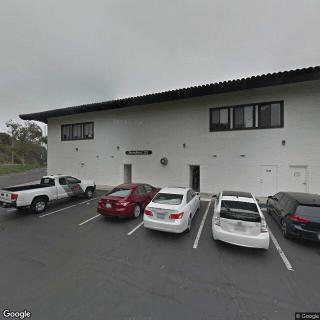
500 Stevens Avenue Suite 100, Solana Beach, CA 92075
For more information about senior living options: (866) 208-4318
Overall Review of Senior Resource Group
Pros
 Chef Will is top of the line.
- The staff is dedicated.
- Sometimes the communication is great.
Cons
 The management teams are described as among the most unprofessional they have ever dealt with.
- The facility is described as horrible and refuses to contact residents.
- The staff is dedicated but poorly trained and unsupported, leading to chaotic operations from a lack of communication.
- Orders are given to staff who lack training in writing coherently, rendering messages meaningless.
- There is no advance notice for fire alarm testing, causing distress to residents and their pets.
- Residents are upset because no proper notice was provided, with notifications limited to LifeLoop.
- Communication at the facility is often vague and inconsistent, indicating a lack of clear oversight.
- There is a pervasive lack of leadership and follow-up, with no one seeming to be on top of things.
Review
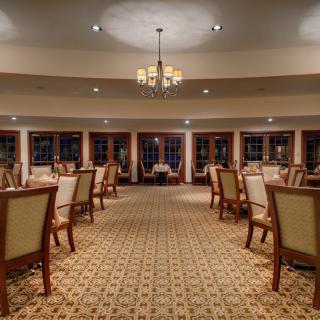
Senior Resource Group in Solana Beach is best suited for families that can tolerate real administrative turbulence in exchange for on-site dining quality and visible frontline care. The core audience here appears to be residents who do not require flawless, top-down operations and who can sustain involvement from family members to navigate notices, schedules, and day-to-day communications. The dining program stands out as a concrete plus, with a chef described as top of the line, offering a tangible upside for residents who place a premium on meals and culinary presentation. In short, this is not a passive option; it rewards vigilance and active engagement from those coordinating care and pacing daily life.
Those with more demanding needs should consider alternatives. Prospective residents who rely on consistently professional management, reliable safety communications, and predictable operational rhythm will likely find this community wanting. The frequency and clarity of notices, particularly around routine disruptions, appear uneven, and reliance on an online system (LifeLoop) without proactive, in-building updates can leave families and residents guessing. For seniors who thrive on stability, predictable responses from leadership, and airtight procedures, especially around alarms, drills, and resident information, this property is unlikely to satisfy.
The main positives, dedicated staff and strong culinary offerings, do not sufficiently counterbalance the most significant drawbacks. Staff are described as caring and attentive, but their effectiveness is hampered by inconsistent training and support. That gap translates into chaotic communication, which undermines safety and comfort. When orders are issued without coherent messaging, or when the front desk is constrained by vague directives, residents feel unsure how to respond to routine disruptions or emergencies. The dining program remains a genuine asset, yet it cannot compensate for the lack of organizational polish that colors the overall experience.
The most troubling issues center on management and communication. Reviews portray leadership as reactive rather than proactive, with complaints about unprofessionalism and a pattern of placating rather than solving problems. A notable example is the fire alarm episode, where testing was conducted without timely, clear notice, leaving residents and a resident’s dog distressed and unsure of what was happening. The explanation that notices exist only online reinforces a dependence on residents and families to monitor an external system rather than providing direct, in-building communication. The presence of a business manager distributing ear plugs in lieu of a coordinated response underscores a disconnect between leadership, staff, and residents. Accusations of “wolves in sheep clothing” and concerns about portfolio management further erode trust in the facility’s governance.
For families evaluating moves, a practical decision framework is essential. Insist on meeting with the administrator and testing the escalation path for complaints, drills, and urgent communications. Request a transparent training plan for staff, including how shift handoffs are managed and how messages are documented for residents who may have hearing or cognitive challenges. Demand a clear, advance notification protocol for any safety testing or maintenance that could disrupt routines, with multiple avenues of notice (not just an online portal). Talk with current residents and their families about how often issues surface, how quickly they are addressed, and whether improvements have followed past feedback. If the answer is insufficient or evasive, that is a red flag.
In the end, the decision hinges on risk tolerance and oversight. The community offers a compelling dining experience and genuinely committed staff, but those to whom reliability, transparent governance, and proactive communication are indispensable will find the current leadership and processes insufficient. Given the star rating, the weight of multiple negative experiences, and the absence of consistent, clearly articulated systems, families should proceed cautiously and compare with nearby alternatives that demonstrate steadier administration and more predictable operations. If a choice is made here, complement it with rigorous, ongoing family oversight, concrete timetables for improvements, and a strong, explicit commitment from leadership to repair the communication gaps that undermine safety and daily comfort.
 MC Clellan-Palomar Airport (9 miles away)






 Understanding Hospice Care at Home: Comprehensive Services, Key Benefits, and Eligibility
 Understanding the Full Cost of 24/7 In-Home Care: A Detailed Overview
 Exploring the World of Home Health Nurses: Qualifications, Roles, and Hiring Tips