
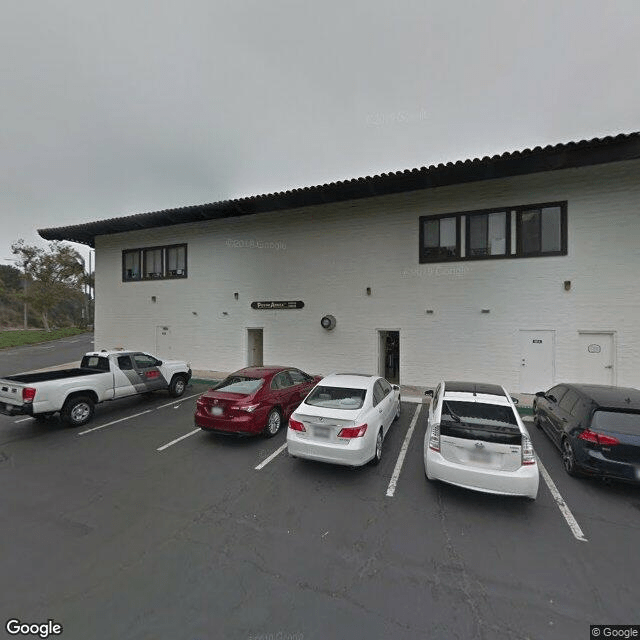
991 C Lomas Santa Fe Drive Ste 164, Solana Beach, CA 92075
To contact a resident: (800) 777-4750
For more information about senior living options: (866) 208-4318
Overall Review of A Servant's Heart Care Solutions
Pros
 The tenant never missed a lease payment or made unusual demands.
- The tenant remained financially reliable, continuing to pay rent with annual increases while occupying the space.
- The tenant sought to relocate in order to retain earnings from patient care.
- The reviewer notes physicians’ commitment to continuity and the standard of care for patients.
Cons
 Americare limited the tenant’s lease to five years despite a substantial investment in their property.
- Americare charged above-market lease payments that rose 2-4% annually, eroding physician income.
- All private practice tenants reportedly had difficulties with Americare.
- Americare renewed leases on a month-to-month basis with annual CPI increases.
- After fourteen months, Americare unilaterally ended the month-to-month arrangement and offered eviction or a three- or five-year lease.
- Americare pursued payments for a former office the tenant no longer occupied, including withholding the security deposit and unused TI allowance.
Review
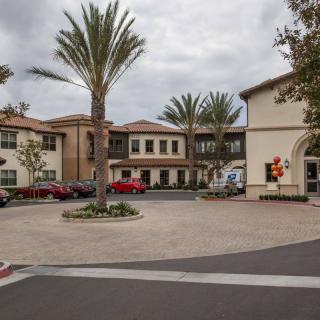
This Solana Beach community is best for families seeking a small, hands-on care environment where staff know residents well and daily routines feel predictable. Yet the cautionary takeaway from the broader operator landscape is that long-term viability hinges on the operator’s financial discipline and contract terms. Families who require transparent pricing and solid protections against lease-driven disruption should demand those assurances before committing, and should consider alternatives if they cannot obtain them.
The provided critique explicitly targets Americare Health and Retirement’s landlord practices. The core red flag is a model built on five-year restraints, annual rent escalators, and abrupt changes in tenancy. In a senior living context, such financial volatility can bleed into staffing stability, maintenance cycles, and continuity of services. With no care-quality strengths highlighted in the review, these contractual tensions become the defining factor and should not be ignored when evaluating where to place a loved one.
Do the pros offset the cons? In this case, any conceivable caregiving advantages would have to be proven independently, yet the review offers nothing to substantiate them. The aggressive lease posture directly undermines any claim to stable, resident-focused care. The absence of positive, resident-facing benefits means the financial dynamics described overshadow potential care merits. The practical takeaway is clear: the cons substantially outweigh any uncertain pros, creating a risk profile that many families will deem unacceptable.
Who should consider alternatives: Families that must avoid opaque fee structures, unpredictable escalations, and the threat of eviction or forced renegotiation should actively seek options with transparent pricing and stable ownership. If a provider cannot offer guarantees of long-term care continuity that are insulated from landlord dynamics, it is prudent to look elsewhere. For seniors who prize peace of mind, predictable budgeting, and unwavering reliability, alternatives are not merely preferable; they are essential.
Practical evaluation steps: Demand full disclosure of ownership, governance, and how long-term commitments are handled. Insist on caps for annual increases and protections for residents when ownership changes hands. Seek written policies on grievance resolution, care coordination, and the alignment of staffing with resident needs. Meet with leadership and the operations manager separately to gauge transparency and trust. Request supporting documents, such as recent financial statements or third-party solvency assessments, to gauge stability. These steps are non-negotiable when the sole review warns of landlord-driven instability within care settings.
The prudent approach is to prioritize communities that fuse compassionate, person-centered care with transparent, stable business practices. When stability, predictable costs, and long-term continuity are non-negotiable, the red flags raised by the referral about Americare-style leasing practices become a decisive factor. Shortlist facilities that offer clear contracts, protections against unwelcome fee shifts, and a track record of maintaining resident welfare independent of ownership or landlord maneuvers. In the end, the safest choice is clear: choose a community where the business framework supports consistent, high-quality care rather than creating room for disruptive financial volatility.
 MC Clellan-Palomar Airport (9 miles away)




 Exploring the World of Home Health Nurses: Qualifications, Roles, and Hiring Tips
 Navigating Medicare Coverage for In-Home Care Services
 In-Home Care Costs in 2025: A Detailed State-by-State Exploration