

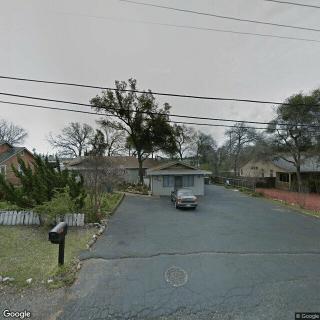
2551 Cameo Lane, Shingle Springs, CA 95682
For more information about senior living options: (866) 208-4318
New West Haven II Costs & Pricing
At New West Haven II, the monthly costs for residential accommodations are notably competitive when compared to both El Dorado County and the broader California market. For a semi-private room, residents can anticipate a monthly fee of $2,600, which is significantly lower than the county average of $3,046 and the state average of $3,333. Similarly, for those seeking more private living arrangements, a studio at New West Haven II is priced at $3,550 - again more affordable than the county's average of $4,136 and just slightly less than California's overall average of $4,145. This pricing strategy not only makes New West Haven II an attractive option but also reflects its commitment to providing quality care without compromising on affordability.
| Floor plans | New West Haven II | El Dorado County | California |
|---|---|---|---|
| Semi-Private | $2,600 | $3,046 | $3,333 |
| Studio | $3,550 | $4,136 | $4,145 |
Memory care communities with a similar price nearby
-
from +$400 / mo

Love & Care for Elder
$3,000 to $4,500 / month18.5 miles away -
from -$100 / mo
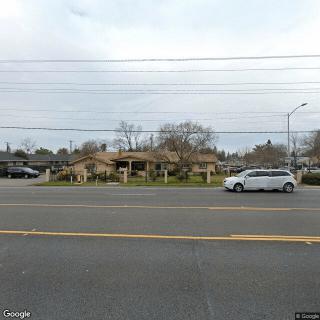
Eastern Manor
$2,500 to $3,000 / month19.9 miles away -
from -$136 / mo

Eskaton Village Placerville
$2,464 to $4,678 / month12.7 miles away -
from -$100 / mo
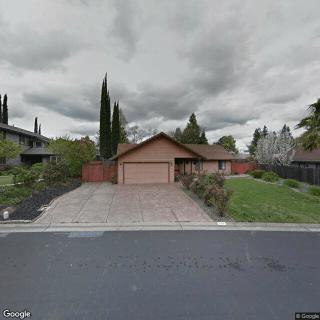
A.R.C. Manor of Folsom
$2,500 to $3,500 / month10.6 miles away -
from +$200 / mo

American River Care Home
$2,800 to $3,000 / month20.5 miles away
Overall Review of New West Haven II
Pros
 The staff quickly learn the needs and personalities of new residents to create a welcoming environment.
- The facility is clean and inviting, with meals described as excellent and tailored to individual requirements.
- Families praise the excellent care and the attentive, friendly staff.
- The overall experience is described as excellent, with supportive care and a welcoming atmosphere.
- The social calendar of events adds value and enjoyment for residents.
- The living areas are beautiful, and the staff are knowledgeable.
Cons
 The mother was kicked out for roaming around too much and entering other residents’ rooms, and the police were called, forcing the family to find another place.
- They felt the facility was nice in some respects, but not a good facility for memory care.
Review
New West Haven II in Shingle Springs is best suited for seniors who need help with daily activities but do not require on-site skilled medical care. The setting works well for families seeking a quiet, clean, and inviting environment with a steady focus on social engagement. Staff responsiveness stands out, with caregivers quickly learning each resident’s routines and preferences to create a welcoming start for new arrivals. For memory concerns, the community is appropriate only if memory-care needs are minimal and wandering risk is low; it is not designed to deliver dedicated memory-care services. Prospective residents with substantial medical oversight requirements will want alternatives that offer on-site nursing and more comprehensive clinical support.
The strongest advantages here are tangible and meaningful for daily life. Caregivers are approachable and observant, adapting to individual needs and personalities so residents feel seen and secure. The facility itself is well-maintained, projecting a calm, home-like ambiance that reduces stress for both residents and families. Dining is a highlight, with a capable chef who can accommodate dietary restrictions while delivering meals that feel fresh and satisfying. A robust social calendar keeps seniors engaged, offering variety, companionship, and a sense of purpose beyond routine tasks. The overall vibe is warm and respectful, with staff consistently described as friendly and dependable.
Yet the main caveat is clear: this is not a memory-care environment, nor a place built around round-the-clock medical supervision. The most troubling red flag from the feedback is a resident who wandered and ended up being asked to leave, underscoring a policy stance that can exclude individuals who exhibit significant wandering or memory-related behaviors. That incident, coupled with the absence of on-site medical services, means families must plan for external medical oversight and recognize that the community’s programming and care philosophy are not equipped to manage advanced cognitive needs or high-risk behaviors. For families with residents who require stable, secure memory-care environments, this becomes a decisive factor.
These realities do not erase the value offered to the right resident. The pros, cleanliness, attentive staff, tasty and adaptable meals, and a lively social calendar, directly address the daily quality of life and emotional well-being that many seniors and families prioritize. For someone who is largely independent in health with mild assistance needs and values social activity in a comfortable setting, the positives strongly offset the lack of medical services. In other words, for residents who can thrive without ongoing skilled nursing and without wandering risk, New West Haven II delivers a reliable, engaging, and cost-effective living experience.
Families weighing options should clearly separate two tracks: memory-care or high-medical-need candidates versus those seeking supportive-living with social vitality. If memory impairment exists or if there is a need for consistent medical oversight, alternatives that offer dedicated memory-care units, secure environments, and on-site clinicians will likely be a better long-term match. For others, the decision hinges on whether the resident will benefit from a strong social program and a calm, well-kept setting more than on-site medical capacity. The right choice aligns the resident’s health needs with the community’s strengths and its ability to mitigate the identified gaps.
Practical next steps for decision-making include a structured visit and direct questions. Inquire about memory-care capability and wander-control policies, confirm the level of on-site medical services and how medical needs are coordinated with external providers, and observe care conversations between staff and residents during routine activities. Ask to meet the caregiving team and request a trial period or a short stay to assess compatibility with daily rhythms, dining, and programming. Finally, map the resident’s interests to the social calendar and verify transportation options, emergency response readiness, and family visitation policies to ensure a seamless fit with expectations and lifestyle.
 67 resident community capacity
 Assisted Living
 Day Program
 Memory Care
 Respite Care
 Air-conditioning
 Beautician on-site
 Cable or satellite TV
 Computer center
 Devotional services off-site
 Dining room
 Fitness room
 Fully furnished
 Gaming room
 Garden
 Ground floor units
 Handicap accessible
 Housekeeping services
 Indoor common areas
 Kitchenette
 Move-in coordination
 Outdoor common areas
 Private bathrooms
 Restaurant-style dining
 Small library
 Telephone
 Wellness center
 Wheelchair accessible showers
 Wi-Fi/high-speed internet available
 Community operated transportation
 24-hour call system
 Ambulatory care
 Assistance with bathing
 Assistance with dressing
 Assistance with transfers
 Diabetes diet
 Diabetic care
 Incontinence care
 Medication management
 Mental wellness program
 Special dietary restrictions
 BBQs or picnics
 Birthday parties
 Concierge services
 Live dance or theater performances
 Live musical performances
 Planned day trips





 Medications Associated with Dementia Risk: A Comprehensive Overview
 Guiding Your Journey: Understanding Power of Attorney for Elderly Parents
 22 Remarkable Caregiver Support Groups Available Online and In-Person