King Of Hearts Eldercare

Save
King Of Hearts Eldercare King Of Hearts Eldercare King Of Hearts Eldercare King Of Hearts Eldercare

King Of Hearts Eldercare

3336 County Club Drive, Cameron Park, CA 95682

For more information about senior living options: (844) 490-3973

4.9 from 17 reviews
5 stars
16
4 stars
1
3 stars
0
2 stars
0
1 stars
0

Assisted Living Board and Care Home Memory Care

Overall Review of King Of Hearts Eldercare

Pros

  • pro The staff at King of Hearts Eldercare are caring, compassionate, and professional.
  • pro Jon, the owner, communicates clearly with families and brings nursing expertise to care.
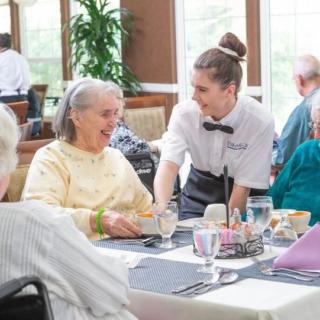
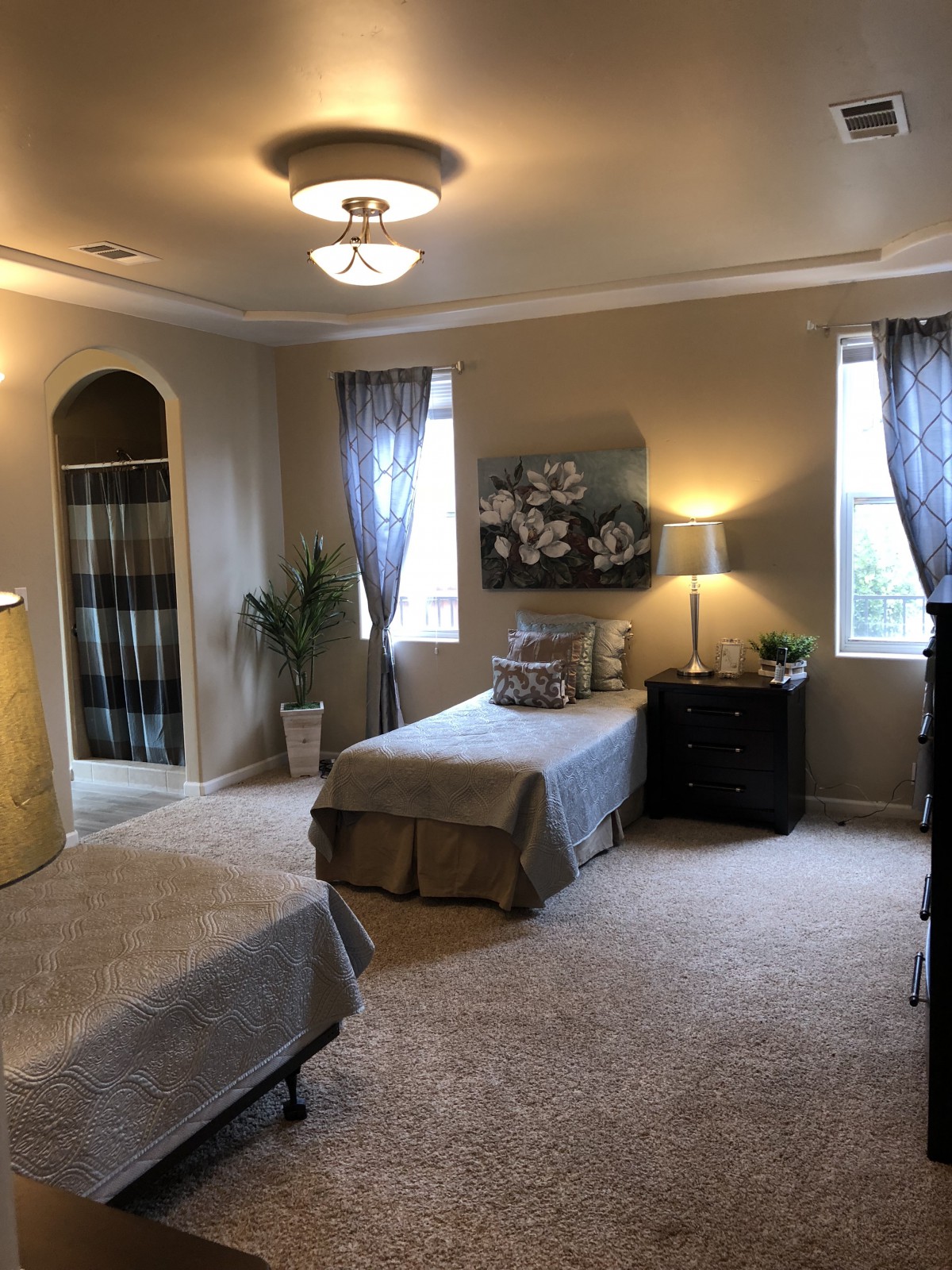
  • pro The facility provides a peaceful, home-like, welcoming environment.
  • pro Residents receive personalized care that addresses daily living needs and medical care.
  • pro The staff maintain a very low turnover and treat residents like family.
  • pro All six beds are hospice-capable, allowing residents to spend their final days there.
  • pro The environment is clean and free from the institutional smell often found in facilities.
  • pro Families feel reassured and supported, trusting that their loved ones are loved and well cared for.
  • pro King of Hearts blends home warmth with attentive caregiving, avoiding an institutional feel.

Review

King of Hearts Eldercare consistently emerges from these accounts as a rare and deeply personal option in elder care. Across multiple families, the setting is described not as a facility, but as a warm, intimate home. The house's six-bed capacity is repeatedly highlighted as a cornerstone of the experience, creating an environment that feels peaceful, calm, welcoming, and beautiful. Residents are treated with the kind of individualized attention that families recognize and appreciate, with staff who are described as friendly, skilled, and genuinely invested in the wellbeing of every person who lives there. The overarching impression is of a place where care feels personal and the everyday atmosphere is nurturing rather than clinical.

Several families speak about long-term care that proves to be not only reliable but emotionally supportive. One account describes a father who lived there for four years, with his daily living activities and medical needs consistently met. The caregivers are commended for their ability to coordinate appropriate medical care while maintaining open lines of communication with the family. In that sense, the facility functions as both a care team and a family liaison, ensuring that loved ones stay informed and involved in decisions about care. The owner's role is highlighted, with emphasis on clear, ongoing communication that helps families navigate the complexities of aging and health needs.

End-of-life care is a recurring theme, underscoring the compassionate ethos of the home. A family who needed hospice support for their mother notes a remarkable level of kindness, care, and professionalism from Jon, the owner, and Peter, an aide. The team worked closely with hospice to ensure the mother remained as comfortable as possible during her final days. The house's atmosphere - peaceful, comforting, and supportive - appears to soften one of life's most difficult transitions, leaving the family with gratitude for having found a place where dignity and comfort could take center stage in such a sensitive time.

The six-person limit is mentioned again in the context of late-stage Parkinson's care for a husband. After a disappointing experience at a larger facility, this intimate setting proved to be a better match, offering exceptional and attentive support for the last nine months of life. Family members describe the caregivers as becoming like family themselves, a testament to the depth of the relationship and the reassurance that their loved one was cared for with thoughtfulness and respect even in challenging days. The sense of security that comes from a smaller, tightly knit community is a clear throughline in this family's tribute.

Another caregiver's perspective emphasizes that the staff's compassion extends to every resident, not just those with easier needs. The reviews speak to a culture of kindness and love, with staff who are consistently patient, attentive, and loving. In one heartfelt reflection, the family notes that the care given to their loved one felt personalized and sincere, reinforcing the sense that this is a place where residents are valued as individuals. The facility's atmosphere - free from the harsh, "institutional" feel sometimes associated with elder care - supports this perception, with clean, home-like surroundings and a focus on comfort and dignity.

The narrative also highlights careful consideration during the evaluation process for a family member who required 24-hour care. The owner, Jon, is described as approachable and forthright, with professional credentials as a nurse who can answer tough questions. The home is positioned as a true residence rather than an institution, a distinction that matters to families seeking warmth and familiarity for their loved ones. The six hospice beds symbolize a thoughtful recognition of the needs that can arise late in life, and the family's sense of validation in choosing this option among many is evident in their grateful reflections.

Staff dedication and continuity emerge as particularly striking elements. The accounts note a very low turnover among the caregiving team, with individuals such as Mo, Angie, Peter, Lily, and Mary repeatedly mentioned by name for their professionalism, skill, attentiveness, and genuine care. Families describe how the team kept them updated and reassured, eliminating worry about day-to-day care and the big picture of their loved one's health. The way the staff facilitated comfort in the final days and supported families through the grieving process is a recurring testament to the depth of commitment here.

Across these testimonies, the care at King of Hearts Eldercare is characterized by a strong sense of family - both among the residents and between the staff and the families who entrust their loved ones to this home. Residents are described as being treated as if they were part of the staff's own families, with personalized attention, good food, and a living environment that invites visitors to feel welcome and at ease. In conversations about difficult family situations, the staff's kindness and expertise shine through, offering a steadying presence during challenging times and ensuring that every resident's dignity remains at the forefront.

Together, these accounts present a compelling portrait of a facility that many families come to rely on for more than just daily care. King of Hearts Eldercare is portrayed as a one-of-a-kind home where care is deeply personalized, professionals work as a cohesive and compassionate team, and the atmosphere is consistently described as warm, respectful, and life-affirming. For families seeking an intimate setting where loved ones can receive specialized, attentive care while still feeling genuinely at home, this is frequently recommended as the place to consider. The sentiment across the narratives is clear: King of Hearts is a rare blend of home and caregiving, where residents are lovingly supported and families are kept close every step of the way.

Features

Housing

  • 6 resident community capacity 6 resident community capacity

Types of Care

  • Assisted Living Assisted LivingAssisted living facilities provide crucial support and care for seniors who may need help with daily tasks such as medication management, bathing, and meal preparation. These communities offer a safe and comfortable environment where seniors can maintain their independence while receiving the assistance they need to thrive in their golden years.
  • Board and Care Home Board and Care HomeBoard and care homes provide a smaller, more intimate setting for seniors who require assistance with daily tasks but do not need the level of care offered by a nursing home. They offer personalized care, meals, and social activities in a homelike environment, ensuring that seniors receive individualized attention and support in their golden years.
  • Memory Care Memory CareMemory care is crucial for seniors as it provides specialized support and services for individuals with dementia or Alzheimer's disease. These programs offer a safe and secure environment where residents receive personalized care, cognitive stimulation, and help with daily activities. Memory care helps seniors maintain their independence, quality of life, and dignity while also providing peace of mind for their families.

Amenities

  • Cable or satellite TV Cable or satellite TVCable or satellite TV is important for seniors because it provides entertainment, news, and companionship, helping to combat loneliness and boredom. It also offers a wide range of programming options tailored to different interests and preferences.
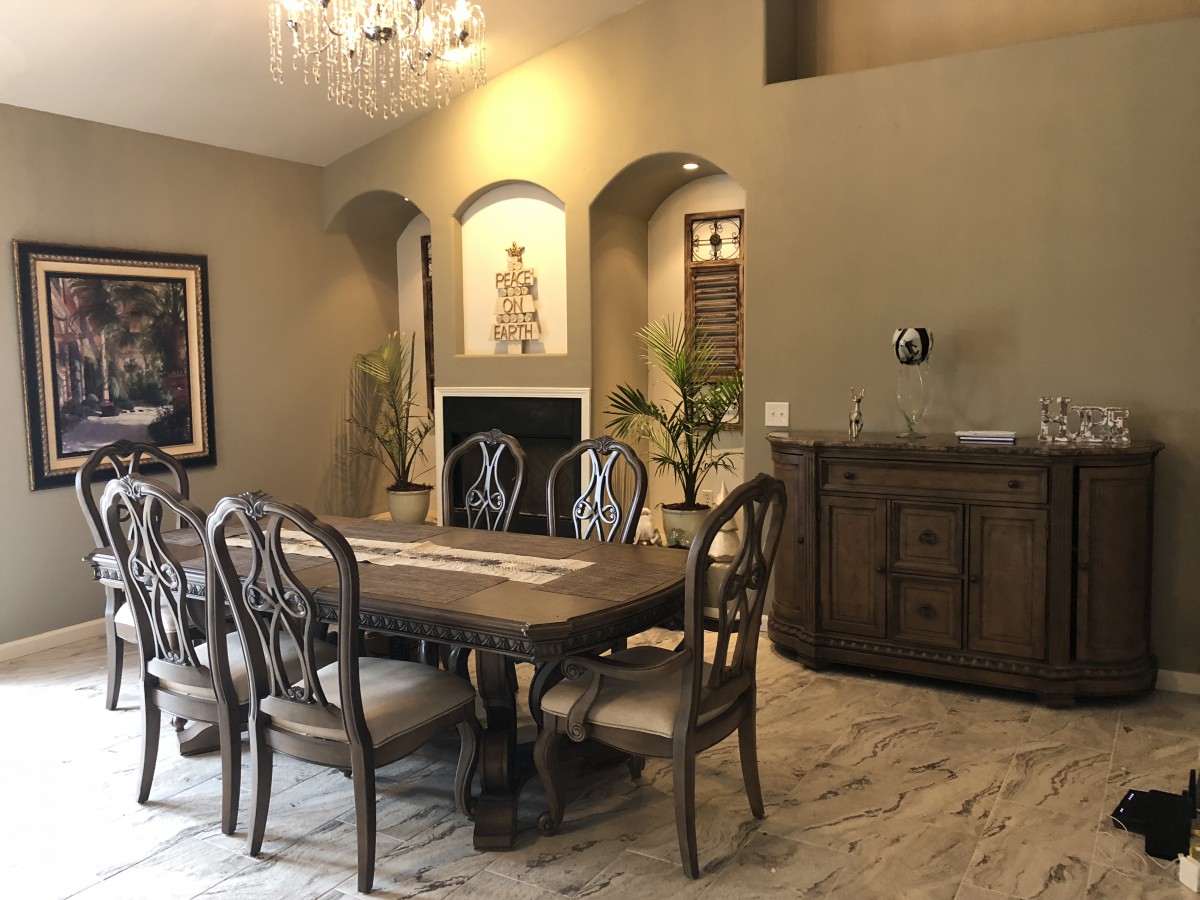
  • Dining room Dining roomDining rooms are important for seniors as they provide a space for socialization, connection, and nutritious meals. They offer opportunities for residents to bond over shared meals, foster a sense of community, and promote healthy eating habits. Dining rooms also ensure that seniors have access to well-balanced meals tailored to their dietary needs and preferences.
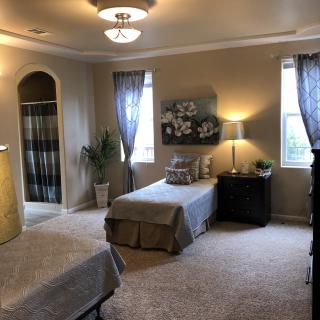
  • Fully furnished Fully furnishedFully furnished senior living communities are important for seniors because they provide convenience, comfort, and a hassle-free moving experience. Seniors can easily settle into their new living space without the stress of having to buy and move furniture. This allows them to focus on enjoying their new home and community.
  • Garden GardenGardens are important for seniors as they provide a peaceful and therapeutic environment for relaxation, physical activity, and socialization. Being in nature has been shown to reduce stress, improve mood, and promote overall well-being. Gardens also offer opportunities for seniors to engage in gardening activities, which can improve mobility, flexibility, and cognitive function. Additionally, gardens create a sense of community and connection with others who share a passion for plants and outdoor spaces.
  • Housekeeping services Housekeeping servicesHousekeeping services are important for seniors because they help maintain a clean and safe living environment, promote independence, and reduce the risk of accidents or illnesses. Additionally, having assistance with household chores can alleviate physical strain and allow seniors to focus on other aspects of their well-being.
  • Move-in coordination Move-in coordinationMove-in coordination is important for seniors because it helps ease the transition into their new living environment. It ensures that all logistics, such as packing, organizing movers, and setting up utilities are taken care of, allowing seniors to focus on settling in and adjusting to their new home. Having a smooth move-in process can alleviate stress and anxiety, making the transition smoother and more enjoyable for seniors.
  • Outdoor space Outdoor spaceOutdoor spaces are important for seniors as they provide opportunities for physical activity, social interaction, exposure to natural light and fresh air, and a sense of connection to nature. Having access to outdoor spaces can improve overall well-being and quality of life for older adults living in senior communities.
  • Telephone TelephoneTelephones are important for seniors as they provide a lifeline for communication with loved ones, emergency services, and healthcare providers. They offer a sense of security and independence, enabling seniors to stay connected and access assistance when needed.
  • Wi-Fi/high-speed internet available Wi-Fi/high-speed internet availableWi-Fi/high-speed internet is important for seniors to stay connected with loved ones, access online resources, and participate in virtual activities to combat feelings of loneliness and isolation. It also allows them to easily manage healthcare needs, access entertainment, and engage in lifelong learning opportunities.

Care Services

  • 24-hour supervision 24-hour supervision24-hour supervision is important for seniors to ensure their safety, well-being, and access to immediate assistance in case of emergencies or health issues. This constant support provides peace of mind for both seniors and their loved ones, allowing them to age in place with dignity and security.
  • Activities of daily living assistance Activities of daily living assistanceActivities of daily living assistance are important for seniors because they provide essential support with tasks such as eating, bathing, dressing, and mobility. This assistance helps seniors maintain their independence, dignity, and overall quality of life as they age.
  • Assistance with bathing Assistance with bathingAssistance with bathing is crucial for seniors as it helps maintain personal hygiene, prevents infections, and ensures their overall well-being and comfort. It also provides a sense of dignity and independence for seniors who may struggle with this task on their own.
  • Assistance with dressing Assistance with dressingAssistance with dressing is important for seniors because it helps maintain their independence, promotes personal hygiene, prevents accidents and injuries, and improves overall quality of life. This service ensures that seniors can continue to dress comfortably and confidently, despite any physical limitations they may have.
  • Assistance with transfers Assistance with transfersAssistance with transfers is crucial for seniors as it helps prevent falls and injuries, maintains their independence, and ensures they can safely navigate their living environment. It also provides peace of mind for both seniors and their loved ones.
  • Coordination with health care providers Coordination with health care providersCoordination with health care providers is crucial for seniors to ensure proper medical care, medication management, and overall well-being. This collaboration helps prevent overlapping treatments, track progress more effectively, and provide comprehensive support tailored to individual needs.
  • Dementia waiver Dementia waiverDementia waivers are essential for seniors as they provide critical protections and accommodations for those experiencing cognitive decline. These waivers ensure individuals with dementia receive appropriate care, support, and resources to maintain their quality of life and dignity as they navigate the challenges of this progressive condition.
  • Diabetes diet Diabetes dietA diabetes diet is crucial for seniors as it helps manage blood sugar levels, reduce risks of complications, and improve overall health and well-being. By following a balanced and nutritious diet tailored to their specific needs, seniors can better control their diabetes and enhance their quality of life.
  • Hospice waiver Hospice waiverHospice waivers are important for seniors because they allow individuals to receive specialized end-of-life care and support at home or in a hospice facility. This waiver ensures that seniors can access the necessary resources and services to maintain comfort and dignity during their final days.
  • Meal preparation and service Meal preparation and serviceMeal preparation and service are crucial for seniors as they may have limited mobility or energy to cook nutritious meals. Having access to healthy and convenient food options can ensure they are getting the proper nutrition needed to maintain their overall health and well-being.
  • Medication management Medication managementMedication management is crucial for seniors to ensure they are taking the right medications at the correct dosages and times. This helps prevent adverse drug interactions, reduces the risk of medication errors, and promotes overall health and well-being. Proactive management also allows for adjustments as needed based on changing health conditions or new prescriptions.
  • Mental wellness program Mental wellness programMental wellness programs are essential for seniors as they promote cognitive stimulation, emotional support, and social engagement. These programs help prevent isolation, depression, and cognitive decline, ultimately enhancing the overall quality of life for older adults.
  • Mild cognitive impairment Mild cognitive impairment"Mild cognitive impairment" is important for seniors because it is an early stage of cognitive decline that can potentially progress to more severe conditions such as dementia. Recognizing and addressing mild cognitive impairment can help seniors receive appropriate care and support to maintain their quality of life and independence for as long as possible.
  • Special dietary restrictions Special dietary restrictionsSpecial dietary restrictions are important for seniors because age-related changes in metabolism and health conditions can make it difficult for their bodies to process certain foods. By following a diet tailored to their specific needs, seniors can maintain their overall health and well-being, manage chronic conditions, and reduce the risk of complications such as malnutrition or food interactions with medications.
  • Specialized memory care programming Specialized memory care programmingSpecialized memory care programming is crucial for seniors with cognitive impairments such as dementia or Alzheimer's disease. These programs provide a safe and supportive environment tailored to the unique needs of individuals with memory loss, helping them maintain their independence, dignity, and quality of life.
  • Transportation arrangement (medical) Transportation arrangement (medical)Transportation arrangements for medical purposes are essential for seniors as they may have difficulty driving themselves to appointments or accessing public transportation. Having reliable and safe transportation options ensures that seniors can receive timely medical care and maintain their health and well-being.
  • Transportation to doctors appointments Transportation to doctors appointmentsTransportation to doctors' appointments is crucial for seniors as it ensures they have access to necessary medical care and support for their health needs. Without reliable transportation, seniors may struggle to attend important appointments, leading to potential delays in treatment and health complications. Providing transportation services helps seniors maintain their overall well-being and quality of life.

Dining

  • Diabetes diet Diabetes dietA diabetes diet is crucial for seniors as it helps manage blood sugar levels, reduce risks of complications, and improve overall health and well-being. By following a balanced and nutritious diet tailored to their specific needs, seniors can better control their diabetes and enhance their quality of life.
  • Special dietary restrictions Special dietary restrictionsSpecial dietary restrictions are important for seniors because age-related changes in metabolism and health conditions can make it difficult for their bodies to process certain foods. By following a diet tailored to their specific needs, seniors can maintain their overall health and well-being, manage chronic conditions, and reduce the risk of complications such as malnutrition or food interactions with medications.

Activities

  • Community-sponsored activities Community-sponsored activitiesCommunity-sponsored activities are important for seniors as they provide opportunities for social interaction, mental stimulation, and physical activity. These activities can help improve overall well-being, combat loneliness and isolation, and promote a sense of belonging and purpose among older adults.
  • Scheduled daily activities Scheduled daily activitiesScheduled daily activities are important for seniors because they provide structure, socialization, mental stimulation, and physical activity. Engaging in regular activities can improve overall well-being and quality of life for seniors living in a community setting.

Description

The King Of Hearts Eldercare is a premier assisted living community located in Cameron Park, CA. We provide top-notch care and support for seniors in a comfortable and homely environment.

Our community offers two types of care: board and care home, as well as memory care. Whether your loved one requires assistance with daily activities or specialized memory care programming, our dedicated staff is here to ensure their well-being.

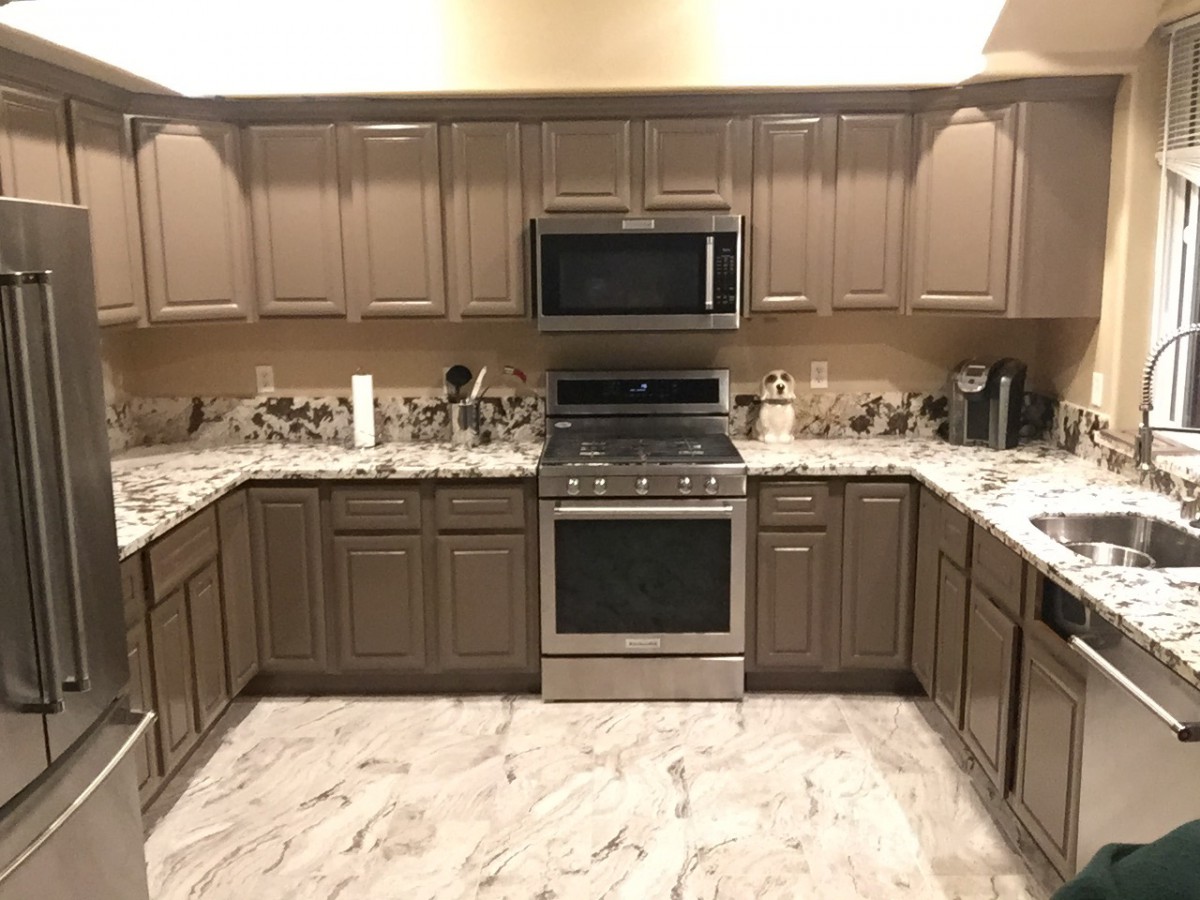
The amenities at King Of Hearts Eldercare are designed to enhance the comfort and convenience of our residents. Our dining room serves delicious meals that cater to special dietary restrictions. Each room comes fully furnished, providing a cozy and welcoming space for our residents. Our garden and outdoor spaces allow residents to enjoy fresh air and nature. Housekeeping services keep the community clean and tidy, allowing residents to focus on enjoying their time.

We also offer various care services to meet the individual needs of our residents. This includes assistance with bathing, dressing, and transfers, as well as medication management. We coordinate with health care providers to ensure comprehensive care for our residents. We have a mental wellness program in place to promote emotional well-being among our residents.

At King Of Hearts Eldercare, we understand the importance of maintaining an active lifestyle. We provide scheduled daily activities that cater to the interests and preferences of our residents. Additionally, we offer transportation arrangements for medical appointments and access to nearby pharmacies, restaurants, places of worship, theaters, and hospitals.

If you are seeking a compassionate assisted living community that prioritizes the well-being of its residents while providing a nurturing environment, look no further than King Of Hearts Eldercare in Cameron Park, CA.

Nearby Places of Interest

Restaurants

  • KFC (0.1 miles)
  • Denny's (0.3 miles)
  • Urban Yogurt (1.9 miles)
  • Milestone Restaurant (5.1 miles)
  • 36 Handles Public House (5.2 miles)
  • Chipotle Mexican Grill (5.2 miles)
  • Relish Burger Bar (5.3 miles)

Pharmacies

  • Walgreens (0.2 miles)
  • CVS Pharmacy (3.1 miles)
  • CVS Pharmacy (5.3 miles)
  • Walgreens (5.4 miles)
  • CVS Pharmacy (7.8 miles)
  • Save Mart Supermarkets (7.9 miles)
  • CVS Pharmacy (8 miles)

Physicians

  • El Dorado County Community Health Center (0.3 miles)
  • Mercy Medical Group - Cameron Park, Primary and Pediatric Care (0.4 miles)
  • James C Yee MD (0.4 miles)
  • Brian J. Goldsmith, M.D., FACR (0.4 miles)
  • Connie Burgeson, MD (0.4 miles)
  • Dr Catherine Moizeau (4.4 miles)
  • Zhila Haghbin, MD - Mindfulness-Based Psychiatry (5.4 miles)

Parks

  • Hacienda Park (0.4 miles)
  • Kalithea Park (6.4 miles)
  • Handy Family Park (7.8 miles)
  • Econome Family Park (8.3 miles)
  • Castle Park (8.4 miles)

Hospitals

  • Marshall Hematology and Oncology (0.4 miles)
  • Kaiser Permanente ASU (8.1 miles)
  • Gold Country Skilled Nursing (8.4 miles)
  • Kaiser Permanente (8.9 miles)
  • Mercy Hospital of Folsom (9.4 miles)

Transportation

  • Cameron Airpark (1.5 miles)
  • Budget Truck Rental (9.1 miles)

Places of Worship

  • Holy Trinity Parish (2.5 miles)
  • The Block At Lakeside Church (8.8 miles)
  • Lakeside Church (8.9 miles)

Theaters

  • Regal El Dorado Hills & Imax (4.9 miles)
  • Palladio 16 Cinemas (8.1 miles)

Cafes

  • Selland's Market Cafe (5 miles)
  • Starbucks (7 miles)
  • Starbucks (8 miles)
  • Temple Coffee Roasters (8.1 miles)
  • T4 Tea For U (8.3 miles)
  • Bean Barn (9.1 miles)

Frequently Asked Questions

Where is King Of Hearts Eldercare?
Does King Of Hearts Eldercare provide care for residents with dementia or Alzheimer's disease?
What photos are available for King Of Hearts Eldercare in Cameron Park, California?

Nearby Communities

Related Resources

  • list of drugs linked to dementiaA Thorough Discussion of Medications Potentially Linked to Dementia Risk

    Dementia, influenced by aging and certain medications, may be exacerbated by drug classes such as anticholinergics, benzodiazepines, and antipsychotics, which are associated with cognitive impairment. Regular medication reviews by healthcare professionals are crucial for older adults to manage risks and optimize cognitive health.

  • do dementia patients sleep a lotWhy Do Dementia Patients Sleep So Much? Understanding Oversleeping, Stages, and Care Approaches

    Dementia often results in disrupted sleep patterns, leading to excessive daytime sleeping due to factors like brain damage affecting circadian rhythms, medication side effects, and lack of structure in daily activities. Caregivers must monitor these changes closely, as oversleeping can increase risks such as malnutrition or dehydration, and provide necessary support and routines to enhance patient engagement and well-being.

  • when to move from assisted living to nursing home8 Key Indicators That Suggest It May Be Time to Transition from Assisted Living to Skilled Nursing Care


    The transition from assisted living to skilled nursing care is often prompted by complex medical needs that assisted living cannot meet, with key indicators including frequent health declines, increased falls, severe memory issues, and caregiver burnout. Families should recognize these signs early to discuss options with healthcare providers and prepare for the emotional and logistical aspects of moving to a facility that offers comprehensive medical support.