
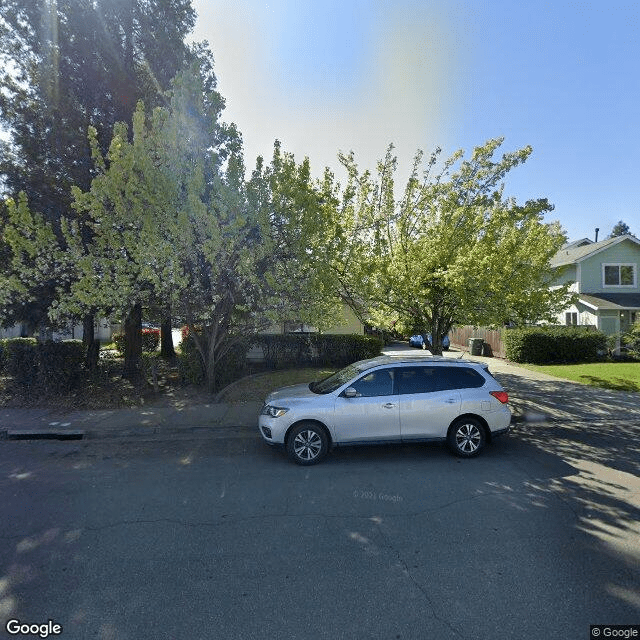
2300 Donahue Avenue, Santa Rosa, CA 95401
For more information about senior living options: (866) 208-4318
Victoria's Place Costs & Pricing
At Victoria's Place, the monthly cost for a private room is set at $3,600, making it a competitive option in comparison to both Sonoma County and the broader state of California. In Sonoma County, the average cost for similar accommodations stands at $4,225, while the state average is slightly higher at $3,939. This positions Victoria's Place as an attractive choice for those seeking quality care without straining their budget, offering significant savings compared to local and statewide rates while maintaining high standards of service.
| Floor plans | Victoria's Place | Sonoma County | California |
|---|---|---|---|
| Private | $3,600 | $4,225 | $3,939 |
Assisted Living communities with a similar price nearby
-
from +$395 / mo
The Watermark at Napa Valley
$3,995 to $6,795 / month24.7 miles away -
from +$695 / mo

Cogir of Sonoma
$4,295 to $5,495 / month18.1 miles away -
About the same
Silva Board And Care
$3,700 to $5,367 / month3.3 miles away -
from -$600 / mo

Linda Falls Guest Home 1
$3,000 to $4,500 / month18.9 miles away -
from +$210 / mo
Brookdale Chanate
$3,810 to $7,855 / month3.7 miles away
Overall Review of Victoria's Place
Pros
 Victoria Adult Family Home is warm and welcoming.
- The staff are kind, attentive, and provide excellent care.
- Maria and her caregivers adapt quickly to residents’ changing needs and keep them moving.
- The home is impeccably clean and well maintained.
- Maria makes wonderful food and celebrates residents’ birthdays.
- Maria keeps families informed and ensures residents feel safe and loved.
- Victoria's Place features warm, welcoming, and well-trained care staff.
- The owner of Victoria's Place runs clean, well-kept homes and is dedicated.
Cons
 The food is quite good, but there's limited choice—just one selection for each meal.
- There’s no memory care at either this home or the other two; most of the residents tend to be highly functioning.
Review
Victoria’s Place in Santa Rosa is best suited for families seeking a warm, tightly run adult family home that delivers highly personalized care in a small, home-like setting. It works especially well for seniors who want daily attention from a stable, well-trained care team, and for families navigating dementia care in its earlier to mid-stages who value transparent communication, cleanliness, and a genuine sense of belonging. The six-room, single-story home structure supports intimate routines, predictable daily life, and the visible involvement of the owner, Maria, in overseeing care and operations.
If memory-care complexity beyond early dementia is anticipated, or if a resident requires on-site nursing staffing around the clock, more formal medical oversight, or a broader slate of on-site activities and amenities, this setting may not be the best fit. Families that prioritize a larger campus feel, more social programming, or cost structures with clear caps may find alternatives in bigger assisted-living communities or dedicated memory-care facilities. The intimate scale and the lack of a formal memory-care program render Victoria’s Place less ideal for residents whose needs outstrip what a small home can consistently provide.
The strongest pros center on the human atmosphere and accountability. Caregivers are described as warm, attentive, and well-trained, with Maria personally guiding transitions and adapting care as needs evolve. Cleanliness and a home-like ambiance reinforce comfort and security, while the staff’s proactive communication with families helps maintain trust during difficult health shifts. The culinary routine, supported by flavorful meals that are prepared on-site, adds a practical daily pleasure and reduces the friction many families feel about mealtime shifts. These factors collectively offset concerns about the absence of a large activity calendar or formalized memory-programming by delivering dependable, compassionate, individualized attention in a setting that feels like home rather than a facility.
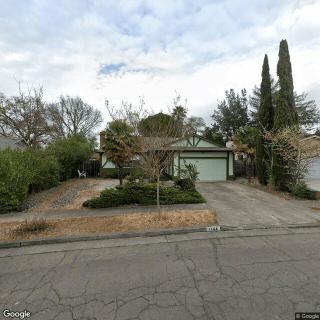
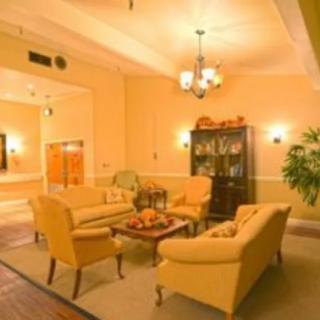
Environmentally, the home’s layout and neighborhoods matter. A new, large, one-story residence with substantial outdoor space, generous rooms, and the option to bring personal belongings, though furnishings can be supplied, creates a dignified, comfortable backdrop for aging in place. Security is described as solid, and the community’s location near scenic drives and wine-country views offers enriching contexts for daily walks and excursions. For families prioritizing proximity, tranquility, and a familiar neighborhood feel over institutional grandeur, these elements carry significant practical weight.
Dementia-specific care unfolds with a quiet confidence here. Personal stories from families illustrate transitions managed with sensitivity, ongoing updates, and a consistent sense of safety for loved ones as cognitive needs shift. Even as dementia progresses, the caregivers’ emphasis on keeping residents engaged, outings, walks, crafts, and daily exercise, helps sustain quality of life and dignity. The absence of a formal memory-care designation is not dismissed, but the documented continuity of care and the ability to maintain meaningful activity within a small team can be a decisive advantage for families wary of impersonal, large-scale care.
Ultimately, the decision hinges on a precise care profile and budget reality. Victoria’s Place is a compelling option for families wanting a home-centered, person-first environment where staff know residents by name, family members are kept well-informed, and care can be tailored day by day. It excels for those who need steady, compassionate support with dementia in its early to middle stages, and who place a premium on cleanliness, safety, and a kitchen that delivers comforting, high-quality meals. For families requiring robust memory care, predictable pricing with caps, or a wider array of on-site services, alternatives should be explored.
When evaluating Victoria’s Place, focus on practical tests: staffing ratios during peak hours, emergency response protocols, and who provides medical oversight when the on-site team is off duty. Clarify how meals are planned long-term, and how residents’ tastes and dietary restrictions are incorporated. Probe how activities are scheduled beyond walks and outings, and whether the home can scale to more intensive care if needs intensify. If these assurances align with the resident’s trajectory and the family’s expectations, Victoria’s Place stands out as a thoughtful, experienced choice that respects autonomy, dignity, and the rhythms of a well-loved home.
 6 resident community capacity
 Assisted Living
 Board and Care Home
 Activities off-site
 Beautician on-site
 Cable or satellite TV
 Devotional services off-site
 Dining room
 Fully furnished
 Garden
 Housekeeping services
 Indoor common areas
 Move-in coordination
 Outdoor common areas
 Private
 Private bathrooms
 Telephone
 Wheelchair accessible showers
 Wi-Fi/high-speed internet available
 24-hour supervision
 Assistance with bathing
 Assistance with dressing
 Assistance with transfers
 Diabetes diet
 Diabetic care
 High acuity care
 Hospice care
 Meal preparation and service
 Medication management
 Special dietary restrictions
 Transportation arrangement (medical)
 Transportation to doctors appointments


 Exploring the Contrasts Between Assisted Living and Skilled Nursing
 8 Key Indicators That Suggest It May Be Time to Transition from Assisted Living to Skilled Nursing Care
 Vibrant Senior Living: A Comprehensive Guide for Active Older Adults