
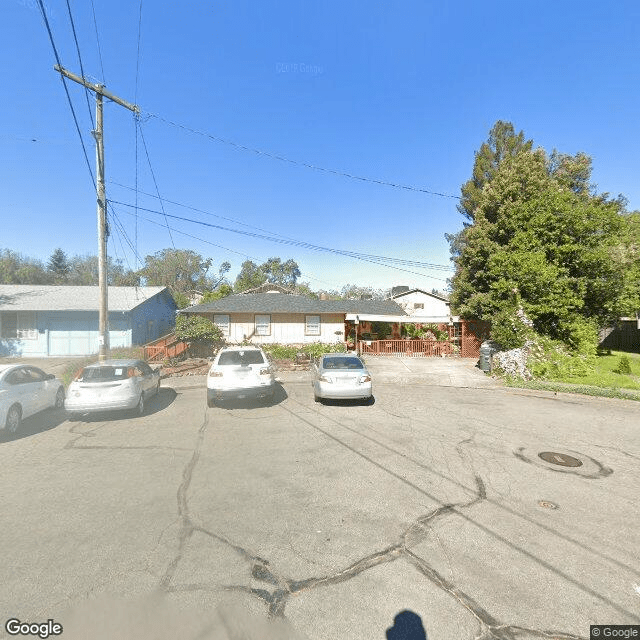
311 Mosswood Lane, Santa Rosa, CA 95401
For more information about senior living options: (866) 208-4318
Eva's Gardens Costs & Pricing
At Eva's Gardens, the monthly cost for a private room is competitively priced at $3,200. This rate is notably lower than the average cost in Sonoma County, which stands at $4,225, as well as the broader state average of $3,939. By offering a more affordable option without compromising on quality and care, Eva's Gardens positions itself as an attractive choice for individuals seeking comfortable living arrangements that align with their financial resources while still providing a warm and supportive environment.
| Floor plans | Eva's Gardens | Sonoma County | California |
|---|---|---|---|
| Private | $3,200 | $4,225 | $3,939 |
Assisted Living communities with a similar price nearby
-
from +$400 / mo
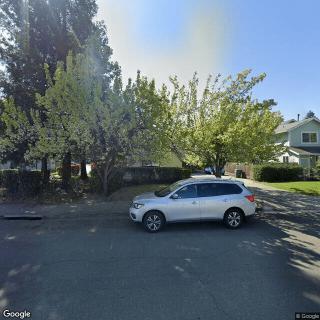
Victoria's Place
$3,600 / month1.0 miles away -
from +$500 / mo
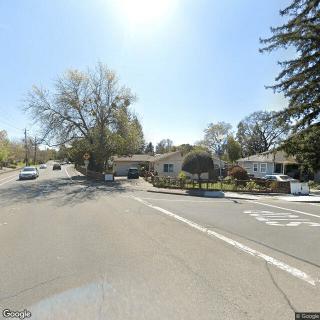
Silva Board And Care
$3,700 to $5,367 / month2.4 miles away -
from -$200 / mo

Linda Falls Guest Home 1
$3,000 to $4,500 / month17.9 miles away -
from +$610 / mo
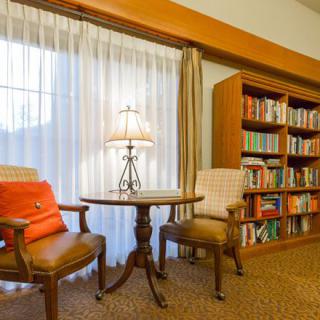
Brookdale Chanate
$3,810 to $7,855 / month2.8 miles away -
from +$495 / mo
Ivy Park at Santa Rosa
$3,695 to $6,895 / month3.6 miles away
Overall Review of Eva's Gardens
Pros
 Alma and her team provide compassionate, respectful care for residents and their families.
- Angels Place in Mosswood offers 24/7 dementia care with private rooms and a comfortable living environment.
- Alma is a licensed, professional caregiver who manages medications and assists with daily living.
- The facility provides meals, laundry, transportation to medical visits, and hospice support as needed.
- Residents are treated with dignity and warmth, and cared for as family.
- The home is warm and welcoming, with opportunities for community activities and pleasant outdoor space.
- Families express gratitude and frequently recommend Angels Place for end-of-life and daily care.
Cons
 The home is described as very small.
- The room is very small and did not have a private bath or half bath.
Review
This community is best suited for seniors who need around-the-clock, compassionate support in a small, home-like setting. The evidence converges on residents who require consistent daily assistance, strong supervision, and personal attention, especially folks living with dementia or facing end-of-life care. Families report a warm, family-style atmosphere guided by Alma and her team, where residents are treated with dignity, meals are prepared daily, and everyday routines are managed with close oversight. The setting favors intimate interaction, private rooms where available, and a yard and common areas that encourage gentle activity and social connection.
Those who may want to consider alternatives are those who prioritize a larger campus feel, more expansive social programming, or private bathrooms in every room. The reviews emphasize a very small home with rooms that can feel cramped, and some guests note the lack of private baths in certain accommodations. For families seeking a more institutional or spacious environment, or for residents who require a broader array of on-site services and highly structured activity calendars, a bigger assisted-living or dedicated memory-care community may be a better fit.
The strongest pros here center on hands-on, person-centered care. The team’s 24/7 availability, meticulous management of medications, and close monitoring of daily living activities translate into a high standard of safety and dignity for residents. Family members repeatedly highlight the ability to address hospice needs, transportation to medical appointments, and the sense that care is delivered with genuine warmth and respect. The care model also shines in practical ways: meals are consistently described as good and nutritious, the home is clean, and staff communicate clearly with families, offering reassurance during difficult times. These strengths help temper the drawbacks of an intimate, small-scale setting.
On balance, the most meaningful trade-off lies in the physical footprint. The “very small room” concern and the absence of private baths in some units are tangible limits for residents who value generous private space or en-suite facilities. Yet the same intimate footprint enables the devoted team to provide vigilant supervision, quick response to needs, and a familiar, comfortable daily rhythm. For families facing dementia progression or end-of-life transitions, the ability to rely on a steady, knowledgeable caregiver who knows the resident’s preferences, and who can coordinate hospice and external medical support, often outweighs the desire for a roomier layout or hotel-style amenities.
Ratings reflect a mixed but strongly positive sentiment: a 3.8 average from 12 reviews, with most praise concentrated on Alma’s caregiving, the home atmosphere, and the quality of daily life. The positive experiences emphasize trust, reliability, and the sense that residents are treated as family. The negative notes call out scale and privacy constraints, reminding families that this is a small, intimate operation rather than a large, resort-like facility. The practical implication is clear: consider Eva’s Gardens if the priority is a warm, dedicated caregiver team who will shepherd medical care and hospice with sensitivity; consider alternatives if private space and campus breadth are non-negotiable.
In sum, Eva’s Gardens is a compelling option for families seeking intimate, compassionate, around-the-clock care for dementia and end-of-life needs, delivered with professional oversight and a home-like environment. It excels where a personal touch, steady caregiving, and coordinated medical support matter most, and where the residents benefit from being treated like family. Those with different priorities, larger living spaces, en-suite bathrooms for every room, or a more expansive activity program, will want to compare other options with larger footprints and more uniform private accommodations. A targeted tour should verify room sizes, bathroom availability, and the facility’s ability to meet specific medical and hospice requirements, ensuring the choice aligns with both care needs and privacy expectations.
 6 resident community capacity
 Assisted Living
 Board and Care Home
 Cats allowed
 Dogs allowed
 Activities off-site
 Beautician on-site
 Cable or satellite TV
 Devotional services off-site
 Dining room
 Fully furnished
 Garden
 Housekeeping services
 Indoor common areas
 Move-in coordination
 Outdoor common areas
 Private
 Private bathrooms
 Telephone
 Wheelchair accessible showers
 Wi-Fi/high-speed internet available
 24-hour supervision
 Ambulatory care
 Assistance with bathing
 Assistance with dressing
 Assistance with transfers
 Diabetes diet
 Diabetic care
 High acuity care
 Meal preparation and service
 Medication management
 Special dietary restrictions
 Transportation arrangement (medical)
 Transportation to doctors appointments

 Social Security Benefits and Assisted Living: Navigating Options Across the U.S.
 An Extensive Exploration of the VA Aid and Attendance Benefit
 Senior Transition Services: Understanding Their Role, Cost, and Importance