Wild Rose Living in Santa Rosa, CA

1172 Wild Rose Drive, Santa Rosa, CA 95401

For more information about senior living options: (844) 490-3973

1 from 1 review
Assisted Living Board and Care Home

What level of care are you interested in?

Assisted Living

Memory Care

Independent Living

Skilled Nursing Facility

Continuing Care Retirement Community (CCRC)CCRC

Other


Request a tour at Wild Rose Living

    Overall Review of Wild Rose Living

    Pros

    • pro Their mom is in a good facility, walking, clean, and having decent meals.
    • pro The family is happy that their mom is in a good facility.
    • pro Their mom is walking.

    Cons

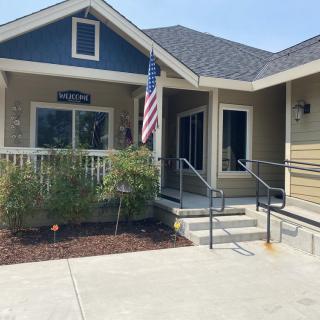
    • pro They were unhappy with Wild Rose's poor landscaping and maintenance.
    • pro They observed their Mom had so little exercise that she nearly couldn't walk, even with a walker.
    • pro Their first major problem was that Mom left the facility with a walker without anyone noticing.
    • pro The alarm system seemed broken or not set up to detect exits.
    • pro A neighbor found Mom walking in the dark and called the police.
    • pro By the time police and relatives returned, staff did not know she had left.
    • pro From that time until removal, Mom was largely left in bed with no exercise.
    • pro A visit revealed severe bruising on both arms.
    • pro Hospital tests found dried feces from the back of her knees to the middle of her back; Elderly Protective Services and police were notified and an investigation is ongoing.
    • pro They were billed for time not yet paid due to a lack of 30-day notice before leaving.
    • pro They would not recommend Wild Rose and feel they should not be allowed to handle elderly care.
    • pro The overall experience is heart-breaking.

    Review

    Wild Rose Living in Santa Rosa is not a good fit for seniors who require reliable supervision, mobility support, or robust safety protocols. If any narrow fit exists, it would be for a resident with minimal care needs and a family able to advocate vigorously from outside the facility; otherwise the level of risk and oversight gaps documented by the account are simply incompatible with responsible elder care. The facility's ambiance and exterior are not enough to offset the embedded safety concerns, and families should approach this community with caution and clear expectations about accountability.

    Those weighing alternatives should prioritize facilities with proven safety records, validated alarm and monitoring systems, secure perimeters, and transparent incident reporting. Specifically, seniors who need help staying oriented, who rely on assistive devices for walking, or who have a tendency to wander must see a community that can prevent elopement, track departures in real time, and respond immediately. Any option that cannot demonstrate consistent, documented safeguards and a culture of timely communication ought to be dismissed in favor of communities with traceable histories of resident safety and proactive care.

    From the available account, the most jarring failures are safety and supervision gaps that cascade into broader neglect concerns. The alarm system appeared broken or inadequately configured, allowing a resident to leave the building with a walker while staff were unaware of the departure. A neighbor locating the resident wandering in the dark underscores a breakdown in perimeter security and staffing vigilance. The lack of timely intervention, followed by a period in which the resident received little exercise, signals a discouraging pattern: mobility support neglected, physical activity de-emphasized, and daily routines left insufficient to maintain health.

    Compounding these safety lapses are serious care-quality red flags. Bruising on both arms raised during a visit points to potential mishandling, while a hospital assessment revealing dried feces on a resident's body indicates a neglect of basic hygiene and personal care. The involvement of Elder Protective Services and the police, with a formal investigation underway, marks a troubling indictment of the facility's governance and accountability. A billing dispute over a 30-day notice adds a further note of adversarial administration, suggesting that unresolved policy and communication gaps exist even in administrative matters.

    The few superficial positives that might be inferred - such as initial landscaping or a clean room environment - do not bear the weight needed to offset the critical deficiencies in safety, oversight, and care quality. In elder care, the absence of consistent supervision and a culture of accountability cannot be outweighed by appearance or momentary comforts. The overall impression is one of a facility that is not prepared to manage the complex, real-world needs of residents who require ongoing protection, timely help, and dignified care.

    For families navigating options, the prudent course is decisive and cautious due diligence. Demand a comprehensive safety-and-compliance audit, review all incident logs, and verify the integrity of alarm systems, doors, and response protocols. Inquire about staffing ratios, turnover, training programs, and how staff are supervised for incident prevention and escalation. Request state licensing and inspection records, and consider speaking with current residents' families about consistency of care and responsiveness. If these safeguards cannot be demonstrated clearly and convincingly, move on to communities with a verifiable track record of safety, accountability, and respectful, attentive care.

    Bottom line: this community should not be your first choice for a senior requiring dependable protection and proactive care. Families should pursue alternatives with demonstrable safety records, reliable monitoring, transparent incident handling, and staff practices that prioritize residents' dignity and well-being. The decision should center on a facility that can guarantee not only comfort and privacy but - and more critically - constant, trustworthy supervision and rapid, well-documented interventions when concerns arise.

    Features

    Housing

    • 6 resident community capacity 6 resident community capacity

    Types of Care

    • Assisted Living Assisted LivingAssisted living facilities provide crucial support and care for seniors who may need help with daily tasks such as medication management, bathing, and meal preparation. These communities offer a safe and comfortable environment where seniors can maintain their independence while receiving the assistance they need to thrive in their golden years.
    • Board and Care Home Board and Care HomeBoard and care homes provide a smaller, more intimate setting for seniors who require assistance with daily tasks but do not need the level of care offered by a nursing home. They offer personalized care, meals, and social activities in a homelike environment, ensuring that seniors receive individualized attention and support in their golden years.

    Amenities

    • Cable or satellite TV Cable or satellite TVCable or satellite TV is important for seniors because it provides entertainment, news, and companionship, helping to combat loneliness and boredom. It also offers a wide range of programming options tailored to different interests and preferences.
    • Dining room Dining roomDining rooms are important for seniors as they provide a space for socialization, connection, and nutritious meals. They offer opportunities for residents to bond over shared meals, foster a sense of community, and promote healthy eating habits. Dining rooms also ensure that seniors have access to well-balanced meals tailored to their dietary needs and preferences.
    • Fully furnished Fully furnishedFully furnished senior living communities are important for seniors because they provide convenience, comfort, and a hassle-free moving experience. Seniors can easily settle into their new living space without the stress of having to buy and move furniture. This allows them to focus on enjoying their new home and community.
    • Garden GardenGardens are important for seniors as they provide a peaceful and therapeutic environment for relaxation, physical activity, and socialization. Being in nature has been shown to reduce stress, improve mood, and promote overall well-being. Gardens also offer opportunities for seniors to engage in gardening activities, which can improve mobility, flexibility, and cognitive function. Additionally, gardens create a sense of community and connection with others who share a passion for plants and outdoor spaces.
    • Housekeeping services Housekeeping servicesHousekeeping services are important for seniors because they help maintain a clean and safe living environment, promote independence, and reduce the risk of accidents or illnesses. Additionally, having assistance with household chores can alleviate physical strain and allow seniors to focus on other aspects of their well-being.
    • Move-in coordination Move-in coordinationMove-in coordination is important for seniors because it helps ease the transition into their new living environment. It ensures that all logistics, such as packing, organizing movers, and setting up utilities are taken care of, allowing seniors to focus on settling in and adjusting to their new home. Having a smooth move-in process can alleviate stress and anxiety, making the transition smoother and more enjoyable for seniors.
    • Outdoor space Outdoor spaceOutdoor spaces are important for seniors as they provide opportunities for physical activity, social interaction, exposure to natural light and fresh air, and a sense of connection to nature. Having access to outdoor spaces can improve overall well-being and quality of life for older adults living in senior communities.
    • Telephone TelephoneTelephones are important for seniors as they provide a lifeline for communication with loved ones, emergency services, and healthcare providers. They offer a sense of security and independence, enabling seniors to stay connected and access assistance when needed.
    • Wi-Fi/high-speed internet available Wi-Fi/high-speed internet availableWi-Fi/high-speed internet is important for seniors to stay connected with loved ones, access online resources, and participate in virtual activities to combat feelings of loneliness and isolation. It also allows them to easily manage healthcare needs, access entertainment, and engage in lifelong learning opportunities.

    Care Services

    • 24-hour supervision 24-hour supervision24-hour supervision is important for seniors to ensure their safety, well-being, and access to immediate assistance in case of emergencies or health issues. This constant support provides peace of mind for both seniors and their loved ones, allowing them to age in place with dignity and security.
    • Activities of daily living assistance Activities of daily living assistanceActivities of daily living assistance are important for seniors because they provide essential support with tasks such as eating, bathing, dressing, and mobility. This assistance helps seniors maintain their independence, dignity, and overall quality of life as they age.
    • Assistance with bathing Assistance with bathingAssistance with bathing is crucial for seniors as it helps maintain personal hygiene, prevents infections, and ensures their overall well-being and comfort. It also provides a sense of dignity and independence for seniors who may struggle with this task on their own.
    • Assistance with dressing Assistance with dressingAssistance with dressing is important for seniors because it helps maintain their independence, promotes personal hygiene, prevents accidents and injuries, and improves overall quality of life. This service ensures that seniors can continue to dress comfortably and confidently, despite any physical limitations they may have.
    • Assistance with transfers Assistance with transfersAssistance with transfers is crucial for seniors as it helps prevent falls and injuries, maintains their independence, and ensures they can safely navigate their living environment. It also provides peace of mind for both seniors and their loved ones.
    • Coordination with health care providers Coordination with health care providersCoordination with health care providers is crucial for seniors to ensure proper medical care, medication management, and overall well-being. This collaboration helps prevent overlapping treatments, track progress more effectively, and provide comprehensive support tailored to individual needs.
    • Diabetes diet Diabetes dietA diabetes diet is crucial for seniors as it helps manage blood sugar levels, reduce risks of complications, and improve overall health and well-being. By following a balanced and nutritious diet tailored to their specific needs, seniors can better control their diabetes and enhance their quality of life.
    • Meal preparation and service Meal preparation and serviceMeal preparation and service are crucial for seniors as they may have limited mobility or energy to cook nutritious meals. Having access to healthy and convenient food options can ensure they are getting the proper nutrition needed to maintain their overall health and well-being.
    • Medication management Medication managementMedication management is crucial for seniors to ensure they are taking the right medications at the correct dosages and times. This helps prevent adverse drug interactions, reduces the risk of medication errors, and promotes overall health and well-being. Proactive management also allows for adjustments as needed based on changing health conditions or new prescriptions.
    • Special dietary restrictions Special dietary restrictionsSpecial dietary restrictions are important for seniors because age-related changes in metabolism and health conditions can make it difficult for their bodies to process certain foods. By following a diet tailored to their specific needs, seniors can maintain their overall health and well-being, manage chronic conditions, and reduce the risk of complications such as malnutrition or food interactions with medications.
    • Transportation arrangement (medical) Transportation arrangement (medical)Transportation arrangements for medical purposes are essential for seniors as they may have difficulty driving themselves to appointments or accessing public transportation. Having reliable and safe transportation options ensures that seniors can receive timely medical care and maintain their health and well-being.
    • Transportation to doctors appointments Transportation to doctors appointmentsTransportation to doctors' appointments is crucial for seniors as it ensures they have access to necessary medical care and support for their health needs. Without reliable transportation, seniors may struggle to attend important appointments, leading to potential delays in treatment and health complications. Providing transportation services helps seniors maintain their overall well-being and quality of life.
    Dining

    • Diabetes diet Diabetes dietA diabetes diet is crucial for seniors as it helps manage blood sugar levels, reduce risks of complications, and improve overall health and well-being. By following a balanced and nutritious diet tailored to their specific needs, seniors can better control their diabetes and enhance their quality of life.
    • Special dietary restrictions Special dietary restrictionsSpecial dietary restrictions are important for seniors because age-related changes in metabolism and health conditions can make it difficult for their bodies to process certain foods. By following a diet tailored to their specific needs, seniors can maintain their overall health and well-being, manage chronic conditions, and reduce the risk of complications such as malnutrition or food interactions with medications.

    Activities

    • Community-sponsored activities Community-sponsored activitiesCommunity-sponsored activities are important for seniors as they provide opportunities for social interaction, mental stimulation, and physical activity. These activities can help improve overall well-being, combat loneliness and isolation, and promote a sense of belonging and purpose among older adults.
    • Scheduled daily activities Scheduled daily activitiesScheduled daily activities are important for seniors because they provide structure, socialization, mental stimulation, and physical activity. Engaging in regular activities can improve overall well-being and quality of life for seniors living in a community setting.

    Description

    Wild Rose Living is a board and care home located in Santa Rosa, CA. Our community provides a comfortable and nurturing environment for seniors who require assistance with their daily living activities.

    Residents of Wild Rose Living enjoy the convenience of having a dining room where delicious meals are prepared and served to accommodate special dietary restrictions. Our fully furnished accommodations offer a cozy and homely atmosphere for our residents to feel at ease.

    Our community boasts beautiful outdoor spaces and gardens, providing a serene setting for residents to relax and enjoy nature. Housekeeping services are provided to ensure that our residents have a clean and tidy living environment at all times.

    At Wild Rose Living, we understand the importance of maintaining connections with medical professionals. That's why we offer coordination with health care providers, transportation arrangements to medical appointments, as well as medication management services to ensure our residents receive the care they need.

    Engaging in daily activities is an integral part of life at Wild Rose Living. Our community offers scheduled daily activities designed to enhance social interaction and promote overall well-being.

    Within close proximity to Wild Rose Living are numerous amenities and services that cater to our residents' needs. There are six cafes nearby where residents can enjoy a leisurely cup of coffee or meet friends for lunch. Two parks provide opportunities for outdoor recreation and relaxation. In addition, there are 10 pharmacies, 55 physicians, 20 restaurants, two transportation options, one theater, and four hospitals conveniently located near our community.

    At Wild Rose Living, we strive to provide exceptional care while promoting independence, dignity, and quality of life for our residents.

    Nearby Places of Interest

    Physicians

    • Sonoma County Indian Health (0.2 miles)
    • Jennifer Williams, MD (0.4 miles)
    • North Bay Sleep Medicine Institute (0.4 miles)
    • Jeremy C. Mesches, MD (0.4 miles)
    • David Begert, MD (0.4 miles)
    • Tabitha Doniach, MD (0.4 miles)
    • John Dr - John Y Hau Hau MD (0.4 miles)

    Pharmacies

    • Peace In Medicine (0.6 miles)
    • CVS Pharmacy (0.7 miles)
    • Walgreens (1.6 miles)
    • Rayles Pharmacy (1.7 miles)
    • Creekside Managed Care Pharmacy (1.9 miles)
    • Herbal Pharmacy (2 miles)
    • The Medicine Shoppe Pharmacy (2 miles)

    Restaurants

    • Super Chavez Market (0.9 miles)
    • La Texanita Restaurant (1.1 miles)
    • BJ's Restaurant & Brewhouse (1.2 miles)
    • Grossman's Noshery & Bar (1.2 miles)
    • Omelette Express (1.3 miles)
    • Jack In The Box (1.3 miles)
    • Railroad Stop Bar & Kitchen (1.4 miles)

    Hospitals

    • Kaiser Foundation Hospital (0.9 miles)
    • Kaiser Foundation Health Plan (2.1 miles)
    • St Joseph Health System (2.3 miles)
    • MarinHealth ENT, Head & Neck Surgery | A UCSF Health Clinic (2.3 miles)

    Parks

    • A Place To Play (1 miles)
    • Old Courthouse Square (1.5 miles)

    Cafes

    • Taylor Lane Organic Coffee (1.1 miles)
    • Aroma Roasters Coffee & Tea (1.2 miles)
    • Dierk's Parkside Café (1.8 miles)
    • Cafe Des Croissants (2 miles)
    • Starbucks (2.5 miles)
    • Acre Coffee (3 miles)

    Transportation

    • Santa Rosa - SMART Station (1.2 miles)
    • Santa Rosa Transit Mall (1.6 miles)

    Theaters

    • Roxy Stadium 14 (1.6 miles)

    Frequently Asked Questions

    Where is Wild Rose Living?

    Nearby Communities

    • Clover Senior Care

      Clover Senior Care

      Santa Rosa, CA


      pro 24/7 supervision with ADL assistance, tailored meals (including diabetes/special diets), fully furnished apartments, housekeeping, and strong access to nearby healthcare.

    • Five Palms Care Home

      Five Palms Care Home

      Santa Rosa, CA

      4 from 8 reviews
      $3,500 to $5,000 / month

      pro Well-maintained and clean facility with friendly, attentive staff and a home-like atmosphere.

    • Sarah's Senior Residential Care

      Sarah's Senior Residential Care

      Santa Rosa, CA

      3 from 2 reviews
       

      pro Small, intimate board-and-care with personalized attention and comprehensive on-site services.

    • Livingston House

      Livingston House

      Santa Rosa, CA

       
      $3,600 to $4,800 / month

      pro Personalized care with medication management.

    • Maggie's Care Home

      Maggie's Care Home

      Santa Rosa, CA


      pro Comprehensive, personalized care (24-hour supervision, ADL assistance, medication management, diabetes-friendly meals) with move-in coordination and engaging daily activities.

    • Le Elen ManorIv

      Le Elen ManorIv

      Santa Rosa, CA


      pro Comprehensive ADL support, meals, housekeeping, and healthcare coordination in a fully furnished, intimate setting.

    • Creekside Rehabilitation & Behavioral Health

      Creekside Rehabilitation & Behavioral Health

      Santa Rosa, CA

      3 from 22 reviews
       

      pro On-site registered nurse with professional, attentive staff and engaging activities.

    • Brookdale Chanate

      Brookdale Chanate

      Santa Rosa, CA

      4.4 from 72 reviews
      $3,810 to $7,855 / month

      pro Friendly staff and a clean, pleasant setting with on-site activities.

    • Pacifica Senior Living Santa Rosa

      Pacifica Senior Living Santa Rosa

      Santa Rosa, CA

      4.3 from 6 reviews
      $3,525 to $6,050 / month

      pro Welcoming layout with beautiful spaces and a caring staff; strong word-of-mouth for its potential.

    Related Resources

    • assisted living for disabled adultsComprehensive Supportive Living Arrangements for Adults with Disabilities

      Assisted living for adults with disabilities has transformed to provide personalized care and support services aimed at improving residents' quality of life while balancing independence and assistance. However, low-income individuals often face challenges in affording these services, requiring navigation of various financial resources and advocacy for better policies and solutions.

    • how to pay for assisted livingFunding and Affording Assisted Living: A Thorough Overview

      Assisted living facilities provide support for older adults needing help with daily activities without extensive medical care, but their costs can be high and vary by location and services offered. Families often seek various funding options and financial strategies to manage these expenses effectively while considering future needs and potential price increases.

    • assisted living insuranceAssisted Living Expenses and Long-Term Care Insurance: A Comprehensive Exploration

      The article discusses assisted living expenses, the importance of long-term care insurance in covering these costs, and various financing options, highlighting the need for careful policy review and early planning to address potential needs. It also clarifies common misconceptions about Medicare and private health insurance limitations regarding long-term care coverage.


    Get Pricing Ask A Question Schedule A Tour Contact Senior Advisor