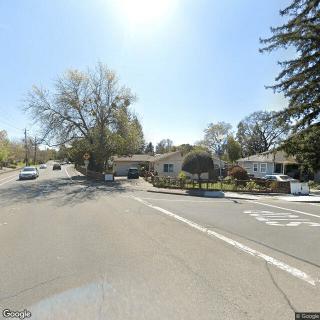
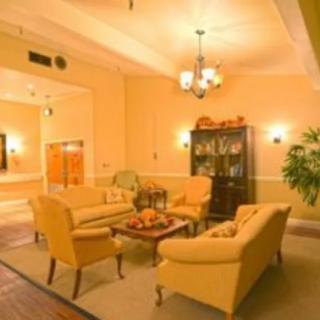
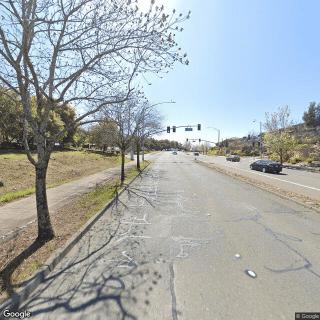
Redwood Community For Christian Scientists in Santa Rosa, CA

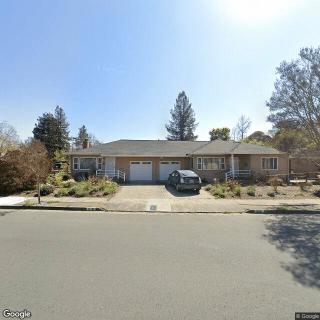
916 Silva Avenue, Santa Rosa, CA 95404

For more information about senior living options: (844) 490-3973

4.4 from 5 reviews
5 stars
4
4 stars
0
3 stars
0
2 stars
1
1 stars
0

Assisted Living Board and Care Home

What level of care are you interested in?

Assisted Living

Memory Care

Independent Living

Skilled Nursing Facility

Continuing Care Retirement Community (CCRC)CCRC

Other


Request a tour at Redwood Community For Christian Scientists

    Overall Review of Redwood Community For Christian Scientists

    Pros

    • pro They are fantastic folks who are very helpful to caregivers.
    • pro It is a valuable resource for the community.
    • pro Rwdwood Caregivers are appreciated for the support they provide to families caring for relatives with dementia.
    • pro The organization has been serving the community for 30+ years, offering support, help, and assistance.
    • pro Each staff member has a personal story and family connection in addition to their professional qualifications.

    Cons

    • pro They were disappointed that their six weeks of messages to RCRC went unanswered.
    • pro They noted that their previous case manager no longer works at RCRC and they had not been reassigned.
    • pro They were disappointed not to receive a call back or ongoing support.

    Review

    Redwood Community For Christian Scientists in Santa Rosa is best suited for dementia caregivers who need practical, ongoing support from a seasoned nonprofit with deep community ties. With three decades of service, the staff combine professional know-how with personal experience in caring for relatives with dementia, delivering compassionate, hands-on guidance. The focus is on caregiver relief: education, day-to-day strategies, and connection to peers facing similar challenges. For families balancing medical appointments, routines, and emotional strain, this center offers a stable anchor and a clear path to manage caregiving more effectively.

    Alternatives to consider: caregivers who require relentless responsiveness and a fixed, easily reachable case manager should be aware of recent turnover and occasional missed callbacks. If a live-in arrangement or continuous, 24/7 supervision is needed, this nonprofit resource hub will not replace a housing option. It functions best as a support and guidance network rather than a housing or full-time care provider. Those who prize immediate, constant contact may want to explore organizations known for guaranteed response times or structured, continuous case management.

    Pros largely center on people and history. The reviews describe "fantastic folks" who are genuinely helpful to caregivers and a long-standing, credible resource for dementia care. Staff with personal stories and family connections add trust and empathy, while the 30+ years of service signal stability and a deep knowledge base. These strengths help offset the main drawback - communication gaps and case-manager turnover - because the breadth of resources and the proven track record remain accessible through the organization's network. Still, a plan for continuity is essential to avoid gaps during transitions.

    What families should verify before committing: ask how case management is structured day-to-day, who the primary contact is, and what the backup plan looks like during transitions. Clarify what dementia-specific resources and training are available, whether respite guidance and peer support exist, and how quickly responses occur. Inquire about the staff mix - multiple team members with lived and professional credentials who can fill in when needed. Finally, confirm any fees or membership requirements and which services are included at no cost to avoid surprises during emergencies.

    Practical implications: for families prioritizing sustained emotional and practical support, the Redwood model delivers credible, empathetic guidance and a broad community network. The personal connections behind the staff foster trust and a willingness to invest time in caregiver education and problem-solving. The caveat remains the potential for less-than-ideal responsiveness; with a proactive plan and defined contacts, however, the organization's strengths are substantial and reliable.

    Bottom-line recommendation: Redwood Community For Christian Scientists is the right choice for dementia caregivers seeking a trusted, community-rooted partner with practical tools and empathetic staff. It excels at education, coordination, and emotional support, which can dramatically reduce caregiver strain. If constant, immediate case-management contact or a housing option with 24/7 supervision is non-negotiable, explore alternatives or insist on a formal continuity plan. Prospective families should arrange a direct conversation to map out contact points, expected response times, and specific dementia resources, then decide whether the combination of proven expertise and potential contact gaps fits their caregiving reality.

    Features

    Housing

    • 6 resident community capacity 6 resident community capacity

    Types of Care

    • Assisted Living Assisted LivingAssisted living facilities provide crucial support and care for seniors who may need help with daily tasks such as medication management, bathing, and meal preparation. These communities offer a safe and comfortable environment where seniors can maintain their independence while receiving the assistance they need to thrive in their golden years.
    • Board and Care Home Board and Care HomeBoard and care homes provide a smaller, more intimate setting for seniors who require assistance with daily tasks but do not need the level of care offered by a nursing home. They offer personalized care, meals, and social activities in a homelike environment, ensuring that seniors receive individualized attention and support in their golden years.

    Amenities

    • Cable or satellite TV Cable or satellite TVCable or satellite TV is important for seniors because it provides entertainment, news, and companionship, helping to combat loneliness and boredom. It also offers a wide range of programming options tailored to different interests and preferences.
    • Dining room Dining roomDining rooms are important for seniors as they provide a space for socialization, connection, and nutritious meals. They offer opportunities for residents to bond over shared meals, foster a sense of community, and promote healthy eating habits. Dining rooms also ensure that seniors have access to well-balanced meals tailored to their dietary needs and preferences.
    • Fully furnished Fully furnishedFully furnished senior living communities are important for seniors because they provide convenience, comfort, and a hassle-free moving experience. Seniors can easily settle into their new living space without the stress of having to buy and move furniture. This allows them to focus on enjoying their new home and community.
    • Garden GardenGardens are important for seniors as they provide a peaceful and therapeutic environment for relaxation, physical activity, and socialization. Being in nature has been shown to reduce stress, improve mood, and promote overall well-being. Gardens also offer opportunities for seniors to engage in gardening activities, which can improve mobility, flexibility, and cognitive function. Additionally, gardens create a sense of community and connection with others who share a passion for plants and outdoor spaces.
    • Housekeeping services Housekeeping servicesHousekeeping services are important for seniors because they help maintain a clean and safe living environment, promote independence, and reduce the risk of accidents or illnesses. Additionally, having assistance with household chores can alleviate physical strain and allow seniors to focus on other aspects of their well-being.
    • Move-in coordination Move-in coordinationMove-in coordination is important for seniors because it helps ease the transition into their new living environment. It ensures that all logistics, such as packing, organizing movers, and setting up utilities are taken care of, allowing seniors to focus on settling in and adjusting to their new home. Having a smooth move-in process can alleviate stress and anxiety, making the transition smoother and more enjoyable for seniors.
    • Outdoor space Outdoor spaceOutdoor spaces are important for seniors as they provide opportunities for physical activity, social interaction, exposure to natural light and fresh air, and a sense of connection to nature. Having access to outdoor spaces can improve overall well-being and quality of life for older adults living in senior communities.
    • Telephone TelephoneTelephones are important for seniors as they provide a lifeline for communication with loved ones, emergency services, and healthcare providers. They offer a sense of security and independence, enabling seniors to stay connected and access assistance when needed.
    • Wi-Fi/high-speed internet available Wi-Fi/high-speed internet availableWi-Fi/high-speed internet is important for seniors to stay connected with loved ones, access online resources, and participate in virtual activities to combat feelings of loneliness and isolation. It also allows them to easily manage healthcare needs, access entertainment, and engage in lifelong learning opportunities.

    Care Services

    • 24-hour supervision 24-hour supervision24-hour supervision is important for seniors to ensure their safety, well-being, and access to immediate assistance in case of emergencies or health issues. This constant support provides peace of mind for both seniors and their loved ones, allowing them to age in place with dignity and security.
    • Activities of daily living assistance Activities of daily living assistanceActivities of daily living assistance are important for seniors because they provide essential support with tasks such as eating, bathing, dressing, and mobility. This assistance helps seniors maintain their independence, dignity, and overall quality of life as they age.
    • Assistance with bathing Assistance with bathingAssistance with bathing is crucial for seniors as it helps maintain personal hygiene, prevents infections, and ensures their overall well-being and comfort. It also provides a sense of dignity and independence for seniors who may struggle with this task on their own.
    • Assistance with dressing Assistance with dressingAssistance with dressing is important for seniors because it helps maintain their independence, promotes personal hygiene, prevents accidents and injuries, and improves overall quality of life. This service ensures that seniors can continue to dress comfortably and confidently, despite any physical limitations they may have.
    • Assistance with transfers Assistance with transfersAssistance with transfers is crucial for seniors as it helps prevent falls and injuries, maintains their independence, and ensures they can safely navigate their living environment. It also provides peace of mind for both seniors and their loved ones.
    • Coordination with health care providers Coordination with health care providersCoordination with health care providers is crucial for seniors to ensure proper medical care, medication management, and overall well-being. This collaboration helps prevent overlapping treatments, track progress more effectively, and provide comprehensive support tailored to individual needs.
    • Diabetes diet Diabetes dietA diabetes diet is crucial for seniors as it helps manage blood sugar levels, reduce risks of complications, and improve overall health and well-being. By following a balanced and nutritious diet tailored to their specific needs, seniors can better control their diabetes and enhance their quality of life.
    • Meal preparation and service Meal preparation and serviceMeal preparation and service are crucial for seniors as they may have limited mobility or energy to cook nutritious meals. Having access to healthy and convenient food options can ensure they are getting the proper nutrition needed to maintain their overall health and well-being.
    • Medication management Medication managementMedication management is crucial for seniors to ensure they are taking the right medications at the correct dosages and times. This helps prevent adverse drug interactions, reduces the risk of medication errors, and promotes overall health and well-being. Proactive management also allows for adjustments as needed based on changing health conditions or new prescriptions.
    • Special dietary restrictions Special dietary restrictionsSpecial dietary restrictions are important for seniors because age-related changes in metabolism and health conditions can make it difficult for their bodies to process certain foods. By following a diet tailored to their specific needs, seniors can maintain their overall health and well-being, manage chronic conditions, and reduce the risk of complications such as malnutrition or food interactions with medications.
    • Transportation arrangement (medical) Transportation arrangement (medical)Transportation arrangements for medical purposes are essential for seniors as they may have difficulty driving themselves to appointments or accessing public transportation. Having reliable and safe transportation options ensures that seniors can receive timely medical care and maintain their health and well-being.
    • Transportation to doctors appointments Transportation to doctors appointmentsTransportation to doctors' appointments is crucial for seniors as it ensures they have access to necessary medical care and support for their health needs. Without reliable transportation, seniors may struggle to attend important appointments, leading to potential delays in treatment and health complications. Providing transportation services helps seniors maintain their overall well-being and quality of life.
    Dining

    • Diabetes diet Diabetes dietA diabetes diet is crucial for seniors as it helps manage blood sugar levels, reduce risks of complications, and improve overall health and well-being. By following a balanced and nutritious diet tailored to their specific needs, seniors can better control their diabetes and enhance their quality of life.
    • Special dietary restrictions Special dietary restrictionsSpecial dietary restrictions are important for seniors because age-related changes in metabolism and health conditions can make it difficult for their bodies to process certain foods. By following a diet tailored to their specific needs, seniors can maintain their overall health and well-being, manage chronic conditions, and reduce the risk of complications such as malnutrition or food interactions with medications.

    Activities

    • Community-sponsored activities Community-sponsored activitiesCommunity-sponsored activities are important for seniors as they provide opportunities for social interaction, mental stimulation, and physical activity. These activities can help improve overall well-being, combat loneliness and isolation, and promote a sense of belonging and purpose among older adults.
    • Scheduled daily activities Scheduled daily activitiesScheduled daily activities are important for seniors because they provide structure, socialization, mental stimulation, and physical activity. Engaging in regular activities can improve overall well-being and quality of life for seniors living in a community setting.

    Description

    The Redwood Community for Christian Scientists in Santa Rosa, CA is a board and care home that provides exceptional care and support to seniors in a comfortable and nurturing environment. Our community offers a variety of amenities to enhance the quality of life for our residents.

    Our residents enjoy the convenience of a dining room where delicious and nutritious meals are served, ensuring special dietary restrictions are accommodated. Each living space is fully furnished, providing a cozy and welcoming atmosphere. Our beautiful garden provides an outdoor space where residents can relax, enjoy fresh air, and engage in activities.

    We understand the importance of maintaining a clean and organized living space, which is why we provide housekeeping services to our residents. Additionally, our staff assists with daily activities such as bathing, dressing, and transfers to ensure our residents' comfort and safety. We coordinate with healthcare providers to ensure seamless communication regarding any medical needs or concerns.

    For individuals with specific dietary requirements or restrictions, our community offers a diabetes diet plan along with meal preparation and service. Medication management is also provided to ensure timely administration of medications.

    Transportation arrangements for medical appointments are available to our residents, easing any stress related to transportation logistics. We are conveniently located near various dining options, cafes, parks, pharmacies, physicians' offices, theaters, and hospitals.

    To promote social engagement and overall well-being among our residents, we organize scheduled daily activities that cater to their interests and preferences. These activities are designed to encourage social interaction while fostering personal growth.

    At the Redwood Community for Christian Scientists in Santa Rosa, CA, we strive to create a compassionate and supportive environment for seniors who require assistance with daily tasks but still desire independence. With our range of amenities and care services available, we aim to provide an enriching experience that caters to each individual's unique needs.

    Nearby Places of Interest

    Restaurants

    • Ike's Place (0.3 miles)
    • Chick-Fil-A (0.4 miles)
    • Willi's Wine Bar (0.5 miles)
    • In-N-Out Burger (0.8 miles)
    • Jack In The Box (0.9 miles)
    • Bird & The Bottle (1 miles)
    • BJ's Restaurant & Brewhouse (1 miles)

    Physicians

    • Dr. Hollis Stavn O.D. Optometry (0.5 miles)
    • Shin-Calandrella, Susie Dr - Sonoma County Behavioral Health (0.8 miles)
    • Dr Gregory Chernoff, Plastic Surgery and Cosmetic Laser Center (0.9 miles)
    • Santa Rosa Head and Neck Surgery (0.9 miles)
    • Northern California Medical Associates (0.9 miles)
    • Kim Carlson-Sweet MD (1 miles)
    • Barth Hanya (1.1 miles)

    Cafes

    • Cafe Des Croissants (0.5 miles)
    • Taylor Lane Organic Coffee (1.1 miles)
    • Aroma Roasters Coffee & Tea (1.5 miles)
    • Acre Coffee (1.5 miles)
    • Dierk's Parkside Café (1.7 miles)
    • Starbucks (2 miles)
    • Trail House (2.1 miles)

    Hospitals

    • MarinHealth ENT, Head & Neck Surgery | A UCSF Health Clinic (0.9 miles)
    • Kaiser Foundation Health Plan (1.2 miles)
    • St Joseph Health System (1.3 miles)

    Pharmacies

    • Herbal Pharmacy (1.1 miles)
    • Creekside Managed Care Pharmacy (1.2 miles)
    • The Medicine Shoppe Pharmacy (1.2 miles)
    • Kaiser Pharmacy East (1.3 miles)
    • CVS Pharmacy (1.3 miles)
    • Peace In Medicine (1.4 miles)
    • Lucky Supermarket Pharmacy (1.7 miles)

    Parks

    • Old Courthouse Square (1.2 miles)
    • Howarth Park (2.2 miles)

    Transportation

    • Santa Rosa Transit Mall (1.4 miles)
    • Santa Rosa - SMART Station (1.6 miles)

    Theaters

    • Roxy Stadium 14 (1.4 miles)

    Frequently Asked Questions

    Where is Redwood Community For Christian Scientists?

    Nearby Communities

    • Redwood Community-Scientists

      Redwood Community-Scientists

      Santa Rosa, CA


      pro Excellent access to nearby cafes, dining, parks, pharmacies, hospitals, and transportation.

    • Silva Board And Care

      Silva Board And Care

      Santa Rosa, CA

      4.8 from 17 reviews
      $3,700 to $5,367 / month

      pro Warm, attentive staff in a clean, home-like, family-run environment.

    • Sarah's Retirement Home For Dd Seniors

      Sarah's Retirement Home For Dd Seniors

      Santa Rosa, CA


      pro Small, personalized board-and-care with 24/7 supervision and full ADL support.

    • Orchard Inn

      Orchard Inn

      Santa Rosa, CA

      5 from 2 reviews
       

      pro Small, intimate 6-bed setting with personalized attention plus comprehensive care (ADL, medication management, 24/7 supervision) and a home-like environment with garden and amenities.

    • Special Hearts Homecare

      Special Hearts Homecare

      Santa Rosa, CA


      pro Peaceful environment with extensive nearby healthcare and amenities.

    • Brookdale Chanate

      Brookdale Chanate

      Santa Rosa, CA

      4.4 from 72 reviews
      $3,810 to $7,855 / month

      pro Friendly staff and a clean, pleasant setting with on-site activities.

    • Creekside Rehabilitation & Behavioral Health

      Creekside Rehabilitation & Behavioral Health

      Santa Rosa, CA

      3 from 22 reviews
       

      pro On-site registered nurse with professional, attentive staff and engaging activities.

    • Ivy Park at Santa Rosa

      Ivy Park at Santa Rosa

      Santa Rosa, CA

      4.4 from 88 reviews
      $3,695 to $6,895 / month

      pro Clean, well-run community with caring staff, tasty dining, engaging activities, and a convenient location near parks.

    • Varenna

      Varenna

      Santa Rosa, CA

      4.3 from 38 reviews
      $3,000 to $4,150 / month

      pro Comprehensive senior amenities and a strong sense of community.

    Related Resources

    • assisted living activitiesBeyond the Bingo Hall: 50+ Enriching Activities for Seniors in Assisted Living

      Assisted living communities offer diverse activities beyond traditional games to enhance seniors' physical health, cognitive well-being, emotional enrichment, and social connections, including fitness classes, creative expression, and intergenerational interactions. These enriching programs foster community bonds and support residents' independence and happiness.

    • assisted living vs memory careUnderstanding the Distinctions: Assisted Living and Memory Care Explained
      The article differentiates between assisted living and memory care, explaining that assisted living supports seniors with daily activities while promoting independence, whereas memory care provides specialized services for individuals with dementia, focusing on secure environments and cognitive support. It also addresses staff training, safety considerations, costs, family involvement, and transition strategies for families navigating these care options.

    • elderly parent refuses assisted livingGuiding Elderly Parents Who Refuse Assisted Living: 6 Practical Steps

      Family caregivers face emotional, legal, and practical challenges when elderly parents refuse assisted living, often due to fears of losing autonomy. Open conversations and professional assessments can help address these concerns while exploring alternatives and ensuring safety, potentially leading to legal guardianship if necessary.


    Get Pricing Ask A Question Schedule A Tour Contact Senior Advisor