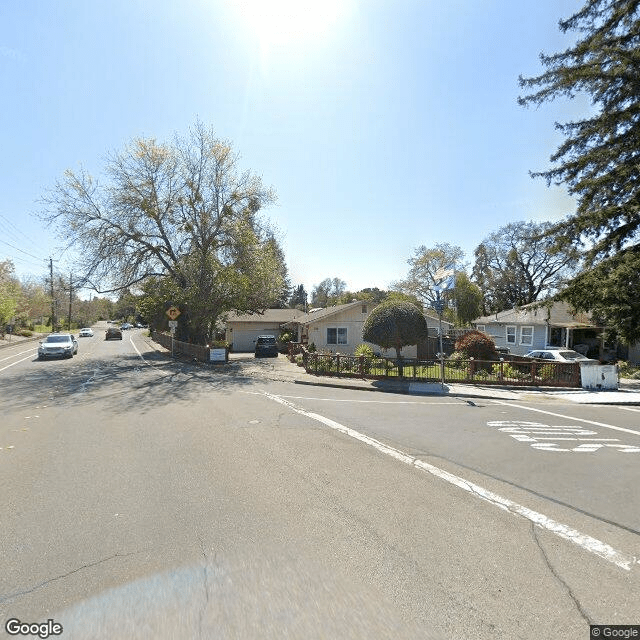
1130 Silva Avenue, Santa Rosa, CA 95404
For more information about senior living options: (866) 208-4318
Silva Board And Care Costs & Pricing
Silva Board And Care offers a range of room types, each priced competitively within the local and state market. For semi-private accommodations, their monthly rates span from $3,700 to $4,129, which is slightly below the Sonoma County average of $4,052 and notably above California's statewide figure of $3,333. When it comes to private rooms, Silva's pricing ranges from $4,000 to $4,954 - again aligning closely with Sonoma County's average of $4,225 while exceeding the broader California average of $3,939. In addition to these options, they also provide a one-bedroom space at a flat rate of $4,200 compared to Sonoma County's average of $4,562 and California's average of $4,340. Their studio pricing at $5,367 is higher than both county ($4,340) and state averages ($4,145), reflecting perhaps a premium offering for comfort and services in this room type. Overall, Silva Board And Care presents a varied pricing structure that caters well to different needs while remaining competitive in its locality.
| Floor plans | Silva Board And Care | Sonoma County | California |
|---|---|---|---|
| Semi-Private | $3,700 to $4,129 | $4,052 | $3,333 |
| Private | $4,000 to $4,954 | $4,225 | $3,939 |
| 1 Bedroom | $4,200 | $4,562 | $4,340 |
| Studio | $5,367 | $4,340 | $4,145 |
Memory care communities with a similar price nearby
-
from -$200 / mo
Ana's Care Home
$3,500 / month2.7 miles away -
from +$295 / mo
The Watermark at Napa Valley
$3,995 to $6,795 / month22.7 miles away -
from -$700 / mo

Linda Falls Guest Home 1
$3,000 to $4,500 / month15.6 miles away -
About the same
Brookdale Chanate
$3,810 to $7,855 / month0.7 miles away -
About the same
Ivy Park at Santa Rosa
$3,695 to $6,895 / month1.6 miles away
Overall Review of Silva Board And Care
Pros
 Silva Board and Care is regarded as the best program in Sonoma County.
- The Trinidad family and their staff treat residents and families as part of their own family.
- The home is beautifully arranged, meticulously clean, and welcoming with fresh flowers.
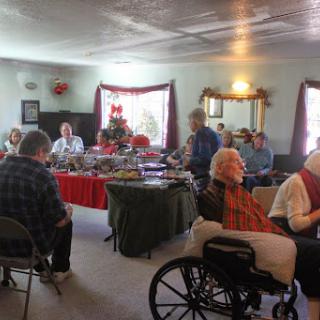
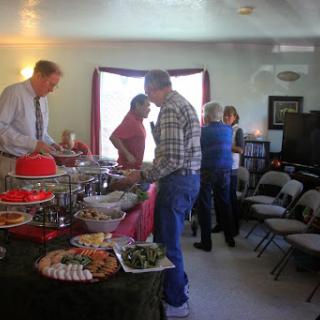
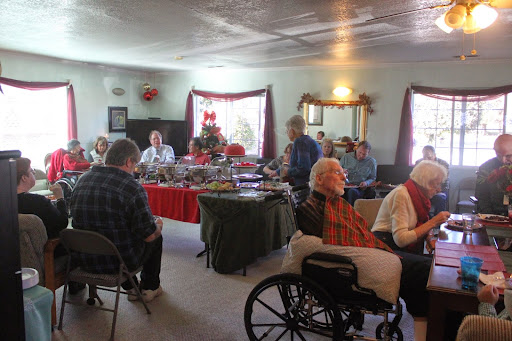
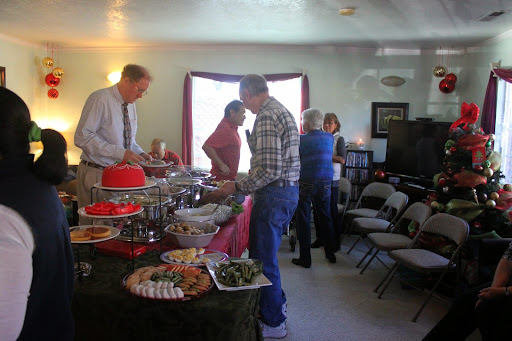
- The daily menu is varied and consistently delicious, with holidays and seasonal changes reflected in the meals.
- Residents thrive there, with improvements in mood and health noted by families.
- The staff are loving, attentive, and genuinely caring.
- The atmosphere is very much like a family, with celebrations for birthdays and holidays.
- The care is comprehensive and goes above and beyond, including personalized attention and support.
- The facility is spotlessly clean and residents are well cared for.
Cons
 The lack of central air conditioning was a downer for her.
 - Window air conditioners could pose a problem for a resident who can’t figure out how to operate them.
- The facility wasn’t as secure as they would have liked for her.
Review
Silva Board and Care in Santa Rosa is best suited for families seeking a small, home-like assisted living option where residents are treated as extended family and daily life feels intimate rather than institutional. This community excels for seniors who prioritize personal attention, warm relationships with the owners and staff, and a steady cadence of home-style meals, celebrations, and daily activities that foster mood, dignity, and familiar routines. It is especially well aligned with families who value a strong sense of community, hands-on involvement from the operators, and a location where the care core is built around meaningful daily living rather than institutional polish. Those who desire a large campus, extensive medical programming, or highly structured security features should consider alternatives that emphasize clinical oversight or campus-level amenities.
The standout strength here is the extremely caring, family-operated environment. The Trinidad family and their team are repeatedly described as attentive, loving, and dependable, treating residents and families as members of a close-knit circle. Cleanliness and a home-like aesthetic are consistently praised, with fresh flowers, well-kept spaces, and a setting that feels calm and welcoming. The care approach shines in daily life, home-cooked meals with variety, holiday and seasonal touches, and a demeanor that emphasizes respect for each resident’s dignity. The staff’s willingness to go above and beyond, attending appointments, coordinating with doctors, and celebrating milestones, creates a sense of reliability that many families rank as the decisive factor in choosing Silva.
End-of-life and comfort-focused care emerge as another core strength, demonstrated by stories of hospice-adjacent support, ongoing comfort measures, and the willingness to be present with loved ones through difficult transitions. Families report that residents experience meaningful, humane care that preserves dignity in the final chapters of life, with caregivers who stay by their sides and provide hands-on attention. The home’s atmosphere, cozy rooms, pleasant grounds, a cat that adds warmth, and spaces designed for socializing, contributes to an environment where residents can maintain familiarity, routine, and social connection during delicate times. These elements translate into consistently strong outcomes for mood, engagement, and overall well-being.
Nevertheless, a notable caveat centers on climate control and certain safety considerations. The lack of central air conditioning can be a practical drawback for residents sensitive to heat or those who require precise climate management, particularly in warmer seasons. One reviewer flagged the potential challenge of using window air conditioners for someone with dementia, underscoring a real, if situational, accessibility concern. Other security or safety expectations, while not flagged as significant issues by the majority, may also matter to families evaluating centering care around memory impairment or higher medical supervision. These factors are important for households with residents who have advanced dementia or require more rigorous safety protocols than a small, home-based setting typically provides.
These cons are offset by the facility’s premier strengths in relationships, daily living quality, and consistent, personalized care. The very core of Silva’s advantage lies in its people, the owners and caregivers who cultivate trust, respond promptly to needs, and weave families into the fabric of daily life. When meals, celebrations, and individualized attention are aligned with a resident’s tastes and routines, the risk of isolation or mood decline diminishes markedly. The intimacy of the setting, where staff know residents by name, preferences are remembered, and small touches (like favorite meals or greeting rituals) shape daily experience, can more than compensate for the absence of on-site clinical behemoths or luxury-scale amenities.
For families weighing options, the question comes into clear focus: is the priority a deeply personal, family-centric environment with high warmth and consistent attention, or is a facility with broader medical infrastructure and more extensive climate controls essential? Silva is a standout choice for those who want authentic, ongoing relational care, dependable daily routines, and a home atmosphere where end-of-life support is integrated with daily life. If, however, central air conditioning, state-of-the-art dementia security measures, or larger-scale medical programming are non-negotiable requirements, it is prudent to explore alternatives that foreground those features. A direct visit, watching how staff interact with residents, meeting Helen and Joel, and observing meals, activity flow, and the handling of preferences, will reveal whether Silva’s familial model matches the resident’s needs and family’s expectations.
 6 resident community capacity
 Assisted Living
 Board and Care Home
 Memory Care
 Cats allowed
 Dogs allowed
 Activities off-site
 Air-conditioning
 Cable or satellite TV
 Devotional services off-site
 Dining room
 Full kitchen
 Fully furnished
 Garden
 Housekeeping services
 Indoor common areas
 Move-in coordination
 Outdoor common areas
 Private
 Private bathrooms
 Telephone
 Wi-Fi/high-speed internet available
 24-hour supervision
 Assistance with bathing
 Assistance with dressing
 Assistance with transfers
 Diabetes diet
 Diabetic care
 High acuity care
 Incontinence care
 Meal preparation and service
 Medication management
 Special dietary restrictions
 Transportation arrangement (medical)
 Transportation to doctors appointments
 BBQs or picnics
 Birthday parties
 Light therapy programs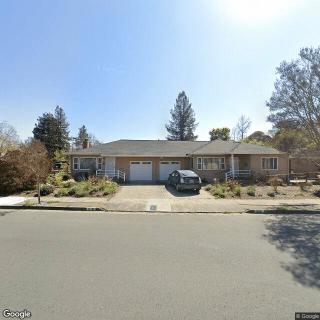

 Understanding the Distinctions: Assisted Living and Memory Care Explained
 How to Communicate with a Loved One Living with Dementia: 10 Supportive Strategies
 Comprehensive Guide to VA Nursing Homes: A Crucial Long-Term Care Resource for Veterans