
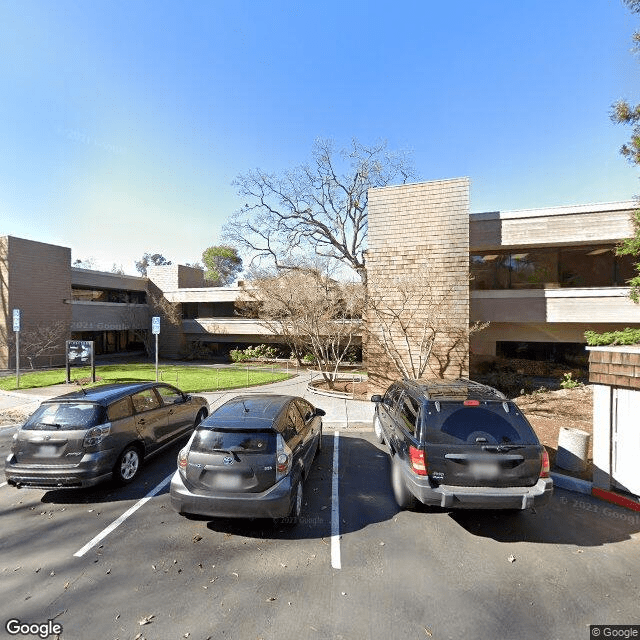
2455 Bennett Valley Road, Santa Rosa, CA 95404
To contact a resident: (707) 523-0111
For more information about senior living options: (866) 208-4318
Overall Review of Heartland Hospice
Pros
 Sutter Care at Home was five-star from start to finish.
- Kristi, the hospital coordinator, helped navigate family dynamics with grace to set up the service.
- Evan, the grandmother's hospice nurse, was the true shining star.
- Evan's honesty about the process and his knowledge of hospice care were irreplaceable.
- There was never a moment of compassion fatigue among the staff, as every interaction was patient, smiling, and caring.
- The caregivers and social workers were equally amazing.
- Evan was a gift to the family, and his presence was deeply appreciated through the grandmother's passing.
Cons
 Hospice is not an easy topic to deal with.
- My Grandmother was not the easiest when she was in pain.
Review
Heartland Hospice in Santa Rosa is best suited for families facing the final chapters of a loved one’s life who want a deeply compassionate, expertly coordinated end-of-life experience delivered by a steady, high-integrity team. This service model shines when there is a need to navigate complex family dynamics with grace while ensuring that clinical care and emotional support stay aligned around the patient’s comfort and dignity. Those who expect aggressive curative efforts or require around-the-clock hospital-level interventions may want to explore alternatives, as hospice, by design, leans into comfort, guidance, and coordination rather than invasive, nonstop medical escalation. It also matters to check payer and geographic constraints, since those factors can shape availability and coverage.
The strongest positives center on the people delivering care. The hospital-to-home transition is guided by a capable coordinator who can ease family tensions and coordinate services with tact. The nurse emerges as the defining asset: honest about the process, deeply knowledgeable about hospice care, and emotionally present in moments of vulnerability. When pain and discomfort arise, the nurse provides steadiness, empathy, and practical guidance that helps families feel they are not navigating this path alone. The broader team, caregivers, social workers, and other support staff, follows suit, offering consistent warmth, patience, and problem-solving presence that many readers would describe as unwavering.
These strengths do more than create a positive impression; they offset the inevitable emotional intensity and logistical complexity that accompany end-of-life care. The reviews depict a patient and family experience where even difficult dynamics are met with calm professionalism. The caregiver and social-services network is described as equally capable and compassionate, ensuring that support does not waver even when pain increases or when personalities collide under stress. In short, the team’s depth of experience translates into reliable reassurance: a sense that the patient’s comfort remains the constant priority, and that family members receive practical help with decision-making, advocacy, and day-to-day coordination.
Operationally, the model emphasizes clear communication and continuity of care. A named coordinator harmonizes hospital and home-based services, while the nurse maintains a steady clinical presence. This structure reduces confusion at a time when families are overwhelmed and uncertain. The reviews underscore a culture of attentiveness, staff respond with smiles, patience, and a readiness to adapt to shifting needs. For families choosing a Santa Rosa hospice, these attributes translate into a practical advantage: fewer unanswered questions, fewer gaps in care, and a predictable rhythm that makes an arduous journey more manageable.
Alternatives are worth considering for families whose priorities fall outside this model. If the goal centers on aggressive medical interventions, or if immediate, around-the-clock clinical escalation is non-negotiable, another provider or a more hospital-centric approach may be preferable. Similarly, if logistical constraints, such as distance from the facility, network limitations, or stricter financial arrangements, pose challenges, it is prudent to compare options with a focus on access, consistency of caregivers, and the breadth of supportive services. In situations where family members desire a different pace, more intensive symptom control, or a distinct care philosophy, exploring other hospice teams can prevent misalignment with expectations.
Ultimately, the Santa Rosa hospice described here stands out for families who value a deeply human, expertly managed approach to end-of-life care. The narrative from the reviewed experience highlights a combination of compassionate nursing, thoughtful coordination, and a broad, devoted support network that tends to the emotional, practical, and spiritual dimensions of dying with dignity. For decision-makers prioritizing steadiness, rapport, and a team that can hold a family through intense moments without fatigue, Heartland Hospice presents a persuasive, credible option worth pursuing with an early, candid conversation about goals, expectations, and the specific services available.







 Exploring Nonmedical Home Care: Understanding Services, Costs, and Financial Approaches
 Engaging Brain Games and Innovative Apps to Keep Senior Minds Active
 Effective Strategies for Keeping Seniors' Minds Active: A Deep Dive into Brain Games and Apps