
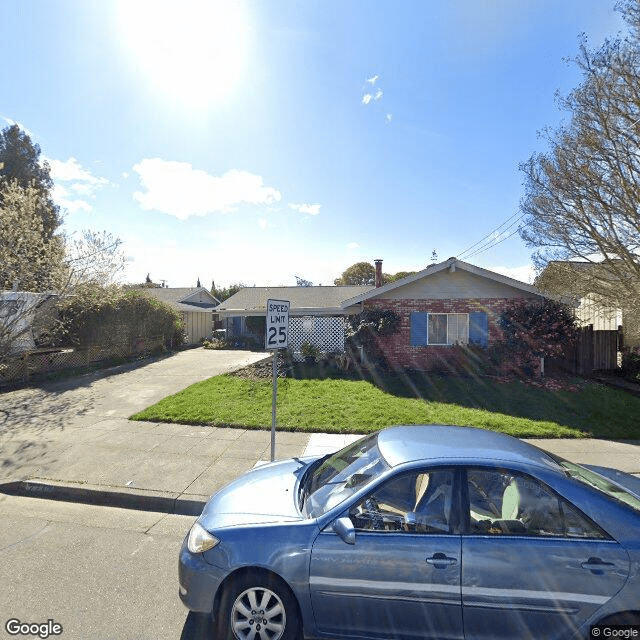
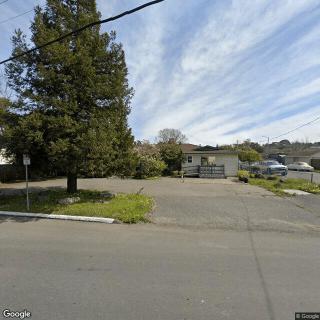
2242 Vallejo Street, Santa Rosa, CA 95404
For more information about senior living options: (866) 208-4318
Emmanuel Home Costs & Pricing
Emmanuel Home offers competitive monthly rates for its residents, particularly when compared to the broader cost landscape of Sonoma County and California as a whole. For semi-private rooms, Emmanuel Home charges $2,500, which is significantly lower than the county average of $4,052 and the state average of $3,333. This demonstrates a commitment to affordability without compromising quality care. In terms of private rooms, Emmanuel Home's rate of $4,500 remains slightly above the county's cost of $4,225 but reflects a more favorable position compared to the state's average of $3,939. Overall, Emmanuel Home provides an attractive option for individuals seeking supportive living arrangements while balancing both quality and cost-effectiveness in their choice.
| Floor plans | Emmanuel Home | Sonoma County | California |
|---|---|---|---|
| Semi-Private | $2,500 | $4,052 | $3,333 |
| Private | $4,500 | $4,225 | $3,939 |
Memory care communities with a similar price nearby
-
from +$400 / mo
Muirwoods Memory Care
$2,900 to $7,830 / month12.5 miles away -
from +$95 / mo
The Inn on Villa Lane
$2,595 to $6,195 / month23.0 miles away -
from +$300 / mo
Pueblo House
$2,800 to $3,800 / month23.1 miles away -
from -$100 / mo
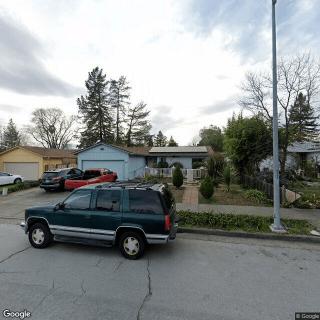
Mountainview Care Home
$2,400 to $2,700 / month3.1 miles away -
About the same
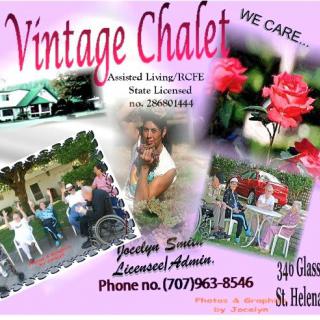
Vintage Chalet
$2,500 to $4,000 / month13.3 miles away
Overall Review of Emmanuel Home
Pros
 The home has only six residents, and they all receive excellent care and seem very happy.
- The caregivers are caring, thoughtful, and loving.
- The facility is led by one of the most loving and caring people in the business.
- The operator is affectionately described as an “angel” by the reviewer.
- The reviewer’s family is very happy to have found Emmanuel House.
Review
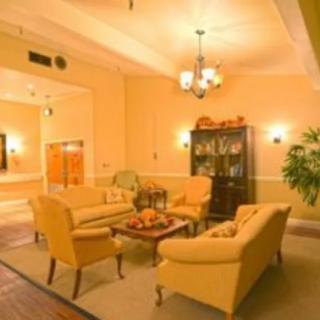
Emmanuel Home in Santa Rosa is best suited for families seeking an intimate, high-touch care environment where a senior can receive attentive, home-like daily care. With only six residents, this setting operates more like a small private home than a traditional facility, delivering constant oversight and easy access to staff. The takeaway is clear: residents are not just numbered; they are known by name, and their needs are tended to with practical, hands-on compassion. For seniors who thrive on consistent, visible caregiving and a close-knit community, Emmanuel Home offers a reassuring, steady rhythm that often translates into steadier mood, fewer lapses in attention, and a stronger sense of belonging.
Those who should consider alternatives include seniors who require frequent on-site medical interventions or specialized therapies, or those who crave a richer schedule of activities and social opportunities. A larger community may offer more consistent group programming, transportation for excursions, and a wider pool of caregivers at varied shifts. If memory care or rehabilitation services become primary needs, a facility with dedicated programs could be a better fit. Families prioritizing independence and a sense of private living might also notice the difference in scale. Emmanuel Home excels in warmth and attention, but the trade-off is a smaller social ecosystem and potentially fewer formal supports than bigger assisted living campuses.
Key advantages flow directly from the intimate scale: a close caregiver-to-resident ratio that allows rapid responses, personalized routines, and meaningful interactions. The operator’s reputation as a deeply caring, hands-on leader sets the tone for the entire staff, creating a culture of gentleness and respect that residents seem to respond to with happiness and comfort. Family members who visit frequently report consistently thoughtful care, with staff who know the residents’ preferences, histories, and daily patterns. This level of familiarity translates into fewer misunderstandings, easier communication, and a sense that distress is quickly recognized and addressed.
These strengths offset most of the typical drawbacks associated with small homes. The very attention that makes care so personalized also creates a safety net: staff can notice subtle changes, communicate directly with the operator, and accommodate individual routines without the bureaucratic drag of larger facilities. Family involvement is straightforward, not an intrusion but a valued extension of the care team. The six-resident model makes coordinated care planning, medication management, and meal planning feel practical and doable. In short, the intimate setting acts as a force multiplier for quality care, turning potential limitations into daily lived benefits.
Nevertheless, the trade-offs deserve acknowledgment. A six-resident home naturally limits the breadth of activities, peer interactions, and transport options that come with bigger campuses. If the resident’s needs evolve toward intensive rehab, complex medical management, or specialized memory care, there may be a mismatch with what Emmanuel Home can sustain long-term. Those seeking a broad social calendar, robust on-site therapy offerings, or a wide pool of caregiver staff across shifts may find alternatives more suitable. The crucial consideration is alignment: warmth and attentiveness are exceptional here, but the scale may not meet all care escalation scenarios.
For families prioritizing warmth, trust, and a truly intimate living experience, Emmanuel Home stands out as a compelling choice in Santa Rosa. It is least appropriate for those requiring large-scale programming, expansive social venues, or intensive medical supervision on-site. Prospective movers should schedule a visit focused on interaction quality, daily routines, meal options, and how emergencies are handled. Ask to observe how staff respond to subtle cues from residents, how consistent caregiving teams are, and how family communications are managed. If alignment with a homey, person-centered approach is clear, Emmanuel Home should be in the final short list; otherwise, widen the search to facilities with greater capacity and program breadth.
 6 resident community capacity
 Assisted Living
 Board and Care Home
 Memory Care
 Activities on-site
 Cable or satellite TV
 Devotional services off-site
 Dining room
 Fully furnished
 Garden
 Housekeeping services
 Indoor common areas
 Move-in coordination
 Outdoor common areas
 Private
 Telephone
 Wi-Fi/high-speed internet available
 24-hour supervision
 Ambulatory care
 Assistance with bathing
 Assistance with dressing
 Assistance with transfers
 Diabetes diet
 Diabetic care
 High acuity care
 Incontinence care
 Meal preparation and service
 Medication management
 Special dietary restrictions
 Transportation arrangement (medical)
 Transportation to doctors appointments

 Dementia-Related Hallucinations: Causes, Experiences, and Practical Approaches
 Illuminating Insights About Alzheimer's Disease: Ten Crucial Realities
 A Thorough Discussion of Medications Potentially Linked to Dementia Risk