
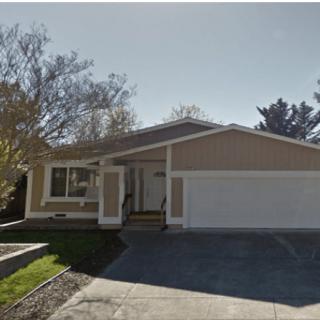
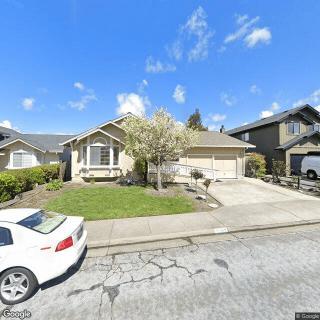
5525 Carriage Lane, Santa Rosa, CA 95403
For more information about senior living options: (866) 208-4318
Overall Review of Green Meadows Living 2
Pros
 Alma and her team provide compassionate, dignified care, treating residents like family.
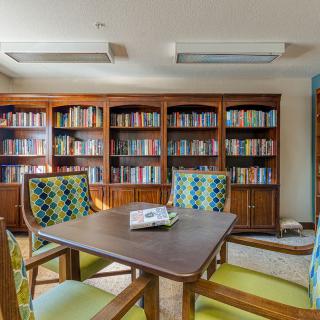
- They offer 24/7 dementia care with attentive supervision, private rooms, and comfortable communal spaces.
- Medication management, daily living support, and coordination of medical appointments are handled professionally.
- Hospice support is available when needed, in a warm, welcoming facility with garden-friendly spaces.
- Families express deep gratitude for the staff’s kindness, reliability, and continuity of care.
- Angels Place is highly recommended for end-of-life or recovery care due to excellent, person-centered service.
Review
Green Meadows Living 2 is best suited for seniors who need round-the-clock, compassionate dementia care and end-of-life support within a warm, home-like setting. The care team, led by Alma, earns praise for treating residents with dignity, consistently monitoring daily needs, and maintaining a family atmosphere that puts comfort and personal attention first. This community shines for families seeking a hands-on, caregiver-driven environment where medications, meals, and daily routines are coordinated with a high level of attentiveness. It is a strong fit for those who value intimate, residential care over clinical, hospital-like surroundings, and who want hospice or transitional end-of-life support integrated into daily life.
Those who may want to consider alternatives are families with residents who require hospital-grade medical oversight, intensive rehabilitation, or highly structured programming not typically found in small, home-style settings. If the priority is independent living with minimal hands-on caregiving, or if the eventual need is a facility with expansive clinical services and large activity campuses, a larger assisted living or a specialized memory-care unit may be more appropriate. Similarly, for families seeking consistent, formalized clinical protocols and on-site nursing staff around the clock, other communities could offer a different level of medical intensity and resource availability.
The strongest positives center on intimate, attentive care that appears to translate into meaningful daily experiences. Residents benefit from 24/7 care, thoughtful supervision of medications, and help with activities of daily living, including personal care and mobility support. The home-like dining environment, tasty meals, and accessible outdoor areas create moments of normalcy and social connection that are particularly meaningful for dementia and end-of-life journeys. The facility’s ability to accommodate transportation to medical visits and to coordinate hospice when needed reduces family burden and preserves continuity of care in familiar surroundings.
Some caveats accompany these strengths. The model relies heavily on the caregiver team’s consistency and the home-style setting to deliver care, which can mean variability if staff levels fluctuate or if residents require care beyond what a small home can sustain. External medical staff may need to visit or collaborate closely, which can introduce scheduling considerations. For families seeking highly specialized rehabilitation, complex medical equipment, or turnkey clinical oversight with guaranteed nurse-to-resident ratios, this environment may feel limited. A lone one-star rating among many five-star experiences also signals the importance of a careful, on-site evaluation to ensure expectations align with reality.
Despite these potential limits, the core care philosophy, dignified, compassionate, hands-on support, largely offsets the cons for its target population. For families prioritizing comfort, personal connection, and a sense of “home” during dementia and end-of-life care, the benefits are substantial: continuous supervision, medication and appointment coordination, and a nurturing routine that reduces hospital transfers and anxiety. The ability to access hospice services within a familiar setting, plus a staff team that proactively supports meals, laundry, and daily activities, translates into a higher quality of life for residents and measurable relief for caregivers.
For families moving forward, the practical path is clear: arrange a tour and speak directly with Alma about care plans, room availability, and the types of daily activities and medical coordination offered. Confirm real-world details, private room options, meal menus, transportation scheduling, and the process for engaging hospice or end-of-life support. Inquire about staff coverage patterns, how emergencies are handled, and whether non-ambulatory residents can receive appropriate mobility assistance. If these elements align with the senior’s needs and family priorities, this community represents a compelling, well-supported option for dementia-focused and end-of-life care in a home-like setting.
 5 resident community capacity
 Assisted Living
 Board and Care Home
 Cable or satellite TV
 Dining room
 Fully furnished
 Garden
 Housekeeping services
 Move-in coordination
 Outdoor space
 Telephone
 Wi-Fi/high-speed internet available
 24-hour supervision
 Activities of daily living assistance
 Assistance with bathing
 Assistance with dressing
 Assistance with transfers
 Diabetes diet
 Meal preparation and service
 Medication management
 Special dietary restrictions
 Transportation arrangement (medical)
 Transportation to doctors appointments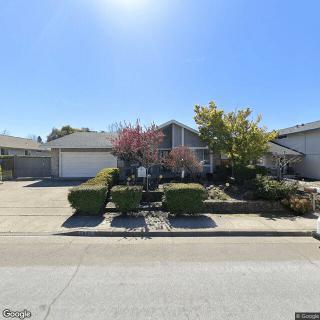



 Comprehensive Supportive Living Arrangements for Adults with Disabilities
 Funding and Affording Assisted Living: A Thorough Overview
 Assisted Living Expenses and Long-Term Care Insurance: A Comprehensive Exploration