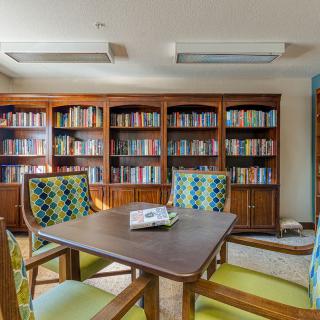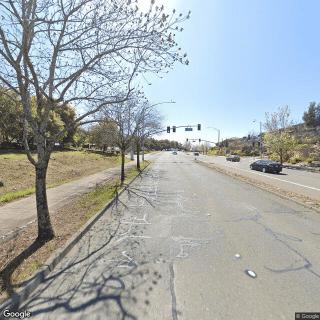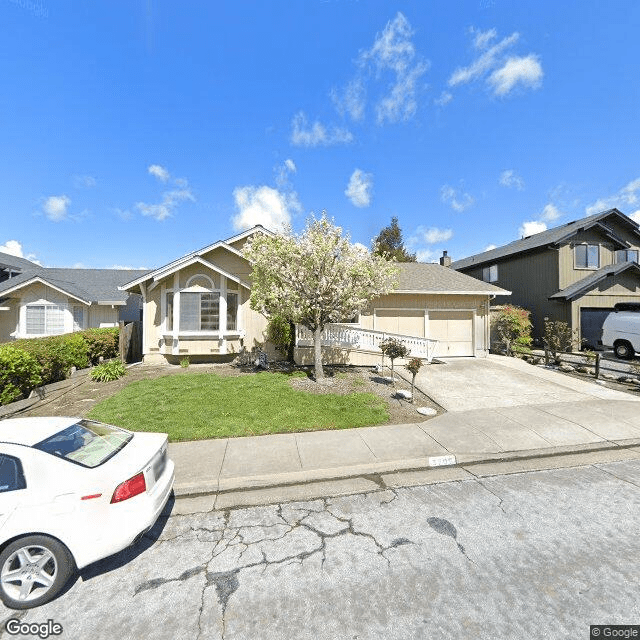
Dolly's Manor Retirement Home

Save
Dolly's Manor Retirement Home

Dolly's Manor Retirement Home

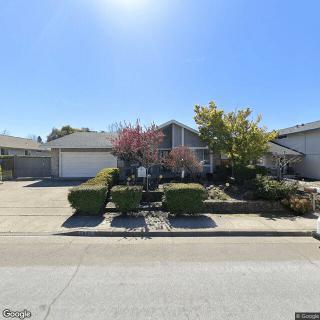
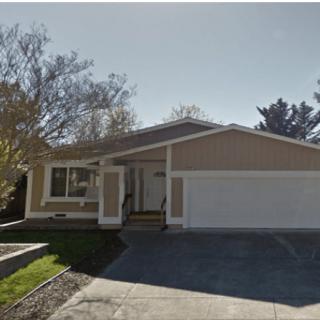
5705 Corbett Cir, Santa Rosa, CA 95403

For more information about senior living options: (844) 490-3973

1 from 1 review
Board and Care Home

Overall Review of Dolly's Manor Retirement Home

Pros

  • pro He was moved to a much better facility.
  • pro The move placed him in a facility with better care and safety.
  • pro The family secured a higher-quality living arrangement for him.
  • pro The new facility provided him with a better standard of care.

Cons

  • pro The main caregiver was mean to him and ignored him.
  • pro The caregiver should have been better trained to handle dementia patients.
  • pro There was no emergency plan for him in case of a fire emergency.
  • pro The caretaker was on the phone with friends/family or watching TV instead of supervising him.
  • pro The staff refused to allow him a short walk when asked.
  • pro Medication mailed to the residence was lost more than once.
  • pro He was lonely and not a priority to the people working there.

Review

The experience described centers on a family caring for a father with dementia who lived in a setting managed by a caregiver and an owner. According to the family member recounting it, the main caregiver told her that the father was "mean" to her, and, in response, she chose to ignore him. This claim of mistreatment was paired with a belief that the caregiver should have received better training for handling patients with dementia. The underlying thread is a sense that the staff did not feel equipped to respond with patience and appropriate care, and that the family's loved one suffered as a result of this lack of preparedness.

A troubling episode involved an emergency situation when a fire broke out in the area. The owner reportedly insisted that the family pick up the father and take responsibility for him during the crisis, and there was no emergency plan in place for his care. The absence of a clear, proactive plan for such emergencies placed both the resident and others at risk and underscored a serious lapse in preparedness and accountability.

When the family visited, the caretaker's behavior reportedly suggested a broader pattern of neglect. Instead of engaging with the resident, the caretaker was often on the phone with friends or family or simply watching television. On occasions when the family asked for even a brief outdoor excursion - just a short walk to provide some fresh air and a change of scenery - the request was denied. This mix of distraction and inaction during visits painted a picture of a care environment where the resident's needs could be sidelined in favor of personal activities or conveniences of the staff.

Another concerning issue involved the handling of medications. Medications that were mailed to the residence were lost more than once, a problem that not only disrupted the resident's treatment but also introduced potential safety risks. The repeated loss of prescribed medications suggested gaps in processes around medication receipt, storage, and administration, raising questions about the reliability of the facility's pharmacological management.

As a result of these dynamics, the father was largely confined to the home unless the family was present to supervise or advocate on his behalf. The impression given is that loneliness and isolation were common, and that care and attention to his emotional and social needs were not a priority for the staff. The emotional toll of living under such conditions contributed to a sense of neglect, even when the family was trying to advocate for better support and engagement.

Ultimately, the family found and moved the father to a much better facility. The move represents a departure from a care environment that seemed overwhelmed by insufficient training, inconsistent emergency planning, and limited staff engagement, toward a setting that better aligned with the needs of someone living with dementia. The contrast between these experiences underscores the seriousness of the issues described: the importance of adequately trained caregivers, reliable emergency planning, attentive engagement during visits, secure medication handling, and a compassionate, person-centered approach to care.

Features

Types of Care

  • Board and Care Home Board and Care HomeBoard and care homes provide a smaller, more intimate setting for seniors who require assistance with daily tasks but do not need the level of care offered by a nursing home. They offer personalized care, meals, and social activities in a homelike environment, ensuring that seniors receive individualized attention and support in their golden years.

Description

Dolly's Manor Retirement Home, located in the charming city of Santa Rosa, CA, offers a vibrant and fulfilling lifestyle for its residents. Nestled in a welcoming neighborhood, this assisted living community provides easy access to a variety of amenities that enhance the quality of life for seniors.

Within close proximity to Dolly's Manor, residents can enjoy five delightful cafes perfect for socializing over coffee or a light meal. For those who appreciate nature and outdoor activities, there are two lovely parks nearby, offering serene walking paths and spaces for relaxation amid beautiful landscapes.

Healthcare is easily accessible with four pharmacies and 35 physicians located just moments away, ensuring that residents have the support they need at all times. Additionally, three hospitals nearby provide comprehensive medical services should the need arise.

Dining options abound with 15 diverse restaurants in the area, allowing residents to explore different cuisines and enjoy meals out with friends or family. Transportation is convenient as well, with four transportation services available to help residents navigate the community and beyond with ease.

For entertainment seekers, there's a theater nearby where residents can catch the latest films or engaging performances.

At Dolly's Manor Retirement Home, seniors can thrive in a supportive environment that prioritizes their health and happiness while offering an array of activities and resources just around the corner. This community truly embodies comfort and accessibility for an enriching retirement experience.

Nearby Places of Interest

This part of Santa Rosa, California offers a diverse range of amenities suitable for senior living. The area is home to several reputable restaurants such as Kendall-Jackson Wine Estate & Gardens and John Ash & Co., providing convenient dining options for residents. In terms of healthcare, there are multiple physicians and hospitals nearby, including Sutter Santa Rosa Regional Hospital and Kaiser Foundation Health Plan. Additionally, transportation options such as the Charles M. Schulz - Sonoma County Airport and Santa Rosa Transit Mall make it easy for seniors to get around the area. For leisure activities, there are cafes like Starbucks and Aroma Roasters Coffee & Tea, as well as parks like Keiser Community Park and Rincon Valley Community Park for outdoor recreation. Overall, this part of Santa Rosa provides a desirable living environment with a variety of services tailored to senior residents.

Restaurants

  • Kendall-Jackson Wine Estate & Gardens (0.8 miles)
  • John Ash & Co. (1.4 miles)
  • McDonald's (2.8 miles)
  • El Farolito (2.9 miles)
  • Ume Japanese Bistro (3.1 miles)
  • Taco Bell (3.3 miles)
  • KIN Windsor (3.6 miles)

Theaters

  • Airport Stadium 12 (1 miles)

Physicians

  • Frank L. Anderson, MD (1.4 miles)
  • Dana Michaels (1.4 miles)
  • Peralta Elizabeth Md (1.5 miles)
  • Ana L Pacheco-Clark, MD (1.5 miles)
  • Peter B. Brett, MD (2.5 miles)
  • Steven L. Wolf, MD (2.5 miles)
  • Helena A. Longin, MD (2.5 miles)

Hospitals

  • Sutter Santa Rosa Regional Hospital (1.5 miles)
  • Kaiser Foundation Health Plan (3.6 miles)
  • Kaiser Foundation Hospital (4.6 miles)
  • MarinHealth ENT, Head & Neck Surgery | A UCSF Health Clinic (5.7 miles)

Transportation

  • KaiserAir, Santa Rosa Jet Center (2.3 miles)
  • Sonoma Jet Center (2.3 miles)
  • Charles M. Schulz - Sonoma County Airport (STS) (2.4 miles)
  • STS Apron (2.4 miles)
  • Santa Rosa - SMART Station (5.8 miles)
  • Santa Rosa Transit Mall (5.9 miles)

Cafes

  • Starbucks (2.9 miles)
  • Starbucks (3.4 miles)
  • Starbucks (3.6 miles)
  • Cafe Des Croissants (4.3 miles)
  • Taylor Lane Organic Coffee (4.3 miles)
  • Aroma Roasters Coffee & Tea (5.8 miles)

Pharmacies

  • CVS Pharmacy (3.4 miles)
  • Walgreens (3.4 miles)
  • Kaiser Pharmacy East (3.6 miles)
  • Rayles Pharmacy (4.2 miles)
  • Peace In Medicine (5.1 miles)
  • CVS Pharmacy (5.7 miles)
  • Herbal Pharmacy (5.8 miles)

Parks

  • Keiser Community Park (3.9 miles)
  • Safari West Wildlife Preserve & African Tent Camp (4.6 miles)
  • A Place To Play (5.3 miles)
  • Old Courthouse Square (5.8 miles)
  • Rincon Valley Community Park (5.8 miles)

Frequently Asked Questions

Where is Dolly's Manor Retirement Home?

Nearby Communities

Related Resources

  • palliative care at homeExploring Palliative Care in the Home: A Comprehensive Overview
    Palliative care enhances the quality of life for seriously ill patients by providing comprehensive support at home through a multidisciplinary team, addressing various needs and prioritizing comfort over curative treatments. While it offers personalized care and involves family in decision-making, challenges like caregiver stress and logistical issues persist, with growing demand prompting advancements in technology and healthcare policies to improve access.

  • palliative care at homeComprehensive Insights into Palliative Home Care: What It Is and What to Expect
    Palliative home care focuses on improving the quality of life for individuals with serious illnesses by providing comfort, symptom management, and emotional support in their own homes. This approach includes personalized care plans, regular assessments, and resources for family caregivers, all while prioritizing person-centered treatment that aligns with patients' goals.

  • skilled nursing facility vs nursing homeSkilled Nursing Facilities vs. Nursing Homes: Making Sense of the Differences

    Skilled nursing facilities (SNFs) provide high-level medical care and rehabilitation for short-term recovery, typically covered by Medicare after hospitalization, while nursing homes focus on ongoing custodial care for chronic conditions, mainly funded by Medicaid or private payments. The staffing and regulatory structures differ significantly between the two, necessitating clarity for families in choosing appropriate long-term care options.