

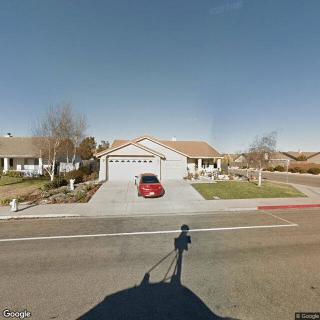
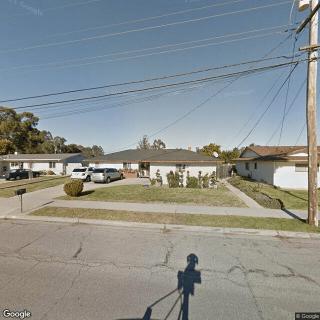
3705 Hillview Road, Santa Maria, CA 93455
For more information about senior living options: (866) 208-4318
Overall Review of Hillview Residence
Pros
 The staff are very caring.
- The rooms and common areas are clean.
- Hillview Residence is family-owned and locally operated for over 35 years.
- The staff have long tenure and are friendly, detailed, precise, and caring.
- They have two dining rooms that look nice.
- The facility offers daily activities such as music, crafts, and bingo.
- The facility has a nice outdoor area and a homey feeling.
- Communication between staff and families is excellent, and residents receive great care.
Cons
 The staff are horrible.
- The staff are overworked and underpaid, doing the best they can.
- Admin has been caught lying to families.
- Families are advised not to leave their loved ones there unless they visit daily.
Review
Hillview Residence in Santa Maria is best suited for families seeking a small, home‑like assisted living that leans into local ownership and personal connections. This community appeals to seniors who want daily structure without the feel of a large campus: clean, comfortable living spaces, two dining rooms, and a neighborhood atmosphere where staff and residents know each other by name. The environment supports moderate assistance with meals, housekeeping, medication administration, and a calendar of daily activities, music, crafts, bingo, that keep residents engaged. The facility also offers dementia care capabilities, making it a practical option for residents who benefit from a higher level of supervision while remaining in a setting that feels intimate and manageable. The enduring, family‑owned model, owners nearby, staff who stay long term, creates trust that families rely on when transitions are stressful.
That said, Hillview may not be the right fit for every family. Those requiring a consistently uniform administration with a flawless, fully transparent record of how concerns are handled may want to compare options elsewhere, given one review that warned about misrepresentation by admin. For families that cannot visit regularly, the question becomes whether oversight and communication are robust enough to substitute for physical presence. Larger campuses with more formal memory‑care programming or a more corporate environment might better satisfy expectations for some seniors with higher or more complex needs. In short, the best fit is a family that can embrace a small setting with all its warmth, while accepting potential variability in day‑to‑day management.
On the upside, the pros are substantive and aligned with practical caregiving: genuinely caring staff who stay with the community for years, a long‑standing local ownership culture, and a clean, well‑maintained setting. Residents benefit from a homey feel, with a couple of dining rooms that foster social dining, and outdoor spaces that invite safe wandering. Reviews consistently highlight friendly, capable caregivers and reliable routines, full care that covers medication administration, bathing, housekeeping, and meals. The facility is noted for not smelling or feeling like a nursing home, and families praise the open lines of communication. The combination of a tight‑knit staff and accessible management often translates into attentive, personalized care that families can count on.
Nevertheless, several red flags appear in mixed feedback. One stark report described staff as overworked and underpaid, with administration accused of lying to families, implying that oversight could hinge on daily family engagement. While other reviews extol the staff’s positivity, reliability, and professional warmth, these concerns cannot be dismissed. The small size that yields warmth can also mean tighter staffing constraints and fewer resources during peak demand. The risk, then, is a spectrum: happy residents in a well‑kept, affectionate setting on some days, contrasted with days when staffing pressures or opaque communications undermine confidence. Potential residents should weigh the possibility of variability against the comfort of a familiar routine.
Yet the favorable aspects often compensate for these risks when proper expectations are set. The advantages, long‑tenured staff, a family‑owned ethos, easy access to owners, and very good family communication, create a responsive culture where concerns get addressed, and residents enjoy continuity of care. The dementia‑capable programming, music and exercise activities, and attentiveness to personal preferences help families feel that their loved ones are not just cared for but engaged. The two dining rooms and the homey, non‑institutional ambiance make daily life pleasant, which matters as cognitive needs evolve. In the end, Hillview’s strengths tend to prevail for families who can be involved and who value a warm, community‑centered approach.
For families weighing options, Hillview Residence represents a solid, practical choice when a warm, engaged community and dependable daily care are priorities. It suits seniors who thrive in a small, local setting backed by a long‑standing ownership group and staff who remember residents’ histories. Those who must avoid variability or demand highly transparent administration may want to explore alternatives or schedule multiple visits to compare care plans and staffing models. The recommended path is a thorough tour: observe interactions, meet caregivers and the management team, discuss staffing ratios, and review care plans and activity calendars. With careful vetting, Hillview can be the right home where comfort, continuity, and daily purpose coexist.
 48 resident community capacity
 Studio apartments
 Assisted Living
 Activities on-site
 Beautician on-site
 Cable or satellite TV
 Devotional services off-site
 Dining room
 Fully furnished
 Garden
 Housekeeping services
 Indoor common areas
 Kitchenette
 Move-in coordination
 Outdoor space
 Restaurant-style dining
 Small library
 Telephone
 Wi-Fi/high-speed internet available
 Santa Maria Pub Capt G Allan Hancock (2 miles away)
 Transportation & parking
 24-hour call system
 Ambulatory care
 Assistance with bathing
 Assistance with dressing
 Assistance with transfers
 Diabetes diet
 Diabetic care
 Medication management
 Mental wellness program
 Personal care assistants
 Special dietary restrictions
 English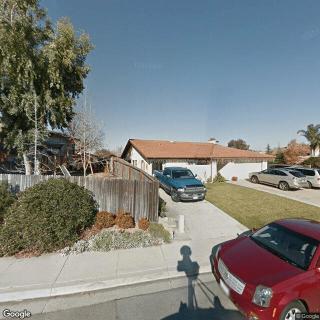



 Understanding Medicaid Coverage for Assisted Living: A Comprehensive Guide
 How and When Medicaid May Cover Assisted Living Costs
 A Detailed Exploration of Assisted Living Medicaid Waivers Across the United States