
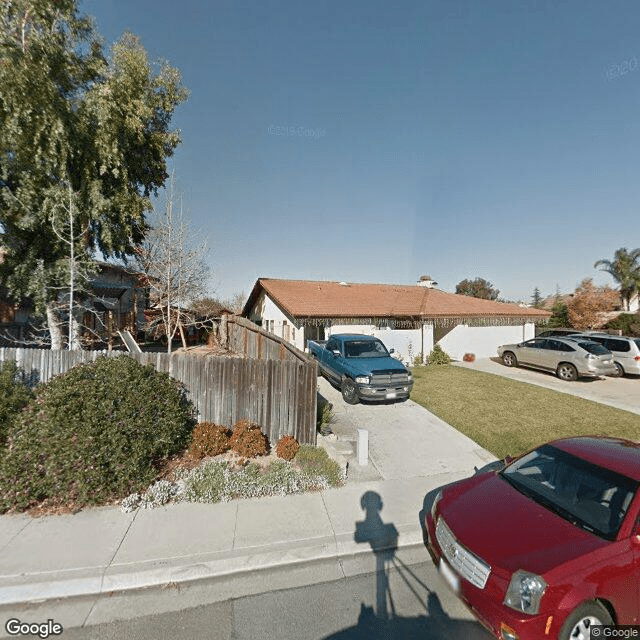
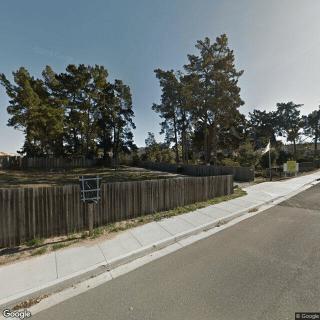
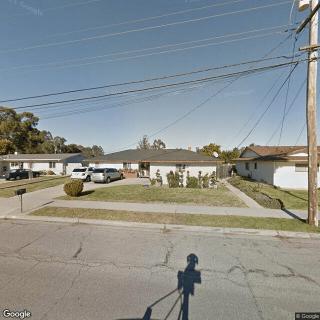
1027 Laurel Street, Santa Maria, CA 93455
To contact a resident: (805) 937-7657
For more information about senior living options: (866) 208-4318
Cloe and Erica's Board and Care Costs & Pricing
Cloe and Erica's Board and Care offers a competitive pricing structure for private room accommodations, charging $3,000 per month. This rate stands favorably against the averages for Santa Barbara County, where similar private rooms cost approximately $3,480, and California statewide, where prices can soar to around $3,939. By providing a more affordable option without compromising quality of care or comfort, Cloe and Erica's Board and Care presents an appealing choice for those seeking personalized residential support in a vibrant community setting.
| Floor plans | Cloe and Erica's Board and Care | Santa Barbara County | California |
|---|---|---|---|
| Private | $3,000 | $3,480 | $3,939 |
Assisted Living communities with a similar price nearby
-
from +$200 / mo

Oak Park Manor
$3,200 / month20.5 miles away -
from +$200 / mo
Villa Care Home II
$3,200 to $3,500 / month5.4 miles away -
About the same

Wyndham Residence
$2,995 to $3,300 / month18.7 miles away -
from -$500 / mo
Pedflor's Residential Care II
$2,500 / month4.9 miles away -
from +$200 / mo
Villa Care Home I
$3,200 to $3,500 / month5.4 miles away
Overall Review of Cloe and Erica's Board and Care
Pros
 The care home is clean.
- The tour guide was nice.
- They offer different levels of care.
- The facility provides one-on-one attention due to its small size.
- The meals are good and the home is clean.
- They really care about their residents.
- Cloe and Erica's Board and Care is a beautiful place with good loving care.
Cons
 The facility had no openings when they were looking.
- The transition was difficult for mom, and they would prefer she find a new place.
- There are a lot of high-maintenance residents and mom gets lost in the shuffle.
- Mom expected her own bathroom but was never told she would get one, which created a lot of issues.
- Mom is not getting much verbal and mental stimulation there.
Review
Cloe and Erica's Board and Care in Santa Maria serves best for families seeking a truly intimate, home-like elder care option where a small cadre of residents receives exceptionally personalized attention. With only six residents, this setting is ideal for seniors who flourish with consistent routines, close supervision, and meals that feel like a family dinner rather than a facility fare. It fits those who benefit from one-on-one oversight, steady caregiver presence, and a low-key environment that prioritizes comfort and safety over clinical intensity.
Those considering alternatives should note that this community may not be the right match for anyone requiring aggressive medical oversight, sophisticated dementia programming, or high levels of cognitive stimulation. Prospective families who want private bathrooms, or who insist on a wide slate of structured activities and therapy modalities, may want to look at larger, more programmatic options. The home-style model excels in warmth and attentiveness but delivers less in the way of formal specialty services or private amenity assurances.
The strongest positives are clear and directly tied to the small scale: a highly individualized care approach, clean and well-maintained surroundings, and a genuine sense of being cared for. Reviews repeatedly highlight the one-on-one attention residents receive, thanks to the six-resident limit, which translates into meals, daily needs, and safety checks handled with a personal touch. The house is described as immaculate, and the atmosphere feels welcoming and homelike, qualities that reduce anxiety for both residents and families during transitions.
Yet, there are notable caveats that should shape the decision. A common concern is that many residents have dementia, which can intensify the challenge of maintaining cognitive stimulation for all. Families also report that the mix of high-maintenance residents can make individual attention feel uneven at times, with a risk that a particular resident’s needs may be overlooked in a busy moment. Transitions can be difficult for relatives who expected features such as a private bathroom, a benefit not guaranteed here. These factors don’t negate the care that is provided, but they do constrain how well the home can meet broader expectations.
Fortunately, the same small-team model that creates warmth also equips staff to respond quickly, tailor care, and cultivate a stable routine. When families describe the staff as “pleasant” and “caring,” that tone is reinforced by consistent daily practices around meals, safety, and personal interactions. The key to leveraging the strengths is proactive engagement: insist on clear, written care plans that include meals, medications, mobility support, and any desired cognitive activities; request regular updates and structured daily programs to avoid a sense of residents getting lost in the shuffle. This approach helps offset the lack of formal programming with a high-touch, responsive care rhythm.
Overall, Cloe and Erica's Board and Care offers a compelling choice for families prioritizing a warm, small-scale setting with attentive caregivers and dependable daily routines. It is particularly well-suited for seniors who value one-on-one attention and a home atmosphere over hospital-like amenities, and for families who can actively collaborate with staff to tailor activities and monitor progress. For those whose priorities include robust cognitive programming, private bathroom guarantees, or intensive medical oversight, alternative communities with more comprehensive activity schedules and medical resources should be considered. The right fit will hinge on balancing the comfort of a familial home with the specific level of stimulation and medical support the elder loved one requires.
 6 resident community capacity
 Assisted Living
 Board and Care Home
 Bath tubs
 Cable or satellite TV
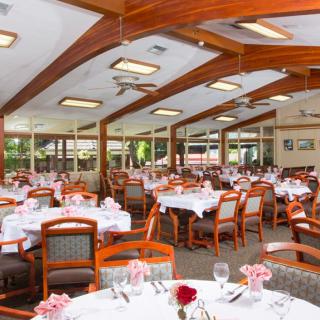
 Dining room
 Fully furnished
 Garden
 Housekeeping services
 Indoor common areas
 Move-in coordination
 Outdoor common areas
 Private
 Private bathrooms
 Telephone
 Wheelchair accessible showers
 Wi-Fi/high-speed internet available
 Santa Maria Pub Capt G Allan Hancock (2 miles away)
 24-hour supervision
 Activities of daily living assistance
 Assistance with bathing
 Assistance with dressing
 Assistance with transfers
 Diabetes diet
 Diabetic care
 High acuity care
 Incontinence care
 Meal preparation and service
 Medication management
 Special dietary restrictions
 Transportation arrangement (medical)
 Transportation to doctors appointments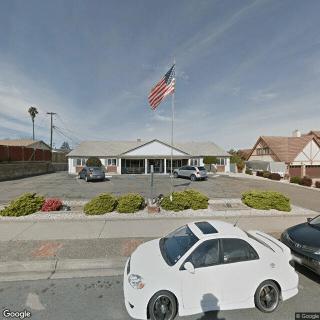


 8 Key Indicators That Suggest It May Be Time to Transition from Assisted Living to Skilled Nursing Care
 Vibrant Senior Living: A Comprehensive Guide for Active Older Adults
 When to Transition from Assisted Living to Memory Care: Key Indicators, Steps, and Finding the Right Community