
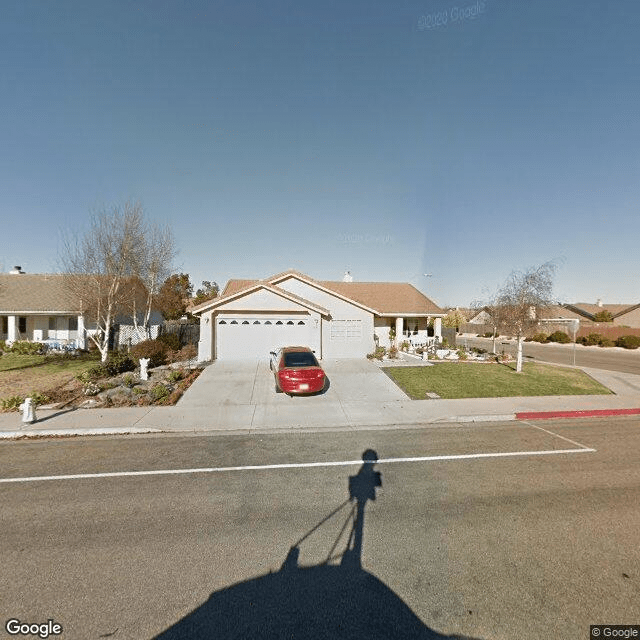
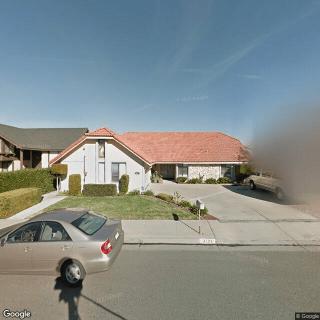
2730 Santa Barbara Lane, Santa Maria, CA 93455
To contact a resident: (805) 310-1583
For more information about senior living options: (866) 208-4318
Lynn's RCFE II Costs & Pricing
Lynn's RCFE II offers competitive pricing for its room types, with a monthly cost of $3,000 for both private and studio accommodations. This rate is notably lower than the average costs in Santa Barbara County, where similar private rooms are priced at approximately $3,480 and studios at about $4,147. Furthermore, when compared to the broader California market, where private rooms average around $3,939 and studios are about $4,145, Lynn's RCFE II stands out as an economical choice without compromising quality of care. This makes it an appealing option for families seeking affordable assisted living solutions in a region known for higher living expenses.
| Floor plans | Lynn's RCFE II | Santa Barbara County | California |
|---|---|---|---|
| Private | $3,000 | $3,480 | $3,939 |
| Studio | $3,000 | $4,147 | $4,145 |
Memory care communities with a similar price nearby
-
from -$150 / mo
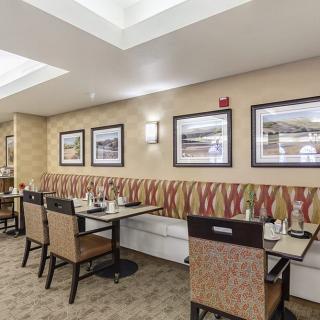
Merrill Gardens At Santa Maria
$2,850 to $3,950 / month3.9 miles away -
About the same
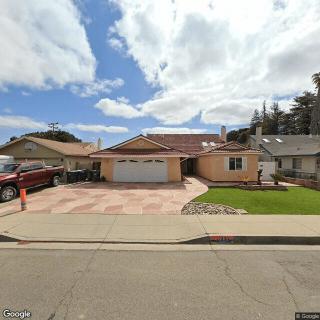
Amalia's Residence II
$3,000 to $4,500 / month3.8 miles away -
from -$200 / mo
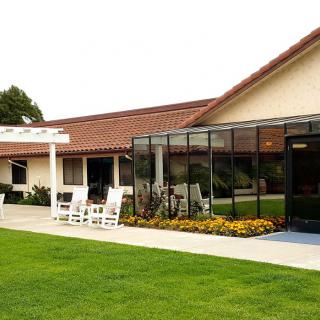
Fountain Square of Lompoc
$2,800 to $4,245 / month18.0 miles away -
from -$500 / mo
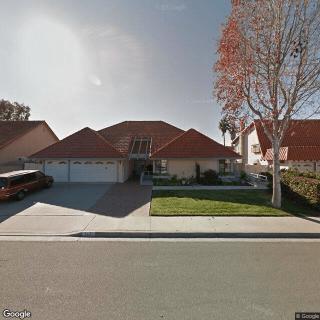
Candlewood House 1
$2,500 to $3,500 / month0.5 miles away -
from -$500 / mo
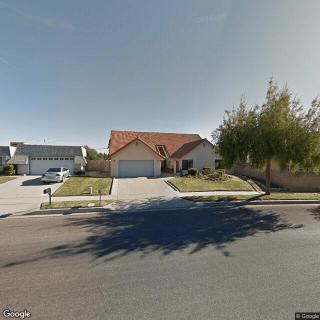
Candlewood House 3
$2,500 to $3,500 / month0.4 miles away
Overall Review of Lynn's RCFE II
Pros
 The reviewers describe it as an incredible home with staff who care deeply for residents.
- They note that grandparents could spend their last years there, with spirits and health improving in the first week.
- Children enjoyed event days and looked forward to returning.
- Carnival days, live bands, and even snow trucks before Christmas were highlights that brought joy.
- The kitchen consistently offered amazing meals, and the home smelled wonderful.
- There is a weekly spa day with professional hairdressers, plus foot washing and pedicures.
- Magnolia and Primrose are highly recommended, with excellent care for physical, mental, and spiritual needs.
- The Halsell family runs PrimRose & Magnolia Senior Living Resources with love and devotion.
Cons
 None — the reviews are all positive and contain no negative statements in the third person.
Review
Lynn's RCFE II in Santa Maria is best suited for families seeking a warm, family-owned environment where residents stay engaged, social, and well cared for in a home-like setting. It works especially well for couples who want to remain together and for seniors who thrive on frequent activities, personal attention, and regular pampering. The community appeals to families prioritizing daily companionship, home-cooked meals, and routine grooming, people who value a lively social calendar as a core part of wellbeing. Those with substantial medical needs, complex clinical oversight requirements, or a desire for highly specialized dementia or memory-care programs should consider alternatives that emphasize more intensive medical support and structured clinical programming.
The standout pros here are palpable and consistently delivered. Families describe an “incredible home and staff” where care extends beyond the basics to nurture spirit and health, with residents reportedly improving in the first week after arrival. The atmosphere is infused with joy through event-days, carnival moments, live bands, and even seasonal touches like snow deliveries, that keep residents connected to family traditions and intergenerational excitement. The culinary side shines as well, with a kitchen that routinely fills the home with appealing aromas and a sense that meals are thoughtfully prepared. A weekly spa day, hairdressers, grooming, foot care, and manicures, adds a rare layer of personal attention that many families value deeply.
Ownership and philosophy underpin the practical strengths observed. The facilities are run by a family with deep ties to Magnolia and Primrose Senior Living Resources, and that sense of family ownership translates into a caring, cohesive approach to daily life. Care is framed as comprehensive, addressing physical, mental, and spiritual wellbeing, and appears grounded in long-standing relationships with families who return for visits and repeatedly praise the level of devotion they receive. This is not a generic corporate environment; it reads as a place where staff, owners, and residents share a familiar, trusted rhythm, which brings comfort to families navigating the significances of aging at home-adjacent care.
A second notable benefit is consistency across properties and the palpable attention to cleanliness and attentiveness. Visit notes for both locations, SB Lane and La Costa, describe clean facilities and residents who seem well attended to, with owners described as lovely. The repetition of positive impressions from multiple families reinforces a reliable caregiving culture: staff who know residents’ routines, preferences, and histories, and owners who appear accessible and engaged. That steadiness matters when evaluating a community for long-term residency, especially for families seeking predictability and a sense of belonging for their loved ones.
As with any strong-positive profile, it is important to weigh what the reviews do not emphasize. The strongest implicit trade-off is medical intensity: these accounts foreground social vitality, grooming, celebrations, and emotional wellbeing but offer little detail about clinical oversight, dementia-specific programming, or physician-led supports. For residents with high medical complexity, frequent hospital visits, or advanced memory-care needs, those gaps warrant direct verification. While the tone conveys confidence in overall care, families should confirm the exact staffing ratios, access to on-site medical staff, and the level of supervision available for chronic conditions before deciding.
In the end, Lynn's RCFE II presents as a compelling choice for families who prize a vibrant, resident-centered lifestyle anchored by hands-on staff, affectionate ownership, and regular moments of pampering. It delivers a practical, experienced, and emotionally reassuring environment that can elevate mood, health, and happiness in the early stages of residence and sustain that momentum over time. For households prioritizing social engagement, companionship, and personal attention over clinical intensity, this community stands out as a wise, well-supported option. For those whose priorities lean toward heavy medical oversight or dementia-specific programs, alternatives with a clearer clinical focus are worth exploring to avoid gaps in care continuity.
 Board and Care Home
 Memory Care
 Private
 Respite or short term stays offered
 Santa Maria Pub Capt G Allan Hancock (2 miles away)
 Dementia Behaviors: In-Depth Understanding and Effective Coping Strategies
 5 Early Indicators of Dementia and What You Can Do
 8 Important Indicators That Memory Care May Be Necessary