
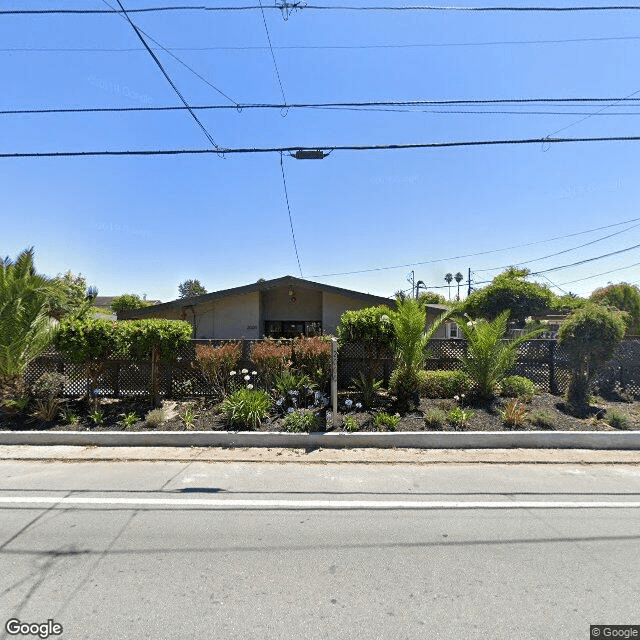
2000 Brommer St, Santa Cruz, CA 95062
To contact a resident: (831) 476-6366
For more information about senior living options: (866) 208-4318
Overall Review of Brommer Manor
Pros
 The staff at Maple House II took great care of residents for about a year and a half.
- They made the transition to assisted living as smooth as possible and preserved dignity.
- They worked well with Hospice of Santa Cruz as care needs changed.
- The owner and house managers were good about providing updates.
- The small, family-like atmosphere was beneficial for residents and their memory issues.
- Ronald, Sara, and the team take excellent care of the residents and are very caring and friendly.
- The facility comes highly recommended.
Cons
 Maple House II did not have the right level of care for her situation.
- The transition from her own apartment to assisted living was difficult.
Review
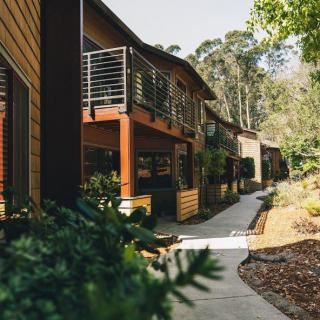
Best suited for families seeking a small, home-like assisted living in Santa Cruz, this community excels where intimate attention, dignity, and clear communication trump size and clinical polish. The experiences described for Maple House II show a setting that prioritizes smooth transitions from independent living, hands-on staff involvement, and a steady hand during changing conditions. Residents with memory challenges are supported by a non-institutional vibe, where staff work to preserve routines and personal dignity. Family members consistently note updates from ownership or house managers, and collaboration with Hospice when appropriate. For families who want a warm, predictable daily rhythm, this model is compelling.
Alternatives should be considered for loved ones with higher medical needs or specialized dementia care. The reviews include at least one clear caveat: the facility did not provide the right level of care for a particular resident’s situation. When medical complexity, mobility support, or 24/7 nursing oversight is essential, a larger campus or a facility with formal memory-care designation may be a better fit. Prospective residents with aggressive behavioral issues or significant functional decline may also require more structured supervision than a small home-like setting can provide.
Key strengths center on staff warmth and continuity. The caregivers described, Ronald, Sara, and the team, are portrayed as consistently hardworking, attentive, and genuinely affectionate toward residents. The small, family-like atmosphere contributes to dignity and security, particularly for older adults with memory issues who benefit from familiar faces and predictable routines. Transitions from independent living are handled with care, and the facility coordinates with Hospice to ensure comfort and appropriate levels of support. Updates to families are timely, which reduces uncertainty during escalating health needs and reinforces trust between residents, families, and caregivers.
Another strong point is the personalized approach to care. The testimonials emphasize that caregivers treat residents as part of a family, which enhances emotional well-being and can reduce agitation or withdrawal that sometimes accompanies aging in place. The nearly 99-year-old resident described as being cared for “like family” underscores the value of this model for elders who prize dignity and personal connection over clinical efficiency. These advantages are meaningful; however, they rest on stability of staffing and the availability of time and compassion from a small team. When care demands rise, this model can stretch.
Crucial decision criteria should include the balance between warmth and capacity. The positives, strong communication, attentive, familial care, and dependable updates, help offset not-insignificant limits in medical oversight. The key question becomes whether the resident’s needs align with the facility’s capabilities: is there access to on-site skilled nursing, and how are complex medical or memory-care needs managed? Families should verify the facility’s plan for escalations, daily assistance levels, and the expected pace of care for residents with advancing dementia or medical fragility. If the answer points to gaps in clinical support, alternatives with built-in nursing and dementia care should be explored.
In sum, for families prioritizing a warm, intimate environment, transparent family communication, and staff who treat residents like beloved relatives, this Santa Cruz option offers tangible value. The strong pros, dignity-preserving transitions, consistent staffing, and proactive hospice collaboration, often outweigh the drawbacks for residents whose needs stay within assisted-living bounds. For those facing higher-acuity care demands, memory-therapy specialization, or 24/7 nursing, it is prudent to compare Brommer Manor against other facilities with more robust medical offerings. The right choice hinges on aligning care intensity with the resident’s current and anticipated needs, while preserving the qualities that make this model feel like home.
 Board and Care Home


 Exploring the World of Home Health Nurses: Qualifications, Roles, and Hiring Tips
 Navigating Medicare Coverage for In-Home Care Services
 In-Home Care Costs in 2025: A Detailed State-by-State Exploration