
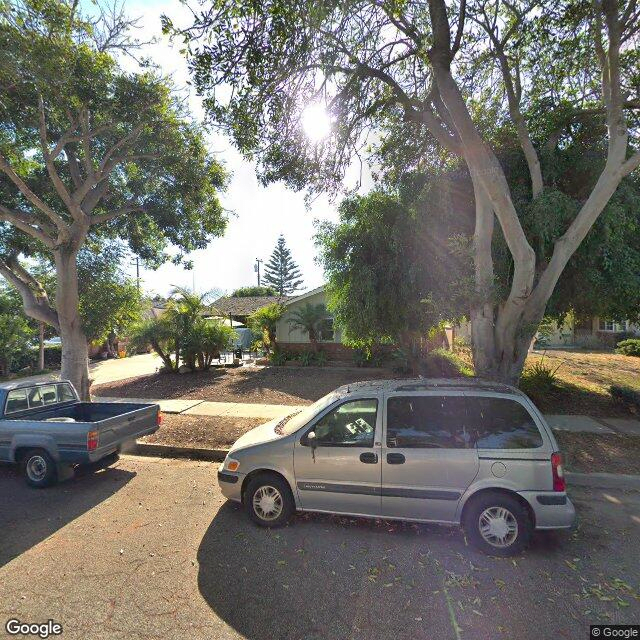
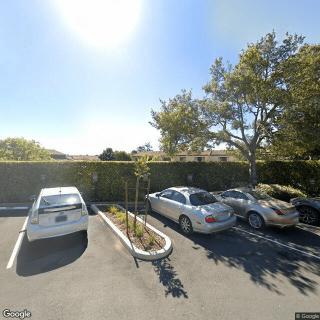
16 San Dimas Avenue, Santa Barbara, CA 93111
For more information about senior living options: (866) 208-4318
Comforts Of Home Senior Care Costs & Pricing
Comforts Of Home Senior Care offers a range of living accommodations that reflect competitive pricing within the Santa Barbara County and California markets. For semi-private rooms, the monthly cost is set at $3,500, which is notably higher than the county's average of $3,007 but remains within reasonable proximity to the state average of $3,333. Private rooms are priced at $4,200, exceeding both county and state averages of $3,480 and $3,939 respectively. Similarly, their one-bedroom apartments also come in at $4,200 per month - a figure slightly above the county's average of $4,114 and just under the state's average of $4,340. Overall, while Comforts Of Home Senior Care positions itself on the higher end of the pricing spectrum for these types of accommodations in comparison to local and state averages, this may reflect a commitment to quality care and enhanced services tailored for seniors.
| Floor plans | Comforts Of Home Senior Care | Santa Barbara County | California |
|---|---|---|---|
| Semi-Private | $3,500 | $3,007 | $3,333 |
| Private | $4,200 | $3,480 | $3,939 |
| 1 Bedroom | $4,200 | $4,114 | $4,340 |
Memory care communities with a similar price nearby
-
from +$500 / mo

GranVida Carpinteria
$4,000 to $5,600 / month16.4 miles away -
from +$350 / mo
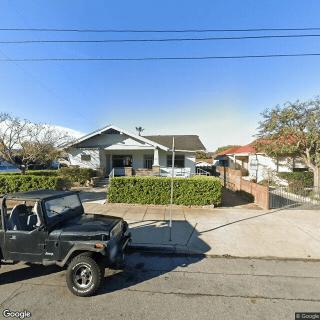
At Home in Santa Barbara
$3,850 to $4,500 / month5.0 miles away -
About the same
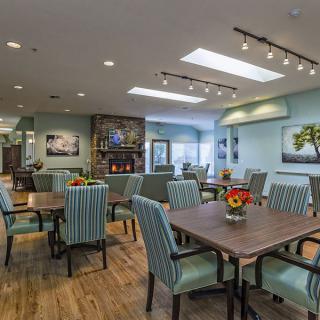
Solvang Friendship House
$3,465 to $3,980 / month20.6 miles away -
from +$495 / mo

Pacifica Senior Living Santa Barbara
$3,995 to $4,995 / month5.0 miles away -
from +$500 / mo
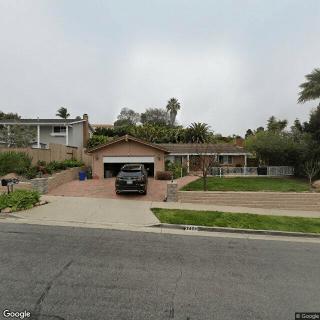
Mesa Care
$4,000 / month4.7 miles away
Overall Review of Comforts Of Home Senior Care
Pros
 They provide kind, caring, and compassionate care at both day and night.
- June is happy there and always in a good mood when visited.
- They attend to any issues quickly and efficiently.
- Trina accompanies her to doctor appointments to better understand June's health issues and concerns.
- They even care for June's cat, Lady, showing a loving and inclusive environment.
- Comforts of Home has far surpassed expectations and provides peace of mind.
Review
Comforts Of Home Senior Care in Santa Barbara is best suited for families seeking a deeply personal, home-like caregiving environment for a very senior loved one who requires consistent day-to-day support and reassuring overnight presence. The strongest signal is a care approach that feels intimate and attentive rather than institutional. In the standout case of Aunt June, age 102, the staff demonstrated steady, compassionate care around the clock, with a willingness to become involved in her health stories and daily needs. The atmosphere conveyed by the staff, kind and practical, helps protect dignity, promote comfort, and keep mood stable, which is exactly what families fear losing when choosing facility-based care for someone at an advanced age. This is not a place for impersonal routines; it is for residents whose well-being hinges on constant attentiveness and a home-centered vibe.
There are clear reasons some families may want to consider alternatives. For elders who require robust on-site medical oversight, complex rehabilitation, or a larger community with extensive programming, a bigger assisted living or skilled-nursing setting could offer more of what those needs demand. Similarly, if a resident’s care plan hinges on formal memory-care environments, advanced clinical services, or a pace and social calendar that includes a wide array of structured activities, other options may deliver more of those elements. For families prioritizing a well-defined medical regime or a highly diverse, appointment-driven activity calendar, Comforts Of Home may feel more intimate than comprehensive.
The core pros here center on human connection and practical reliability. Overnight and daytime care are both foregrounded, addressing the all-important safety concern for someone who needs help at night and assistance with bathroom routines. Personal hygiene is emphasized as exceptionally high-quality, and issues, when they arise, are handled quickly and efficiently. A striking feature is the staff’s willingness to participate in medical planning, as illustrated by accompanying a resident to doctor appointments to better coordinate care. The willingness to welcome and care for a resident’s pet, like Aunt June’s cat Lady, signals a flexible, person-centered approach that honors meaningful ties and comforts of home. In short, the combination of compassionate interaction, rapid responsiveness, and collaborative health involvement creates a foundation of trust and peace of mind for families.
Yet, the lack of publicly documented medical infrastructure and the small-scale nature of the operation imply potential trade-offs. The emphasis on a home-like environment may come with fewer on-site clinical resources, gauges of nursing intensity, or broad social programming typical of larger communities. Families should verify staffing ratios, night-shift coverage, and the ability to manage medications or 24/7 medical supervision if those needs are present. Details about rehabilitative services, mobility support, or specialized memory care are not surfaced in the available feedback, so those evaluating the option should seek explicit clarity. Cost transparency and inclusions (layers of care, emergency coverage, and pet policies) are practical questions to resolve before commitment.
When the positives are weighed against these plausible considerations, the balance tilts decisively toward Comforts Of Home in scenarios where warmth, consistent availability, and individualized attention drive decision-making. The pro team’s demonstrated willingness to treat residents as family, to respond swiftly to concerns, and to integrate family-centered participation, in clinics and in daily routines, directly offsets the most common downsides families fear: detachment, slow responses, and a sterile, impersonal environment. The result is a setting where dignity is preserved, anxiety about care is reduced, and a resident’s emotional well-being is actively supported by people who treat care as a calling rather than a job.
For decision-makers, the bottom-line guidance is clear. This community excels for families seeking a small, homey, highly attentive care environment that can deliver overnight support, exceptional personal care, and strong health-coordination with a trusted staff team. It is particularly compelling for residents who prize continuity, meaningful caregiver relationships, and the chance to maintain pets as part of daily life. If the elder requires more extensive medical oversight, a broader activity calendar, or specialized memory-care programming, alternatives with larger scale and explicit clinical capabilities should be explored. A thoughtful in-person tour focused on staffing patterns, emergency procedures, and the practicalities of night-time assistance will crystallize whether Comforts Of Home truly aligns with the specific care trajectory and budget requirements at hand.
 6 resident community capacity
 Assisted Living
 Board and Care Home
 Memory Care
 Cable or satellite TV
 Dining room
 Fully furnished
 Garden
 Housekeeping services
 Indoor common areas
 Move-in coordination
 Outdoor common areas
 Private
 Respite or short term stays offered
 Telephone
 Wi-Fi/high-speed internet available
 Santa Barbara Municipal (2 miles away)
 24-hour supervision
 Activities of daily living assistance
 Assistance with bathing
 Assistance with dressing
 Assistance with transfers
 Diabetes diet
 Diabetic care
 High acuity care
 Incontinence care
 Meal preparation and service
 Medication management
 Special dietary restrictions
 Transportation arrangement (medical)
 Transportation to doctors appointments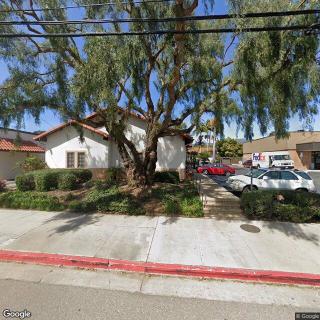


 Are Dementia and Alzheimer's Disease Lethal? A Comprehensive Exploration
 Exploring the Power of Reminiscence Therapy for Individuals With Dementia
 An In-Depth Look at Reminiscence Therapy in Dementia Care