
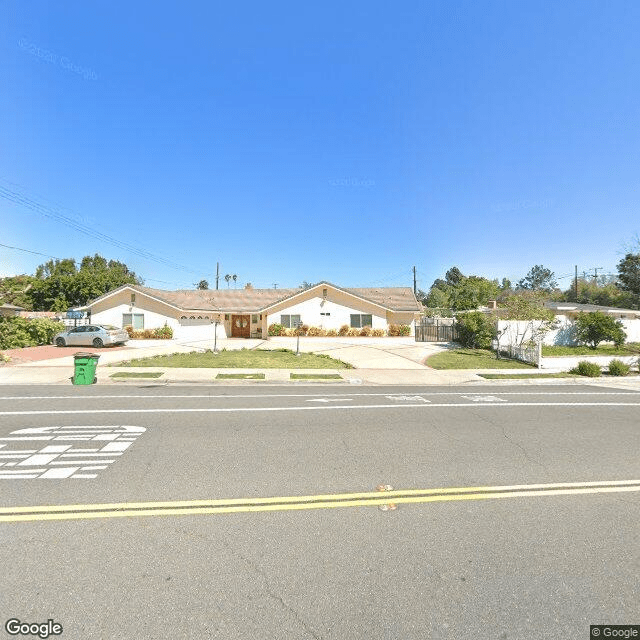
18351 East Santa Clara Avenue, Santa Ana, CA 92705
For more information about senior living options: (866) 208-4318
Guardian Angels Homes III Costs & Pricing
At Guardian Angels Homes III, the monthly cost for a private room is set at $4,500. This pricing reflects a commitment to providing quality care and a supportive environment. When comparing this rate to the broader market, it is slightly higher than the average cost in Orange County, which stands at approximately $4,104 per month. Similarly, California's overall average for private accommodations is around $3,939. While Guardian Angels Homes III operates at a premium compared to these figures, the facility emphasizes tailored services and an enriched living experience that may justify the additional investment for potential residents and their families.
| Floor plans | Guardian Angels Homes III | Orange County | California |
|---|---|---|---|
| Private | $4,500 | $4,104 | $3,939 |
Assisted Living communities with a similar price nearby
-
from -$505 / mo

Cadence Brea
$3,995 to $5,500 / month11.2 miles away -
About the same
Heritage Senior Home Care
$4,500 to $4,800 / month23.9 miles away -
About the same
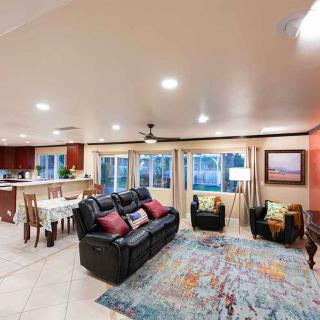
Casa Bella
$4,500 / month4.9 miles away -
from -$500 / mo
Active Senior Home Care
$4,000 to $5,000 / month13.3 miles away -
from -$700 / mo
Sunshine Home Care
$3,800 / month11.4 miles away
Overall Review of Guardian Angels Homes III
Pros
 They were very pleased with the director’s responses to their questions.
- They were very pleased with the care provided by the couple living there.
- They were very pleased with the physical aspects of the house and its layout.
Review
Guardian Angels Homes III in Santa Ana is best suited for families seeking a small, home-like assisted living option where leadership is accessible and daily care feels personal. The setup is especially appropriate for seniors who value a house-style environment, on-site caregiving, and a straightforward, responsive communication loop with the administrator. The physical house and its layout carry practical appeal: clean, well-maintained spaces, a sensible flow that supports easy navigation, and a living arrangement that minimizes the distance between residents and caregivers. For families prioritizing clarity, direct contact with the decision-maker, and a setting that feels like a calm, private residence, this community presents a compelling fit.
Those who may want to consider alternatives are those pursuing a broader continuum of care or a more activity-rich campus. If higher levels of medical oversight are required, or if a resident needs substantial memory-care programming, a larger facility with dedicated programming and more staff on site could be a better match. Families seeking a wide range of on-site amenities, scheduled group activities, or a more expansive social calendar may find that smaller, homelike settings like this one do not provide enough variety. In short, this option excels in personal attention and simplicity, but the trade-off is a relatively limited footprint compared with bigger communities.
The core strengths, the director’s responsiveness and the presence of a care couple living on-site, build a compelling case for choosing Guardian Angels Homes III. The director’s willingness to address questions in depth and the consistent, visible care from a devoted caregiving pair translate into meaningful trust and dependable day-to-day routines. This dynamic helps reduce the anxiety families feel when transitioning loved ones into care, because decisions feel grounded in direct accountability rather than opaque policy. The house itself reinforces these advantages: a calm, predictable environment where routines can be established without the chaos that sometimes accompanies larger campuses. Those factors together often translate into a smoother adjustment for residents who thrive on clear, stable expectations.
The small-scale model, while attractive, also introduces practical considerations. With a single family-style home footprint, there is less information available about staffing variability across shifts, the breadth of daily activities, or the full scope of services beyond basic assisted living. That absence is not a flaw when trust and accessibility are the priority, but it does mean prospective residents should verify specifics, such as how emergencies are managed, what medical supports are readily available, and how meals and daily schedules are structured. The personal touch can compensate for some gaps, yet families should confirm that the level of care aligns with the resident’s current and anticipated needs before committing.
From a decision-making standpoint, practical due diligence should focus on three areas: staffing and on-site coverage, the resident daily routine, and the degree of independence supported by the home environment. Families should request a detailed description of the caregiver schedule, ask for examples of daily activity options (meals, social time, light exercises), and observe how the staff interact with residents in a real-time setting. It is also wise to confirm any potential avenues for escalating concerns or requesting a change in care approach if needs shift. A first-hand tour, complemented by conversations with the director and the care couple, will reveal whether the intimate, home-based model can deliver the consistency and security the resident requires.
In closing, Guardian Angels Homes III presents a practical, trustworthy choice for seniors who want a warm, manageable living arrangement with frank, direct leadership and a caregiving team that feels like family. It is not the pick for families chasing a bustling campus, extensive programming, or advanced medical specialization. For those prioritizing personal attention, straightforward operations, and a residence that supports comfortable, predictable days, this community deserves serious consideration and, in many cases, a strong recommendation.
 6 resident community capacity
 Assisted Living
 Board and Care Home
 Respite Care
 Cable or satellite TV
 Dining room
 Fully furnished
 Garden
 Housekeeping services
 Move-in coordination
 Outdoor space
 Private
 Telephone
 Wi-Fi/high-speed internet available
 John Wayne Orange Co (7 miles away)
 24-hour supervision
 Activities of daily living assistance
 Assistance with bathing
 Assistance with dressing
 Assistance with transfers
 Diabetes diet
 Diabetic care
 Meal preparation and service
 Medication management
 Special dietary restrictions
 Transportation arrangement (medical)
 Transportation to doctors appointments

 Comprehensive Insights into Activities of Daily Living (ADLs) and Their Assessment
 Guiding Elderly Parents Who Refuse Assisted Living: 6 Practical Steps
 Your Comprehensive Guide to Luxury Assisted Living: Elevated Facilities, Amenities, and Costs