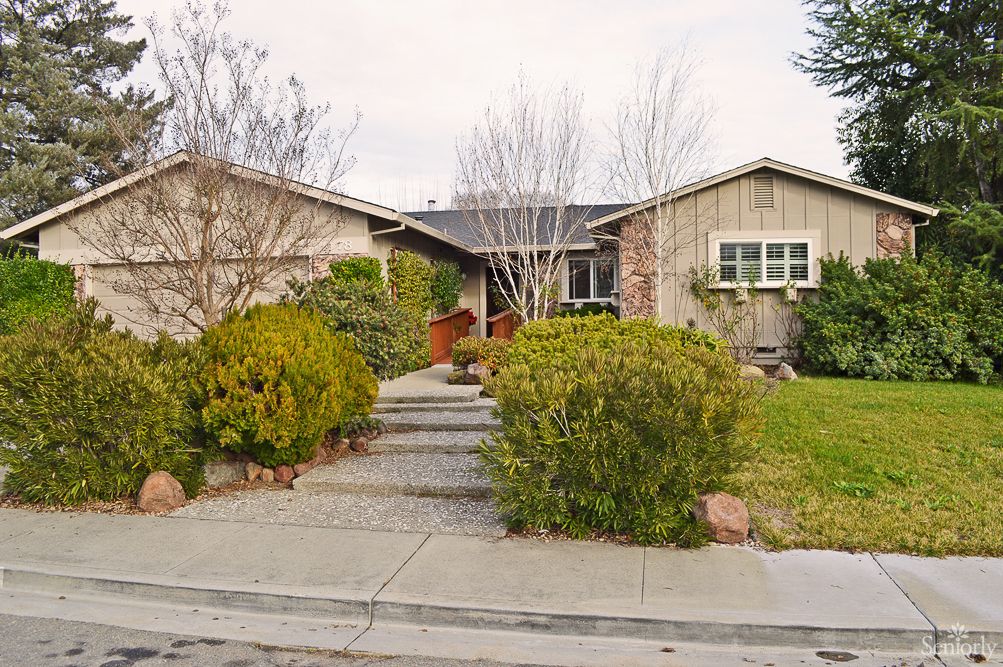
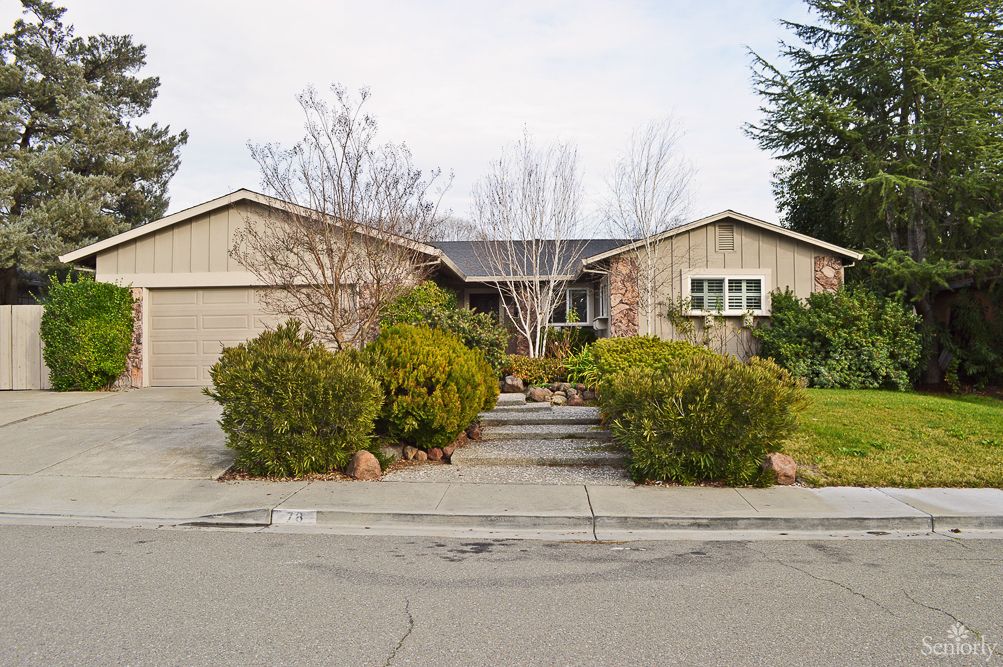
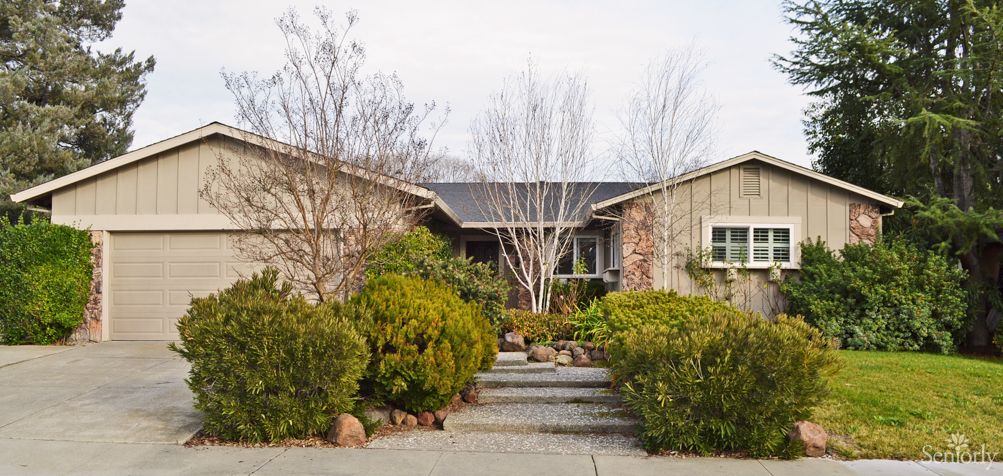

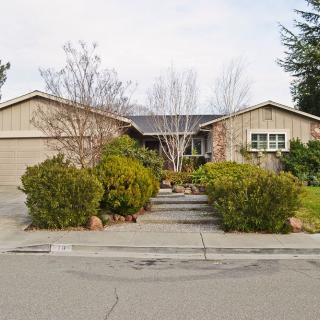
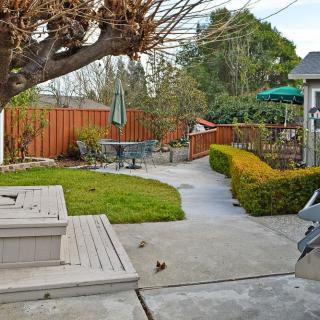

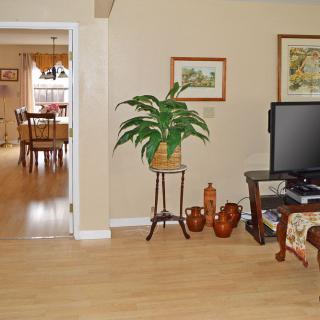
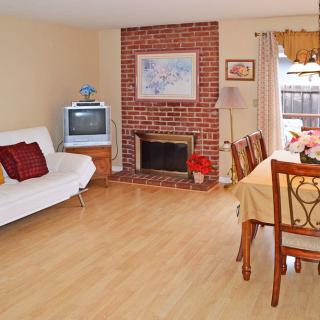

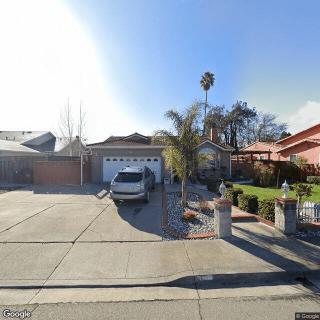
78 Ryegate Place, San Ramon, CA 94583
For more information about senior living options: (866) 208-4318
Penny's Guest Home Costs & Pricing
Penny's Guest Home offers a competitive pricing structure for its private rooms at $3,500 per month, which stands out as a more affordable option compared to the average costs in Contra Costa County and across California. Within Contra Costa County, the cost for similar accommodations typically hovers around $4,088, while the state average is slightly lower at $3,939. This positioning not only reflects Penny's commitment to providing high-quality care at a reasonable price but also makes it an attractive choice for families seeking valued care solutions without compromising on quality.
| Floor plans | Penny's Guest Home | Contra Costa County | California |
|---|---|---|---|
| Private | $3,500 | $4,088 | $3,939 |
Assisted Living communities with a similar price nearby
-
from -$500 / mo
Laylor Care Home For The Elderly
$3,000 to $4,000 / month16.6 miles away -
from -$500 / mo

Palm Garden Home Care
$3,000 to $4,000 / month6.2 miles away -
from -$305 / mo
Harbor Bay Assisted Living
$3,195 to $5,000 / month16.3 miles away -
from +$500 / mo
Golden Age Of Channing Way
$4,000 to $5,000 / month16.1 miles away -
About the same

An Oak Grove Manor
$3,400 to $3,800 / month12.6 miles away
Overall Review of Penny's Guest Home
Pros
 It is by far the best board and care in the San Ramon area.
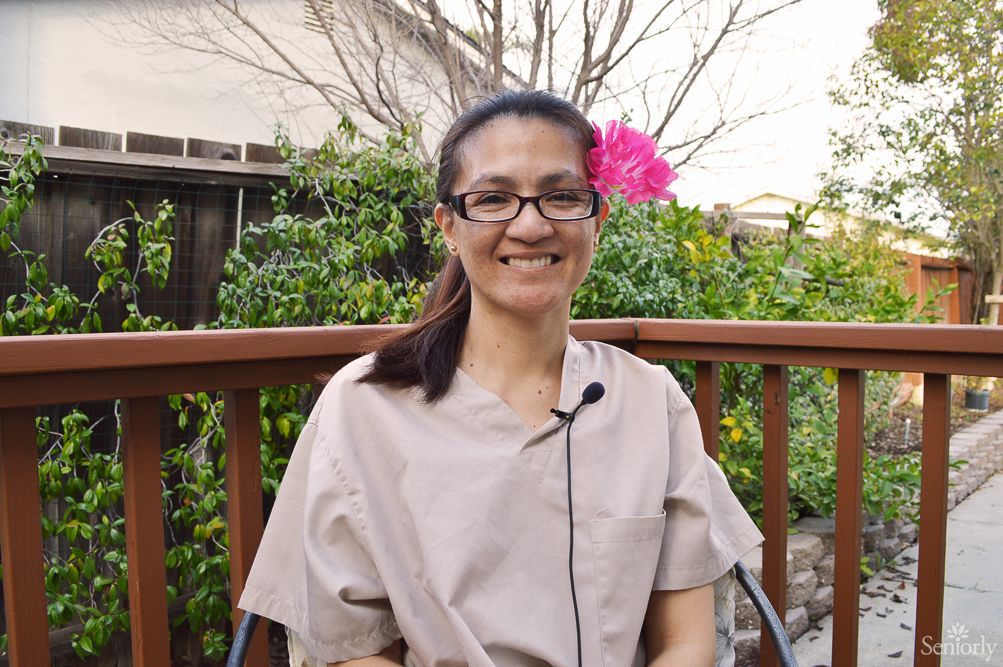
- The owner and staff are warm, caring, and friendly.
- Family members will receive the best care here.
- They are treated like their own family.
- The facility is the best the reviewer has ever known and is highly recommended.
Review
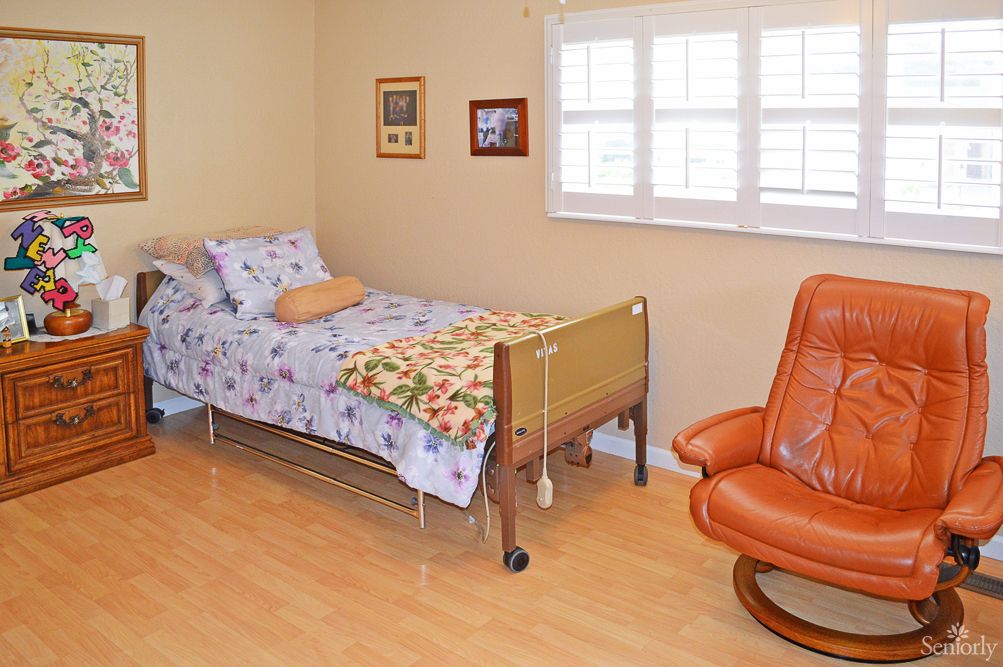
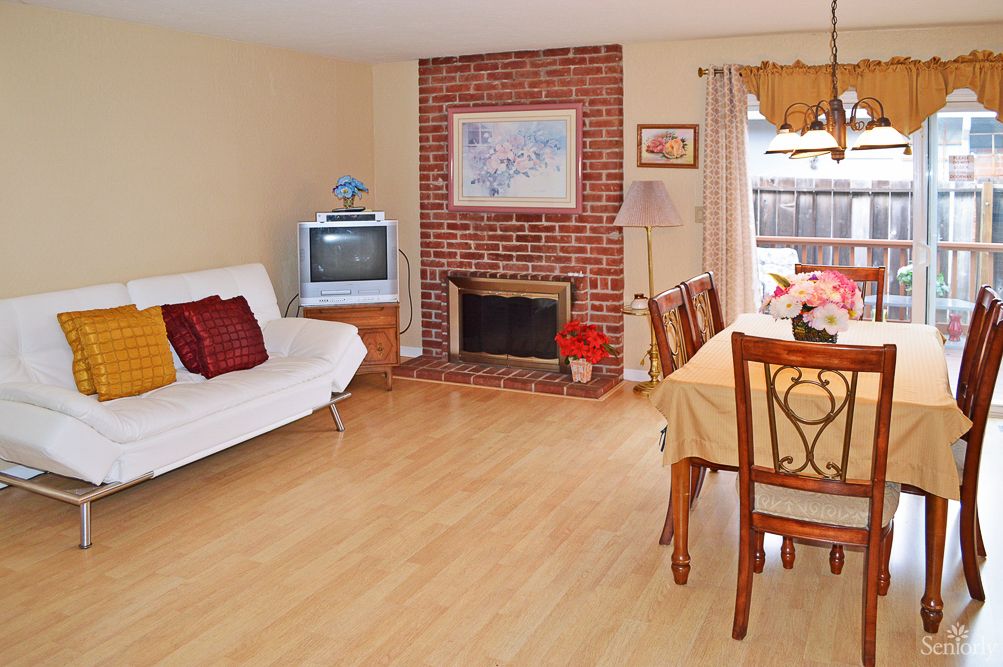
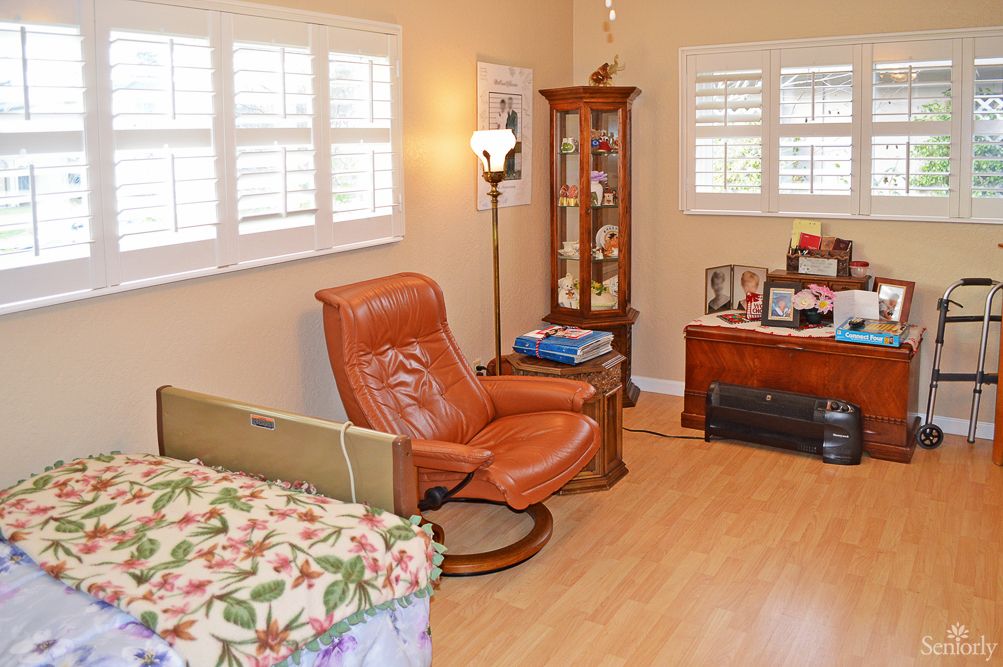
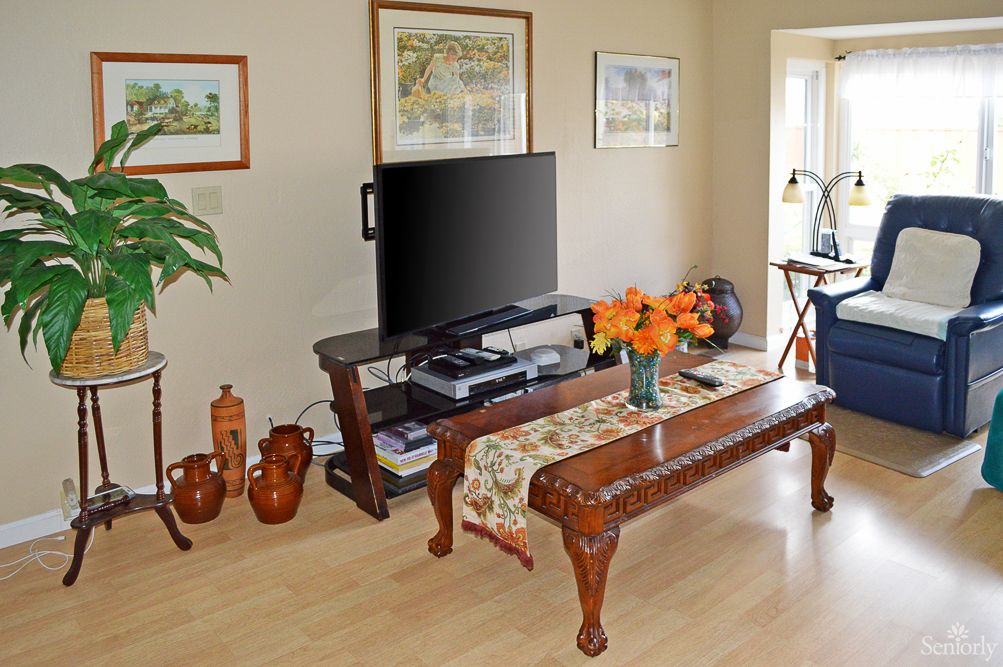
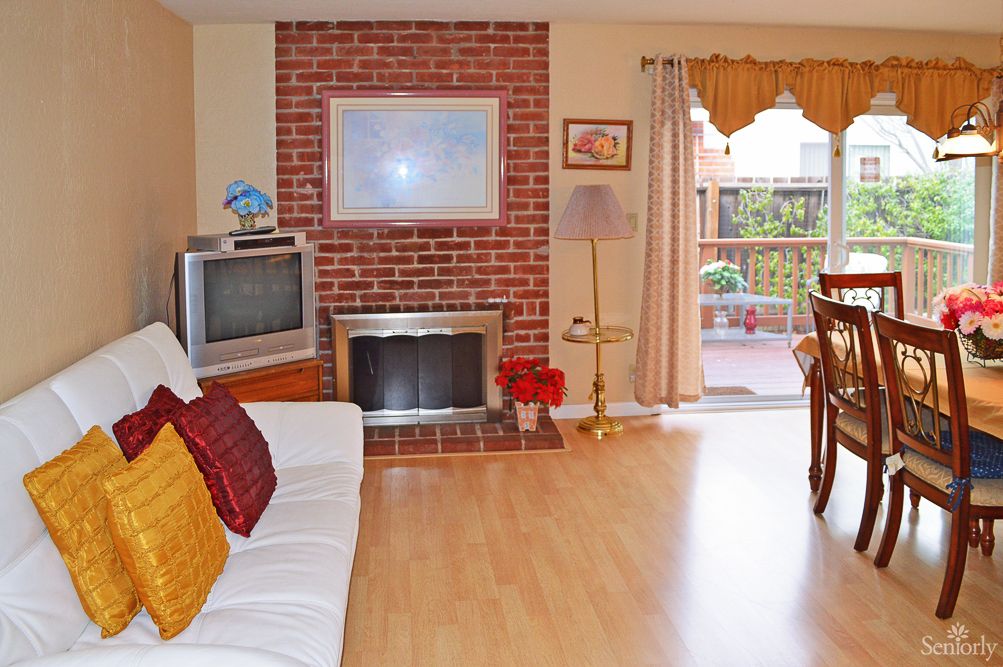
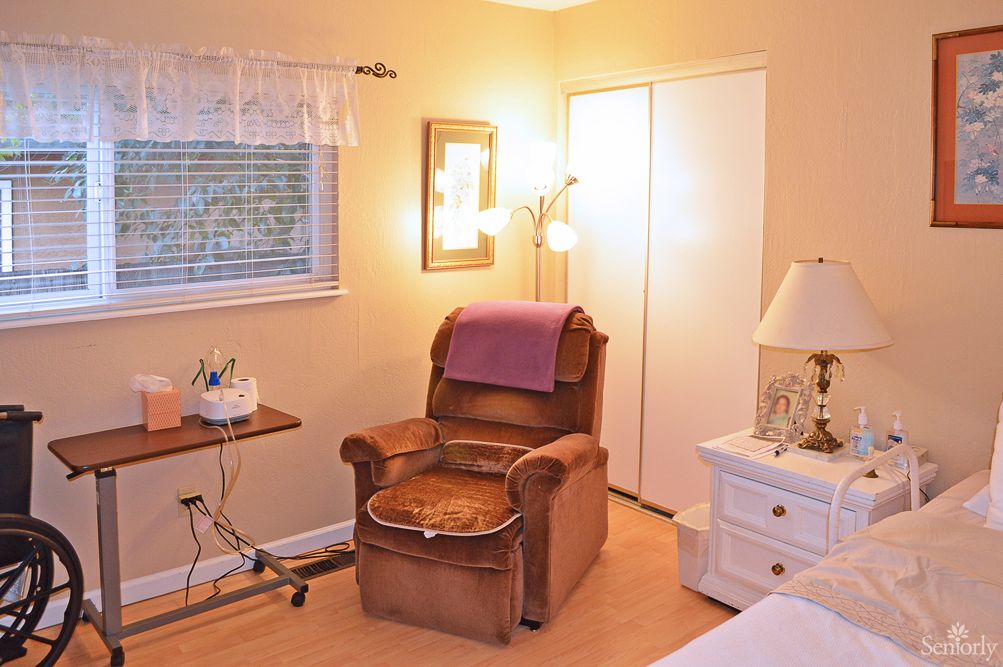
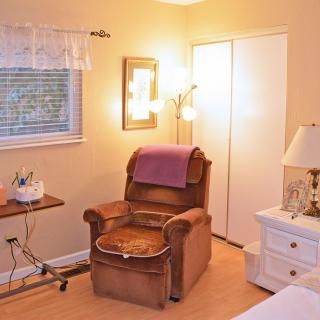
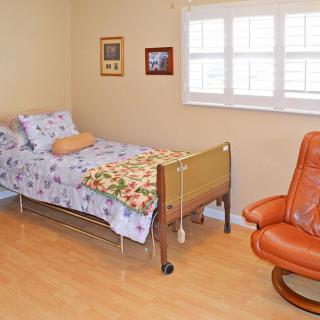
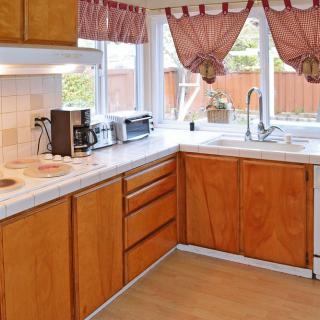
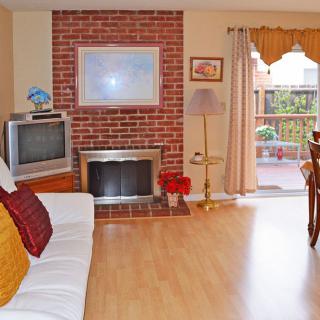
Penny's Guest Home in San Ramon is best suited for seniors who want an intimate, family-style living arrangement where care feels personal, consistent, and deeply attentive. The community earns its reputation through an owner and staff who are described as warm, caring, and genuinely engaged with residents. For families prioritizing a home-like atmosphere, predictable daily routines, and a sense that mom or dad is treated like a member of the family, this setting provides high emotional reassurance and dependable daily support. It is the clear choice for those who value close relationships with caregivers and a smaller, quieter environment over the scale and formality of larger facilities.
Those weighing alternatives should consider residents who demand intensive medical oversight or expansive programming. A bigger assisted living or memory-care community often offers more on-site nursing coverage, access to a broader team of specialists, and a wide array of structured activities and social opportunities. If the priority is medical acuity management, complex care plans, or more diverse enrichment options, it may be prudent to explore facilities with higher staffing ratios and formal medical integration. The decision should hinge on whether the priority is constant clinical supervision or ongoing, person-centered caregiving delivered in a homelike setting.
The strongest pros center on the lived experience of care: consistently warm interactions, a leadership presence that models attentiveness, and a resolutely family-oriented culture. Residents benefit from staff who remember routines, preferences, and personal histories, translating into tailored assistance and faster response times. This emotional safety net, knowing caregivers see and respond to needs without rigid red tape, counts as a major advantage when compared with larger communities where residents can feel anonymous. The result is a sense of dignity preserved, with everyday tasks managed smoothly, which often translates into better mood and engagement for residents.
Where cons are possible in small-board-and-care environments, such as limited on-site medical support, tighter staffing ranges, or a narrower activity slate, the strong, hands-on leadership and personal accountability at Penny's Guest Home help offset most drawbacks. Families should still verify the scope of medical oversight, including who handles medications, how emergencies are managed after hours, and what access exists to visiting physicians. The intimate setting means more reliance on the caregiver team for day-to-day oversight, so clarity on staffing coverage and care plans is essential. With careful due diligence, the warmth and consistency that define Penny's can compensate for the trade-offs inherent in smaller homes.
For families evaluating a move, practical next steps focus on verification and alignment. Request a clear outline of the daily schedule, mealtime routines, and how medication management is organized. Inquire about staff-to-resident ratios, caregiver qualifications, turnover, and supervision of care tasks. Review licensing and inspection history, if available, to confirm compliance standards and safety measures are current. Observe during a visit whether residents appear engaged, well-groomed, and comfortable with caregivers, and whether conversations with staff reveal genuine familiarity with each individualā€™s preferences. Understanding how care plans are developed and updated will reveal whether the home truly adapts to changing needs or remains fixed in a fixed routine.
Ultimately, Penny's Guest Home represents a practical choice for families seeking dependable, warm, and personalized care in a small community. It excels where soft, human-centered care is the priority and a home-like atmosphere reduces the emotional strain of transition. Those who require more expansive medical services, highly structured programs, or specialized memory-care capabilities should consider alternatives that deliver those capabilities at scale. For many families, the decision comes down to balancing the value of heartfelt, consistent daily care against the desire for broader clinical resources; in this balance, Penny's Guest Home offers a compelling, confidently recommended option.
 6 resident community capacity
 Assisted Living
 Board and Care Home
 Respite Care
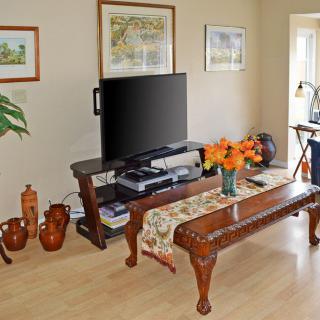
 Cable or satellite TV
 Dining room
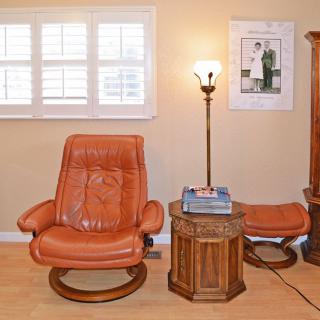
 Fully furnished
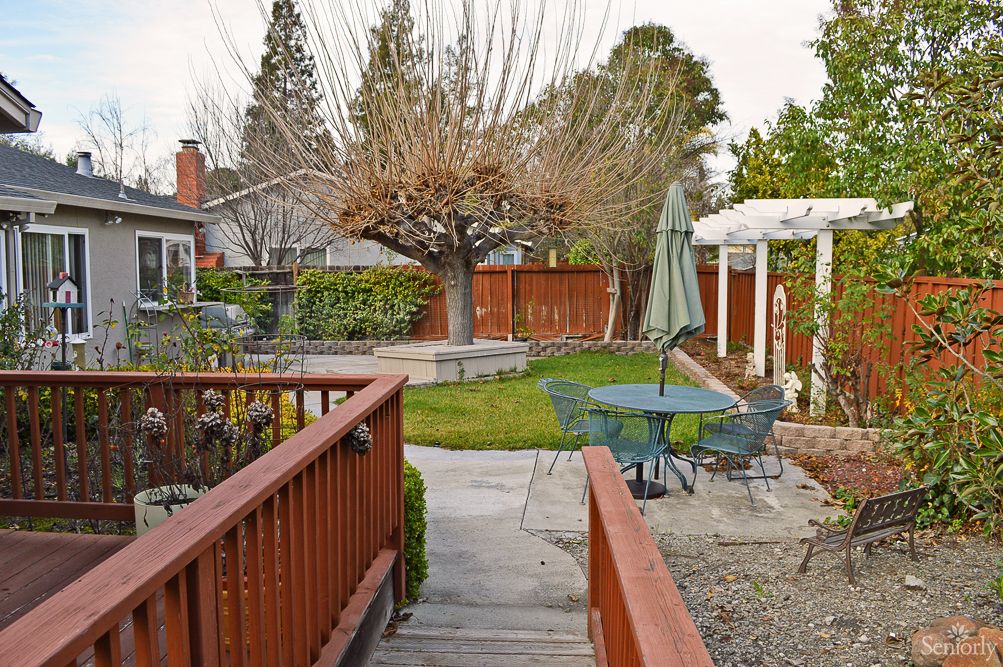
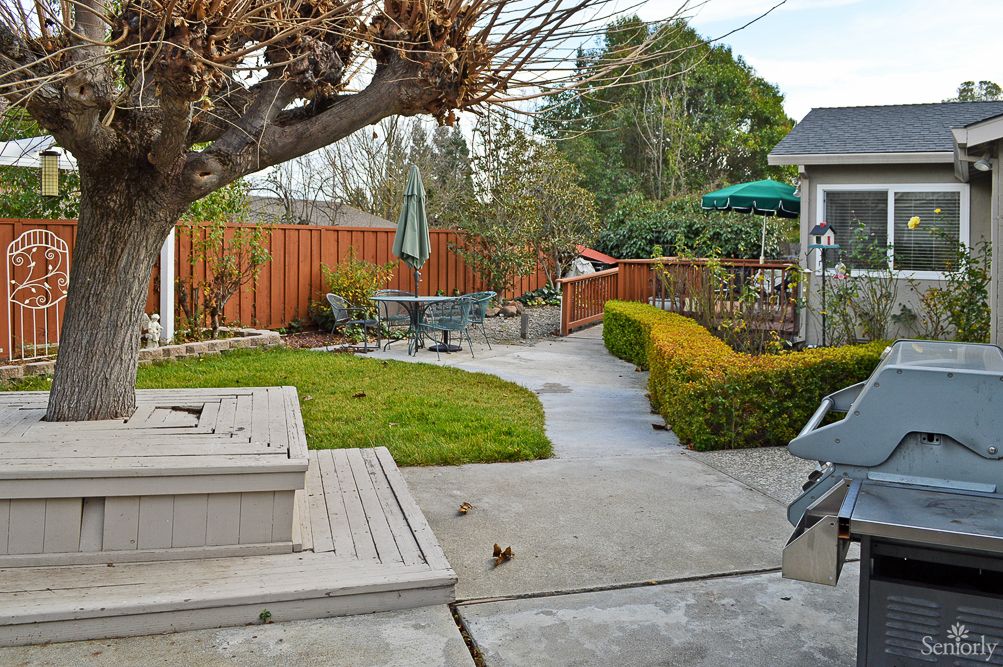
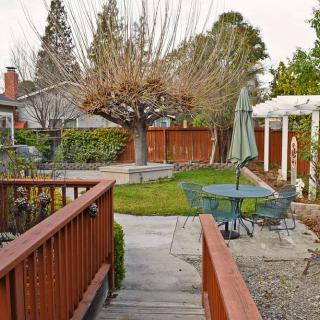
 Garden
 Housekeeping services
 Move-in coordination
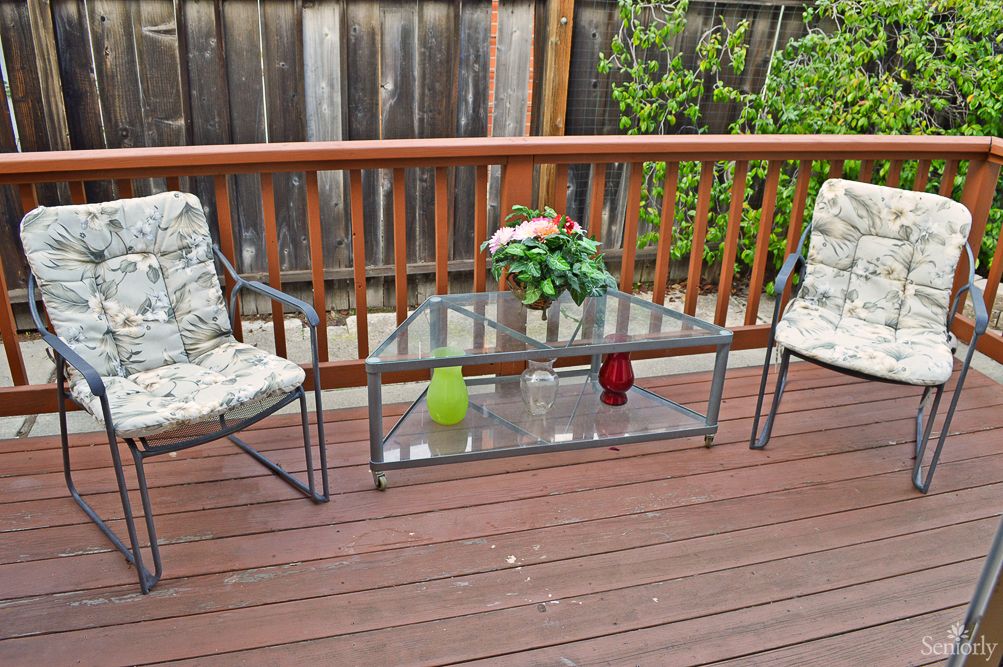
 Outdoor space
 Private
 Small library
 Telephone
 Metropolitan Oakland International (15 miles away)
 24-hour supervision
 Activities of daily living assistance
 Assistance with bathing
 Assistance with dressing
 Assistance with transfers
 Diabetes diet
 Meal preparation and service
 Medication management
 Special dietary restrictions



 Understanding the Distinctions: Assisted Living and Memory Care Explained
 Guiding Elderly Parents Who Refuse Assisted Living: 6 Practical Steps
 Your Comprehensive Guide to Luxury Assisted Living: Elevated Facilities, Amenities, and Costs